Dealing with chronic pain can often feel like you’re just reacting to flare-ups, always one step behind the discomfort. But what if you could shift from a reactive approach to a proactive one? Building a consistent stretching routine is one of the best ways to take control of your body and manage pain for the long term. Instead of waiting for stiffness to set in, you can actively work to maintain your mobility and prevent tension from building up in the first place. By incorporating a few key stretching exercises for body pain into your week, you build resilience and create a stronger foundation for pain-free movement.
Key Takeaways
- Break the pain-tension cycle: Stretching does more than just lengthen muscles; it increases blood flow and sends a signal to your nervous system to relax, which helps release the chronic tightness that causes persistent pain.
- Prioritize consistency and proper form: To get real results, aim for a few sessions a week and always warm up first. Hold each stretch for about 30 seconds without bouncing, and back off if you feel any sharp pain—the goal is a gentle pull, not a strain.
- Know when to seek professional guidance: If you’ve hit a wall with your progress or your pain isn’t improving, one-on-one assisted stretching can make a huge difference. A trained therapist can safely guide you into deeper stretches to address the root cause of your discomfort.
Why Does Stretching Help with Body Pain?
When you’re dealing with body pain, the idea of moving and stretching might seem like the last thing you should do. But often, that stiffness and soreness is your body’s way of telling you it needs exactly that. Chronic pain is frequently linked to muscle tightness, imbalances, and restricted movement patterns that build up over time. Stretching directly addresses these issues at their source. By gently lengthening your muscles and improving how your joints move, you can release tension, reduce pain, and get back to feeling more like yourself.
Improve Your Flexibility and Range of Motion
Think of your muscles like rubber bands. When they’re not used often, especially if you have a desk job, they can become short and tight. Regularly taking the time to improve your flexibility helps lengthen those tight muscles, allowing you to move more freely. This directly translates to a better range of motion in your joints—meaning your hips, shoulders, and spine can move through their full, intended path without pulling or pinching. By focusing on key areas, stretching can also help correct postural imbalances that contribute to chronic back and neck pain, making everyday activities feel easier and more comfortable.
Enhance Circulation and Muscle Recovery
That “feel-good” sensation you get from a deep stretch is more than just a mental release—it’s a physical response. Stretching increases blood flow to your muscles, delivering a fresh supply of oxygen and vital nutrients that are essential for repair and recovery. This improved circulation helps flush out waste products that can build up in muscle tissue, leading to soreness. It also helps lubricate the joints, keeping them healthy and functioning smoothly. Whether you’re recovering from a workout or just a long day, enhancing circulation through stretching is a simple way to help your body heal itself and reduce overall stiffness.
Reduce Muscle Tension and Stiffness
Stress has a sneaky way of showing up physically, often as clenched jaws, raised shoulders, and tight muscles. Over time, this chronic tension can lead to persistent pain and stiffness. Stretching is a powerful tool for breaking this cycle. It activates your parasympathetic nervous system, which is your body’s “rest and digest” mode, promoting relaxation. By consciously lengthening muscles that hold tension, you can release that built-up tightness. This is particularly important for muscles like your hip flexors and pectorals, which become notoriously tight from prolonged sitting, contributing to lower back and shoulder pain.
Manage Pain Naturally
Stretching offers a proactive and natural way to manage and even prevent body pain. Instead of just masking symptoms, it addresses some of the root causes, like muscle imbalances and poor joint mobility. Consistent stretching has been shown to significantly decrease muscle and joint pain, making it a key strategy for long-term relief. For those with specific conditions, like knee osteoarthritis, targeted static stretching can be particularly beneficial for increasing comfort and function. By incorporating stretching into your routine, you’re giving your body a tool to heal itself, reduce its reliance on passive treatments, and build a more resilient foundation for pain-free movement.
How Stretching Actually Eases Pain
Ever wonder why a good stretch feels so incredible, especially when you’re sore? It’s not just a fleeting sensation; there’s real science behind how stretching eases pain. When you hold a stretch, you’re doing more than just pulling on a muscle. You’re sending a direct message to your nervous system to calm down, increasing the flow of oxygen-rich blood to tired tissues, and gently correcting the postural imbalances that contribute to chronic aches. Think of it as a conversation with your body. Pain often causes muscles to tighten up as a protective measure, but this can create a vicious cycle of tension and more pain. Stretching is your way of interrupting that cycle. By methodically lengthening your muscles and improving how your joints move, you can achieve lasting relief and restore your body’s natural mobility.
The Science of Lengthening Your Muscles
When you stretch, you’re initiating a powerful biological response. That “ahhh” feeling you get is your parasympathetic nervous system—your body’s “rest and digest” mode—kicking in. This process helps lower stress and allows your muscles to relax. At the same time, stretching increases blood flow to the targeted area. This fresh circulation delivers vital oxygen and nutrients that help repair muscle tissue and flush out waste products that can cause soreness. It’s a simple action with a profound effect, helping your muscles recover and become more resilient over time.
Breaking the Pain-Tension Cycle
Pain and tension are often locked in a frustrating cycle: you feel pain, so your muscles tighten up to guard the area, which then creates even more tension and pain. Stretching is one of the most effective ways to break this loop. By gently lengthening a tight muscle, you’re providing sensory input that overrides the pain signals. This helps to release the chronic tightness and lubricate the joints, allowing them to function more smoothly. With consistent practice, you can retrain your muscles to let go of that guarding response, leading to a significant reduction in chronic discomfort.
Improving How Your Joints Move
So much of our daily pain comes from poor posture, often caused by sitting for long periods. When we’re hunched over a desk or a phone, certain muscles, like our hip flexors and chest muscles, become short and tight. These tight muscles can pull our skeleton out of alignment, putting strain on our back, neck, and shoulders. Stretching is the perfect antidote. By focusing on lengthening these chronically tight areas, you can help improve your body’s alignment and restore balance. This allows your joints to move through their full, intended range of motion, reducing strain and preventing pain before it starts.
Essential Stretches for Back Pain Relief
Back pain can feel like an unwelcome guest that overstays its welcome, affecting everything from your mood to your ability to enjoy daily activities. The good news is that you have the power to show it the door. Gentle, targeted stretching is one of the most effective ways to manage and relieve back pain. By focusing on the muscles that support your spine—from your lower back and hips to your upper back and shoulders—you can release tension, improve mobility, and find lasting comfort. These movements are designed to be simple yet powerful, helping you regain control and move with more freedom and less pain. Let’s walk through a few essential stretches that can make a real difference.
For Your Lower Back: Knee-to-Chest and Pelvic Tilts
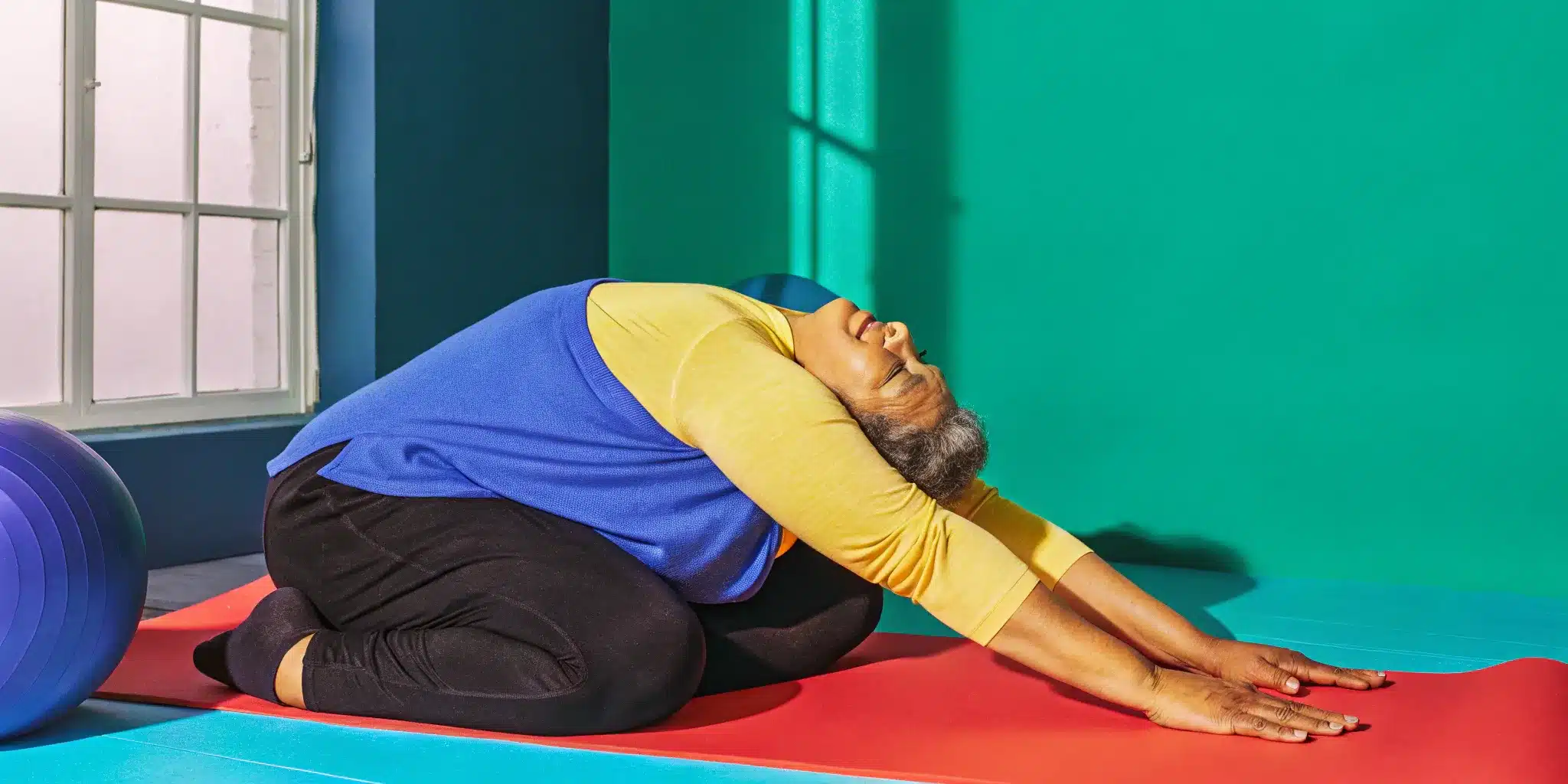
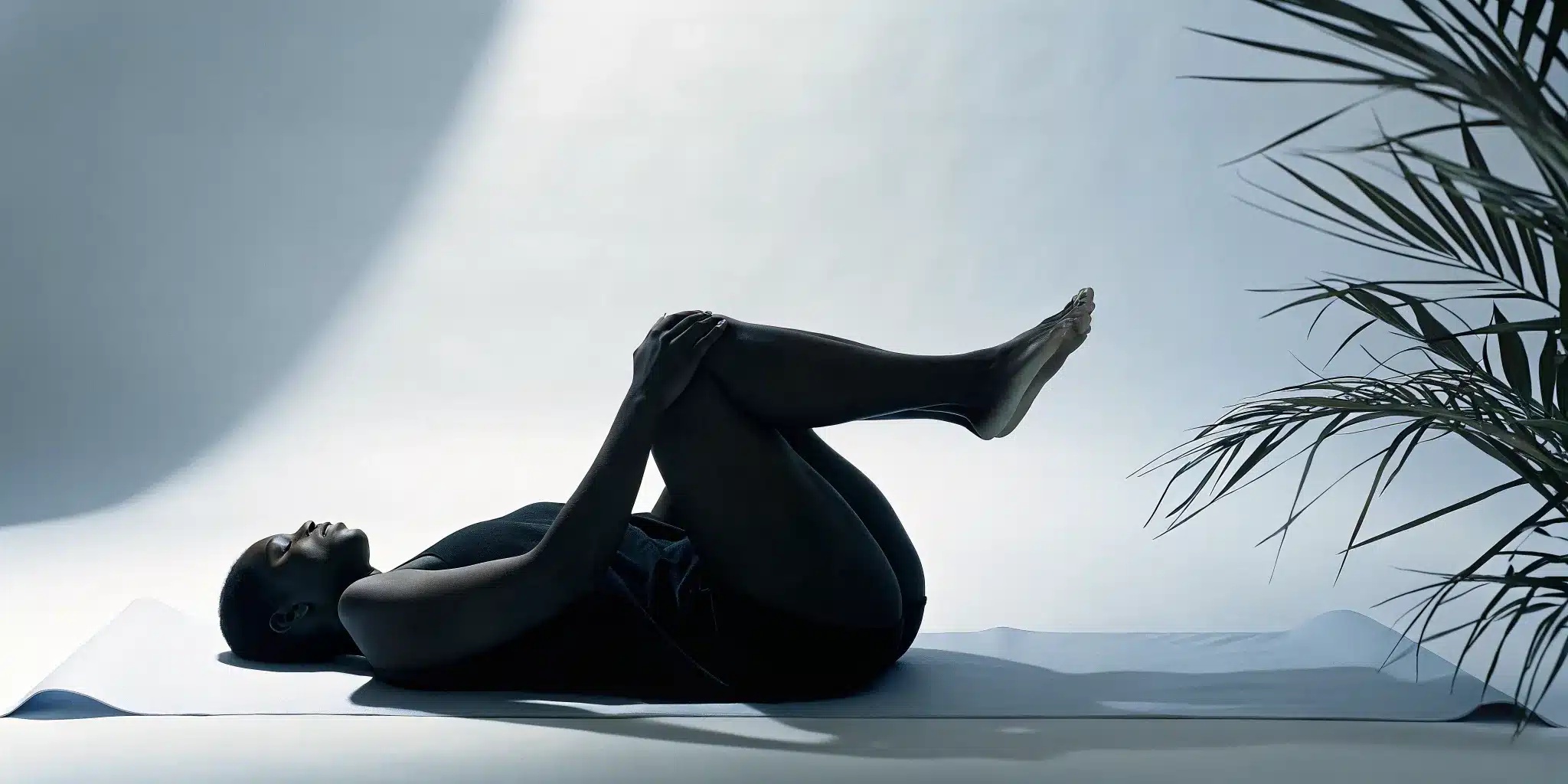
Your lower back carries a heavy load, so giving it some attention is key. The knee-to-chest stretch is a fantastic way to gently lengthen your lower back muscles and ease tightness in your hips. To do it, lie on your back with your knees bent. Gently pull one knee toward your chest, holding it for about five seconds while keeping your abs engaged and your spine flat against the floor. Release and switch to the other leg. Another great move is the pelvic tilt, which strengthens the deep abdominal muscles that support your spine. While lying on your back with knees bent, tighten your stomach muscles to press your lower back flat into the floor. Hold for five seconds, then relax. Repeating these simple exercises can provide significant relief.
For Your Upper Back: Thoracic Mobility Exercises
So much of our day is spent hunched over desks or phones, which can lead to a stiff and achy upper back. Improving your thoracic (mid-to-upper back) mobility is crucial for counteracting this. The cat-cow stretch is a classic for a reason. Start on your hands and knees, then gently arch your back toward the ceiling (like a cat), and then drop your belly toward the floor (like a cow). This movement warms up the entire spine and improves blood flow. Simple upper-body moves, like a gentle neck release where you tilt your head from side to side, can also create space between the vertebrae and ease pressure.
For Spinal Support: Hip Flexor Stretches
You might be surprised to learn that tight hips are a common culprit behind lower back pain. When your hip flexors are stiff from prolonged sitting, they can pull on your pelvis and strain your lower back. A kneeling hip flexor stretch is an excellent way to counteract this. Kneel on one knee with your other foot flat on the floor in front of you, creating a 90-degree angle. Gently push your hips forward until you feel a stretch in the front of your hip. These types of exercises for pain relief help lubricate your joints and keep them functioning smoothly, which is essential for overall spinal health.
Stretches to Relieve Neck and Shoulder Tension
If you’ve ever felt that tight, nagging ache in your neck and shoulders after a long day, you’re not alone. So much of our daily life, from hunching over a computer to carrying stress, causes us to hold tension in this area. Over time, this can lead to chronic pain, stiffness, and even headaches. The good news is that you don’t have to just live with it.
Taking a few minutes to intentionally stretch these muscles can make a world of difference. It helps release the built-up tension, improves blood flow to the area, and can restore your range of motion. Think of it as hitting the reset button for your upper body. The following simple stretches are designed to target the specific muscles in your neck and shoulders that bear the brunt of daily strain. They don’t require any special equipment and can be done right at your desk or in your living room.
Gentle Tilts for Neck Pain Relief
Let’s start with a simple but incredibly effective move for the sides of your neck. Sit or stand with a tall, straight spine, and let your shoulders relax down and away from your ears. Gently tilt your right ear toward your right shoulder, stopping when you feel a light stretch along the left side of your neck. To deepen the stretch, you can place your right hand on your head and apply very gentle pressure. Hold this position for about 30 seconds, breathing deeply. Slowly return your head to the center and repeat on the other side. Remember, this should be a gentle pull, never a sharp pain.
Shoulder Blade Squeezes and Upper Trap Releases
So much of our shoulder pain comes from poor posture, especially the tendency to round our shoulders forward. This exercise directly counteracts that slump. Stand straight and tall with your arms at your sides. Now, focus on pulling your shoulder blades down and back, as if you’re trying to squeeze a pencil between them. As you do this, your elbows will naturally move back and inward. Hold the squeeze for a few seconds before returning to the starting position. This move is fantastic for strengthening the muscles that support good posture and releasing tightness in your upper back and traps. Aim for 3 sets of 10 repetitions.
Cross-Body Stretches for Desk-Related Aches
If you spend hours working at a computer, this stretch is your new best friend. It targets the muscles in the back of your shoulder that can get tight from reaching forward. Bring your right arm straight across your chest. Use your left hand or the crook of your left elbow to gently pull your right arm closer to your body until you feel a stretch in your right shoulder. Be sure to keep your shoulder relaxed and down, not hunched up by your ear. Hold for about 15 to 30 seconds, then switch sides. This is a great stretch to do periodically throughout your workday to prevent desk-related aches from setting in.
Stretches for Aching Legs and Hips
From walking and climbing stairs to simply sitting at a desk, your legs and hips are constantly working. When these large muscle groups get tight, the discomfort can radiate through your lower back and affect your entire posture. Focusing on your lower body can provide significant relief and improve your overall mobility. These targeted stretches are designed to release tension in your hamstrings, quads, and hips, helping you move with greater ease and less pain.
Hamstring and Posterior Chain Releases
If you feel a constant, nagging tightness in the back of your legs, your hamstrings are likely calling out for a good stretch. Tight hamstrings don’t just cause leg pain; they can also pull on your pelvis, contributing to discomfort in your lower back. A simple and effective way to release this tension is to lie on your back. Extend one leg straight up toward the ceiling, gently holding it behind the thigh, and draw it toward you until you feel a comfortable stretch. This movement helps lengthen the muscle, improving flexibility and easing strain on your entire posterior chain.
Quad Stretches and Hip Flexor Mobility
Spending a lot of time sitting can cause your hip flexors—the muscles at the front of your hips—to become short and tight. This can lead to hip pain and an achy lower back. To counteract this, try a standing quad stretch. Stand on one leg (holding onto something for balance if you need to) and grab the ankle of your other leg. Gently pull your heel toward your glute, feeling the stretch along the front of your thigh. This simple move helps open up your hips and can alleviate discomfort caused by being in a seated position for too long.
Clamshells and Lateral Hip Stretches
Your hips move in many directions, and it’s important to care for the muscles on the sides, too. These muscles are key for stabilizing your pelvis and supporting healthy movement patterns. The clamshell exercise is fantastic for this. Lie on your side with your knees bent at a 90-degree angle and your feet together. Keeping your feet touching, lift your top knee toward the ceiling without rocking your hips back. This motion strengthens the outer hip muscles and improves flexibility, which is vital for maintaining joint health and reducing pain in the surrounding area.
How to Stretch Safely and Effectively
Jumping into a stretching routine can feel like a huge step toward relieving pain, and it is! But to get all the amazing benefits, it’s important to approach it with care. Think of it less like a workout and more like a conversation with your body. The goal isn’t to push through pain but to gently encourage your muscles to release tension. Doing it the right way prevents injury and ensures you’re actually helping your body heal, not causing more stress.
The key is to be mindful and intentional with every movement. When you stretch safely, you improve blood flow, lengthen tight muscles, and calm your nervous system, which all work together to reduce pain. Rushing the process or forcing a stretch can lead to muscle strains or tears, setting you back even further. We’ll walk through the essential principles for a safe and effective stretching practice, from warming up your muscles to knowing when to ease off. These simple guidelines will help you build a routine that feels good and delivers lasting relief.
Always Warm Up First
Never stretch cold muscles. It’s like trying to stretch a cold rubber band—it’s stiff and more likely to snap. Your muscles need to be warm and pliable to stretch safely and effectively. Before you begin, spend five to ten minutes doing some light activity to get your blood flowing. This could be a brisk walk, jogging in place, or doing some gentle arm circles and leg swings. A proper warm-up increases the temperature of your muscles, making them more flexible. Many people find that the best time to stretch is right after a workout when their body is already fully warmed up.
Focus on Proper Form and Control
How you stretch is just as important as the fact that you’re stretching. Each movement should be slow, gentle, and controlled. Avoid bouncing, which can cause tiny tears in the muscle and lead to stiffness and injury. As you ease into a stretch, focus on your breathing. Inhale as you prepare, and exhale as you deepen the stretch. This helps your muscles relax. Hold each stretch for about 30 seconds—this gives the muscle fibers time to lengthen safely. If you feel any sharp pain, you’ve gone too far. Back off to a point where you feel a gentle pull, but no pain. Remember to stretch both sides of your body evenly to maintain balance.
Listen to Your Body’s Limits
The old saying “no pain, no gain” does not apply to stretching. In fact, pushing into pain is counterproductive and can cause your muscles to tighten up in defense. A successful stretch should create a sensation of mild tension or a gentle pull, not sharp or searing pain. Pay close attention to the signals your body sends. Everyone’s flexibility is different, and it can even change from day to day. Your goal is to find your unique edge—the point where you feel the stretch working, but you can still breathe and relax into it. Be gentle and patient with yourself. Progress will come from consistency, not from forcing your body into a position it isn’t ready for.
Know the Warning Signs of Overstretching
Knowing when to stop is crucial for preventing injury. If you feel a sudden, sharp pain at any point during a stretch, stop immediately. This is your body’s way of telling you that you’re pushing too hard or something is wrong. Lingering pain that doesn’t go away after you’ve finished stretching is another red flag. If you notice that your pain or range of motion is worse after a stretching session, it’s a sign you may have overdone it. If you consistently experience pain that doesn’t improve with rest and gentle stretching, it might be time to consult a specialist to rule out an underlying injury.
How Often Should You Stretch for Best Results?
One of the most common questions I hear is, “How often do I really need to stretch?” The honest answer is that consistency is far more important than intensity. Creating a sustainable routine that fits your life is the secret to long-term pain relief and improved mobility. The goal is to find a rhythm that helps you feel better, not to add another stressful item to your to-do list. Whether you can spare five minutes every morning or 30 minutes a few times a week, the key is to show up for yourself regularly. Over time, this consistent effort helps retrain your muscles, improve your flexibility, and keep chronic pain from taking over.
Recommendations for a Daily Routine
Making stretching a part of your daily routine is one of the best things you can do for your body, especially if you struggle with chronic stiffness. A short, 10- to 15-minute session each morning can help wake up your muscles, ease overnight tightness, and set a positive tone for your day. This daily practice doesn’t need to be complicated; focus on gentle movements that target your personal problem areas, like your lower back, neck, or hips. The goal of a daily routine is maintenance—it keeps your joints moving freely and can make everyday tasks, from tying your shoes to reaching for something on a high shelf, feel significantly easier.
Aim for at Least 2-3 Sessions Per Week
If a daily commitment feels like too much to start, don’t worry. You can still achieve fantastic results by dedicating time to stretching at least two to three days a week. According to health experts, this frequency is effective for improving flexibility and reducing muscle soreness. Think of these as your deeper, more focused sessions where you can spend a little more time on each muscle group. To make it happen, try scheduling your stretching sessions in your calendar just like any other important appointment. This consistency is what allows your muscles to adapt, lengthen, and provide you with lasting relief.
Guidelines for Increasing Intensity and Duration
To get the most out of every stretch, quality is just as important as frequency. Instead of rushing through movements, focus on your form and your breath. A great guide to basic stretches suggests holding each stretch for about 30 seconds to give your muscle fibers time to relax and lengthen. For the best results, repeat each stretch two to four times on both sides of your body. Most importantly, always listen to your body. A stretch should create a feeling of gentle pulling or tension, but it should never be painful. If you feel a sharp or stabbing sensation, ease up immediately. The goal is to work with your body, not against it.
Common Stretching Mistakes to Avoid
Getting into a stretching routine is a fantastic step toward feeling better, but how you stretch matters just as much as the fact that you’re doing it. To get the most relief and avoid making things worse, it’s important to steer clear of a few common mistakes. Think of these as the ground rules for a safe and effective practice that will help you reduce pain and improve your mobility for the long haul. By being mindful of your technique, you set yourself up for success and ensure your efforts truly pay off.
Bouncing or Forcing Movements
You might remember a gym teacher telling you to bounce in a stretch to go deeper. We now know this is a major mistake. Bouncing, or ballistic stretching, can be jarring to your muscles and connective tissues. Instead of helping the muscle relax and lengthen, it can cause it to tighten up defensively to protect itself from a potential tear. This can lead to muscle strain and injury, which is the last thing you want when you’re already in pain. The goal is to hold a gentle, steady pull that allows your muscles to release tension slowly and safely.
Skipping Your Warm-Up
Jumping straight into deep stretches when your muscles are “cold” is like trying to stretch a cold rubber band—it’s more likely to snap. Your muscles are much more pliable and responsive when they’re warm. Before you start your routine, spend five to ten minutes doing some light activity to get your blood flowing. A brisk walk, marching in place, or some gentle arm circles will do the trick. This simple step prepares your body for stretching, making the entire session more effective and significantly reducing your risk of injury.
Pushing Through Sharp Pain
There’s a big difference between the mild tension of a productive stretch and sharp, stabbing pain. It’s crucial to learn how to listen to your body and respect its signals. A stretch should create a feeling of a gentle pull in the muscle, but it should never be truly painful. If you feel any sharp or shooting pain, back off immediately. Pushing through that kind of discomfort is your body’s warning sign that you’ve gone too far, and ignoring it can easily lead to an injury. The “no pain, no gain” mantra definitely does not apply here.
Being Inconsistent with Your Practice
Stretching for 30 minutes once a month won’t do much to relieve chronic pain or improve your flexibility. Like any healthy habit, consistency is what creates real, lasting change. When you stretch regularly, you train your muscles and nervous system to relax and accept new ranges of motion. Aim to stretch your main muscle groups at least two to three times a week to maintain flexibility and see genuine progress. Even 10-15 minutes on a consistent schedule is far more beneficial than one long session every once in a while. It’s about building a sustainable routine that becomes a part of your life.
When to Consider Professional Assisted Stretching
A consistent home stretching routine is a great foundation, but sometimes you need extra support to truly address persistent pain and stiffness. If you feel like you’ve hit a plateau, professional assisted stretching could be the key to finding lasting relief. A trained therapist can guide your body into deeper, more effective stretches than you can achieve on your own, safely targeting the root cause of your discomfort. It’s a personalized approach designed to help you feel and move better, faster.
Signs You Need an Expert’s Guidance
How do you know when it’s time to seek professional help? If you’ve been stretching consistently but your pain persists or even worsens, an expert can offer a fresh perspective. You might also feel like you’ve hit a wall with your flexibility. This is often due to underlying muscle imbalances or deep-seated tightness that at-home stretches can’t quite reach. Bad posture or old movement patterns can create these imbalances, leading to chronic pain. If you’re feeling unsure about your form or just aren’t getting the results you want, considering one-on-one assisted stretching is a great next step.
The Benefits of 1-on-1 Assisted Stretching
Working with a professional offers benefits that go far beyond a typical stretching session. Our trained Stretch Therapists use specialized techniques like Proprioceptive Neuromuscular Facilitation (PNF). This method involves a sequence of contracting and relaxing specific muscles, allowing you to achieve a much deeper stretch than you could on your own. A one-on-one session is completely tailored to your body’s unique needs. This personalized approach helps correct imbalances and improve posture, addressing the specific muscles that are causing you trouble. It’s a focused, efficient way to work toward a pain-free life.
How Professional Stretching Can Speed Up Your Relief
One of the biggest advantages of professional stretching is how quickly you can feel a difference. A trained therapist knows exactly how to isolate and release the muscles causing your pain, providing more immediate relief. They can help you move past your body’s natural resistance in a safe, controlled way. Plus, many professional sessions include complementary therapies. For example, appointments at StretchMed end with percussion therapy to maximize blood flow and muscle relaxation, helping to speed up tissue repair. This comprehensive approach is designed to help you improve mobility, reduce pain, and stay agile.
Related Articles
- A Complete Guide to Assisted Stretching Benefits – STRETCHMED
- How to Improve Flexibility: Simple, Effective Steps – STRETCHMED
- How to Loosen Tight Upper Back Muscles for Relief – STRETCHMED
- Benefits of a 1-on-1 Stretch Therapist: Improve Flexibility & Reduce Pain – STRETCHMED
- One on One Assisted Stretching: A Complete Guide – STRETCHMED
Frequently Asked Questions
Is it okay to stretch when I’m already feeling sore or in pain? Yes, but the key is to be gentle. For chronic aches and stiffness, slow and controlled stretching can increase blood flow to the area and help ease the discomfort. Think of it as coaxing your muscles to relax, not forcing them into a position. You should only feel a mild pull or light tension. If you ever feel a sharp or stabbing pain, you should stop immediately.
How long will it take before I notice a difference from stretching? You’ll likely feel some immediate relief right after a good stretching session, but the more significant, lasting changes come from consistency. Most people start to notice a real improvement in their flexibility and a decrease in daily pain after a few weeks of regular practice. The goal is to build a sustainable habit, as the positive effects compound over time.
What’s the main difference between stretching on my own and getting professional assisted stretching? Stretching at home is fantastic for daily maintenance and general well-being. Professional assisted stretching takes it to the next level. A trained therapist can guide your body into deeper and more precise stretches than you can safely achieve on your own. They can also identify the specific muscle imbalances that are the true source of your pain and use targeted techniques to release them effectively.
Should I focus on stretching the exact spot that hurts? Not necessarily. Pain is often a symptom of an issue somewhere else. For instance, a lot of lower back pain is actually caused by tight hip flexors and hamstrings pulling your pelvis out of alignment. While gently stretching the sore area might feel good, you’ll get more lasting relief by also focusing on the surrounding muscle groups that support it.
Can stretching make my pain worse? Stretching should always make you feel better, not worse. If you’re experiencing more pain, it’s usually a sign that something is off with your approach. The most common culprits are pushing too far into a stretch, bouncing, or trying to stretch “cold” muscles without a proper warm-up. Remember to move slowly, breathe through each movement, and respect your body’s limits.