Let’s be honest: the phrase “no pain, no gain” is terrible advice for anyone living with a chronic condition. Forcing yourself through movements that cause sharp, intense pain is the fastest way to get injured and reinforce the idea that exercise is the enemy. The real secret to moving again is learning to listen to your body and understand the difference between the normal soreness of building strength and the warning signs of an injury. This guide is designed to help you become an expert on your own body’s signals. It’s the key to figuring out how to start exercising when everything hurts so you can build strength and confidence without fear.
Key Takeaways
- Redefine success by focusing on consistency, not intensity: Let go of the “no pain, no gain” mentality. Progress comes from small, regular movements that feel good, celebrating your body’s capabilities each day rather than pushing it to its limits.
- Break the pain-inactivity cycle with gentle movement: You don’t need a long workout to see benefits. Start with just five minutes of a low-impact activity like walking or simple stretching to gently reintroduce your body to movement and build confidence.
- Learn your body’s language to move safely: Tune into the difference between normal muscle soreness (a sign of strengthening) and sharp pain (a warning sign to stop). Seeking professional guidance, like assisted stretching, can help you interpret these signals and create a safe, effective plan.
Why Moving Hurts (And How to Start Anyway)
When you live with chronic pain, the advice to “just move more” can feel frustrating and out of touch. If a simple walk around the block leaves you stiff and sore, the idea of a full workout seems impossible. But here’s the thing: understanding why it hurts is the first step toward finding movement that actually feels good. It’s not about pushing through excruciating pain; it’s about gently reintroducing your body to movement in a way that feels safe and supportive. This shift starts with understanding the mechanics of your pain and learning to work with your body, not against it.
The goal isn’t to run a marathon tomorrow. It’s to find small, sustainable ways to add more activity into your life, breaking the cycle of pain and inactivity one gentle step at a time. Let’s explore some common reasons for pain during movement and how you can begin to change your relationship with exercise.
Common causes of pain during exercise
If movement causes a flare-up, it’s easy to assume exercise just isn’t for you. But often, the pain is a signal that something is out of balance. One of the most frequent culprits is muscle imbalance, which can happen from inactivity, poor posture, or repetitive daily motions (like sitting at a desk). When some muscles become tight and others become weak, it puts extra strain on your joints, leading to discomfort when you try to be active. Think of it like a car with misaligned tires—it can still drive, but the ride is bumpy and causes extra wear and tear.
This tightness around a joint is a common source of pain. Your body is trying to protect a vulnerable area, but that protective instinct can backfire by limiting your range of motion and making movement feel stiff and painful. The key isn’t to force that movement, but to gently encourage more flexibility and balance through targeted stretching and mobility work.
How the pain-inactivity cycle makes things worse
Pain creates a powerful instinct to stop moving. It’s a logical response—if something hurts, you avoid it. But this can trap you in a frustrating loop known as the pain-inactivity cycle. When you stop moving because of pain, your muscles can become weaker and tighter, your joints get stiffer, and your overall endurance decreases. The next time you try to be active, it hurts even more, reinforcing the idea that movement is the enemy. This can make you even more hesitant to try again, and the cycle continues.
Breaking this cycle requires mental strength and a new approach. The aim is to build sustainable movement habits for the long term, rather than pushing for intense workouts that leave you sidelined for days. It’s about showing your body, little by little, that movement can be safe again.
Move past the fear of injury
The fear of making your pain worse is completely valid. No one wants to trigger a flare-up or cause a new injury. This is where it becomes essential to let go of the idea of a traditional “workout.” Instead of thinking you need to spend an hour at the gym, focus on simply adding small pockets of gentle movement to your day. A five-minute walk, a few simple stretches while watching TV, or a gentle swim can make a huge difference.
A critical skill to develop is learning to tell the difference between the normal muscle soreness of using your body and the sharp, acute pain that signals a potential injury. Discomfort is part of the process, but true pain is your body’s warning sign to stop. Listening to those signals, rather than trying to “push through the pain,” is what will allow you to build a consistent and safe movement practice over time.
Adopt a New Mindset for Movement
When you live with chronic pain, the thought of exercising can be intimidating. It’s easy to associate movement with more pain, which creates a cycle of fear and avoidance. But what if we could change that? The first step to moving your body again isn’t about finding the perfect workout; it’s about adopting a new mindset. Shifting your perspective can transform movement from something you dread into a powerful tool for healing and feeling good in your own skin. It’s about giving yourself permission to start small, be kind to yourself, and redefine what “exercise” means for you.
Think of exercise as gentle medicine, not a chore
If the word “exercise” makes you think of grueling workouts and pushing through pain, it’s time for a reframe. Instead, try thinking of movement as a form of gentle medicine you give your body. The goal isn’t to punish yourself but to nurture your joints, soothe your muscles, and calm your nervous system. When you have chronic pain, you need to change your thinking about exercise from being scared to feeling confident. See it as an act of self-care, like taking a warm bath or getting a good night’s sleep. This simple shift can make movement feel less like a chore and more like an opportunity to connect with and care for your body.
Create your own rules for movement
Forget the “no pain, no gain” mentality. When you’re managing chronic pain, you are the one in charge. You get to set all the rules for how, when, and how much you move. Some days, a five-minute gentle stretch might be all you can manage, and that’s a victory. On other days, you might feel up for a short walk. There are no external standards you need to meet. This is your body and your journey. By creating your own rules, you reclaim a sense of control that chronic pain often takes away. This approach helps you build a sustainable movement practice that honors your body’s needs each day.
Start with self-compassion, not comparison
It’s natural to look back and remember a time when you were stronger or more active, but comparing your current self to your past self is a recipe for frustration. Instead, practice self-compassion. Acknowledge that your body is doing the best it can right now. Don’t compare your current strength to how you used to be. The goal is to focus on feeling in control of your body, not on how hard a workout is. Celebrate the small wins, whether it’s touching your toes for the first time in months or simply getting on your yoga mat. Being kind to yourself is a crucial part of the healing process and makes it easier to stick with your goals.
Focus on consistency, not intensity
When it comes to moving with chronic pain, consistency will always beat intensity. Pushing yourself too hard on a good day can lead to a flare-up that sets you back for a week. A better strategy is to aim for small, regular doses of gentle movement. It doesn’t matter how slowly you go; being consistent is what helps you build lasting habits. A few minutes of stretching every day is more beneficial than one intense workout a week. This steady approach helps your body adapt, builds your confidence, and creates positive momentum without overwhelming your system. Over time, these small, consistent efforts add up to significant progress in your mobility and well-being.
Find Gentle Exercises That Feel Good
When you’re in pain, the idea of exercise can feel completely out of reach. But movement is one of the most effective ways to manage long-term pain. The secret is to redefine what “exercise” means. It’s not about high-intensity workouts or pushing through agony. It’s about finding gentle, low-impact activities that nourish your body and help you feel more at home in it. The goal is to discover movement that feels good, reduces stiffness, and builds strength without causing a flare-up. Think of it as a conversation with your body—learning what it needs and responding with kindness. When you shift your focus from intensity to consistency, you’ll find that even small, gentle movements can make a huge difference in your daily life.
Low-impact options for beginners
If you’re just starting, low-impact exercise is your best friend. These activities get your body moving without putting a lot of stress on your joints. Exercise is considered a crucial tool for managing chronic pain, and starting slow helps you build a routine without feeling overwhelmed. Think about activities like riding a stationary bike, using an elliptical machine, or trying tai chi. These options allow you to control the intensity and duration, so you can gradually increase your activity level as you get stronger. The key is to ease into it and listen to your body’s feedback, stopping before you feel any sharp or worsening pain.
Stretches and mobility work for stiff joints
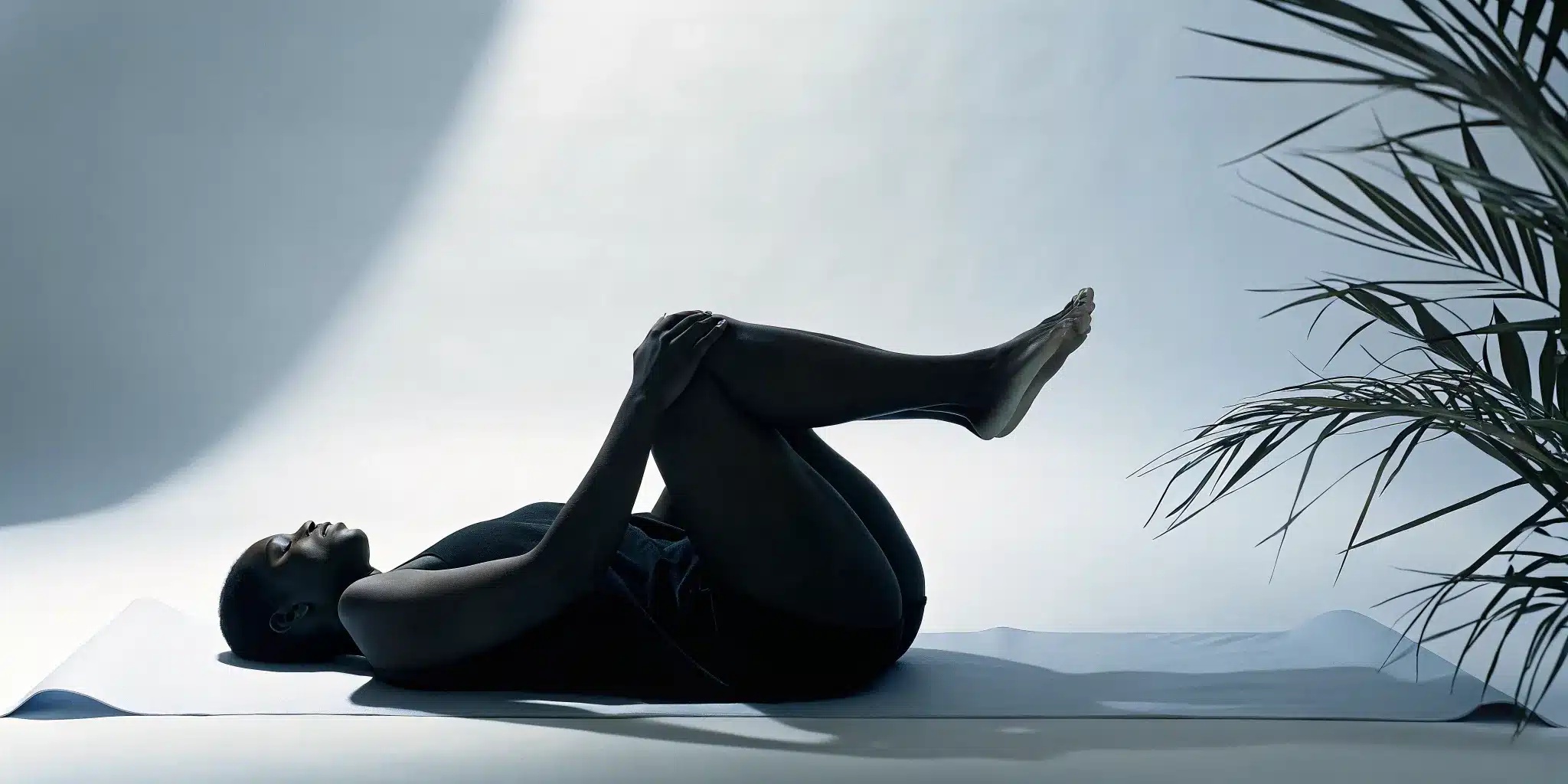
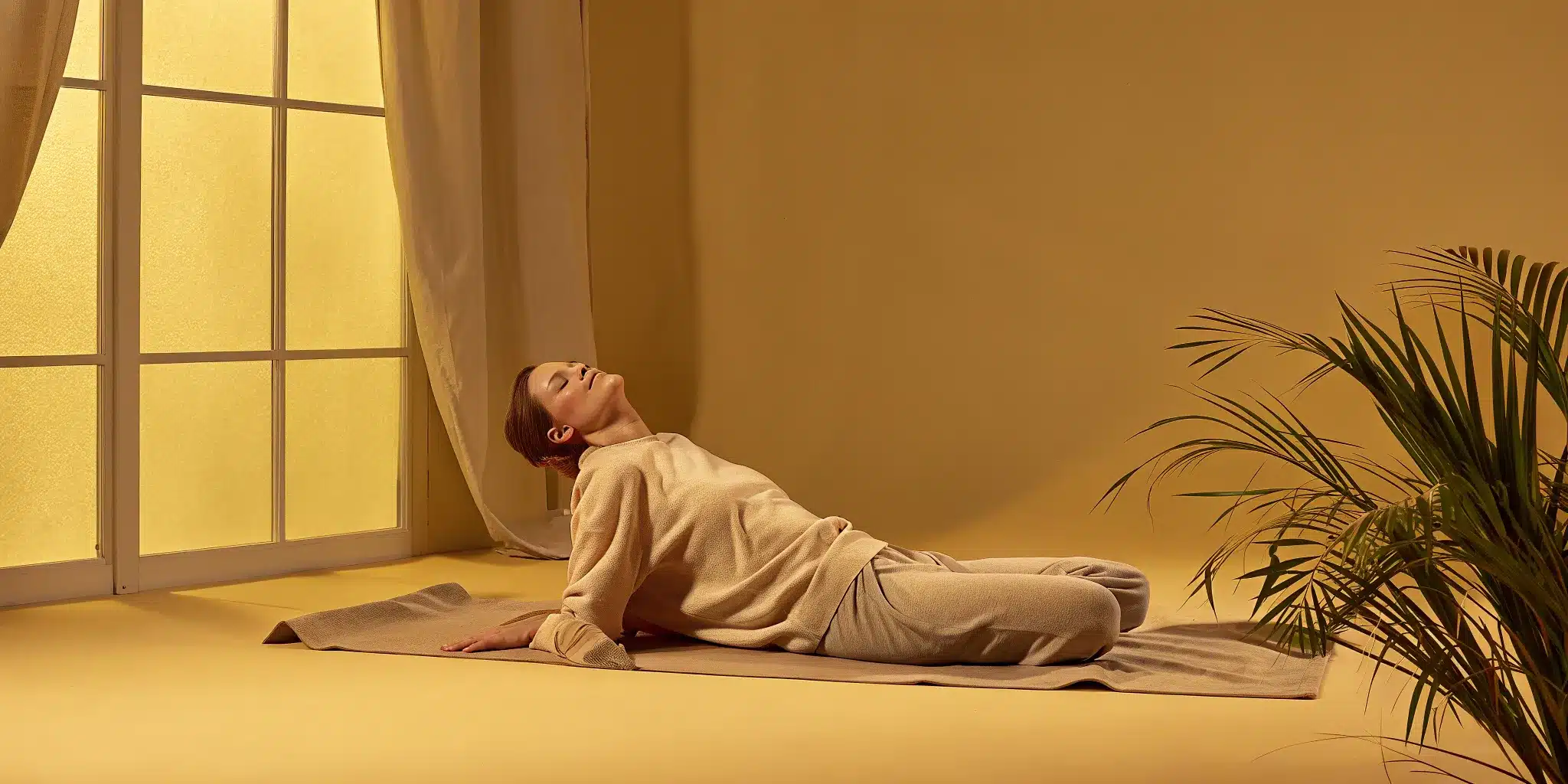
Stiffness often goes hand-in-hand with chronic pain, making even simple movements feel difficult. Incorporating daily stretches and mobility work can help. Always start with a gentle warm-up, like a few minutes of walking in place or slow arm circles, to get your blood flowing. This prepares your muscles and makes them more receptive to stretching. Focus on routines that increase flexibility and reduce that feeling of being “stuck.” Gentle neck rolls, shoulder shrugs, and hamstring stretches can all be done from a seated or standing position. This kind of movement helps maintain your range of motion and can provide significant relief over time.
Water aerobics and chair exercises
For days when your pain is high or your mobility is limited, water and chair exercises are fantastic options. The buoyancy of water supports your body, which reduces the impact on your joints while still providing gentle resistance to build strength. Water aerobics or even just walking in a pool can feel incredibly freeing. Similarly, chair exercises allow you to work on strength and flexibility from a stable, seated position. You can do everything from leg lifts to seated yoga poses. For those who need extra support, 1-on-1 assisted stretching can also help you achieve a deeper stretch safely, making it a great addition to your routine.
Walking and simple yoga poses
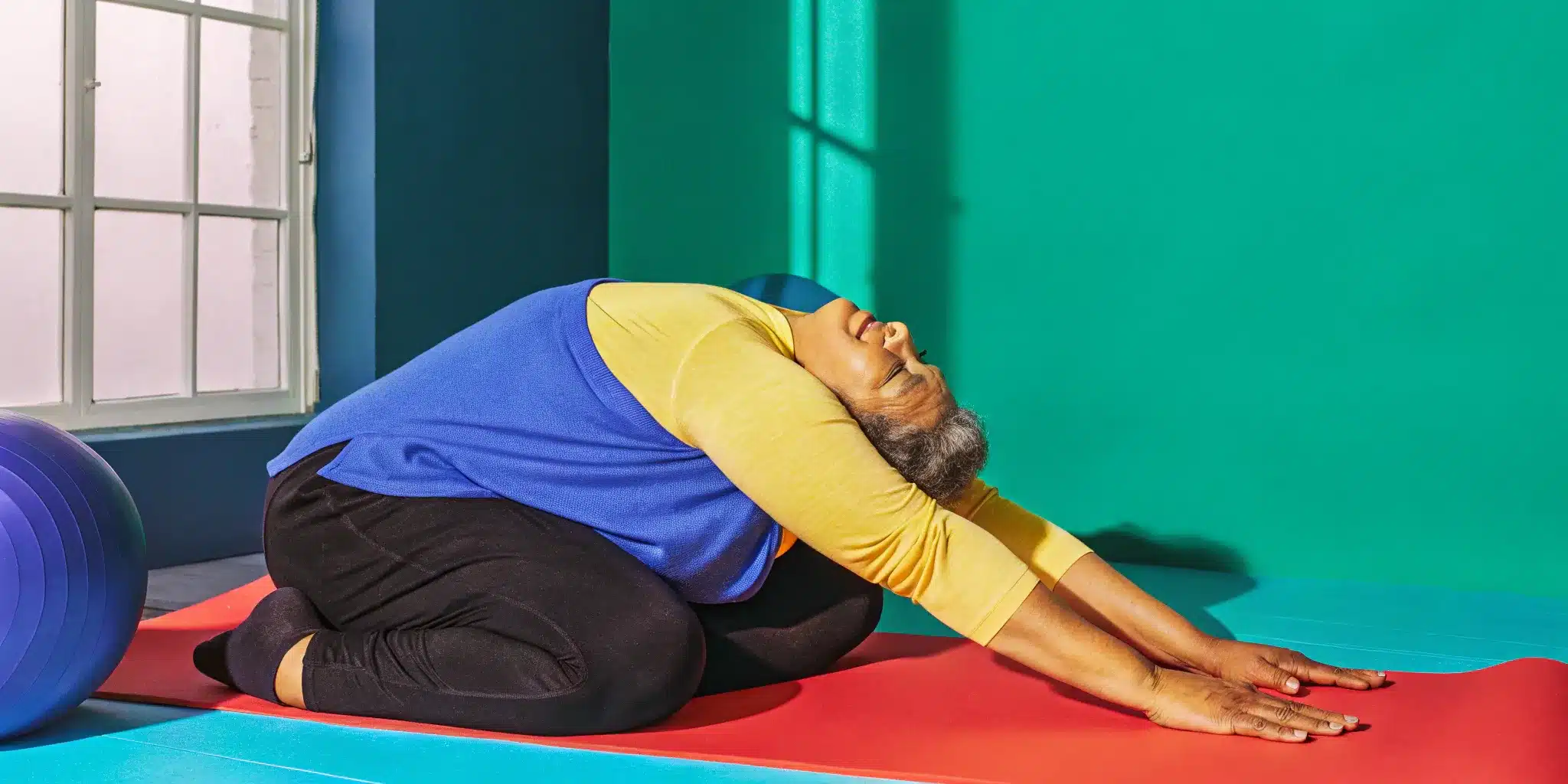
Never underestimate the power of a simple walk. It’s one of the safest and most effective ways to get your body moving, reduce pain, and improve your overall health. You don’t need to walk for miles; start with a five-minute stroll around your block and see how you feel. You can gradually increase the time as you feel more comfortable. Pairing a walk with a few simple yoga poses can also do wonders for your flexibility and state of mind. Poses like Cat-Cow or Child’s Pose are gentle on the body and can help release tension in your back and hips, promoting relaxation and easier movement.
Learn the Difference Between Good Pain and Bad Pain
If you live with chronic pain, the phrase “no pain, no gain” probably sounds less like motivation and more like a threat. The fear that exercise will make your pain worse is completely valid. But what if you could learn to tell the difference between the discomfort of getting stronger and the pain that signals an injury?
Understanding your body’s unique language is one of the most powerful skills you can develop. Not all pain is a red flag. Some sensations are signs of progress—your muscles adapting and your body healing. Other types of pain are clear stop signs. Learning to distinguish between them is the key to moving with confidence. It allows you to build strength and mobility safely, without triggering a flare-up or creating a new problem. This knowledge helps you build trust in your body again, turning movement from something you fear into a tool for feeling better.
Normal soreness vs. warning signs of injury
Have you ever felt a dull, achy tenderness in your muscles a day or two after trying a new activity? That’s called Delayed Onset Muscle Soreness, or DOMS, and it’s actually a good sign. It means your muscles have been challenged and are now repairing themselves to become stronger. This feeling is typically widespread across a muscle you worked, feels tender to the touch, and subsides within a few days.
Warning signs of an injury, on the other hand, feel very different. This is pain that’s often sharp, stabbing, or shooting. It tends to happen suddenly during a movement and might be concentrated in a specific spot or a joint, rather than a whole muscle group. This is your body’s alarm bell, and it’s crucial to listen.
What the timing and intensity of pain can tell you
Beyond the sensation itself, pay close attention to when and how the pain shows up. Pain that appears instantly while you’re in the middle of a stretch or exercise is a red flag. It’s a signal that a specific tissue might be stressed beyond its capacity. Similarly, pain that is intense, gets progressively worse as you continue, or lingers long after you’ve stopped moving is a sign to take a step back.
It’s also important to notice any new pain that feels different from your usual chronic pain baseline. You know your body best, and you know what your “normal” aches feel like. Any unfamiliar sensation or problem is worth investigating with a professional who can help you understand what’s going on.
When to stop and get help
Let’s make this as clear as possible: If you feel sharp, shooting, or joint-related pain, stop what you are doing. Immediately. Pushing through this kind of pain is how injuries happen, and it’s the fastest way to derail your progress and reinforce the fear that movement is unsafe. Rest the area, and if the pain persists or you notice swelling or a limited range of motion, it’s time to get help.
Don’t hesitate to consult a doctor or a physical therapist who understands chronic pain. Being proactive about addressing potential injuries is a sign of strength, not weakness. It shows you’re committed to your long-term well-being and are taking your health seriously.
Listen to your body’s signals
Ultimately, learning to move safely with chronic pain is about becoming an expert on your own body. It requires you to tune out the external pressure to go harder and faster and instead tune into your internal signals. Your body communicates with you constantly. The goal is to build a sustainable movement habit for the long haul, not to crush an intense workout today that leaves you in bed for a week.
Think of it as a conversation. A little muscle soreness is your body saying, “Okay, that was new, but I can handle it.” Sharp pain is your body shouting, “Stop!” Learning to listen to these signals is the key to making movement a healing and consistent part of your life.
Stay Consistent, Even on Bad Days
When you live with chronic pain, some days are just harder than others. The key to making progress isn’t pushing through the pain; it’s learning to adapt. Consistency doesn’t mean doing the same intense workout every day. It means showing up for your body in whatever way you can, even when you’re not feeling your best. Building this habit is about being flexible and kind to yourself. The goal is to find ways to keep moving over the long haul, which requires a strategy that works with your body, not against it. Let’s explore how you can stay active, even on the days when your pain is telling you to stop.
Start with five minutes and build from there
If the thought of a 30-minute workout feels impossible, don’t do it. Start with just five minutes of gentle movement. It could be a few simple stretches in your chair or a slow walk to the end of your driveway. The amount of time isn’t what’s important right now—it’s the act of starting. As author Natasha Lipman says, “It doesn’t matter how slowly you go. Being consistent is what helps you build lasting habits.” These small, manageable sessions build momentum and prove to yourself that you can move without causing a flare-up. Over time, those five-minute sessions might naturally become ten, then fifteen, as your body adapts and grows stronger.
Create a flexible schedule that works with your pain levels
A rigid exercise schedule is often the first thing to fall apart during a high-pain week. Instead of planning a specific activity for each day, try creating a more flexible menu of options. You might have a list of gentle, moderate, and slightly more active movements you can choose from depending on how you feel when you wake up. On a good day, maybe you go for a longer walk. On a bad day, maybe you do some seated stretches. The main goal is to find ways to move that feel safe and sustainable. This approach gives you control and helps you avoid the guilt that comes with missing a pre-planned workout, making it easier to stick with it.
Plan for setbacks and flare-ups
Setbacks and flare-ups are a normal part of living with chronic pain—they are not a sign of failure. Expecting them to happen allows you to plan for them. Have a “flare-up toolkit” ready with things that bring you comfort, like a heating pad, gentle stretches, or a favorite movie. It’s also important to know when to rest and when to seek professional help. If you experience new or different kinds of pain, it’s always best to check in with a specialist. Having a plan in place removes the panic and helps you manage the flare-up calmly, so you can get back to your movement routine when your body is ready.
Find fun activities that don’t feel like a workout
If you dread exercise, you’re not going to do it consistently. The secret is to find activities you genuinely enjoy. Think about what makes you feel good. Do you love music? Put on your favorite playlist and dance around the kitchen while you cook. Do you enjoy being outside? Try some light gardening or a slow walk through a park you love. The idea is to simply add more movement to your life, not to force yourself into a traditional workout routine. When you focus on fun, low-impact activities, movement becomes a source of joy and relief rather than another chore on your to-do list.
Set Realistic Goals You Can Actually Meet
When you live with chronic pain, the idea of setting fitness goals can feel like setting yourself up for failure. The all-or-nothing mindset so common in the fitness world just doesn’t work when your body has its own agenda. The key isn’t to push through the pain to hit an arbitrary target; it’s to redefine what success looks like and create a plan that honors your body’s limits. This means letting go of what you think exercise should be and embracing what it can be for you, right now.
Setting realistic goals is about building momentum, not breaking records. It’s about celebrating the small victories that lead to big changes over time. Instead of aiming for a complete transformation overnight, focus on creating a sustainable practice of movement that you can stick with, even on the tough days. This approach allows you to build confidence and trust in your body again, one gentle step at a time. It’s about progress, not perfection, and finding a rhythm that works for you and your unique experience with pain. By shifting your perspective, you turn movement from a source of anxiety into a tool for empowerment.
Break down big goals into small, manageable steps
If your ultimate goal is to walk for 30 minutes straight, but right now even five minutes feels like a marathon, don’t get discouraged. Break it down. Your goal for this week could simply be to put on your shoes and walk to the end of the block. That’s it. Once you’ve done that consistently, you can aim for two blocks. These small, achievable goals are the building blocks of confidence. Each time you meet one, you remind yourself that your body is strong and capable. This method replaces the pressure of a huge, intimidating goal with a series of small, satisfying wins that keep you moving forward.
Track progress in ways that matter to you
Forget about tracking miles, reps, or calories burned if those metrics don’t serve you. Your progress is personal, and it should be measured by what improves your quality of life. Instead of focusing on how hard a workout is, you can focus on feeling in control of your body and your pain. Maybe progress for you is being able to carry your groceries from the car in one trip. Perhaps it’s sitting through a movie without stiffness or having the energy to play with your kids for ten minutes. Keep a journal of these “real-life” wins. They are powerful reminders that your efforts are making a meaningful difference where it counts most.
Adjust your expectations on high-pain days
Chronic pain is unpredictable, and there will be days when movement feels impossible. On those days, it’s crucial to be flexible and compassionate with yourself. Let go of the idea of a traditional “workout” and instead focus on simply adding gentle movement to your life in whatever small way you can. This could mean doing a few gentle stretches in bed or simply walking from the couch to the kitchen during a commercial break. The goal is to maintain the habit of movement, not to hit a certain intensity. Listening to your body also means recognizing when pain is different or worse than usual and knowing when it’s time to seek professional support.
Get Expert Support for Safe Movement
Starting an exercise routine when you’re in pain can feel like trying to navigate a minefield blindfolded. You’re not sure which movements are safe, how far to push yourself, or if you’re accidentally making things worse. The good news is, you don’t have to figure it all out on your own. Working with a professional who understands the body and the complexities of chronic pain can completely change the game.
Think of an expert as your personal movement guide. They can help you identify the root causes of your pain, whether it’s from muscle imbalances, poor posture, or old injuries. A trained eye can spot movement patterns you’d never notice on your own and provide tailored solutions to address them. This partnership removes the guesswork and fear, giving you the confidence to move your body in ways that feel good and promote healing. It’s an investment in your long-term well-being that provides a clear, safe path forward, so you can focus on getting stronger instead of worrying about getting hurt.
The benefits of assisted stretching and professional guidance
If you’ve ever felt like you’ve hit a wall with your flexibility or that stretching on your own just doesn’t provide lasting relief, you’re not alone. This is where professional guidance can make a huge difference. When you work with a specialist, you can experience 1-on-1 assisted stretching, which often provides a deeper level of flexibility and relief than you can achieve by yourself. A trained stretch therapist knows exactly how to isolate specific muscles and gently guide your body into a stretch that is both effective and safe. They ensure you don’t push past your limits, helping you release tension without risking injury.
Find a qualified specialist who understands chronic pain
Finding the right professional is key. You need someone who does more than just lead a workout; you need a specialist who truly understands chronic pain. Tightness around a joint or muscle imbalances from improper movement patterns are often major contributors to pain, and a qualified expert can pinpoint these issues. When looking for help, seek out someone who listens to your history, asks about your goals, and is experienced in working with clients who have similar conditions. They should be your partner in health, helping you build a foundation for safe and effective movement.
Create a personalized movement plan with an expert
The best support doesn’t come in a one-size-fits-all package. A true expert will work with you to create a personalized movement plan tailored to your specific needs. At StretchMed, our Stretch Therapists design customized sessions based on your body and your goals. Using a combination of advanced techniques like PNF (Proprioceptive Neuromuscular Facilitation) and static stretching, they help you make real progress. This collaborative approach ensures that your plan is realistic and sustainable, empowering you with the tools and confidence to keep moving well, even on days when your pain flares up.
Related Articles
- How to Improve Mobility After 60: A Complete Guide – STRETCHMED
- Mobility Exercises for Beginners: A Simple Guide – STRETCHMED
- Contraindications of Stretching: A Safety Guide – STRETCHMED
Frequently Asked Questions
What if even gentle movement makes my pain worse? This is a common and completely valid fear. If even the gentlest activities cause a flare-up, it’s a sign to scale back even further and possibly seek some guidance. The goal isn’t to push through pain, but to find a baseline of movement your body feels safe with. This might mean starting with just a few simple stretches while seated or focusing on deep breathing to calm your nervous system. It could also be a signal that a specific muscle imbalance or joint issue needs professional attention before you can move forward comfortably.
How can I really tell the difference between normal muscle soreness and a real injury? Think of it this way: normal soreness feels like a dull, widespread ache in a muscle you’ve worked, and it usually shows up a day or two later. It’s a sign of your muscles getting stronger. Injury-related pain, however, is often sharp, shooting, or stabbing. It tends to happen suddenly during a movement and is usually located in a specific spot or joint. Sharp pain is your body’s non-negotiable stop sign, while general soreness is more of a progress report.
On a really bad pain day, is it better to rest completely or try to do something? On high-pain days, the goal shifts from “exercising” to simply “moving.” Complete rest can sometimes increase stiffness, so if you can, try incorporating very gentle movements. This could be as simple as doing a few ankle circles while you’re on the couch or some slow neck rolls while sitting in a chair. The idea is to maintain the habit of movement without demanding anything from your body. Always listen to your body first; if it’s screaming for rest, then rest is the most productive thing you can do.
I feel overwhelmed. What’s the single best first step to take? The best first step is the smallest one you can imagine. Forget about a full routine and just pick one thing. Commit to a five-minute walk around your block, or decide to do three simple stretches during the next commercial break on TV. The goal isn’t to transform your fitness overnight; it’s to prove to yourself that you can start. Accomplishing that one small thing builds the confidence you need to take the next step tomorrow.
Why would I need professional help like assisted stretching if I can just stretch at home? Stretching on your own is great, but working with a professional offers a different level of benefit. A trained expert can see things about your movement patterns and muscle imbalances that you can’t. They can help you safely achieve a deeper and more effective stretch by isolating the right muscles, ensuring you don’t accidentally strain something else. This guidance removes the guesswork and fear, helping you make more significant progress without the risk of injury.