How you feel when you wake up has a lot to do with how you went to bed. If you often start your day feeling stiff, groggy, and sore, your body might be holding onto tension all night long. A few minutes of gentle stretching before you get under the covers can completely change your morning experience. By releasing tight muscles in your back, hips, and shoulders, you prevent that stiffness from settling in overnight. This simple practice improves circulation and allows your body to fully enter its repair cycle. The benefits of stretching before bed are an investment in your next day, helping you wake up feeling more refreshed, mobile, and ready to move with ease.
Key Takeaways
- Stretching is a physical cue for mental calm: By releasing the day’s tension from your muscles, you actively signal to your brain that it’s safe to unwind, which helps lower stress and makes it easier to fall asleep.
- A little goes a long way: Committing to just 5-10 minutes of gentle stretching each night is more beneficial for relieving chronic pain and improving mobility than sporadic, intense sessions. The key is building a simple, repeatable habit.
- Focus on release, not force: A beneficial stretch should feel like a gentle pull, never a sharp pain. Pair your movements with slow, deep breaths to prevent injury and maximize the relaxing benefits for both your body and mind.
How a Bedtime Stretch Benefits Your Body
Think about everything your body does for you during the day. Whether you’re sitting at a desk, running errands, or chasing after kids, your muscles are constantly working. All that activity, combined with daily stress, can leave your body feeling tight, stiff, and sore by the time your head hits the pillow. A gentle bedtime stretching routine is a simple yet powerful way to counteract that daily strain.
By taking just a few minutes to stretch before sleep, you’re sending a clear signal to your body that it’s time to wind down and begin its nightly repair process. This simple habit does more than just feel good in the moment; it sets the stage for a more comfortable and restorative night’s sleep. From easing chronic aches to improving your overall mobility, a consistent nightly stretch can make a world of difference in how you feel, both when you go to bed and when you wake up.
Relieve Muscle Tension and Reduce Pain
If you often find yourself struggling to get comfortable at night because of a nagging ache in your back or shoulders, you’re not alone. Throughout the day, our muscles can become tight and contracted, leading to discomfort and pain. A gentle stretching session before bed helps release that accumulated tension. By mindfully lengthening your muscles, you can alleviate muscle and joint pain, especially in common trouble spots like the lower back and neck. This process helps correct minor muscle imbalances and loosens up knots, allowing you to lie down without that familiar feeling of stiffness. The result is a more comfortable body that’s ready for deep, uninterrupted rest.
Improve Flexibility and Range of Motion
Flexibility isn’t about being able to do the splits; it’s about moving through your daily life with ease and without restriction. Over time, a lack of movement can cause our muscles and connective tissues to shorten, limiting our range of motion. Incorporating a few simple stretches into your nightly routine can help maintain and even improve your flexibility. This keeps your joints healthy and your muscles pliable, making everyday activities like bending down to tie your shoes or reaching for something on a high shelf feel easier. As you ease muscle tension before bed, you’ll likely find you wake up feeling more refreshed and less stiff in the morning.
Enhance Blood Circulation
While you sleep, your body is hard at work repairing itself. Gentle stretching before bed can support this natural process by improving blood flow. As you stretch, you encourage better circulation, which helps deliver oxygen and vital nutrients to your muscles. Think of it as giving your body’s overnight repair crew the resources it needs to get the job done effectively. This enhanced circulation not only aids in muscle recovery but also helps flush out metabolic waste products that can build up during the day. Better blood flow is a key component that can greatly improve your sleep and how well your body rejuvenates overnight.
Prevent Nighttime Cramps
There’s nothing worse than being jolted awake by a sudden, sharp muscle cramp in your leg or foot. These painful spasms often happen when muscles are tight or fatigued. Stretching before bed is a fantastic way to prevent them from happening in the first place. By gently lengthening the muscles that are prone to cramping, like your calves and hamstrings, you help them relax and release stored tension. This simple act can significantly reduce the likelihood of being woken up by pain. In fact, research shows that incorporating gentle movements into your routine is linked to better sleep quality, partly because it helps keep these disruptive cramps at bay.
Sleep Better With a Nightly Stretch
If you’ve ever spent a night tossing and turning, you know how frustrating it is to be tired but unable to sleep. Your mind might be racing, or your body just can’t get comfortable. A simple stretching routine before bed can be a game-changer. It’s a quiet, gentle way to signal to your body and mind that the day is over and it’s time to rest. By releasing physical tension, you create space for mental calm, paving the way for a night of deep, restorative sleep.
Fall Asleep Faster Through Relaxation
It’s hard to drift off when your muscles are still holding onto the day’s stress. That tightness in your shoulders or ache in your lower back can keep your nervous system on high alert. A few minutes of gentle stretching helps your muscles let go, sending a powerful relaxation signal to your brain. This simple practice is a natural way to improve sleep without any special equipment. As you breathe through each stretch, you actively release tension, making it easier to find a comfortable position and fall asleep more quickly.
Enjoy Deeper, More Restorative Sleep
Getting to sleep is only half the battle; staying asleep and getting high-quality rest is what truly matters. When your body is free from tension, it can enter deeper, more restorative sleep cycles more easily. Stretching before bed is a proven way to get more restful sleep because it allows your body to focus on repair and recovery instead of fighting discomfort. This means you’re more likely to wake up feeling genuinely refreshed and energized, rather than groggy and stiff.
Reduce Sleep Disruptions from Discomfort
Aches and pains are notorious for interrupting sleep. A twinge in your back or a leg cramp can jolt you awake, breaking your sleep cycle and making it hard to fall back asleep. Gentle, targeted stretches can alleviate muscle and joint pain, especially in common trouble spots like the back, neck, and hips. By loosening tight muscles before you get under the covers, you reduce the chances that pain will wake you up in the middle of the night. This leads to longer periods of uninterrupted sleep and a more comfortable night overall.
Calm Your Mind: The Mental Benefits of Stretching
A good stretch does more than just loosen up tight muscles; it’s a powerful way to quiet a busy mind. Think about how stress shows up in your body—as clenched jaws, tight shoulders, or a knotted stomach. Our mental and physical states are deeply connected. When you take a few minutes to stretch, you’re not just releasing physical tension; you’re giving your mind a chance to let go, too.
This simple practice can be a form of moving meditation, helping you transition from the hustle of your day to a state of calm and rest. By focusing on your body and breath, you create a space to process thoughts and release the mental clutter that can keep you up at night. It’s an accessible way to signal to your entire system that it’s safe to unwind, relax, and prepare for restorative sleep.
Lower Stress and Manage Cortisol
When you’re dealing with daily pressures, your body produces more of the stress hormone cortisol. While helpful in short bursts, consistently high levels can leave you feeling anxious and interfere with your sleep. A consistent stretching routine, especially before bed, can help your body regulate its stress response. One study even found that people who stretched before bed had lower cortisol levels compared to those who did other forms of gentle exercise. By physically releasing the tension where you hold stress, like in your neck and shoulders, you send a message to your brain to dial down the alarm bells and ease into a more relaxed state.
Practice Mindfulness and Stay Present
Does your mind start racing the moment your head hits the pillow? Stretching can be an incredible tool for bringing your attention back to the present moment. It helps you focus on your body and breath, which naturally takes your mind off the day’s worries. This practice is a form of mindfulness, and it’s a proven way to calm an anxious mind. As you hold a stretch, you tune into the physical sensations—the gentle pull in your hamstrings or the release in your lower back. This gives your brain a calm anchor, preventing it from getting caught in loops of replaying conversations or building tomorrow’s to-do list.
Ease Anxiety with Focused Breathing
The simple act of breathing deeply is one of the fastest ways to calm your nervous system. When you pair gentle movement with focused breathing, the effect is even more profound. Slow, deep breaths help activate your body’s “rest and digest” response, also known as the parasympathetic nervous system. This is the opposite of the “fight or flight” mode that anxiety kicks you into. As you move into a stretch, try inhaling as you lengthen your spine and exhaling as you deepen the pose. This rhythm soothes your nervous system and helps melt away feelings of anxiety, making it easier to drift off to sleep peacefully.
The 5 Best Stretches for a Good Night’s Sleep
Ready to wind down? These five simple stretches are perfect for easing your body into a state of rest. They don’t require any special equipment and can be done right in your bedroom. The goal here isn’t to push your limits but to gently release the tension that’s built up throughout the day. By focusing on slow, mindful movements and deep breathing, you can calm your nervous system and signal to your body that it’s time for sleep. Think of this as a quiet conversation with your muscles, letting them know they can finally relax.
Child’s Pose for Back and Shoulder Relief
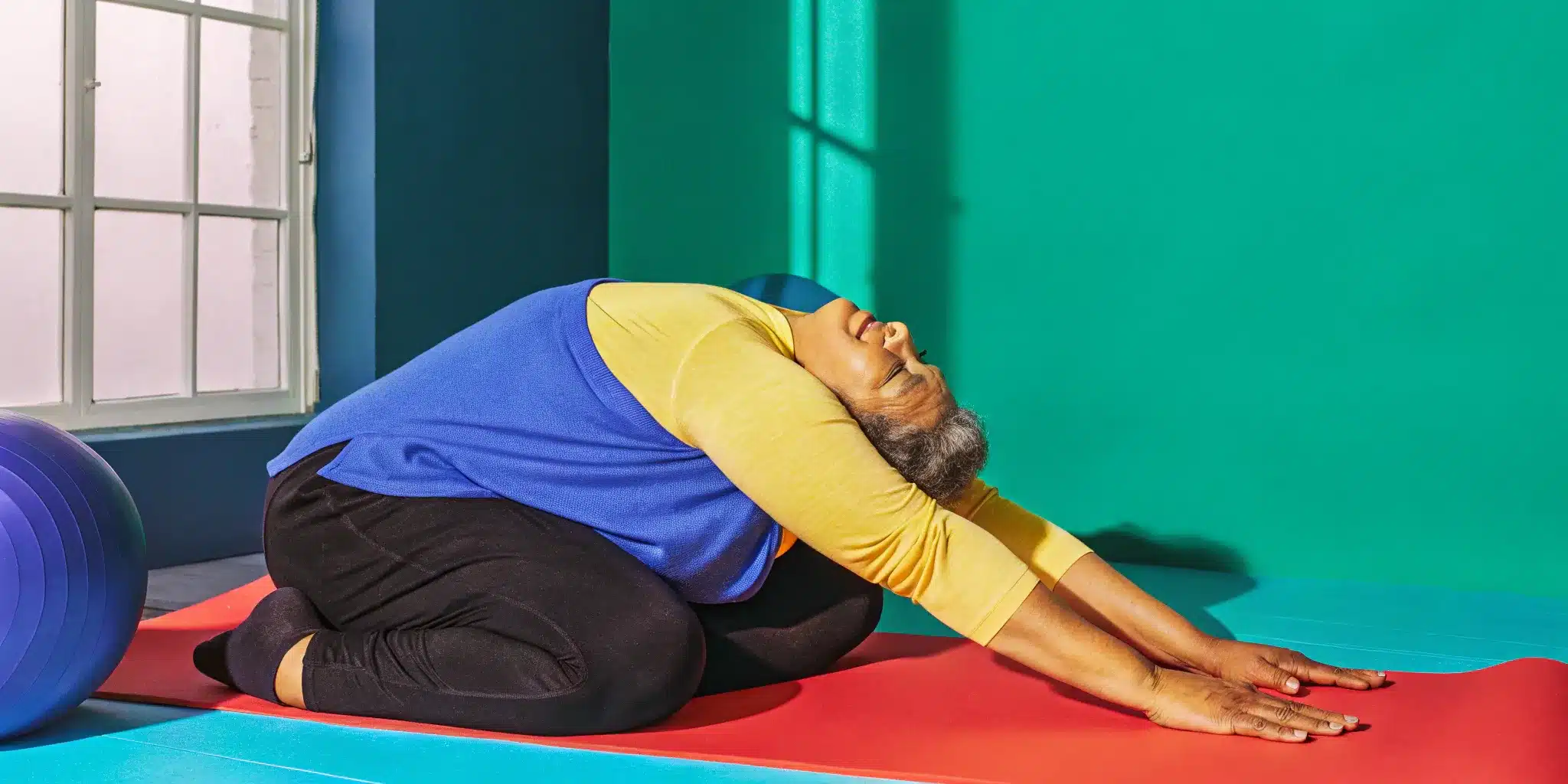
If your lower back and shoulders are carrying the stress of your day, Child’s Pose is your new best friend. This gentle, restorative pose helps relieve tension in your back while also stretching your glutes and upper body.
Start on your hands and knees. Sit back so your glutes rest on your heels, then fold forward, extending your arms in front of you or resting them alongside your body. Let your forehead rest on the floor or a pillow. Breathe deeply into your back, feeling your muscles soften with each exhale. Hold this pose for 30 seconds to a few minutes, focusing on letting go.
Gentle Neck Stretches to Release Tension
We hold so much tension in our necks and shoulders, often without even realizing it. A few gentle neck stretches can make a world of difference before you lie down. These simple movements help release tightness in your head, neck, and shoulders, easing you into a more relaxed state.
Sitting comfortably, slowly tilt your right ear toward your right shoulder until you feel a light stretch. Hold for five deep breaths, then repeat on the left side. Next, gently lower your chin to your chest and hold for another five breaths. Remember to move slowly and avoid any sharp or painful movements.
Seated Forward Bend for a Flexible Spine
A Seated Forward Bend is a fantastic way to loosen up your entire backside, from your spine and shoulders all the way down to your hamstrings. This stretch calms the nervous system and can help quiet a busy mind.
Sit on the floor with your legs extended in front of you. If your hamstrings are tight, feel free to bend your knees slightly. Inhale to lengthen your spine, and as you exhale, gently fold forward from your hips. Let your hands rest wherever they comfortably land—on your shins, ankles, or feet. Hold for up to five minutes, breathing into any areas of tightness.
Figure 4 Stretch to Open Your Hips
If you spend a lot of your day sitting, your hips are probably begging for a good stretch. The Figure 4 stretch is perfect for targeting tight hips and glutes, which can contribute to lower back pain.
Lie on your back with your knees bent and feet flat on the floor. Cross your right ankle over your left knee, keeping your right foot flexed. If this is enough of a stretch, stay here. To go deeper, lift your left foot off the floor and gently pull your left thigh toward your chest. You should feel a nice stretch in your right hip. Hold for 30 seconds, then switch sides.
Legs-Up-the-Wall Pose for Better Circulation
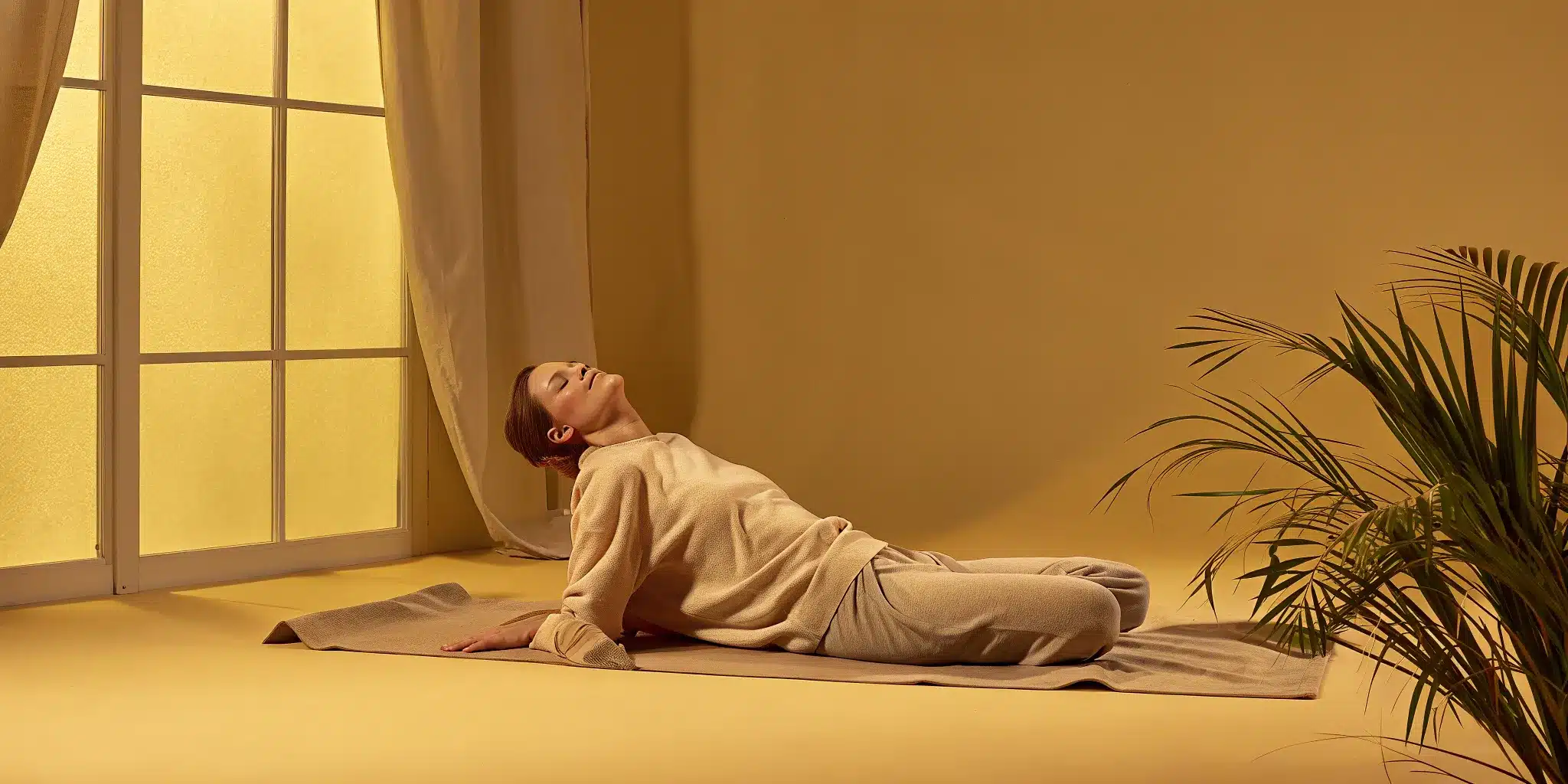
This is the ultimate relaxation pose. Legs-Up-the-Wall is a restorative inversion that helps reduce tension in your back, shoulders, and neck while promoting relaxation. It’s a wonderfully passive way to end your day.
Sit on the floor with one hip against a wall. Gently swing your legs up the wall as you lie back, so your body forms an “L” shape. Your sitting bones should be as close to the wall as is comfortable. Let your arms rest by your sides with your palms facing up. Close your eyes and focus on your breath, allowing gravity to do the work. Stay here for 5 to 15 minutes to fully reap the calming benefits.
Create Your Perfect Bedtime Stretching Routine
A few simple stretches can make a world of difference, but turning them into a consistent ritual is the real secret. Creating a routine that you look forward to is easier than you think. It’s all about setting the right scene and listening to your body. Let’s walk through how to build a simple, effective stretching practice that will have you drifting off to sleep in no time.
Set Up a Calming Space
Your environment plays a huge role in how well you can relax. You don’t need a dedicated home gym—a quiet corner of your bedroom works perfectly. Dim the lights, turn off the TV, and put your phone on silent to minimize distractions. If it helps you unwind, play some soft, instrumental music or turn on a white noise machine. The goal is to create a peaceful atmosphere that signals to your brain it’s time to slow down. A comfortable surface is also key, so grab a yoga mat or find a soft rug. This simple setup helps you release tension from the day and mentally prepare for rest.
Find the Right Timing and Duration
Consistency is more important than intensity. You don’t need a long, complicated routine to see benefits. In fact, a simple stretching session should only take about 10 minutes. The key is finding a time that works for you and sticking with it. Aim to stretch about 30 minutes to an hour before you plan to go to sleep. This gives your body enough time to relax without you feeling rushed or too tired to even start. If you wait until you’re already yawning and ready to climb into bed, you’re more likely to skip it. Think of it as a non-negotiable part of your wind-down process, just like brushing your teeth.
Sequence Your Stretches for a Natural Flow
The order of your stretches matters. A smooth, logical sequence helps your body ease into a state of relaxation without any jarring transitions. Start with gentle movements and gradually work your way into deeper stretches. You might begin with some simple neck rolls while seated, then move to shoulder and upper back stretches, and finish with poses that open your hips and hamstrings on the floor. This progression allows your muscles to warm up and release gradually. Focusing on your body’s movements also brings a sense of mindfulness, which helps quiet the racing thoughts that can keep you awake at night.
Incorporate Deep Breathing Techniques
Your breath is one of the most powerful tools for relaxation. As you stretch, focus on taking slow, deliberate breaths. A great practice is to inhale deeply through your nose as you ease into a stretch, and then exhale slowly through your mouth as you sink a little deeper. This technique does more than just keep you from holding your breath; it helps activate your body’s ‘rest and digest’ nervous system, signaling that it’s safe to relax. Conscious breathing calms your mind, lowers your heart rate, and allows your muscles to release more fully, making your entire routine more effective.
How Stretching Prepares Your Body for Sleep
Have you ever laid down to sleep, only to find your body is still buzzing with the day’s energy? A gentle stretching routine does more than just loosen tight muscles; it sends a clear signal to your entire system that it’s time to wind down. Think of it as a transition period that helps your body move gracefully from the demands of the day to the quiet of the night, setting the stage for deeper, more restorative rest.
Activate Your Body’s Relaxation Response
Modern life, with its constant screen time and stress, can keep your nervous system in a high-alert “daytime mode.” Gentle stretching before bed acts like a dimmer switch, gradually easing your body into a state of calm. This simple practice encourages you to focus on your body and breath, which helps quiet the mental chatter and daily worries that can keep you awake. By intentionally slowing down and connecting with your physical self, you activate your body’s natural relaxation response, making it much easier to drift off to sleep peacefully.
Regulate Body Temperature for Better Sleep
Stretching initiates key physical changes that prepare you for rest. It helps your nervous system transition smoothly from an active, sympathetic state to a restful, parasympathetic one. This prevents the jarring feeling of going from 100 to 0 when you get into bed. Gentle movement also improves blood flow, delivering fresh oxygen and nutrients to your muscles for overnight repair. This process helps release tightness in your muscles from the day, making you feel more comfortable and less prone to cramps or stiffness that might otherwise wake you up.
When to Stretch with Caution
While a gentle bedtime stretch can feel like a gift to your body, it’s important to remember that stretching isn’t always the answer. Pushing through certain types of pain or ignoring underlying health issues can do more harm than good. The key is to approach your routine with awareness and listen carefully to the signals your body sends. Think of it as a conversation—some days your body is ready for a deep chat, and other days it needs a little more quiet and space.
Knowing when to pull back is just as important as knowing when to lean in. If you’re dealing with a specific medical condition, a recent injury, or feel sharp pain during a movement, it’s time to pause. Forcing a stretch on an inflamed joint or a torn muscle can delay healing and worsen the problem. Instead of trying to fix an issue on your own, it’s always best to seek professional guidance. Understanding the difference between a productive stretch and a painful strain will help you build a safe, effective, and truly restorative routine that supports your long-term well-being.
Medical Conditions That Require Guidance
Before starting any new stretching routine, especially if you live with a chronic condition, it’s a great idea to check in with your doctor or physical therapist. They can help you understand any movements you should modify or avoid. Conditions like osteoporosis, herniated discs, or severe arthritis require a careful approach. The same goes for recent injuries, surgeries, or areas with active inflammation. Stretching isn’t a cure-all, and applying pressure to an already vulnerable area can interfere with your body’s natural healing process. Getting personalized advice ensures your stretching practice helps you, rather than hurts you.
Signs You Need to Modify Your Stretches
Your body is incredibly smart, and it’s crucial to listen when it speaks up. A good stretch should feel like a gentle, releasing pull—never a sharp, shooting, or stabbing pain. If you feel any acute discomfort while moving into a pose, that’s your body’s signal to stop immediately. Pushing through that kind of pain can lead to strains or other injuries. It’s also important not to stretch a fresh injury like a sprain or a muscle tear on your own. Instead of forcing it, gently back off or try a different, more comfortable position. The goal is to relieve tension, not create it.
Common Stretching Mistakes to Avoid
To get the most out of your new routine, it helps to know what not to do. A few simple adjustments can make the difference between a stretch that helps you unwind and one that accidentally keeps you awake or causes discomfort.
Don’t Overstretch or Push Too Hard
Your pre-sleep stretch session isn’t the time to push for a new personal best in flexibility. The goal here is relaxation, not a strenuous workout. Think gentle, calming movements that soothe your muscles. Pushing too far can have the opposite effect, making it harder for your body to settle down.
The most important rule is to listen to your body. A good stretch should create a feeling of mild tension, but it should never be painful. If you feel a sharp or stabbing sensation, ease up immediately. Forcing a stretch can lead to injury and will only add stress to your body when you’re trying to wind down for the night.
Avoid Poor Timing and Distractions
When you stretch is just as important as how you stretch. Try to begin your routine about 30 to 60 minutes before you plan to turn out the lights. If you wait until you’re already exhausted, you’re more likely to skip it altogether. Giving yourself this buffer allows your body time to fully relax and transition into a state of rest.
Create a peaceful environment to support this transition. This means putting your phone away and turning off the TV. The blue light from screens can interfere with your body’s production of melatonin, the hormone that signals it’s time to sleep. Instead, play some soft music or simply enjoy the quiet as you focus on your breathing and movement.
Make Your Bedtime Stretch a Habit
Turning a new activity into a reflex takes time, but the key is to make it so easy that you can’t say no. When you’re consistent, you’ll start to see real changes in how you feel each morning and how well you sleep each night. It’s not about achieving the perfect pretzel pose on day one; it’s about showing up for your body for a few minutes every evening. The goal is to make stretching as automatic as brushing your teeth. Here’s how to build a routine that sticks.
Start Small to Build Consistency
You don’t need to commit to a long, complicated routine to see results. In fact, starting small is one of the best ways to build a new habit. A simple stretching session before bed can take as little as five to 10 minutes. This makes it much easier to fit into your evening, right between brushing your teeth and climbing into bed. Think of it as a gentle thank you to your body. Even on a relatively quiet day, your muscles work hard just sitting, standing, and walking. A few minutes of stretching helps them release that accumulated tension, signaling that it’s time to relax and recover.
Track Your Progress and Adjust Your Routine
Consistency is far more important than intensity. Stretching gently every night will do more for your flexibility and pain relief than one intense session a week. To help yourself stick with it, try to stretch at the same time each evening. This creates a powerful cue for your brain and body that sleep is on the way, reinforcing your natural bedtime routine. Pay attention to how you feel over time. Are you waking up with less stiffness? Is that nagging ache in your lower back starting to fade? Noticing these small improvements is a great motivator. As you get more comfortable, you can gradually add new stretches or hold them a bit longer, tailoring the routine to what your body needs most.
Related Articles
- Best Time to Stretch: Morning or Night?
- Stretch 3 Times a Day? Benefits & Safety Guide
- How to Improve Flexibility: Simple, Effective Steps
Frequently Asked Questions
How long should my bedtime stretching routine actually be? You don’t need to set aside a huge chunk of time. Consistency is far more important than duration. A simple, focused routine of just 5 to 10 minutes every night can make a significant difference. The goal is to gently release tension and signal to your body that it’s time to rest, not to complete a full workout.
What’s the difference between a “good” stretch feeling and actual pain? This is a great question because listening to your body is key. A beneficial stretch feels like a gentle, releasing pull in the muscle you’re targeting. You should be able to breathe comfortably through it. Pain, on the other hand, is a warning sign. It often feels sharp, stabbing, or electric. If you feel that kind of sensation, you’ve pushed too far and should immediately and gently back off.
Can I just do these stretches in my bed? Absolutely! Many gentle stretches can be adapted for your bed, which can make the routine feel even more accessible. Poses like the Figure 4 stretch, gentle neck tilts, and spinal twists work wonderfully on a mattress. For stretches that require a bit more stability, like a Seated Forward Bend or Child’s Pose, you might find a firm surface like the floor is more effective.
I’m worried stretching will wake me up instead of calming me down. Is that possible? It’s a common concern, but the type of stretching we’re talking about here is designed specifically for relaxation. Unlike an intense, energizing workout, a pre-sleep routine uses slow, mindful movements paired with deep breathing. This combination helps activate your body’s “rest and digest” nervous system, which lowers your heart rate and quiets your mind, preparing you for sleep rather than revving you up.
How quickly can I expect to feel a difference in my sleep or daily stiffness? Some benefits, like feeling more relaxed and mentally calm, can happen right after your very first session. Other changes, such as waking up with less stiffness or noticing an improvement in chronic aches, build over time with consistent practice. Stick with it for a couple of weeks, and you’ll likely start to notice a real shift in how your body feels both at night and in the morning.