The tension you feel in your neck and shoulders is your body’s way of keeping score. It holds onto the stress from a tough workday, the strain from poor posture, and the fatigue from repetitive movements. Simply ignoring it or hoping it will go away on its own rarely works. To find real relief, you need a proactive approach. This guide provides a clear, step-by-step plan for how to relieve neck and shoulder muscle tightness by addressing its underlying causes. We’ll cover everything from ergonomic setups and strengthening exercises to stress management techniques that help your body finally let go.
Key Takeaways
- Address the Cause for Immediate Relief: Pinpoint the daily habits causing your pain, like poor posture and stress. Use targeted stretches and simple home remedies like heat therapy or self-massage to release tension when you feel it building.
- Build Strength for Lasting Support: Understand that stretching alone isn’t a permanent fix. Prevent tightness from returning by strengthening the weak muscles in your upper back and neck and creating an ergonomic workspace that supports good posture.
- Create a Holistic Routine and Know When to Get Help: Lasting comfort comes from consistent habits like managing stress, optimizing your sleep position, and staying hydrated. If pain persists, don’t hesitate to seek professional guidance to address the root of the problem.
Why Are My Neck and Shoulders So Tight?
If you’re constantly trying to massage a knot out of your shoulder or roll your neck to find relief, you’re not alone. That persistent tightness is one of the most common complaints I hear, and it rarely comes from a single cause. Instead, it’s usually a combination of our daily habits stacking up over time. From the way we sit at our desks to how we handle stress, our bodies are keeping score. Let’s look at some of the biggest reasons why your neck and shoulders might be feeling so tense.
Poor Posture and Desk Work
Think about how many hours you spend sitting at a desk or looking down at your phone. This forward-hunching position, often called “tech neck,” puts a tremendous amount of strain on the muscles in your neck and upper back. Your head is heavy, and when it drifts forward, your muscles have to work overtime just to hold it up. Over time, this leads to fatigue, stiffness, and pain. Simple ergonomic adjustments can make a world of difference. Try raising your computer screen to eye level and adjusting your chair so your knees are slightly lower than your hips. These small changes can help realign your spine and give those overworked muscles a much-needed break.
The Role of Stress and Tension
Have you ever noticed that your shoulders creep up toward your ears when you’re stressed? That’s not just in your head. When you feel anxious or overwhelmed, your body kicks into a “fight-or-flight” response, causing your muscles to contract and tighten. This is a protective instinct, but when stress is chronic, those muscles never get the signal to relax. Your neck and shoulders are notorious for holding onto this tension, leading to persistent aches and stiffness. Finding ways to manage stress, whether through deep breathing, a walk outside, or gentle movement, is key to helping your body let go of that physical burden.
How You Sleep Matters
A full night’s sleep is supposed to be restorative, but if you wake up with a stiff neck, your sleeping position might be the culprit. Sleeping on your stomach forces you to twist your head to one side for hours, which can strain your neck muscles and ligaments. The wrong pillow can also be a problem, either by propping your head up too high or letting it sink too low. For better alignment, try sleeping on your back or side. Using a supportive pillow that keeps your head in line with your body can prevent you from starting your day with unnecessary pain and stiffness.
Repetitive Motions and Improper Lifting
It’s not just major injuries that cause pain; it’s the small, repetitive movements we do every day. Constantly carrying a heavy bag on one shoulder, cradling a phone between your ear and shoulder, or even lifting groceries the wrong way can create imbalances and strain. These seemingly minor actions add up, forcing certain muscles to overcompensate for others. Even life changes like pregnancy can alter your center of gravity, making everyday movements more challenging and leading to new aches. Being mindful of your movements and practicing proper lifting techniques—bending at the knees, not the waist—can protect your neck and shoulders from unnecessary wear and tear.
How Can I Stretch for Immediate Relief?
When that familiar ache starts creeping into your neck and shoulders, you don’t have to just put up with it. A few targeted stretches can make a world of difference, offering relief right when you need it most. These simple movements are designed to gently release tension, improve blood flow, and restore a bit of comfort to your day. The key is to move slowly and listen to your body—never push into sharp pain.
Think of these stretches as a conversation with your muscles. You’re gently asking them to let go of the tightness they’ve been holding onto from stress, long hours at a desk, or even a less-than-ideal sleeping position. The best part? You can do them right at your desk, in your living room, or whenever you have a few minutes to spare. Consistency is more important than intensity. A few minutes of mindful stretching throughout the day can be more effective than one long, aggressive session. Below are five effective exercises to relieve stress and tension that you can start doing today. Let’s walk through each one step-by-step.
Upper Trapezius Stretch
This stretch is a lifesaver for the upper trapezius muscle, which runs from your neck down to your shoulder and often carries a lot of tension from stress and posture. To start, sit or stand tall. Gently lean your head to your right side, as if trying to touch your ear to your shoulder. You should feel a light stretch along the left side of your neck. Hold this for about 30 seconds, breathing deeply. For a deeper stretch, you can place your left arm behind your back and use your right hand to gently guide your head further. Repeat this three times on each side. It’s a simple move that provides significant relief.
Levator Scapulae Stretch
The levator scapulae is another muscle that can cause a lot of grief, leading to that nagging pain in the back of your neck. This stretch is very similar to the upper trapezius stretch but targets this specific muscle. Begin by leaning your head to the side, just like before. This time, also look down toward your armpit. You’ll feel the stretch shift slightly to the back of your neck. Hold this position for 30 seconds, and remember to breathe. To increase the intensity, place the arm on the stretching side behind your back and use your other hand to gently pull your head. Complete three repetitions on each side for the best results.
Gentle Neck Bends and Rotations
Sometimes, gentle movement is exactly what your tight neck needs to feel better. These simple neck stretches and exercises can be done several times throughout the day to improve flexibility. Start by slowly lowering your chin toward your chest, holding for a few seconds. Then, gently tilt your head back and look up at the ceiling. Next, return to a neutral position and tilt your head to the right, bringing your ear toward your shoulder. Hold, then repeat on the left side. The key here is to move slowly and without any bouncing. These rotations help lubricate the joints in your neck and ease stiffness from being in one position for too long.
Cross-Body Shoulder Stretch
Shoulder tightness often goes hand-in-hand with neck pain. The cross-body stretch is a classic for a reason—it effectively targets the muscles around your shoulder joint. To do it, bring your right arm straight across your chest. Use your left arm to hook onto your right arm (above the elbow) and gently pull it closer to your body until you feel a good stretch in your right shoulder. Hold this for 15 to 30 seconds, making sure your shoulder stays down and isn’t creeping up toward your ear. Release and switch sides. This is a fantastic stretch to do after carrying heavy bags or spending hours typing at a computer.
Child’s Pose for Your Spine
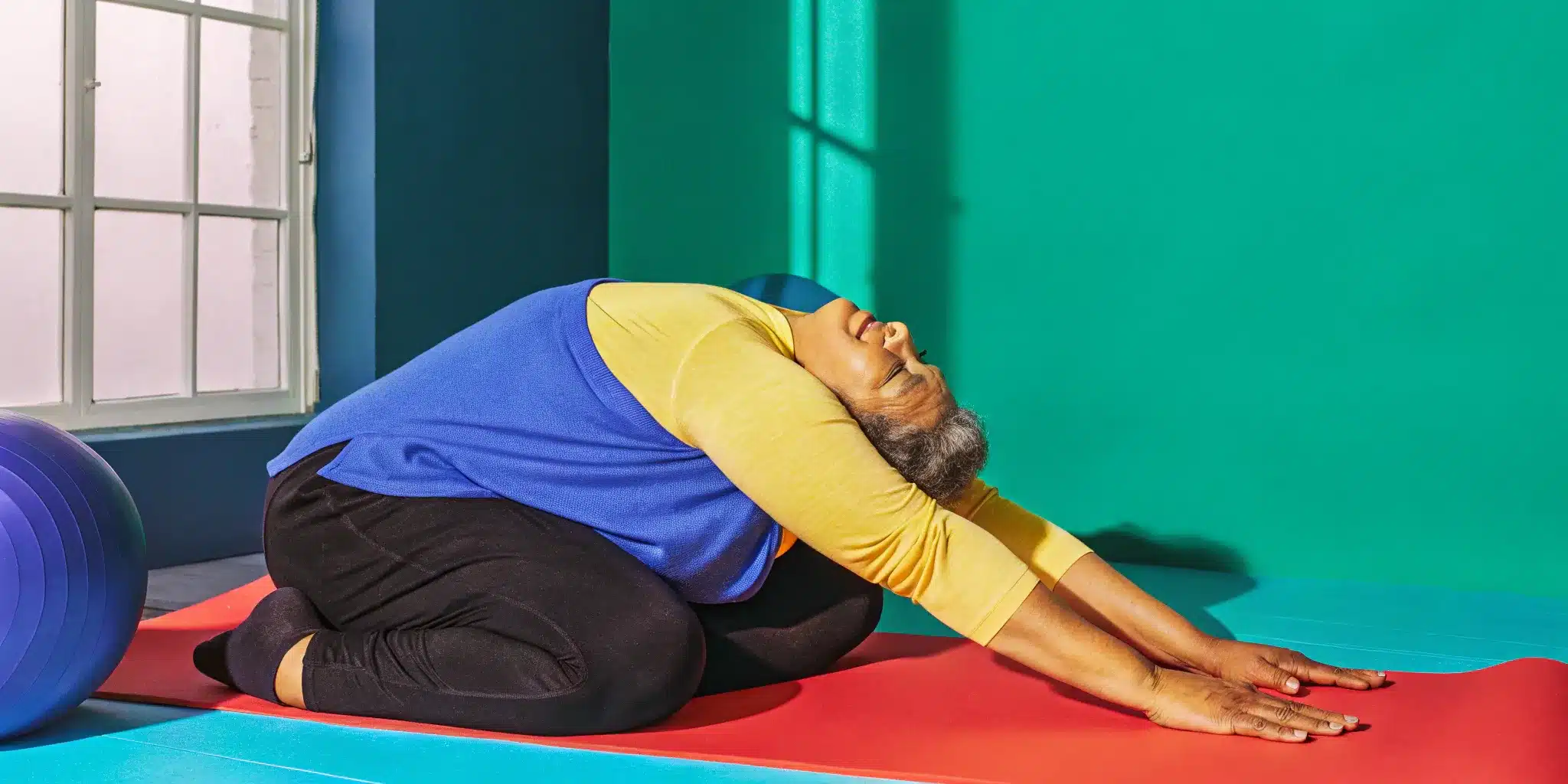
Child’s Pose is more than just a yoga posture; it’s a restorative stretch that can work wonders for tension in your spine and shoulders. Start on your hands and knees. From there, sit your hips back onto your heels and fold your torso forward, resting your forehead on the floor. You can either stretch your arms out in front of you or rest them alongside your body. Focus on taking deep, slow breaths, feeling your back expand with each inhale. Hold this pose for 60 to 90 seconds. It’s one of the best home remedies for tension because it encourages total body relaxation.
How to Find Quick Pain Relief at Home
Stretching is your long-term strategy for keeping muscles happy and mobile, but sometimes you need relief right now. When a flare-up of tightness in your neck and shoulders makes it hard to focus on anything else, turning to a few trusted at-home remedies can make all the difference. These methods are designed to soothe sore muscles, reduce inflammation, and give you the immediate comfort you need to get through your day. Think of them as your first-aid kit for muscle pain. They work alongside your stretching routine to tackle the discomfort from multiple angles, helping you manage acute pain so you can get back to the long-term work of building strength and flexibility. From simple temperature therapy to gentle self-massage, these techniques are easy to do at home with things you likely already have.
Using Heat and Cold Therapy
One of the most effective and oldest tricks in the book is playing with temperature. When pain first strikes, especially if it feels sharp or swollen, reach for an ice pack. Applying cold to the sore area for about 15-20 minutes helps constrict blood vessels, which can reduce inflammation and numb the pain. Do this for the first day or two. After about 48 hours, switch to heat. A heating pad or a warm, damp cloth applied to your neck and shoulders will help relax tight muscles and encourage blood flow to the area, which promotes healing. Never apply ice or heat directly to your skin; always use a towel as a barrier.
Self-Massage and Pressure Points
You don’t need a professional to get the benefits of massage. Giving yourself a gentle massage can provide instant relief by loosening tight muscle knots and easing tension. Use your fingers to apply steady, gentle pressure to the sore spots on your neck and shoulders. Try to work on the area for a few minutes at a time, perhaps once every hour. For those hard-to-reach spots between your shoulder blades, try lying on the floor and placing a tennis ball under the tight muscle. Gently roll on it until you feel the tension start to release. This simple act can break up adhesions and bring a welcome sense of relief.
The Power of a Warm Epsom Salt Bath
There’s nothing quite like a warm bath to melt away tension, and adding Epsom salts can take it to the next level. The warmth of the water helps relax your muscles and calm your nervous system. Epsom salt, which is magnesium sulfate, dissolves in the water and can help soothe sore muscles. Magnesium plays a crucial role in muscle function and relaxation, so a good soak can be incredibly restorative. Just pour a cup or two into a warm bath, sink in for about 20 minutes, and let the combination of heat and magnesium work its magic on your tight neck and shoulders. It’s a perfect way to wind down at the end of a stressful day.
Topical Treatments and Essential Oils
Your local pharmacy has a variety of topical creams and gels that can offer targeted pain relief. Look for products containing ingredients like menthol, which creates a cooling sensation that can override pain signals, or capsaicin, which produces a warming effect. These topical analgesics are applied directly to the skin over the sore muscle, providing localized relief without a full-body medication. For a more natural approach, a few drops of peppermint or lavender essential oil mixed with a carrier oil (like coconut or jojoba) can be massaged into the skin for a soothing effect. Always do a patch test first to ensure you don’t have a skin reaction.
When to Consider Over-the-Counter Options
When stretching and other home remedies aren’t quite enough to manage the pain, over-the-counter (OTC) pain relievers can be a helpful temporary solution. Nonsteroidal anti-inflammatory drugs (NSAIDs) like ibuprofen or naproxen work by reducing inflammation, which is often a primary source of neck and shoulder pain. These medications can help take the edge off, making it more comfortable for you to perform gentle stretches and get through your day. It’s important to view these as a short-term fix, not a long-term strategy. Always follow the dosage instructions on the package and talk to your doctor before starting any new medication, especially if you have other health conditions or take other medicines.
Strengthen Your Muscles to Prevent Future Tightness
Stretching feels amazing for immediate relief, but if you find yourself stretching the same tight spots day after day, it might be time to add a new tool to your toolkit: strengthening. Think of it this way: your muscles work in teams. When some muscles are weak—often the ones in your upper back and deep in your neck—others have to pick up the slack. These overworking muscles, like your upper traps, become tight, tired, and sore. This is why simply stretching the tight muscle doesn’t always solve the root problem. By building strength in the right places, you create a more stable support system for your head and shoulders. This helps improve your posture naturally, so you’re not constantly fighting gravity or slumping over your desk. A consistent strengthening routine doesn’t have to be intense or time-consuming. Just a few targeted exercises can retrain your muscles to hold you in better alignment, preventing that familiar tightness from creeping back in. It’s about playing the long game for a body that feels good not just for an hour after a stretch, but all the time. These simple moves can be done at home with minimal to no equipment, making it easy to build a foundation of strength that supports long-term comfort and mobility.
Chin Tucks for Better Neck Alignment
If you spend a lot of time looking at a screen, you might have “tech neck,” where your head juts forward. Chin tucks are the perfect antidote. This simple move helps strengthen the deep muscles in the front of your neck and encourages better alignment. To do one, sit or stand tall. Gently pull your head and chin straight back, as if you’re trying to make a double chin, without tilting your head down. You should feel a gentle stretch at the back of your neck. Hold for about five seconds, then release. Repeat this 5-10 times throughout the day to combat forward head posture and reduce strain.
Shoulder Blade Squeezes
This is one of the best exercises you can do to wake up the muscles between your shoulder blades, which are crucial for good posture. When these muscles are strong, they help pull your shoulders back and down, taking the pressure off your neck. To perform a shoulder blade squeeze, sit or stand with your arms relaxed at your sides. Imagine you’re trying to hold a pencil between your shoulder blades and gently squeeze them together. Be careful not to shrug your shoulders up toward your ears. Hold the squeeze for 15-30 seconds, breathing normally, then relax. Aim for 3-4 repetitions to help find relief for a stiff neck.
Wall Push-Ups for Shoulder Stability
You don’t need to get on the floor to build upper body strength. Wall push-ups are a fantastic, low-impact way to strengthen your shoulders and chest, which contributes to better overall stability. Stand about arm’s length from a wall and place your palms flat against it, slightly wider than your shoulders. Keeping your back straight, bend your elbows and slowly bring your chest toward the wall. Push back to the starting position. This controlled movement helps build the endurance your shoulder muscles need to support you throughout the day. Performing these simple home remedies can make a big difference in your upper body stability.
Resistance Band Routines
Resistance bands are a game-changer for targeting the small, stabilizing muscles around your shoulder blades and rotator cuffs. Because they provide tension through the entire movement, they are incredibly effective for building functional strength. Simple exercises like rows (pulling the band toward your torso while squeezing your shoulder blades) and external rotations (keeping your elbow at your side and rotating your forearm outward) can make a huge difference. Adding a few resistance band exercises to your routine a few times a week helps create strong, resilient shoulders that are less prone to tightness and injury.
Foam Roller Techniques
While not a strengthening exercise in the traditional sense, using a foam roller is an active recovery technique that can release deep muscle knots and improve mobility, setting the stage for more effective strengthening. Think of it as giving your muscles a deep-tissue massage. To target your upper back, lie on the floor with the foam roller positioned under your shoulder blades. With your knees bent and feet flat on the floor, lift your hips and gently roll up and down your mid-to-upper back. This can help release trigger points and is one of several effective techniques for releasing tight muscles, making it easier for them to function properly.
How to Set Up a Pain-Free Workspace
If you spend a significant part of your day at a desk, your workspace could be the primary source of your neck and shoulder tightness. The way you sit, the height of your screen, and even how you hold your phone all contribute to the tension that builds up over time. It’s easy to get lost in your work and not realize you’ve been hunched over for hours until that familiar ache sets in. The good news is that you don’t need a complete office overhaul to feel better. Making a few small, intentional adjustments to your environment can create a massive shift in how you feel, preventing pain before it even starts. Think of your workspace as a tool for your well-being. By setting it up to support your body’s natural alignment, you’re taking a proactive step toward a more comfortable, pain-free day. Let’s walk through how to create an ergonomic setup that works for you.
Your Monitor and Desk Setup
Let’s start with your screen, as it often dictates your posture. Hunching forward to see your monitor is a major cause of neck strain. To fix this, make sure your computer screen is at eye level. You shouldn’t have to tilt your head up or down to see what you’re working on. If you’re using a laptop, a separate stand or even a stack of sturdy books can help you get the height just right. Next, check your keyboard position. Your arms should be relaxed at your sides, with your elbows bent at a comfortable 90-degree angle. This simple adjustment keeps you from shrugging your shoulders up toward your ears, allowing those tight trapezius muscles to finally relax instead of being constantly engaged.
Choosing the Right Chair
Your chair is your command center, so it needs to support you properly. The goal is to maintain the natural curve of your spine, not flatten it against the backrest. Start by adjusting your chair’s height so your feet are flat on the floor and your knees are slightly lower than your hips. This position helps stabilize your pelvis and takes pressure off your lower back, creating a solid foundation for the rest of your spine. If your chair lacks built-in lumbar support, you can easily create your own by placing a small pillow or a rolled-up towel in the curve of your lower back. This small cushion encourages you to sit upright and prevents the slouching that so often leads to shoulder and neck pain.
Positioning Your Devices to Reduce Strain
It’s not just your computer that causes problems; our phones and tablets are major culprits, too. The habit of cradling your phone between your ear and shoulder while you multitask is a recipe for a stiff neck. Instead, use headphones or a speakerphone to keep your head in a neutral position during calls. Also, be mindful of “tech neck,” the strain caused by constantly looking down at a screen. For every inch your head tilts forward, it adds about 10 pounds of pressure on your spine. Try to hold your phone up closer to eye level when you’re scrolling, or use a stand to prop up your tablet. These small changes reduce the cumulative load on your neck muscles throughout the day.
The Importance of Movement Breaks
Even the most perfectly ergonomic workspace can’t undo the effects of sitting still for hours on end. Your body is designed to move, so regular breaks are non-negotiable for preventing stiffness and pain. Set a timer to remind yourself to get up and move around for a few minutes every hour. You don’t need to do a full workout—just stand up, walk around the room, or do a few gentle stretches at your desk. Roll your shoulders back, gently tilt your head from side to side, or reach your arms overhead. These micro-movements break up the static posture, increase blood flow to your muscles, and give your body a much-needed reset before tension has a chance to build.
What Habits Support Long-Term Muscle Health?
Finding lasting relief from neck and shoulder tightness goes beyond stretching and exercises. It’s about building small, consistent habits that support your muscles throughout the day and night. Think of these practices as the foundation for a pain-free life. By focusing on how you manage stress, sleep, eat, and move, you can create an environment where your muscles can relax and recover, preventing tightness from taking hold in the first place.
Managing Stress and Finding Relaxation
If you’ve ever noticed your shoulders creeping up toward your ears on a tough day, you know the physical toll of stress. When you’re anxious, your body enters a “fight-or-flight” mode, causing your muscles to tense up automatically. To counteract this, it’s essential to build relaxation into your routine. Simple breathing exercises, like deep belly breathing, can signal to your nervous system that it’s safe to relax. Activities like gentle yoga, meditation, or even just taking a quiet five-minute break can make a huge difference in releasing that built-up tension in your neck and shoulders.
Optimizing Your Sleep Position
We spend about a third of our lives sleeping, so your position in bed has a major impact on your muscle health. Waking up with a stiff neck is often a sign that your head and spine aren’t properly aligned. If you sleep on your back, try placing a pillow under your knees to support your lower back and a supportive, but not too high, pillow under your head. For side sleepers, a pillow between your knees can help align your hips and spine. The goal is to use pillows to support your body and keep your neck in a neutral position, avoiding any extreme angles that could strain your muscles overnight.
Staying Hydrated and Eating Well
Your muscles need water to function properly. Dehydration can lead to muscle cramps and tightness, so make sure you’re sipping water consistently throughout the day. Your diet also plays a role. Certain foods can contribute to inflammation, which can worsen muscle pain, while others can help reduce it. Focus on a balanced diet rich in fruits, vegetables, lean proteins, and healthy fats. Eating well not only fuels your body but also gives your muscles the nutrients they need to repair and stay healthy.
Building a Consistent Activity Routine
When you’re in pain, the last thing you might want to do is move, but gentle, consistent activity is one of the best ways to prevent future tightness. Regular movement helps keep your muscles flexible and strong. You don’t need an intense workout; simple activities make a big impact. Try incorporating short walks into your day or practicing a few gentle stretches every morning. This improves your range of motion and keeps your muscles from getting stiff from inactivity. The key is consistency—a little bit of movement every day is far more effective than one big workout once a week.
When to See a Professional
While at-home stretches and remedies are fantastic tools for managing everyday tightness, sometimes you need a professional eye. Listening to your body is the most important part of this process, and that includes knowing when to ask for help. If your pain isn’t improving or you’re dealing with persistent discomfort, seeking expert guidance is a sign of strength, not weakness. A specialist can offer targeted treatments and a personalized plan that goes beyond general advice, helping you find the root cause of your tightness and achieve lasting relief. Think of it as bringing in a skilled partner to help you on your journey to feeling your best.
Red Flags That Need Attention
Most neck and shoulder tightness is muscular, but some symptoms can point to a more serious issue. It’s crucial to know what to watch for. If you experience severe, unrelenting pain or stiffness that doesn’t get better after a few days of self-care, it’s time to call a doctor. Pay close attention if the pain radiates down your arms or legs, or if you feel any numbness, weakness, or tingling sensations. A severe headache that comes on with neck stiffness is another one of those significant red flags that warrants immediate medical attention. These aren’t symptoms to push through, so please get them checked out.
The Benefits of Assisted Stretching
If you’re stuck in a cycle of tightness but aren’t experiencing any red-flag symptoms, assisted stretching can be a game-changer. A trained stretch professional can guide your body into deeper, more effective stretches than you can achieve on your own. They understand how the muscles work together and can isolate specific areas to release tension you might not even know you’re holding. This hands-on approach ensures you’re stretching safely and correctly, maximizing the benefits for your mobility and flexibility. It’s a proactive way to manage chronic tightness and prevent it from getting worse, helping you move more freely and with less pain.
How a Specialist Can Help
If your neck and shoulder pain just isn’t getting better with home remedies, it’s a good idea to consult a healthcare professional. A specialist, like a physical therapist or a certified stretch practitioner, can properly assess your condition to figure out exactly what’s causing the problem. Is it your posture at work? An old injury? They can pinpoint the source and create a personalized treatment plan designed just for you. This tailored approach is much more effective than trying to guess which stretches or exercises will work. Getting an expert opinion can save you time and discomfort, putting you on a clear path to recovery.
Create Your Daily Relief Routine
Consistency is your best friend when it comes to managing neck and shoulder tightness. Instead of waiting for the pain to become unbearable, you can build small, simple movements into your day to keep your muscles happy and mobile. Weaving gentle stretches into your morning, workday, and evening helps release tension as it builds, preventing it from turning into chronic pain. Think of it as a conversation with your body—checking in and giving it the movement it needs to feel its best. This simple structure can make a world of difference, turning pain management from a chore into a natural part of your day.
A Simple Morning Mobility Sequence
How you start your day sets the tone for your body. Before you even reach for your coffee, take just a few minutes to wake up the muscles in your neck and shoulders. A gentle neck stretch is a perfect place to start. While standing tall, gently guide your head toward one shoulder with your hand until you feel a light stretch. Hold for about 20-30 seconds, breathe, and repeat on the other side. Follow this with a few forward and backward tilts, slowly lowering your chin to your chest and then lifting it toward the ceiling. These simple movements help undo the stiffness that can settle in overnight and encourage better mobility from the moment you wake up.
Midday Exercises for Your Workday
Long hours spent sitting at a desk are a major cause of neck and shoulder tension. Breaking up your workday with short movement breaks is essential for preventing tightness. A great desk-friendly option is the upper trapezius stretch. Simply lean your head to one side, hold for 30 seconds, and repeat three times. For a deeper stretch, you can place the opposite arm behind your back. Another quick and effective release is performing shoulder rolls. Lift your shoulders up toward your ears, then roll them back and down. Repeating this 5-10 times helps release tension, improves circulation, and resets your posture before you get back to work.
Evening Wind-Down Techniques
As your day comes to a close, help your body release any lingering stress with a few restorative practices. The Child’s Pose is a fantastic way to gently stretch your neck, shoulders, and back all at once. Start on your hands and knees, then sit back on your heels and fold forward, extending your arms in front of you or resting them alongside your body. Hold this pose for at least a minute, focusing on deep, slow breaths to calm your nervous system. For targeted relief, you can also apply a warm compress to any particularly tight spots on your neck or shoulders. The gentle heat helps relax the muscles, making it a perfect final step before you head to bed.
Related Articles
- 9 Essential Stretching Exercises for Body Pain – STRETCHMED
- How to Loosen Tight Upper Back Muscles for Relief – STRETCHMED
- How to Improve Flexibility: Simple, Effective Steps – STRETCHMED
- Shoulder and Joint Pain at Night: Causes & Fixes – STRETCHMED
Frequently Asked Questions
Stretching provides temporary relief, but my tightness always returns. What’s the next step? This is a really common cycle, and it often means you’re missing the other half of the equation: strengthening. While stretching is fantastic for releasing tight, overworked muscles, strengthening the weaker, underused muscles in your upper back and neck provides long-term stability. When your postural muscles are strong, they can hold your head and shoulders in proper alignment without other muscles having to overcompensate and tighten up. If you’ve been consistent with both stretching and strengthening and still feel stuck, it might be time for a professional to help identify the specific source of the imbalance.
Can I accidentally make my neck pain worse with these stretches? It’s a valid concern, and the most important rule is to listen to your body. A stretch should feel like a gentle, relieving pull, never a sharp or shooting pain. If you feel any pinching, numbness, or tingling, you should stop immediately. The key is to move slowly and avoid forcing any position. Think of it as gently coaxing your muscles to relax rather than demanding it. When done correctly, these stretches are safe and effective, but pushing too hard can definitely cause irritation.
How do I know if I should use heat or ice for my shoulder pain? A great rule of thumb is to use ice for new injuries and heat for chronic stiffness. If you’ve just tweaked something and the area feels sharp, inflamed, or swollen, apply an ice pack for 15-20 minutes to help reduce that inflammation. For the more familiar, persistent tightness and achiness that comes from posture or stress, a heating pad or warm compress is your best friend. The warmth helps relax the muscles and increases blood flow to the area, which promotes healing and eases stiffness.
How long will it take to feel a real difference from these exercises and habit changes? While a good stretch can offer immediate relief in the moment, creating lasting change takes consistency. You might start to notice that your neck and shoulders feel less tense after a week or two of incorporating daily stretches and making ergonomic adjustments. For the strengthening exercises to build a more stable foundation, give it a few weeks of consistent practice. The goal isn’t a quick fix but rather building new habits that prevent the tightness from becoming a problem in the first place.
Besides my desk setup, what’s one common daily habit that might be causing my neck pain? One of the biggest culprits I see is how we carry things. Constantly slinging a heavy purse, laptop bag, or backpack over the same shoulder creates a significant imbalance. That one shoulder is always hiked up and engaged, causing the muscles in your neck and upper back to become chronically tight on one side. Try to switch which shoulder you use, or opt for a backpack and wear both straps to distribute the weight evenly. It’s a small change that can make a huge difference.