That persistent ache in your lower back after a day at your desk, the stiffness in your shoulders when you wake up, or the feeling that your own body is holding you back from your favorite activities—these are common struggles. For many of us, these discomforts can start to feel like a permanent part of life. But what if there was a way to actively address that tension and reclaim your freedom of movement? This is the core purpose of assisted stretching. If you’re wondering what is assisted stretching, it’s a targeted practice where a professional helps your body achieve a deeper, more therapeutic stretch. It’s designed to release chronic tension, improve your range of motion, and help you move with more ease. This guide will walk you through how it works and who it can help the most.
Key Takeaways
- Go Beyond Your Limits Safely: Assisted stretching pairs you with a trained professional who uses specialized techniques to help you achieve a deeper, more effective stretch than you can on your own, targeting the root of tightness without any guesswork.
- Find Relief for Both Body and Mind: This practice is a powerful tool for managing chronic pain and speeding up muscle recovery. It also helps calm your nervous system, offering a dedicated time to release physical tension and mental stress.
- Get a Personalized Plan for Your Lifestyle: Assisted stretching is tailored to your specific needs, whether you’re dealing with desk-job stiffness, age-related mobility changes, or athletic performance goals. It’s a practical approach for anyone who wants to move with more ease.
What Is Assisted Stretching?
If you’ve ever tried to touch your toes or reach for something on a high shelf and felt that familiar twinge of tightness, you know that stretching on your own can sometimes feel like you’re just going through the motions. You might wonder if you’re doing it correctly or pushing deep enough to make a real difference. That’s where assisted stretching comes in.
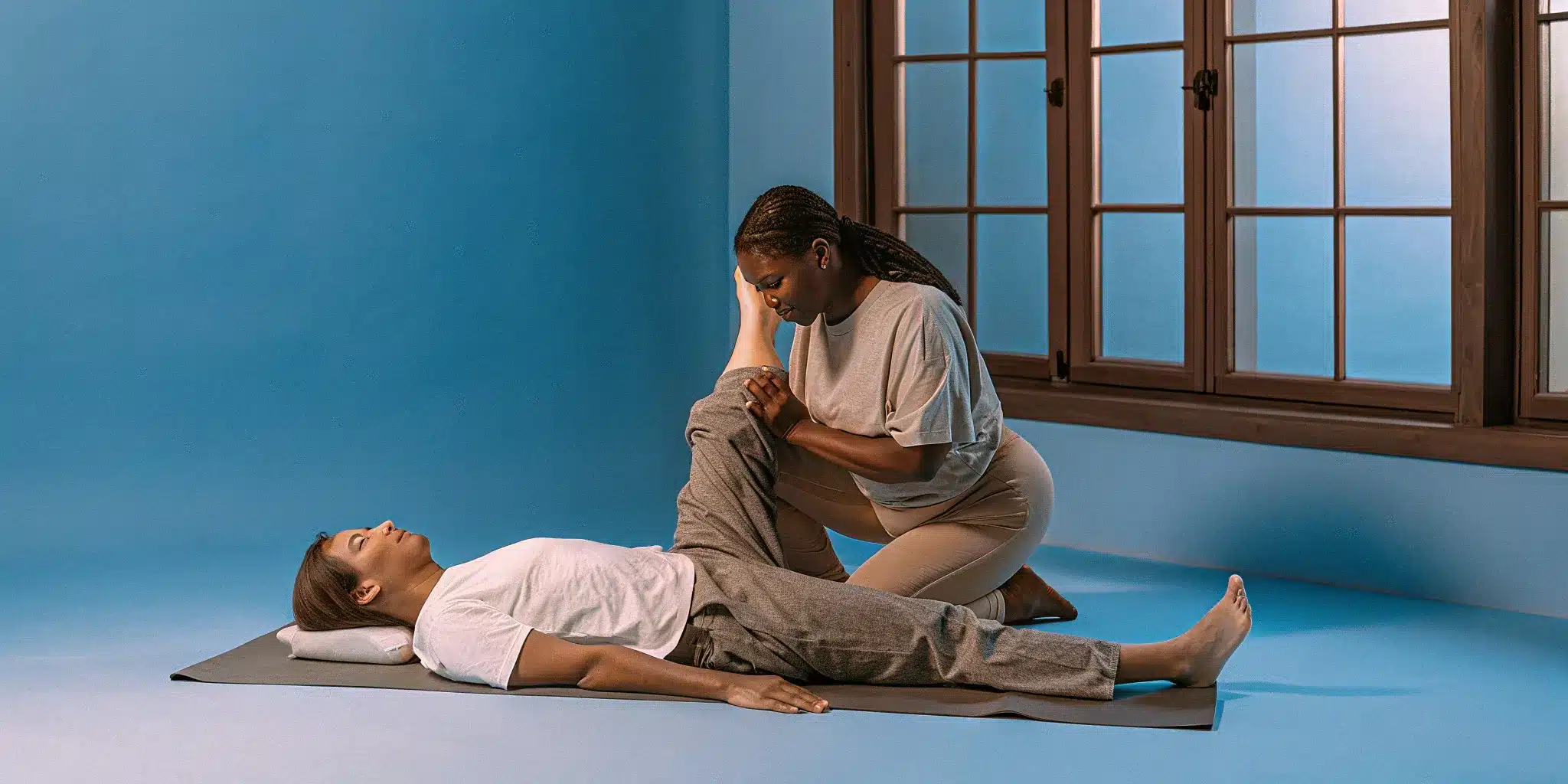
Think of it as a partnership for your body. Assisted stretching, sometimes called stretch therapy, is a practice where a trained professional helps you stretch your muscles. They don’t just tell you what to do; they actively participate by guiding your limbs, applying gentle pressure, and supporting your body to help you achieve a deeper, more effective stretch than you could ever manage on your own. It’s a personalized session focused entirely on your body’s needs, helping you release tension and move more freely. The goal is to work with your body, not against it, to find a new level of flexibility and relief.
How It’s Different From Stretching on Your Own
The biggest difference between stretching by yourself and working with a professional is the depth and precision you can achieve. When you stretch alone, your body has natural defense mechanisms that stop you from pushing too far. An expert can help you safely work past those points. They understand anatomy and can gently guide you into a more intense stretch that lengthens muscles and releases tension more effectively.
A professional can help you safely attain a deeper, end-range stretch that’s difficult to reach solo. This targeted approach takes the guesswork out of the equation, so you can relax into the movement and feel confident you’re getting the maximum benefit from every single session.
The Role of a Stretch Professional
A stretch professional is much more than just an extra pair of hands—they are your dedicated guide to better movement. Their expertise is in understanding how the body works, allowing them to isolate specific muscles and stabilize your joints while you stretch. This precision prevents you from compensating with other muscles and ensures the right areas are being targeted. They are trained to help you access your fullest range of motion safely and without pain.
Beyond the physical movements, your stretch therapist also coaches you on other crucial elements, like proper breathing techniques and body positioning. They control the intensity of each stretch, communicating with you to make sure you’re always comfortable. Their job is to create a safe, controlled environment where your body can relax, release, and rejuvenate.
How Does Assisted Stretching Work?
So, what actually happens during an assisted stretching session? It’s more than just having someone help you touch your toes. Assisted stretching is a precise practice that uses specific techniques to work with your body’s natural responses, not against them. A trained stretch therapist understands how your muscles and nervous system communicate, allowing them to guide you into deeper, safer, and more effective stretches. Let’s look at some of the core methods they use to help you find relief and improve your mobility.
The Science Behind the Stretch: PNF Explained
One of the key techniques you’ll experience is called Proprioceptive Neuromuscular Facilitation, or PNF. That’s a mouthful, but the concept is pretty simple. It’s a partnership between you and your therapist that involves a sequence of stretching and contracting the muscle being targeted. For example, as your therapist stretches your hamstring, they’ll ask you to gently push against them for a few seconds. This small act of resistance sends a signal to your nervous system to relax the muscle’s stretch reflex. When you relax again, the muscle lets go, allowing for a much deeper and more significant stretch than you could achieve on your own. It’s a smart way to gain flexibility quickly and safely.
Active vs. Passive Stretching Methods
Your session will likely include a mix of active and passive stretching, each with its own job to do. With active stretching, you’re part of the action. You’ll use your own strength to move a limb into a stretched position, and then your therapist will help you take it just a bit further. This method is fantastic for building strength and stability alongside your flexibility. On the other hand, passive stretching is your time to relax and release. Your therapist will gently move your body into a stretch and hold it for you. This is often where you’ll experience that classic, deep release as your muscles are given the time and support to fully let go of tension. A combination of these stretching techniques creates a well-rounded session.
Our Advanced Techniques
The world of stretch therapy is always incorporating new tools and approaches, like using vibration or percussion tools to help release stubborn muscle knots. While these technologies can be helpful, the most powerful tool is always the expertise of a skilled therapist. At StretchMed, our advanced approach is rooted in this personalized expertise. Our certified Stretch Therapists are masters at combining PNF and static stretching methods in a way that’s completely tailored to your body’s needs. They listen to your feedback and watch your body’s responses in real-time, adjusting the pressure and duration of each stretch. This highly customized, hands-on approach is what allows us to effectively address chronic pain and help you achieve your mobility goals.
Key Benefits of Assisted Stretching
So, what’s the big deal with assisted stretching? It’s so much more than just a feel-good session. When you work with a trained professional, you can experience some pretty incredible changes in both your body and mind. It’s a proactive way to take care of yourself, whether you’re dealing with nagging pain, want to improve your athletic performance, or simply wish to move through your day with more ease. Think of it as a partnership where an expert helps your body find its own potential for movement and relief.
Instead of guessing which stretches to do or how long to hold them, you get a personalized session tailored to your specific needs and goals. This targeted approach is what makes it so effective. It’s about working smarter, not just harder, when it comes to your body’s health. The guidance from a professional ensures you’re stretching safely and effectively, reaching muscles you might not be able to on your own and addressing imbalances you might not even know you have. This collaboration can lead to lasting changes that ripple through every part of your life. Let’s look at some of the key benefits you can expect when you add assisted stretching to your wellness routine.
Improve Flexibility and Mobility
Remember trying to touch your toes and feeling like you’ve hit a wall? An assisted stretch helps you move past that point safely. A trained professional guides your body into deeper stretches than you could achieve on your own, gently encouraging your muscles to lengthen and release. This isn’t about forcing anything; it’s about working with your body’s natural potential. Over time, this allows your joints to move more freely through their full range of motion. Suddenly, everyday movements like tying your shoes, reaching for something on a high shelf, or getting in and out of the car feel smoother and easier.
Find Relief From Chronic Pain
Living with chronic pain is exhausting, and finding effective relief can feel like a constant battle. Tight, tense muscles can pull on your joints and contribute to ongoing aches in your back, neck, and hips. Assisted stretching offers a gentle yet powerful way to address this. By easing muscle tension, we can help alleviate the strain on your body. Many people, including those with ongoing pain conditions, find significant relief through regular sessions. It’s a targeted approach that helps calm down overworked muscles and gives your body a chance to find a more comfortable, balanced state.
Speed Up Recovery and Circulation
Whether you’re an athlete recovering from a tough workout or just feeling sore after a long day on your feet, better circulation is your best friend. Assisted stretching is fantastic for muscle recovery because it helps increase blood flow to your tissues. This improved circulation delivers the oxygen and nutrients your muscles desperately need to repair and rebuild, which can help reduce that post-activity soreness. Think of it as giving your muscles the exact resources they need to bounce back faster, so you can get back to doing what you love with less downtime and discomfort.
Support Your Mental and Emotional Wellness
The connection between your body and mind is powerful. When your body is holding onto physical tension, your mind often feels it, too. The slow, gentle movements of an assisted stretch session are incredibly calming for your nervous system. This process helps lower stress hormones and encourages your body to release feel-good chemicals like serotonin, which promotes relaxation in your muscles. It’s a dedicated time for you to breathe, let go, and focus on your body. It’s not just your muscles that get to unwind; your mind gets a chance to quiet down, too, leaving you feeling calmer and more centered.
Is Assisted Stretching Right for You?
Assisted stretching isn’t just for one type of person. Whether you’re dealing with persistent aches, chained to a desk, staying active as you age, or pushing your athletic limits, a personalized stretching routine can make a world of difference. It’s a powerful tool for anyone looking to improve how they move and feel in their daily life. Let’s look at how it can specifically help you.
If You Have Chronic Pain or Limited Mobility
Living with chronic pain from conditions like arthritis or persistent backaches can feel incredibly limiting. It’s frustrating when your own body holds you back from simple activities. Assisted stretching offers a gentle yet effective way to find relief. A trained professional can guide your body into stretches that you couldn’t achieve on your own, helping to release deep muscle tension and break down adhesions that contribute to stiffness. This targeted approach can help quiet discomfort, restore your range of motion, and give you back the freedom to move with greater ease and less pain.
If You Sit at a Desk All Day
That familiar neck, shoulder, and back tightness from hours of sitting at a computer is more than just an annoyance—it’s a sign of accumulated muscle strain. A sedentary job often leads to poor posture and tense muscles. Assisted stretching directly counteracts these effects. By working with a professional, you can lengthen the muscles that have become shortened and tight from sitting. This not only helps relieve pain from sitting but also works to improve your posture over time. Think of it as hitting the reset button for your body after a long day at your desk.
For Active Agers and Seniors
Staying active and independent as you age is a top priority, and maintaining your mobility is key. As we get older, joints can become stiff and muscles can lose their elasticity, making everyday movements more challenging. Assisted stretching is a fantastic way to support healthy aging. It safely increases your flexibility and range of motion, which can directly improve your mobility and balance, reducing the risk of falls. Regular sessions can also help soothe common joint aches and pains, allowing you to continue enjoying your favorite activities with confidence and comfort.
For Athletes and Fitness Enthusiasts
If you love to move, you know that proper recovery is just as important as the workout itself. To perform at your best and avoid injuries, your muscles need to be flexible and your joints need a full range of motion. Assisted stretching gives you an edge by taking you deeper into stretches than you could on your own. This process helps lengthen muscles, improve circulation for faster recovery, and increase your overall flexibility. Regular stretching can make you stronger and better at sports by preparing your body for intense activity and reducing the risk of strains or sprains.
Your First Session: What to Expect
Walking into a new wellness space can feel a little intimidating, but knowing what’s ahead can make all the difference. Your first assisted stretching session is all about getting to know your body, your goals, and your stretch therapist. It’s a collaborative experience designed to help you feel better from the moment you step on the mat. Think of it as the first step in a conversation between you and your body, with a professional to help translate.
The Studio Vibe and Session Length
From the moment you walk in, our goal is to create a welcoming and relaxing environment where you can feel completely at ease. Our studios are designed to be calm, clean, and comfortable spaces for you to focus on your body. Each session is about 50 minutes long, which gives you and your therapist plenty of time for a thorough, unhurried session. This dedicated time ensures you get personalized attention and can work through different muscle groups without feeling rushed, allowing for a truly effective and rejuvenating experience.
Working with Your Stretch Therapist
During your session, you’ll work one-on-one with a trained stretch therapist who will guide you through a series of gentle movements. They’ll use proven techniques like PNF (Proprioceptive Neuromuscular Facilitation) and static stretching to help you achieve a deeper stretch than you could on your own. Your therapist’s job is to listen to your body and provide expert guidance, ensuring every movement is safe, comfortable, and effective. They are your partner in this process, helping you reconnect with your body and work toward your wellness goals.
Creating Your Personalized Stretch Plan
This isn’t a one-size-fits-all routine. Your first session starts with a conversation. Your stretch therapist will ask about your goals, lifestyle, and any specific areas of tension, stiffness, or discomfort you’re experiencing. Based on this initial assessment, they will work with you to create a personalized stretch plan tailored to your body’s unique needs. This plan will focus on improving your flexibility, reducing pain, and enhancing your overall mobility. Every stretch is chosen with your specific objectives in mind, ensuring your session is as productive as possible.
How to Prepare for Your First Session
Walking into your first assisted stretching session should feel exciting, not stressful. A little preparation can go a long way in making you feel comfortable and confident, ensuring you get the absolute most out of your time on the table. It’s all about setting yourself up for a great experience from the moment you walk through the door. Think of it like this: you wouldn’t show up to a yoga class in jeans, right? The same logic applies here. By taking a few simple steps beforehand, you can shift your focus from worrying about the unknown to anticipating the relief and rejuvenation that’s to come.
Preparing isn’t just about packing a bag; it’s also about getting into the right mindset. This is dedicated time for you—a chance to tune into your body, address areas of tension, and work with a professional who is focused entirely on your well-being. We’ll cover a few simple things you can do, from choosing the right outfit to understanding what assisted stretching can (and can’t) do for you. We’ll also talk about the importance of working with a trained professional who truly understands the body. By clearing up a few common questions and myths, you can relax and focus on what really matters—reconnecting with your body and starting your journey toward moving and feeling better.
Finding a Qualified Professional
When you’re putting your body in someone else’s hands, trust is everything. It’s essential to work with a trained professional who knows how to stretch you safely and can adjust every movement for your specific needs and limitations. A great stretch therapist is trained in anatomy and kinesiology; they understand how your muscles work together and can identify imbalances you might not even be aware of. They’ll never push you past your comfort zone and will always communicate with you throughout the session to make sure you feel secure and supported. At StretchMed, all of our stretch therapists are highly trained and certified, so you can feel confident you’re in expert hands from day one.
What to Wear and Bring
Deciding what to wear is simple: choose something you can move in freely. Think comfortable, stretchy clothes, like you’d wear to the gym or a yoga class. Leggings, joggers, athletic shorts, and comfortable t-shirts or tank tops are all great options. You’ll want fabrics that allow for a full range of motion so your therapist can move your limbs without any restriction from your clothing. Other than that, you don’t need to bring much! You might want a water bottle to stay hydrated, but most importantly, just bring yourself and an open mind. Be ready to communicate with your therapist about how you’re feeling during the stretch.
Common Myths About Assisted Stretching
Let’s clear the air on a few things. One of the biggest myths is that assisted stretching is only for athletes or super-flexible people. That couldn’t be further from the truth. This practice is for everyone—especially if you sit at a desk, feel stiff when you wake up, or deal with chronic aches. Another common misconception is that assisted stretching will cure all your pain instantly. While it provides incredible relief and is a powerful tool for managing discomfort, it’s one part of a holistic approach to wellness. Consistency is key to achieving long-term results and feeling your best, and our therapists are here to create a plan that supports your unique journey.
Related Articles
- PNF Stretching Definition: What It Is & Why It Works – STRETCHMED
- What is PNF Stretching? A Simple Guide for Beginners – STRETCHMED
- 4 Types of PNF Stretching to Increase Mobility – STRETCHMED
Frequently Asked Questions
Is assisted stretching supposed to hurt? Absolutely not. While you will feel your muscles being stretched, it should always feel like a productive release, not a painful strain. Think of it as a “good stretch” that you can breathe through. Our trained therapists are experts at listening to your body and your feedback, and they will never push you past your comfort zone. Constant communication is a key part of every session to ensure you feel safe and supported.
How often should I come in for a session? The ideal frequency really depends on your personal goals and what your body needs. If you’re working to manage chronic pain or significant stiffness, you might benefit from coming in once or twice a week to start. For general maintenance or to support an active lifestyle, once every week or two might be perfect. Your therapist will work with you to recommend a schedule that makes sense for you.
What’s the difference between assisted stretching and physical therapy? That’s a great question. While both can help you move better, physical therapy is typically a form of rehabilitation prescribed by a doctor to treat a specific injury or medical condition. Assisted stretching is a wellness practice focused on improving overall flexibility, relieving general muscle tension, and enhancing mobility to prevent issues before they start. The two can work wonderfully together, but our focus is on proactive care for your entire body.
Do I need to be flexible to try assisted stretching? Not at all! In fact, feeling inflexible is one of the best reasons to come in. Our sessions are designed for people of all fitness and flexibility levels. We meet your body exactly where it is today and work with you to gently and safely improve your range of motion over time. You don’t need to be able to touch your toes to get started—we’re here to help you get closer to that goal.
What will I feel like after my first session? Most people walk out of their first session feeling lighter, looser, and more relaxed. You might notice an immediate improvement in your range of motion and a sense of release in areas that were tight or tense. It’s also normal to feel a little bit of soreness the next day, similar to what you might feel after a good workout, as your muscles have been worked in a new way.