The tension you feel in your legs rarely stays just in your legs. Tight hamstrings can pull on your pelvis, contributing to lower back pain. Stiff hip flexors can throw your posture out of alignment, causing a chain reaction of discomfort throughout your body. Think of your leg muscles as the foundation for your movement—when they’re tight and restricted, the entire structure is affected. By focusing on targeted stretches for tight leg muscles, you’re not just addressing local soreness; you’re taking a crucial step toward improving your body’s overall balance, reducing chronic aches, and moving with greater comfort and confidence.
Key Takeaways
- Counteract the effects of daily life on your muscles: Simple habits like prolonged sitting and skipping a post-workout cool-down are major causes of leg tightness. Making small, consistent changes to these routines is the key to preventing chronic tension.
- Technique is more important than flexibility: To get real results, focus on how you stretch. Always warm up first, hold each position for at least 30 seconds without bouncing, and breathe deeply to allow your muscles to release safely.
- Make consistency your main goal: A short, daily stretching practice is far more effective than infrequent, longer sessions. Build a routine you can stick to, and if you’re struggling with persistent tightness, consider professional assisted stretching to safely target hard-to-reach muscles.
Why Are My Leg Muscles So Tight?
If you’ve ever stood up from your desk and felt a pull in the back of your legs, or finished a workout feeling stiff and sore, you know the feeling of tight leg muscles. It’s an incredibly common complaint, and for good reason. Our modern lifestyles and even our fitness routines can contribute to this constant tension in our hamstrings, quads, calves, and hips. The feeling isn’t just uncomfortable; it can limit your movement, affect your posture, and even lead to aches in other parts of your body, like your lower back.
Understanding the root cause is the first step toward finding relief. Often, it’s not one single thing but a combination of daily habits that cause our muscles to become chronically shortened and tense. From spending hours in a seated position to jumping into a workout without a proper warm-up, our legs bear the brunt of it. The good news is that by identifying these triggers, you can start making small changes and incorporate simple practices—like stretching—to release that tension and move more freely.
The Problem with Sitting All Day
Many of us spend a significant portion of our day sitting, whether at a desk, in a car, or on the couch. This prolonged sitting is a primary cause of tight leg muscles, especially in the hamstrings and hip flexors. When you’re seated, your knees are bent and your hips are in a flexed position for hours on end. This keeps your muscles in a constantly shortened state. Over time, your body adapts to this position, making the muscles resistant to lengthening. That’s why you might feel that familiar stiffness when you finally stand up. This chronic tightness can pull on your pelvis, contributing to poor posture and even lower back pain.
How Exercise Can Lead to Tightness
While exercise is essential for a healthy body, it can also be a source of muscle tightness if not approached correctly. During activities like running, cycling, or weightlifting, your leg muscles contract repeatedly to generate force. If you don’t prepare them for the work ahead, you can create tension. Failing to do a proper warm-up means you’re asking cold, stiff muscles to perform, which can lead to strain and tightness. Overworking the muscles without allowing for adequate recovery can also cause them to become chronically tense as they try to protect themselves from further stress. This is why what you do before and after your workout is just as important as the workout itself.
When You Skip Your Cool-Down
After a workout, your muscles are warm, full of blood, and in a shortened, contracted state. It’s tempting to finish your last rep and head straight for the shower, but skipping a cool-down is a missed opportunity to prevent future tightness. The cool-down period is when you signal to your body that it’s time to relax and recover. Gentle stretching after you exercise helps your muscles gradually return to their resting length. This process not only makes your body more flexible over time but also helps reduce post-workout soreness and stiffness. Think of it as hitting the reset button for your muscles, ensuring they’re ready for your next activity instead of remaining tight and tense.
Feel Better, Move Better: The Benefits of Stretching
Stretching is one of the most powerful yet overlooked tools for taking care of our bodies. It’s not just for athletes or super-flexible yogis. A consistent stretching routine is a direct path to feeling more comfortable in your own skin. When your muscles are tight, everything from walking up the stairs to sitting at your desk can feel like a chore. By dedicating just a few minutes to stretching, you can release that tension, reduce aches, and rediscover a sense of ease in your movements. It’s about giving your body the care it needs to support you through life.
Improve Your Flexibility and Range of Motion
Think about how often you bend, reach, or twist throughout the day. When your muscles are tight, these simple movements become difficult and sometimes even painful. This is where flexibility comes in. Consistent stretching helps loosen those tight spots, allowing your joints to move through their full range of motion. This means you can tie your shoes without groaning or grab something from the top shelf without feeling a pull. By making leg stretches a regular habit, you’re not just becoming more flexible; you’re making everyday life easier and reducing your risk of injury when you need to make a sudden move.
Ease Aches and Reduce Muscle Tension
If you live with nagging aches and muscle tension, stretching can feel like a sigh of relief. Tight muscles can pull on your joints and create discomfort throughout your body, from your lower back to your neck. A gentle stretching routine helps increase blood flow to your muscles, delivering oxygen and nutrients that aid in recovery. This is especially important after a workout, as a good cool-down stretch can help prevent next-day soreness. Over time, this simple practice can significantly reduce chronic pain, helping your body feel more relaxed and at ease on a daily basis.
Enhance Your Performance in Sports and Life
Whether you’re an avid runner or just want to keep up with your kids at the park, stretching can give you an edge. Flexible, well-cared-for muscles are more powerful and efficient. For example, targeted hamstring stretches can increase your power for activities like running and jumping. When your body can move freely without restriction, you perform better and are less likely to suffer from strains or other injuries that can set you back. This isn’t just about athletic achievement; it’s about having the physical capacity to fully enjoy the activities that make your life rewarding.
Your Go-To Stretches for Every Part of the Leg
Ready to give your legs some much-needed attention? These simple stretches target all the major muscle groups that tend to get tight, from your hamstrings to your hips. The key is to move gently and listen to your body—you’re looking for a comfortable stretch, not sharp pain. Aim to hold each stretch for about 30 seconds to give your muscles time to relax and lengthen. Incorporating these into your daily routine can make a world of difference in how you move and feel.
For Your Hamstrings: Standing Forward Fold & Seated Stretch
Tight hamstrings are incredibly common, especially if you sit for long periods. A simple standing forward fold is a great place to start. Stand with your feet hip-width apart, bend your knees slightly, and hinge forward at your hips, letting your head hang heavy. You can also try a seated version by sitting on the floor with one leg extended straight. Gently lean forward over your straight leg until you feel a stretch. Remember to breathe deeply. Consistent hamstring stretches can help ease lower back tension and improve your overall posture.
For Your Quads: Standing Quad & Couch Stretch
The large muscles on the front of your thighs, your quadriceps, can hold a lot of tension. To stretch them out, try a standing quad stretch. Stand near a wall or chair for balance. Grab your left ankle and gently pull your heel toward your glute, keeping your knees close together. You should feel a nice stretch along the front of your thigh. Hold for 30 seconds, then switch sides. For a deeper stretch, you can try the “couch stretch” by placing the top of your back foot on a couch or chair while in a kneeling lunge position.
For Your Calves: Wall & Standing Calf Stretches
Your calf muscles work hard every day, and they deserve some love. The classic wall stretch is one of the most effective ways to release them. Stand facing a wall and place your hands on it for support. Step one foot back, keeping your heel flat on the floor and your back leg straight. Gently lean forward by bending your front knee until you feel the stretch in your back calf. This simple move is fantastic for preventing shin splints and can even help with foot pain related to plantar fasciitis.
For Your Hips & Glutes: Kneeling Hip Flexor & Pigeon Pose
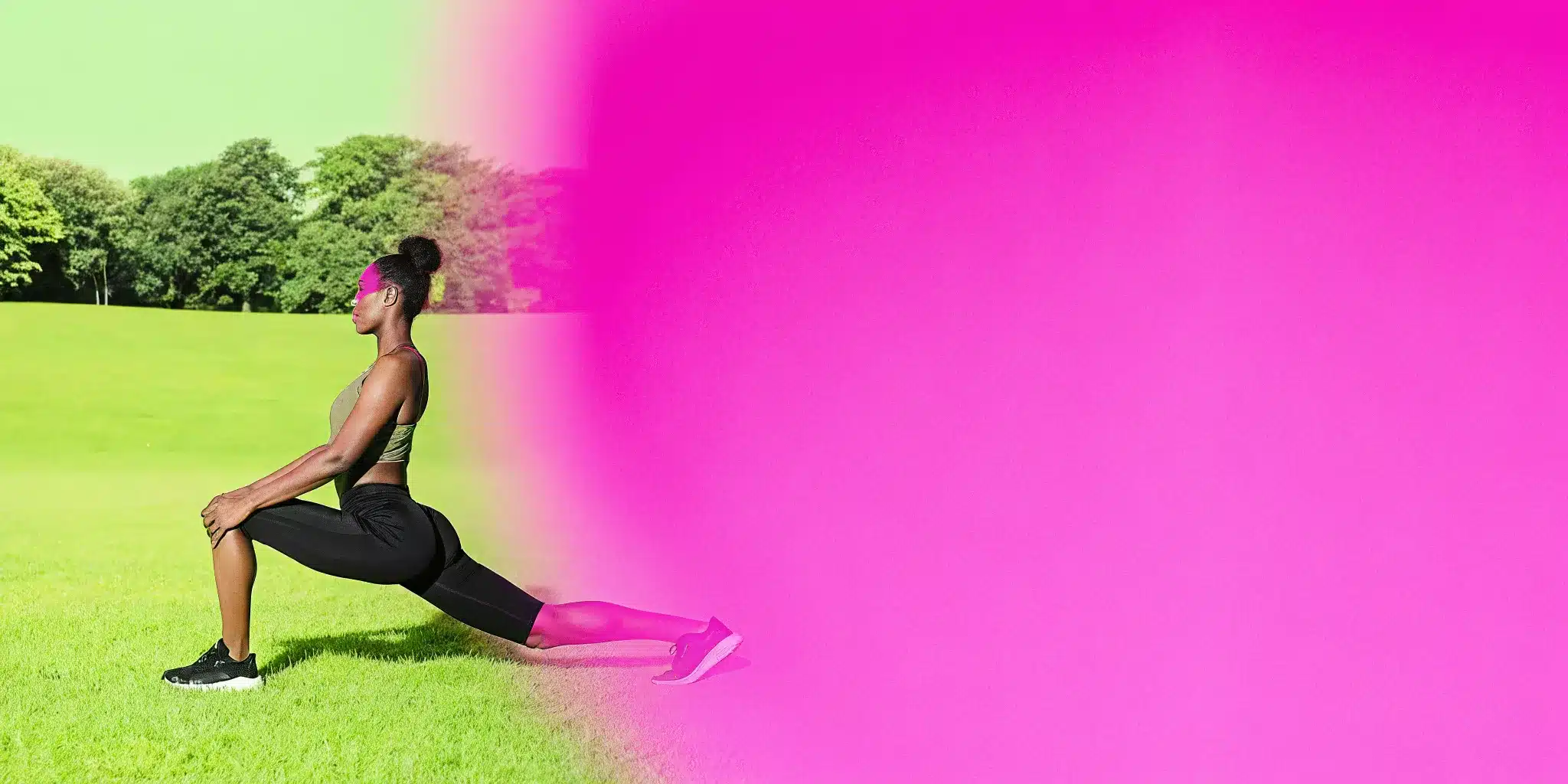
If you spend a lot of time sitting, your hip flexors are probably tight. A kneeling hip flexor stretch can provide immediate relief. Start by kneeling on one knee, keeping your upper body straight, and gently push your hips forward. For your glutes, the pigeon pose is a game-changer. Start on all fours, bring one knee forward toward the matching wrist, and extend your other leg straight behind you. This hip-opening stretch helps release deep tension in the glutes and outer hips.
For Your IT Band: Side-Lying & Standing Stretches
The iliotibial (IT) band is a thick band of tissue that runs along the outside of your thigh. When it gets tight, it can cause knee and hip pain. A great way to stretch it is to lie on your side. Grab your top ankle and pull your foot toward your glute. Then, use your bottom foot to gently press down on the knee of your top leg until you feel a stretch along the outside of your thigh. It’s a bit of a coordination puzzle at first, but it provides incredible relief for that hard-to-reach spot.
How Often Should You Stretch for Real Results?
Consistency is the secret ingredient to getting real, lasting results from stretching. You can’t just stretch once and expect your tight leg muscles to magically loosen up forever. Creating a regular routine is what tells your muscles it’s safe to relax and lengthen. But what does “regular” actually mean? It’s less about spending hours on the mat and more about making stretching a consistent part of your life. Think of it like brushing your teeth—a small, daily habit that has a huge long-term payoff for your health. Finding a rhythm that works for you is key, whether that’s a few minutes every day or longer sessions a few times a week.
Daily vs. A Few Times a Week
So, what’s the magic number? While a little bit of stretching every single day is the gold standard for keeping muscles pliable, don’t feel pressured to be perfect. The goal is to make it a sustainable habit. Regular stretching is a simple way to improve how your body feels and moves, and it’s a powerful tool for preventing common aches and injuries. If a daily routine feels overwhelming, start with a goal of three to five times a week. You’ll still see significant improvements in your flexibility and a reduction in tightness. The most effective routine is the one you can actually stick with, so find what feels good for your body and your schedule.
The Best Times to Stretch Your Legs
Timing can make a big difference in how effective your stretching is. If you’re active, one of the best times to stretch is after you exercise. This helps your body begin the cool-down process, making your muscles more flexible and allowing your heart rate to return to normal. A post-workout stretch is your body’s way of saying “thank you.” But you don’t have to work out to get the benefits. A gentle stretching session in the morning can help wake up your body and ease any stiffness from sleep. Likewise, a few simple stretches before bed can release the tension built up throughout the day, helping you relax for a better night’s sleep.
How Long to Hold Each Stretch
When you’re holding a stretch, patience is your best friend. To get a real release, you need to give your muscles time to relax and lengthen. A quick, five-second stretch just won’t cut it. For most static stretches, you should aim to hold the position for at least 30 seconds. This gives your muscle fibers the signal that it’s okay to let go. Don’t forget to breathe deeply and evenly the entire time. For the best results, try repeating each stretch two to three times on each leg. This ensures you’re giving your tightest areas the attention they need to truly release.
Dynamic vs. Static: Which to Use and When
Not all stretches are created equal. The two main types are dynamic and static, and they serve different purposes. Dynamic stretching involves active movements where you take your joints and muscles through their full range of motion—think leg swings or walking lunges. These are perfect for a warm-up before exercise because they increase blood flow and prepare your body for activity. Static stretching, on the other hand, is what most of us picture: holding a stretch for a period of time. These are best for your cool-down after a workout or as a standalone flexibility routine to help relieve sore legs and improve your range of motion.
Common Stretching Mistakes to Avoid
To get the most out of your stretching routine, how you stretch is just as important as that you stretch. It’s easy to fall into a few common habits that can hold you back from feeling your best. At worst, these mistakes can even lead to the very strains or injuries you’re trying to prevent.
Think of it like cooking: you can have the best ingredients, but if your technique is off, the final dish won’t turn out right. The same goes for stretching. By avoiding a few key pitfalls, you can make sure every stretch is safe, effective, and actually helps you relieve that tightness in your legs. Let’s walk through what to watch out for so you can stretch with confidence and get the results you’re looking for.
Stretching Cold Muscles
Jumping straight into a deep stretch first thing in the morning or after sitting for hours is a recipe for injury. Your muscles are like rubber bands; when they’re cold, they’re less pliable and more likely to snap under pressure. You need to get some blood flowing to warm them up and make them more receptive to stretching.
Before you begin, spend five to ten minutes on a light warm-up. This could be a brisk walk, marching in place, or doing some gentle leg swings. The goal isn’t to get a full workout in, but simply to increase your muscle temperature and prepare your body for movement. This small step makes a huge difference in preventing pulls and strains.
Bouncing or Forcing the Stretch
Do you remember seeing people in old workout videos bouncing up and down to touch their toes? That jerky, forced movement, known as ballistic stretching, can actually be counterproductive. When you force a stretch or bounce in and out of it, your muscle’s natural protective reflex kicks in, causing it to tighten up to prevent a tear. This is the exact opposite of what you want to achieve.
Instead of bouncing, ease into each stretch until you feel a gentle pulling sensation, not pain. Hold the position steady and allow your muscle to relax and lengthen gradually. A good stretch should feel like a release of tension, not a struggle. This approach allows for a safer, more effective static stretch that gives your muscles time to adapt.
Forgetting to Breathe
It’s an easy mistake to make. When you’re focused on a stretch and feeling that tension, you might unconsciously hold your breath. Unfortunately, this just creates more tension throughout your body. Your muscles need oxygen to relax and release, and holding your breath deprives them of it, making it much harder to get a deep, effective stretch.
Pay close attention to your breathing. As you move into a stretch, take a long, slow exhale. Try to visualize the muscle letting go with each breath. Breathing deeply sends a signal to your nervous system that it’s safe to relax, which helps reduce muscle tightness and allows you to sink deeper into the stretch. Think “exhale into the stretch” and you’ll be on the right track.
Pushing Through Sharp Pain
There’s a big difference between the mild discomfort of a muscle being lengthened and sharp, stabbing pain. The feeling of a good stretch is a gentle, pulling sensation. Pain, on the other hand, is your body’s alarm system telling you that something is wrong. Pushing through that signal is a fast track to a muscle strain or a more serious injury.
Always listen to your body. If you feel any sharp or shooting pain, ease off the stretch immediately. Your goal is to relieve tension, not create new problems. If a particular stretch consistently causes pain, it might not be the right one for you, or you may have an underlying issue. Remember, stretching should feel good and bring relief. Never force a movement that causes the wrong kind of pain.
Create a Stretching Routine You’ll Actually Stick To
Knowing you should stretch and actually doing it are two different things. The secret to unlocking lasting relief isn’t a complicated, hour-long routine; it’s consistency. The best stretching routine is the one you can stick with day after day. It’s about building a simple, sustainable habit that fits into your life, not the other way around.
Let’s be real: adding one more thing to your to-do list can feel overwhelming. But what if you could weave stretching so seamlessly into your day that it becomes as automatic as brushing your teeth? By finding the right time, connecting it to existing habits, and knowing when to ask for a little help, you can create a practice that feels less like a chore and more like a gift to your body. Here’s how to build a routine that finally sticks.
Set Your Daily Stretching Schedule
The easiest way to make stretching a habit is to give it a permanent spot in your schedule. Just like any important appointment, putting it on the calendar makes it real. A consistent daily routine is a helpful part of any exercise plan because it trains your body and mind to expect it.
You don’t need to block off a huge chunk of time. Start with just 10 minutes. Maybe it’s right after you wake up to ease into your day, a midday break to counteract all that sitting, or a wind-down ritual before bed. Set a reminder on your phone and treat it as non-negotiable time for yourself. Consistency is what matters most here.
Fit Stretches Into Your Current Routine
A great way to build a new habit is to attach it to one you already have. This is called habit stacking. Think about your daily non-negotiables and see where you can add a few simple stretches. If you already work out, adding leg stretches as part of your cool-down is a natural fit.
Not a gym person? No problem. You can do calf stretches while you wait for your coffee to brew in the morning. Try a standing quad stretch while you’re on a long phone call. Or, do a seated hamstring stretch while you’re watching your favorite show. By linking stretching to an existing activity, you remove the friction of starting from scratch.
When to Get Help: The Power of Assisted Stretching
Sometimes, no matter how much you stretch on your own, you hit a wall. You might not be sure which muscles are the problem or if you’re even doing the stretches correctly. If you’re feeling stuck or dealing with persistent tightness, getting a professional’s help can be a game-changer. Experts are trained to identify muscle tightness that could be holding you back.
This is where assisted stretching comes in. Working one-on-one with a trained professional allows you to get into deeper, more effective stretches safely. They do the work for you, helping your muscles relax and release in ways you simply can’t on your own. It’s a personalized approach that ensures you’re targeting the right areas for maximum relief and lasting results.
Related Articles
- How to Loosen Tight Muscles in Legs: A Simple Guide – STRETCHMED
- How to Loosen Tight Muscles in Legs for Good – STRETCHMED
- How to Release Chronically Tight Muscles for Relief – STRETCHMED
Frequently Asked Questions
Why are my legs still tight even though I stretch? This is a common frustration, and it often comes down to a few key things. First, consistency is everything. Stretching once or twice a week might not be enough to counteract daily habits like sitting for long hours. Also, be sure you’re holding your stretches long enough—at least 30 seconds—to give the muscle time to actually release. If you’re doing all that and still feel stuck, you might have deep-seated tension that’s hard to address on your own. This is where professional assisted stretching can make a huge difference by safely getting your muscles into a deeper stretch than you can achieve alone.
Should I stretch before or after I exercise? The short answer is both, but with different types of stretching. Before a workout, your goal is to warm up your muscles and prepare them for movement. This is the time for dynamic stretches, which involve active movements like leg swings or walking lunges. After your workout, when your muscles are warm and pliable, is the perfect time for static stretching—the classic “hold-it-still” kind. This helps improve your flexibility and signals to your body that it’s time to cool down and recover.
How can I tell the difference between a good stretch and actual pain? This is such an important question. A proper stretch should feel like a gentle, pulling sensation in the belly of the muscle. You might feel some mild discomfort as the muscle lengthens, but it should feel productive and relieving. Pain, on the other hand, is a warning signal. It often feels sharp, stabbing, or electric, and it might be concentrated near a joint. If you feel anything like that, you’ve gone too far. Always listen to your body and back off immediately if a stretch causes sharp pain.
Can stretching my legs really help my lower back feel better? Absolutely. Your body is a connected system, and tight leg muscles—especially your hamstrings and hip flexors—can be a major cause of lower back aches. When these muscles are chronically tight from sitting or exercise, they pull on your pelvis. This can tilt your pelvis out of its natural alignment, putting extra strain on your lower back. By consistently stretching your legs, you help release that tension and allow your pelvis to return to a more neutral position, which can provide significant relief for your back.
What if I only have five minutes? Is it even worth it? Yes, it is completely worth it! It’s far more effective to do five minutes of focused stretching every day than to do one long session once a week. Consistency is what creates lasting change in your muscles. You can easily fit a few key stretches into small pockets of your day, like doing a calf stretch while your coffee brews or a hamstring stretch while you watch TV. Don’t fall into the “all or nothing” trap; even a few minutes of dedicated care for your body can make a world of difference in how you feel.