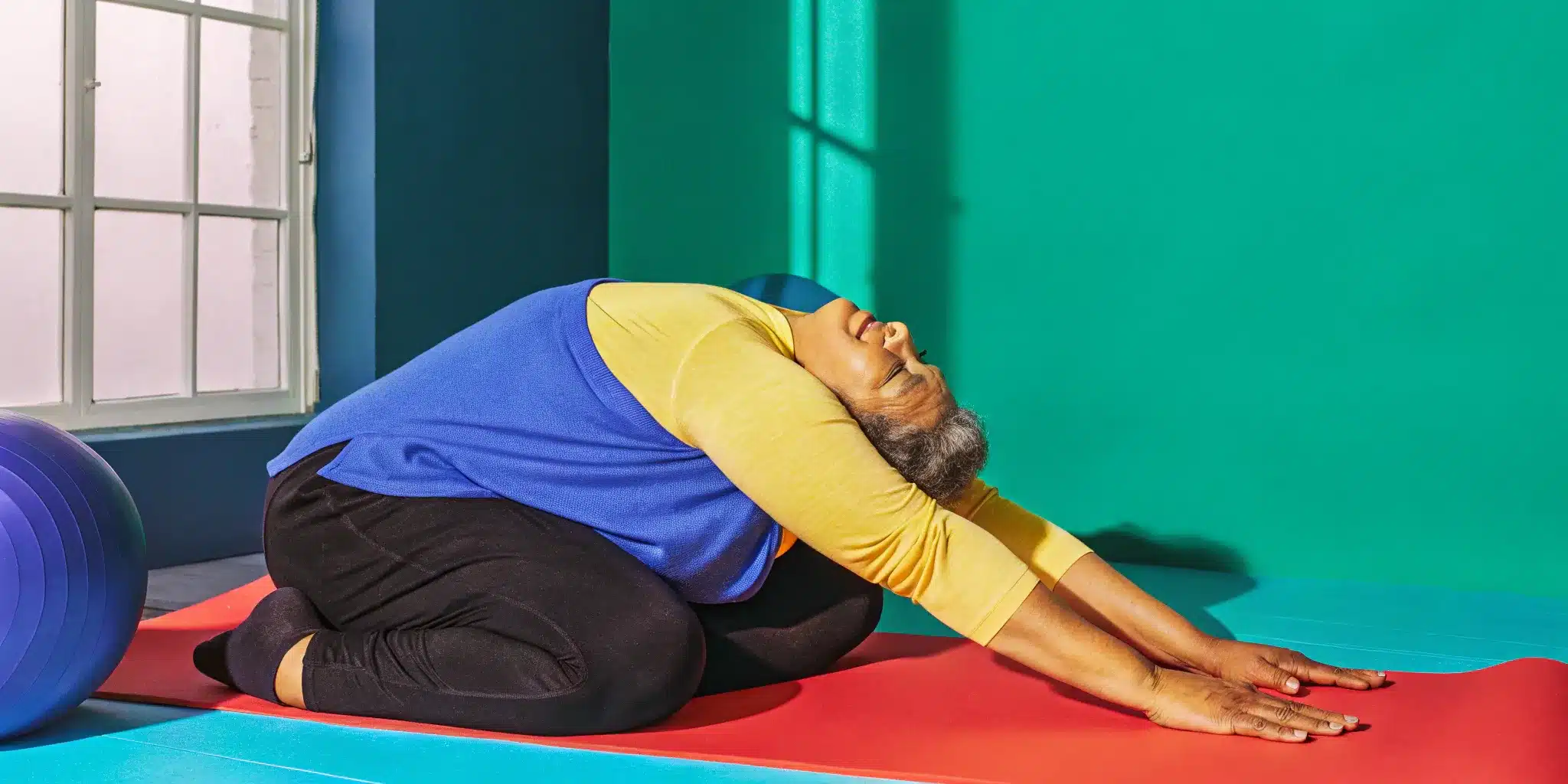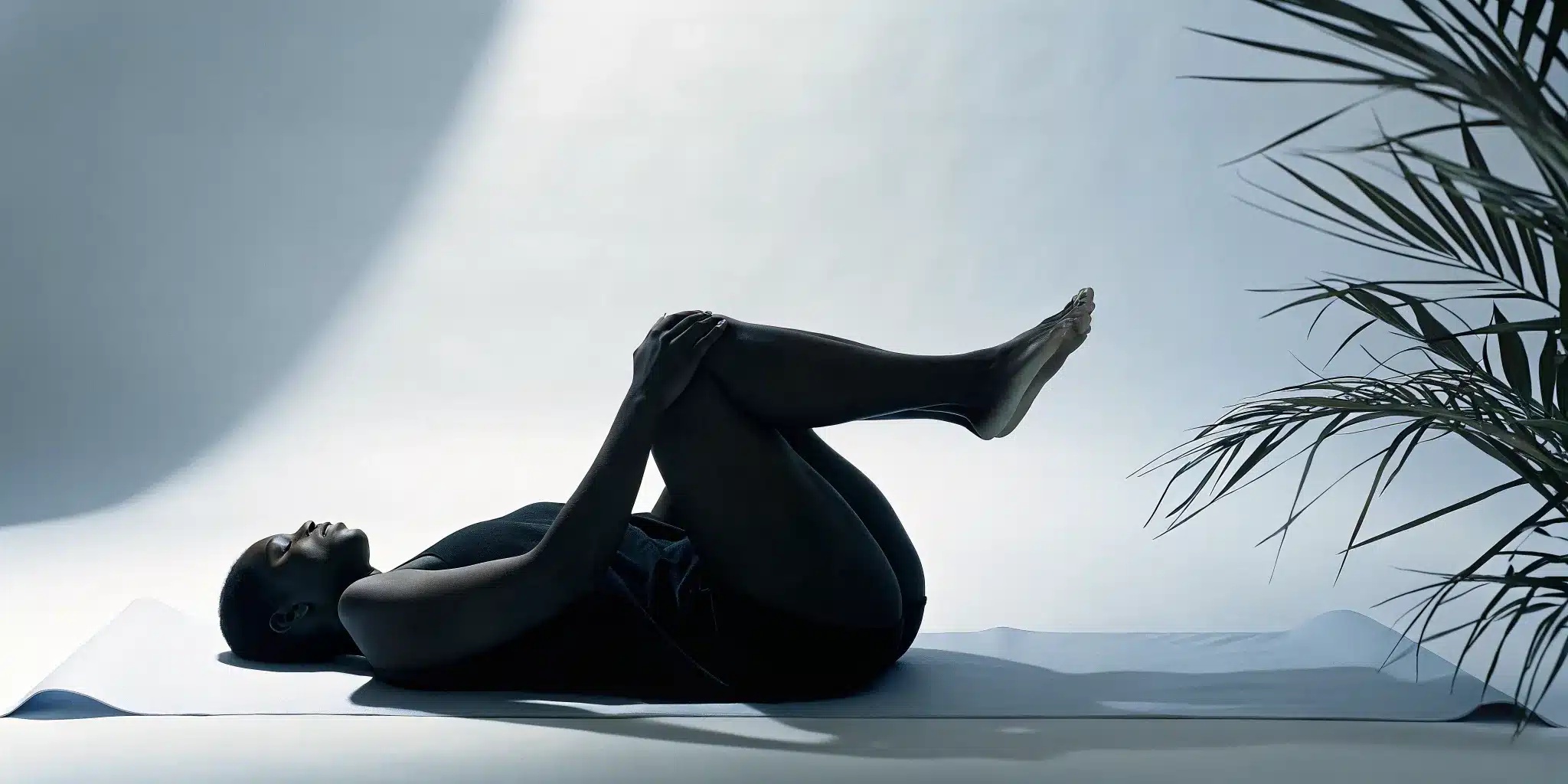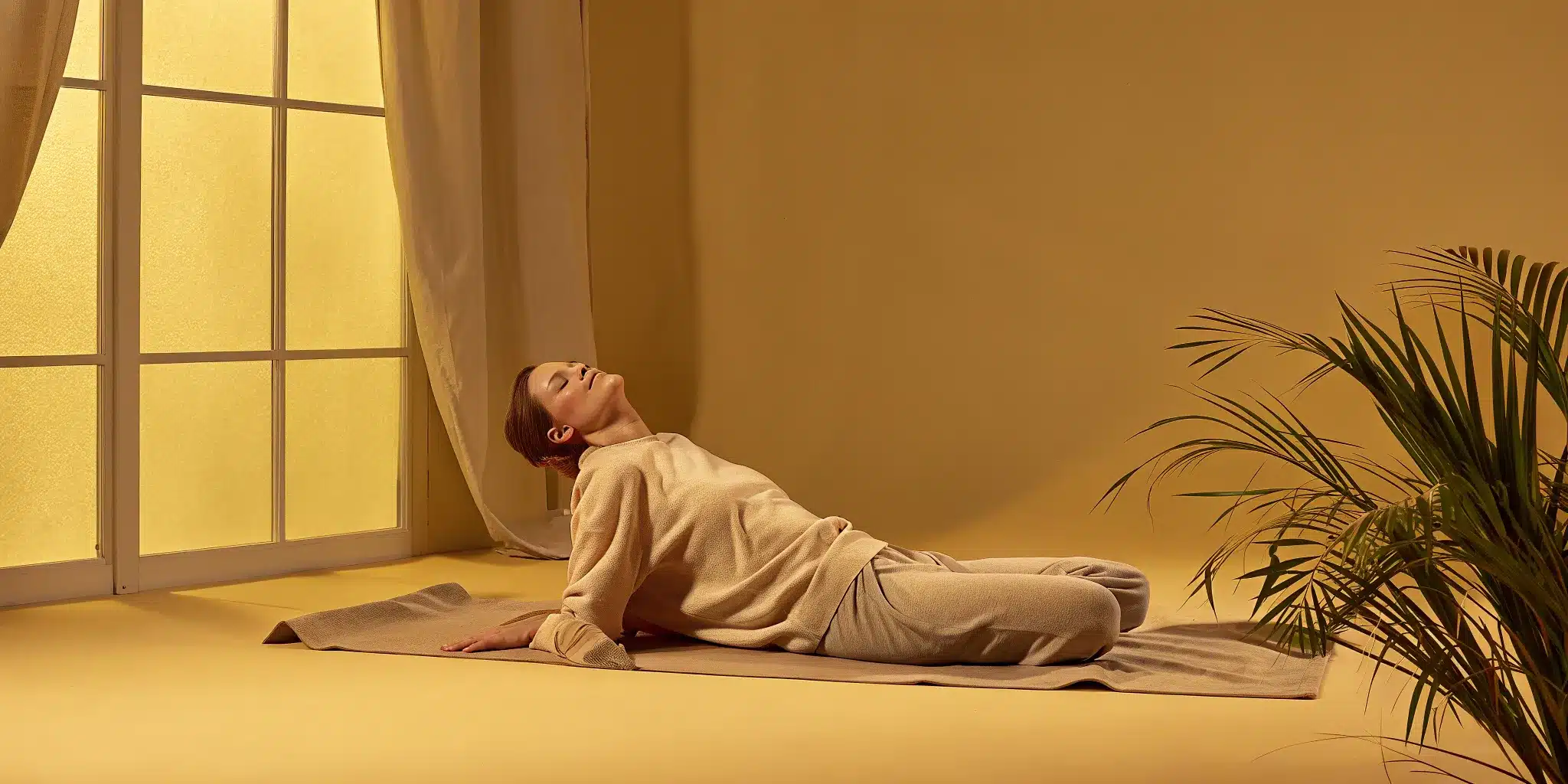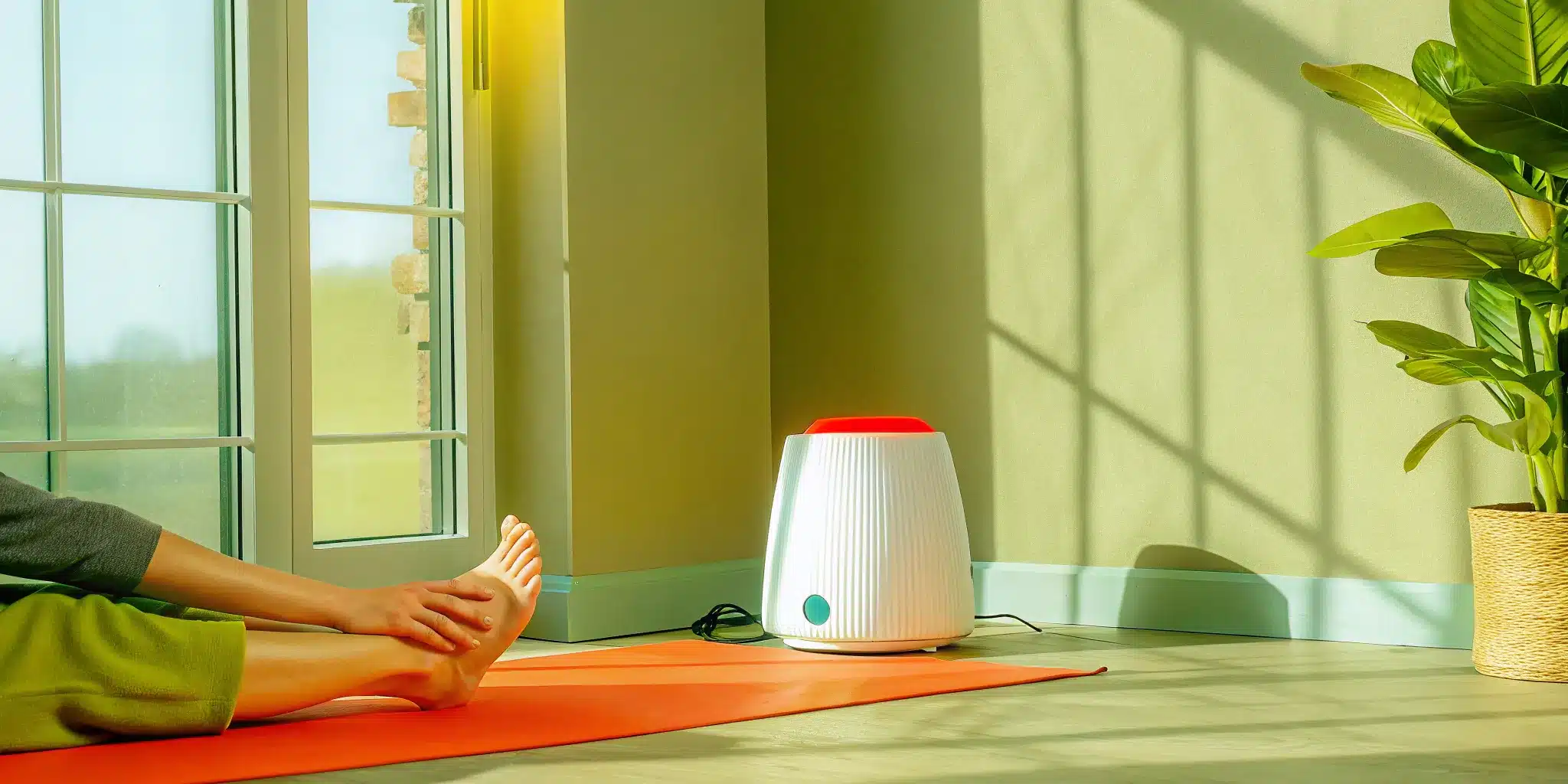
Sometimes leg tightness feels like a mystery. You didn’t run a marathon or start a new workout routine, yet your calves and hamstrings are screaming. The truth is, the source of muscle stiffness isn’t always obvious. It can be a quiet accumulation of daily stress, subtle dehydration, or even the lingering effects of an old injury you’d long forgotten. To find real relief, you have to play detective and uncover the hidden triggers. We’re here to help you connect the dots, exploring the less-common causes of stiffness and showing you how to relieve muscle tightness in legs by addressing the root of the problem, not just the symptoms.
Key Takeaways
- Identify the True Cause of Tightness: Your daily desk job, lingering stress, and even old injuries can contribute to tight legs just as much as a tough workout. Pinpointing the source is your first step toward finding effective relief.
- Create a Consistent At-Home Routine: Combine gentle, targeted stretches with self-massage and the smart use of heat for chronic soreness or cold for acute pain. A few minutes each day can make a significant difference in how your legs feel.
- Focus on Prevention and Professional Support: Small lifestyle habits like staying hydrated, taking movement breaks, and getting enough sleep are key to long-term comfort. When home care isn’t enough, professional assisted stretching can provide the targeted help you need to move freely again.
What Causes Tight Leg Muscles?
That familiar feeling of tight, achy legs can show up for many different reasons. It’s not just something that happens to athletes or after a tough workout. Sometimes, the culprit is your daily routine, your stress levels, or even an old injury that never quite went away. Understanding what’s causing the tightness is the first step toward finding real relief. Let’s look at some of the most common reasons your legs might be feeling stiff and sore.
How Your Workout Routine Affects Your Legs
Whether you’re a seasoned runner or just getting back into a fitness routine, your activity level plays a huge role in how your legs feel. Pushing your muscles too hard without giving them enough time to recover can lead to chronic tightness. When you exercise, you create tiny tears in your muscle fibers. The healing process is what makes them stronger, but without proper rest, those muscles can become overworked and stiff. It’s a delicate balance between challenging your body and giving it the downtime it needs to repair and rebuild.
The Impact of a Desk Job on Your Muscles
If you spend most of your day sitting at a desk, you’re probably no stranger to tight leg muscles, especially in your hamstrings and hip flexors. When you sit for hours on end, these muscles are held in a shortened position. Over time, your body adapts to this, and the muscles can lose their flexibility, leading to stiffness and discomfort. This is a common cause of the muscle stiffness that so many of us feel after a long day at the office. Even if you work out regularly, hours of sitting can counteract a lot of your hard work.
Why Stress Shows Up in Your Legs
It might seem strange, but your mental and emotional state can have a very real, physical impact on your body. When you’re stressed, your body goes into a “fight or flight” mode, releasing hormones that cause your muscles to tense up in preparation for action. If you’re dealing with chronic stress, your muscles may stay in a constant state of partial contraction. You might not even notice you’re doing it, but this sustained tension can lead to persistent tightness and pain in your legs and other parts of your body.
How Old Injuries Contribute to Tightness
Past injuries can have a lasting effect on your muscle flexibility. When your body heals from a sprain or tear, it forms scar tissue, which is less flexible than healthy muscle tissue. This can create tight spots and limit your range of motion long after the initial injury has healed. In some cases, persistent muscle tightness can also be a sign of an underlying health condition. If your tightness is severe, unexplained, or doesn’t improve with self-care, it’s always a good idea to check in with a doctor to rule out other issues.
Effective Stretches for Tight Leg Muscles
When your legs feel tight and achy, your first instinct might be to stay still. But gentle, consistent movement is one of the best things you can do to find relief. A regular stretching routine can help release tension, improve your range of motion, and ease the discomfort that’s holding you back. The key is to move slowly and intentionally, never pushing into sharp pain. Think of it as a conversation with your body, not a command.
Before you begin, find a comfortable spot and take a few deep breaths. The goal is to feel a gentle pull in the muscle, not to force it into a position it’s not ready for. We’re going to walk through four simple but powerful stretches that target the major muscle groups in your legs: the hamstrings, quadriceps, calves, and hip flexors. These areas are notorious for holding tension, especially if you spend a lot of time sitting or have a history of injuries. Tightness in one area can create a chain reaction, causing imbalances and pain elsewhere, like in your lower back or knees. By giving these specific muscles a little daily attention, you can start to improve your flexibility and feel more freedom in your movements. Remember to hold each stretch for about 30 seconds and to breathe throughout the entire movement—holding your breath can actually cause your muscles to tense up more. Consistency is more important than intensity, so even five minutes a day can make a world of difference over time.
Stretch Your Hamstrings
The hamstrings, which run along the back of your thighs, can get incredibly tight from prolonged sitting. This tightness can pull on your lower back and contribute to discomfort throughout your body. A simple seated stretch is a great way to give them some relief.
Sit on the floor with one leg extended straight out in front of you and the other bent with the sole of your foot against your inner thigh. Gently lean forward over the straight leg, reaching toward your toes until you feel a stretch in your hamstring. Don’t worry if you can’t touch your toes—just go as far as you comfortably can. Keep your back relatively straight to isolate the stretch in your leg. Hold for 30 seconds, breathing deeply, and then switch sides.
Release Your Quads
Your quadriceps are the large muscles at the front of your thighs, and they work hard to help you stand, walk, and climb stairs. Giving them a good stretch can feel amazing, especially after a long day on your feet.
To start, stand near a wall or chair for balance. Grab one ankle and gently pull your heel toward your glute, keeping your knees close together. You should feel a nice stretch along the front of your thigh. Stand up tall and try not to arch your back. Hold this position for about 30 seconds, then slowly release and switch to the other leg. If standing is uncomfortable, you can also perform this stretch lying on your side.
Loosen Your Calves
Do you ever get that tight, pulling sensation in your lower legs? That’s your calf muscles calling for a stretch. They can get tight from everything from walking to wearing certain types of shoes.
An easy and effective way to stretch them is by using a wall. Stand facing a wall and place your hands on it for support. Step one foot back, keeping that leg straight and your heel planted firmly on the floor. Gently lean into the wall until you feel a stretch in the calf of your back leg. Hold for 30 seconds. To target the lower part of the calf, bring your back foot in slightly and bend the knee while keeping your heel on the ground. Repeat on the other side.
Open Up Your Hip Flexors
If you have a desk job, your hip flexors are probably tight. These muscles at the front of your hips get short and tense from being in a seated position for hours, which can often lead to lower back pain.
A kneeling lunge is a fantastic way to open them up. Kneel on one knee, placing your other foot flat on the floor in front of you to create a 90-degree angle. Keeping your back straight and your core engaged, gently push your hips forward until you feel a stretch in the front of the hip of your kneeling leg. Be careful not to arch your lower back. Hold for 30 seconds, breathing into the stretch, before switching to the other side. This one stretch can make a huge difference in how your hips and back feel.
Relieve Tightness with Massage and Self-Care
Stretching is fantastic, but sometimes your leg muscles need a more direct approach to release deep-seated tension. That’s where massage and other self-care tools come in. By applying pressure to tight spots, you can help your muscles relax, improve blood flow, and find relief from that constant feeling of stiffness. Think of it as a focused conversation with your muscles, encouraging them to let go. These techniques are easy to do at home and can be a powerful complement to your stretching routine, helping you manage tightness between professional sessions and keeping your legs feeling more mobile and free.
Why Massage Works for Muscle Tension
Have you ever wondered why a good massage feels so incredible on sore muscles? It’s not just in your head. Massage helps reduce muscle pain and tension by increasing circulation, which brings more oxygen and nutrients to the tissues and helps flush out waste products. It also has a calming effect on your nervous system, which can signal your overworked muscles that it’s safe to relax. Even a quick 20-minute session can make a noticeable difference, helping your legs feel less constricted and more mobile. It’s a simple, effective way to address the physical and mental components of muscle tightness.
Try These At-Home Self-Massage Techniques
You don’t need a professional appointment to get the benefits of massage. Your own hands are a great starting point. You can start to ease muscle stiffness by simply rubbing the affected area gently a few times a day. For more targeted relief, you can use tools to apply deeper pressure. A massage gun can cover larger areas like your quads, while a simple tennis or lacrosse ball is perfect for working into specific knots in your calves or hamstrings. Just place the ball on the floor, position your tight muscle over it, and use your body weight to apply gentle, sustained pressure.
Get the Most Out of Your Foam Roller
A foam roller is one of the best tools for at-home muscle release. When you find a tight spot, slowly roll over it for 60 to 90 seconds. You’re looking for a “hurts so good” sensation—uncomfortable, but not sharply painful. To roll out your calves, for example, sit on the floor and place the roller under one calf. Support yourself with your hands behind you, lift your hips, and gently roll from just below your knee down to your Achilles tendon. For more pressure, you can cross your other leg on top. This technique helps break up adhesions and release tension throughout the muscle.
Soothe Your Muscles with Heat and Cold Therapy
Sometimes the simplest remedies are the most effective. When your legs feel tight and achy, turning to heat or cold therapy can make a world of difference. These methods are accessible, affordable, and easy to do at home. The key is understanding what your body needs in the moment. Heat and cold work in opposite ways to address different kinds of muscle discomfort.
Think of heat as a way to relax and loosen things up, while cold is your go-to for calming down inflammation and sharp pain. Using the right one at the right time can speed up your recovery and provide immediate relief. It’s like having a first-aid kit for muscle soreness right in your own home. Let’s walk through when to grab a heating pad versus an ice pack, and how to use them safely so you get all the benefits without any of the risks.
When to Reach for a Heating Pad
If you’re dealing with chronic stiffness, general soreness, or that deep, nagging ache that just won’t quit, heat is your best friend. Think of it as a warm, comforting hug for your muscles. Heat therapy works by increasing blood flow to the area, which helps relax tight muscles and soothe discomfort. It’s especially helpful before you stretch, as it can make your muscles more pliable and ready to release. You can use a heating pad, a warm compress, or simply soak in a warm bath or shower for 15 to 20 minutes to feel the tension melt away.
When an Ice Pack Is Your Best Friend
On the other hand, if you’re experiencing a new injury, sharp pain, or noticeable swelling, it’s time to cool things down. Cold therapy is the perfect response to acute pain and inflammation. An ice pack helps constrict blood vessels, which can reduce swelling and numb the area, providing temporary pain relief. If you’ve just finished a tough workout and your legs feel angry and puffy, or if you’ve tweaked something and feel a sharp twinge, applying cold for about 15 minutes can help calm things down quickly. A bag of frozen peas wrapped in a towel works just as well as a fancy ice pack.
How to Apply Heat and Cold Safely
Using heat and cold therapy is simple, but a few safety rules are important to follow. When using heat, make sure it’s comfortably warm, not painfully hot, and never fall asleep with a heating pad on. Limit your sessions to about 15-20 minutes. For cold therapy, the most important rule is to never apply ice directly to your skin. Always wrap your ice pack in a thin towel or cloth to create a barrier and prevent ice burn. Keep cold packs on for no more than 15 minutes at a time to protect your skin and nerves. Following these simple guidelines will ensure you get all the relief without any risk.
Prevent Tight Legs with Simple Lifestyle Changes
While stretching and self-massage are fantastic for immediate relief, the real secret to long-term comfort is prevention. Building healthy habits into your daily routine can stop muscle tightness before it even starts. Think of it as proactive care for your body. You don’t have to overhaul your entire life overnight; small, consistent actions are your best defense against recurring tightness and pain.
Making a few simple adjustments to how you move, what you eat and drink, and how you rest can have a profound impact on how your legs feel day-to-day. It’s about creating an environment where your muscles can thrive, not just survive. Let’s look at a few practical, easy-to-implement changes that can help you keep your legs feeling loose, flexible, and ready for anything.
Rethink Your Daily Movement
If you spend most of your day sitting, your leg muscles can become short and tight from inactivity. The key is to break up long periods of sitting with short bursts of movement. This doesn’t mean you need to run a marathon on your lunch break. Instead, focus on small, consistent actions. Set a timer to stand up, stretch, and walk around for a few minutes every hour. Take phone calls while standing or pacing. Even simple desk stretches can keep blood flowing and prevent your muscles from locking up. These little movement snacks throughout the day add up, making a huge difference in preventing stiffness.
The Role of Hydration and Nutrition
What you put into your body directly affects how your muscles function. Dehydration is a major cause of muscle cramps and tightness, so make sure you drink plenty of water throughout the day—aim for at least 64 ounces. Beyond water, certain nutrients are essential for muscle health. Focus on eating foods rich in magnesium and potassium, which help muscles relax and contract properly. You can find these powerful minerals in foods like leafy greens, nuts, seeds, and bananas. A well-hydrated and well-nourished body is far less likely to experience the kind of persistent muscle tightness that can disrupt your life.
Prioritize Sleep and Recovery
Never underestimate the power of a good night’s sleep. This is when your body does its most important repair work. During deep sleep, your body increases blood flow to your muscles, which helps repair the tiny tears that occur from daily activity and workouts. Aim to get 7-9 hours of quality sleep each night to give your muscles the time they need to fully recover. If you consistently shortchange your sleep, you’re robbing your muscles of this critical healing window, which can lead to chronic tightness and soreness. Creating a relaxing bedtime routine can be a great first step toward improving your sleep quality.
Check Your Footwear and Workspace
The things you use every day can have a surprisingly big impact on your leg muscles. Start from the ground up: your shoes. If your footwear lacks proper arch support or is worn out, it can alter your walking pattern and put unnecessary strain on your calves, hamstrings, and even your hips. Invest in supportive shoes and replace them when they show signs of wear. Similarly, take a look at your workspace. An improperly adjusted chair or a monitor at the wrong height can lead to poor posture, which often creates a chain reaction of tension that travels down your back and into your legs. Making small ergonomic adjustments can help alleviate this strain.
When to Seek Professional Help for Tight Legs
You’ve tried the foam roller, you’ve done the stretches, but that stubborn tightness just won’t quit. While at-home care is a fantastic first step, sometimes your body needs a professional eye to get to the root of the problem. Knowing when to ask for help is a huge part of taking care of yourself. Let’s talk about when it’s time to call in the experts.
Red Flags: When to See a Doctor
Most of the time, tight legs are just a sign of a good workout or a long day at your desk. But occasionally, they can signal something more. It’s important to listen to your body and know when to check in with a doctor. If your muscle stiffness hangs around for more than a few days or comes with other symptoms like fever, major weakness, or swelling, it’s time to make an appointment. These can be signs of a more serious underlying condition that needs medical attention. Similarly, if you’ve been consistent with home treatments and aren’t feeling any relief, a healthcare provider can help figure out what’s really going on and create a treatment plan.
How 1-on-1 Assisted Stretching Can Help
If your situation isn’t a medical red flag but your tight legs are still impacting your quality of life, professional assisted stretching might be your answer. Consider this path if you’ve been trying home remedies for a few weeks without much success, or if the tightness is making it hard to enjoy your daily activities. A trained professional can guide your body into deeper, more effective stretches than you can safely achieve on your own. They can assess your unique patterns of tightness and develop a personalized stretching plan tailored just for you, which is especially helpful for tackling chronic issues and getting you back to moving well.
Related Articles
- How to Loosen Tight Muscles in Legs: A Simple Guide – STRETCHMED
- 10 Essential Stretches for Tight Leg Muscles – STRETCHMED
- How to Loosen Tight Muscles in Legs for Good – STRETCHMED
Frequently Asked Questions
How often should I stretch to actually feel a difference? Consistency is far more important than intensity. You’ll get much better results from doing 10 minutes of gentle stretching every day than you will from one long, intense session on the weekend. Think of it as a daily conversation with your body to keep your muscles feeling loose and mobile.
Why are my legs so tight even though I don’t work out? This is incredibly common, so you’re not alone. Tightness isn’t just caused by exercise. If you spend a lot of your day sitting at a desk, your hamstrings and hip flexors are held in a shortened position for hours, which can lead to chronic stiffness. Stress also plays a big role, as it can cause your muscles to tense up without you even realizing it.
Is it better to use heat or ice for my tight legs? A great rule of thumb is to use heat for muscles that feel chronically stiff, sore, and achy. A warm bath or heating pad can help relax the muscles and increase blood flow. On the other hand, you should reach for an ice pack if you’re dealing with a new injury, sharp pain, or visible swelling, as the cold helps reduce inflammation.
Should I stretch if my muscles are already really sore? It depends on the type of soreness. If you’re feeling the general muscle ache that comes a day or two after a workout, gentle stretching can actually help ease the discomfort. However, if you feel any sharp, stabbing, or sudden pain, it’s best to stop and rest, as that could be a sign of an injury. Always listen to your body and never push through intense pain.
What makes professional assisted stretching different from what I do at home? While stretching on your own is fantastic, a trained professional can help you get a deeper and more effective stretch than you can safely achieve by yourself. They can isolate specific muscles and use their expertise to gently guide your body past its usual resistance points, helping to release long-held tension and address imbalances you might not even be aware of.