It’s easy to dismiss persistent stiffness and aches as a normal part of getting older. We often tell ourselves that feeling tight is just something we have to live with. But what if that isn’t true? What if that nagging tightness in your hips or the limited movement in your neck isn’t an inevitable decline, but a specific, solvable problem? The key is to stop guessing and start measuring. A professional range of motion assessment provides concrete data about how your joints are actually functioning. This information is incredibly empowering, giving you a clear, personalized path to improving your mobility and proving that feeling good in your body has no age limit.
Key Takeaways
- Understand Your Body’s Movement Potential: Your range of motion dictates how easily you perform daily tasks, from reaching for a mug to bending over. Recognizing your personal limits is the first step to moving more freely and with less pain.
- A Professional Assessment Creates a Clear Roadmap: A proper assessment isn’t a test; it’s a gentle process to gather information. It pinpoints the exact cause of your stiffness—be it muscle tightness or a joint issue—so you can get a targeted plan that actually works.
- Build Both Flexibility and Strength for Lasting Results: True mobility isn’t just about flexibility. A successful plan combines targeted stretching to lengthen tight muscles with strengthening exercises to create stable, supportive joints, ensuring you move with both freedom and control.
What is Range of Motion (and Why Should You Care)?
Have you ever felt a pinch in your shoulder reaching for a coffee mug or noticed your back feels stiff when you bend over? That feeling is directly related to your range of motion. Think of it as the freedom of movement your joints have. It’s not just for athletes or gymnasts; it’s a fundamental part of how you move through your day, from the simplest tasks to your favorite activities. Understanding your personal range of motion is the first step toward moving more freely and living with less pain. When your joints can move through their full, intended paths, everything from walking to carrying groceries becomes easier and more comfortable.
The Basics of Joint Mobility
At its core, Range of Motion (ROM) is simply a measurement of how far you can move a joint in a specific direction—from fully straight to fully bent and everything in between. Each joint has its own “normal” range, which involves a team effort from your muscles, ligaments, tendons, and bones all working together. Imagine a door hinge. When it’s working well, the door swings open and closed smoothly. But if the hinge gets rusty or blocked, it can only move a little. Our joints are similar. Good mobility means the hinge is well-oiled, allowing for smooth, unrestricted movement.
How ROM Affects Your Daily Life
Your range of motion impacts nearly everything you do. Good ROM means you can perform daily activities with ease and are generally less likely to get injured. Think about looking over your shoulder to change lanes, squatting to pick up a package, or reaching overhead to put something away. When your ROM is limited, your body has to find other ways to get the job done, often forcing other muscles and joints to compensate. This can lead to strain, discomfort, and chronic pain. Issues like joint stiffness, swelling from an old injury, or muscle tightness can all put a cap on your movement and hold you back from feeling your best.
The Different Ways to Measure Range of Motion
When a professional talks about assessing your range of motion, they’re not just looking at one thing. There are a few different ways to measure how your joints move, and each one tells a unique story about your body’s capabilities and limitations. Understanding these distinctions can help you make sense of your assessment results and appreciate the different approaches used to improve your mobility. Think of it as getting a complete picture of your joint health, not just a single snapshot. Each type of measurement provides valuable clues that can guide a personalized plan to help you move more freely and with less pain.
Active Range of Motion (AROM)
Active Range of Motion, or AROM, is all about what you can do on your own. It measures how far you can move a joint using only your own muscle power, without any outside help. When a physical therapist or stretch professional asks you to lift your arm or bend your knee, they’re checking your AROM. This measurement is a great indicator of your functional mobility—how well you can perform daily tasks like reaching for something on a high shelf or getting up from a chair. It reflects not just your joint’s flexibility but also your muscle strength and control, making it a vital part of any rehabilitation program.
Passive Range of Motion (PROM)
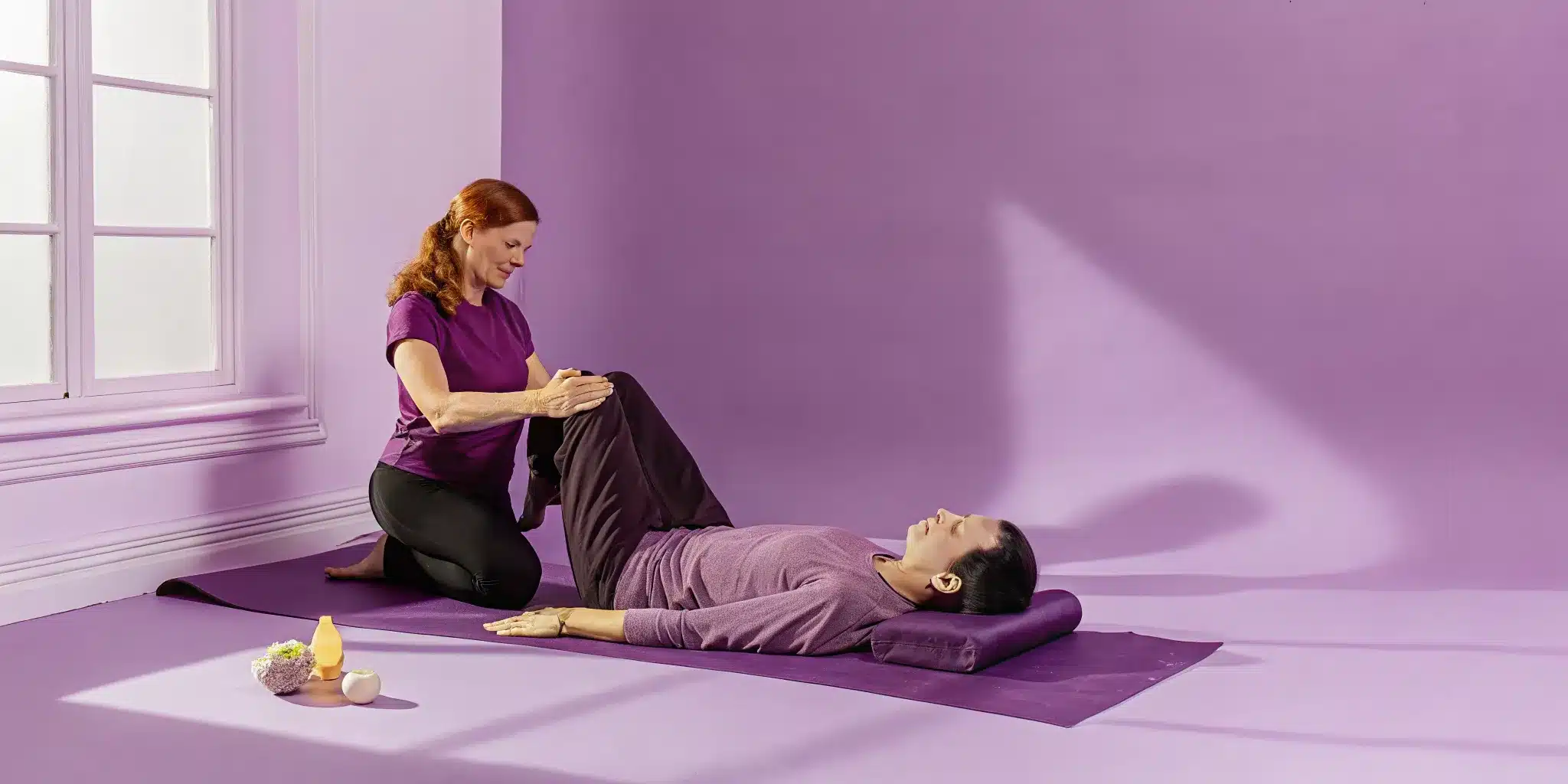
Passive Range of Motion, or PROM, measures your joint’s potential. During this assessment, you relax completely while a therapist gently moves the joint for you. Since your muscles aren’t doing any of the work, PROM shows the true extent of your joint’s flexibility, independent of muscle strength or weakness. This is incredibly useful for identifying issues with the joint itself, like stiffness in the joint capsule or tightness in the surrounding ligaments. If your passive range of motion is greater than your active range, it often suggests that muscle weakness, not joint restriction, is limiting your movement. This is a key piece of information for creating an effective treatment plan.
Active-Assistive Range of Motion (AAROM)
Think of Active-Assistive Range of Motion (AAROM) as the teamwork approach. With this method, you actively move your joint as far as you can, and then a therapist, a device, or even your other hand provides a little help to complete the movement. AAROM is often used during recovery from an injury or surgery when your muscles are too weak to move the joint through its full range on their own. It’s a fantastic way to encourage muscle engagement and rebuilding while still providing the support needed to move the joint safely. This method acts as a bridge, helping you transition from passive to fully active movement as you regain strength and confidence.
What Happens During a ROM Assessment?
If you’ve never had a range of motion assessment, you might be picturing something complicated or intense. The good news is, it’s a straightforward and collaborative process designed to understand your body’s unique capabilities. It’s all about gathering information so we can create a plan that’s tailored specifically to you. There’s no pass or fail—just a clear path forward to help you move and feel better. The entire assessment is a gentle process focused on seeing what your body can do comfortably. We’ll guide you through each step, making sure you feel secure and informed from start to finish. Think of it as the first conversation in a longer dialogue with your body about what it needs to thrive.
Getting into Position
First things first, we’ll make sure you’re comfortable. You’ll likely be sitting or lying down in a relaxed position. To get a clear picture of your body’s movement patterns, we often start by assessing your unaffected or less painful side. This simple step is incredibly helpful because it establishes a personal baseline for what your unique, healthy range of motion looks like. It gives us a reference point to compare against the side that’s giving you trouble. This way, we’re not just looking at numbers on a chart; we’re comparing your body to itself, which leads to a much more accurate and personalized understanding of your needs.
The Step-by-Step Measurement Process
Once you’re settled, we’ll gently guide you through a series of simple movements. This might involve actions like bending your knee toward your chest, lifting your arm out to the side, or rotating your head. As you move, a trained specialist will use specific tools to get precise measurements. For joints like your elbow or shoulder, they’ll likely use a goniometer, which looks a bit like a protractor, to measure the angle in degrees. For your spine, they might use a tape measure or an inclinometer. It’s important to remember that your results are interpreted in context. We always consider factors like your age, activity level, and personal history when evaluating your test results.
How to Read Your Results
After the measurements are complete, we’ll walk you through what they mean. If the assessment shows a limited range of motion in certain areas, it’s not a cause for alarm—it’s a valuable clue. These results help us understand the underlying reasons for any stiffness, pain, or mobility challenges you’re experiencing. Think of it as a roadmap that highlights exactly where your body needs a little extra support. From there, we can discuss the best next steps. For many people, a targeted stretching and mobility plan is the key to restoring movement and finding relief. The assessment gives us the data we need to build that plan just for you.
What Tools Measure Your Range of Motion?
When a professional assesses your range of motion, they don’t just eyeball it. To get a clear and objective picture of your joint mobility, they use specialized tools designed for precision. Think of it like using a measuring cup instead of just guessing the amount of flour for a recipe—accuracy matters. These instruments help establish a baseline, track your progress over time, and pinpoint exactly where limitations exist. While they might look a little intimidating, they are simple, painless, and essential for creating a stretching plan that’s tailored specifically to your body’s needs. Using the right tools ensures your assessment is based on solid data, not guesswork.
Using Goniometers for Precise Angles
The most common tool you’ll see during a ROM assessment is a goniometer. It essentially looks like a protractor with two long arms attached. A practitioner places the center of the goniometer on your joint and aligns the arms with your bones. As you move, the tool measures the angle of your joint in degrees, giving a precise number for your mobility. Goniometers come in all shapes and sizes to fit different parts of the body, from the small joints in your fingers to larger ones like your hip or knee. This versatility makes them the gold standard for range of motion testing and a go-to for physical therapists and stretching professionals.
Inclinometers and Other Digital Tools
For measuring spinal flexibility, practitioners often turn to an inclinometer. This tool is specifically designed to measure angles of slope, making it perfect for assessing the curve of your neck, upper back, and lower back. Sometimes, a practitioner might use two at once—a method called dual inclinometry—to get an even more accurate reading of your spine’s movement. While a goniometer measures the angle between two limbs, an inclinometer measures the movement in relation to gravity. It’s another way to gather detailed information, ensuring every part of your body’s mobility is accounted for.
How Technology Helps Modern Assessments
Technology is making ROM assessments quicker and more accurate than ever. Advanced systems like the ROM-SPORT I battery use a specialized inclinometer to check multiple lower-body movements in one go, from your hip to your ankle. This high-tech approach offers a huge advantage: it provides fast, precise angle measurements without the practitioner needing to manually mark specific points on your body. This streamlines the process and reduces the chance of human error. The ongoing assessment of the range of movement with new technologies helps ensure you get the most reliable data about your body’s capabilities.
Assessing Range of Motion Across the Body
Your body isn’t a single unit when it comes to flexibility; different areas have entirely different needs and capabilities. Think about it: the way your shoulder moves is completely different from how your knee bends. That’s why a thorough range of motion assessment looks at your body in sections. By understanding the mobility of your upper body, lower body, and spine individually, you can get a clear picture of where you’re moving well and where you might need a little more support.
This targeted approach is key to creating an effective plan for feeling better. If you’re struggling with tightness in your hips but your shoulders feel great, you’ll want to focus your efforts where they matter most. Pinpointing these specific areas of limitation is the first and most important step toward regaining freedom of movement and living with less pain. A comprehensive assessment breaks down your body’s movement patterns to find the root cause of your discomfort. It’s not just about seeing how far you can bend; it’s about understanding the quality of that movement and identifying any compensations your body might be making. For example, you might think your shoulder is flexible, but the assessment could reveal that your shoulder blade is doing most of the work, leading to strain over time. Let’s walk through how mobility is typically measured in these three core areas of the body.
Measuring Upper Body Mobility
From reaching for something on a high shelf to simply brushing your hair, your upper body mobility plays a huge role in your daily life. When we talk about assessing this area, we’re primarily looking at the shoulders, elbows, and wrists. Each of these joints has a specific movement potential that allows you to lift, pull, push, and rotate your arms.
During an assessment, a professional will look at how far you can move each joint through its natural planes of motion. For example, they might check how far you can lift your arm straight in front of you or out to the side. To get an exact measurement, they often use a tool called a goniometer, which looks a bit like a protractor and measures the angle of your joint’s movement.
Checking Your Lower Body’s Movement
Your lower body is your foundation. The range of motion in your hips, knees, and ankles determines how you walk, run, squat, and climb stairs. Good mobility here is essential not just for athletes looking to perform better, but for anyone who wants to move through their day with ease and stability. Limited movement in your lower body can often be traced back to joint injuries, muscle tightness, or conditions like arthritis.
An assessment of your lower body will involve checking movements like bending your knee, lifting your leg, and flexing your ankle. A practitioner will observe how smoothly and how far you can move before feeling restriction or discomfort. This helps identify imbalances or specific areas of stiffness that could be contributing to pain or putting you at a higher risk for injury.
Evaluating Spinal Flexibility
Your spine is the central pillar of your body, and its flexibility is crucial for everything from bending over to tie your shoes to twisting to look behind you. Unlike the ball-and-socket joint of your shoulder, your spine is a complex column of vertebrae. Assessing its range of motion involves looking at how well you can bend forward (flexion), lean backward (extension), and twist from side to side (rotation).
Professionals use a few different methods to measure this. Sometimes, they’ll use a simple measuring tape for specific tests that track how much your lower back stretches. In other cases, they might use Passive ROM testing, where they gently guide your spine through its range of motion to feel where the movement stops. This helps them understand your spine’s true flexibility without muscle engagement getting in the way.
What Causes a Limited Range of Motion?
If you’ve ever felt like your body just doesn’t move the way it used to, you’re not alone. A limited range of motion can sneak up on you, making it harder to reach for something on a high shelf or bend down to tie your shoes. It’s not just one thing that causes this stiffness; it’s usually a combination of factors. Understanding the root cause is the first step toward moving more freely and feeling better in your body. From the natural process of aging to the lingering effects of an old injury, let’s look at some of the most common reasons why your joints might feel restricted.
How Age and Joint Health Play a Role
As we get older, it’s natural for our bodies to change. Our joints, which have been working hard for decades, can start to feel stiffer. The cartilage that cushions them can wear down, and the synovial fluid that keeps them lubricated can decrease, leading to less flexibility. This is a normal part of aging, but that doesn’t mean you have to accept it as your new normal. An inactive lifestyle can speed up this process, while staying active can help maintain your range of motion for years to come. It’s all about understanding how your body works so you can give it the support it needs.
The Impact of Injuries and Surgery
Injuries are a major culprit behind a limited range of motion. Whether it’s a sprained ankle, a torn rotator cuff, or a pulled muscle, damage to a joint or its surrounding tissues can seriously restrict your movement potential. Your body’s natural healing process, while amazing, can sometimes create scar tissue that is less flexible than your original tissue. The same goes for surgery. While an operation can fix a structural problem, the recovery process can lead to stiffness and a temporary (or sometimes permanent) decrease in mobility if not managed with proper stretching and rehabilitation. Giving your body the right tools to heal is crucial for regaining your full range of motion.
Muscle Tightness, Weakness, and Chronic Pain
Sometimes, the problem isn’t the joint itself but the muscles surrounding it. Chronically tight muscles can pull on a joint, preventing it from moving through its full arc. On the flip side, weak muscles can fail to provide adequate support, leading to instability and restricted movement. This often creates a frustrating cycle with chronic pain. When something hurts, your natural instinct is to stop moving it, but that lack of movement leads to even more stiffness and weakness. Conditions like arthritis or bursitis can also contribute to this cycle, making it difficult to perform even simple daily activities without discomfort.
Keys to an Accurate ROM Assessment
Getting an accurate range of motion assessment is about more than just seeing how far you can bend or twist. It’s about getting a true, honest picture of your joint health so you can create a plan that actually works. A precise measurement is the foundation for effective treatment, ensuring that any stretching or mobility work is tailored perfectly to your body’s needs. To do this, a trained professional focuses on a few key principles to make sure the results are reliable and truly reflect your current mobility.
Setting Your Baseline
To understand what’s limiting you, we first need to know what’s normal for you. That’s why a good assessment often starts by looking at your unaffected side. For example, if your right shoulder is giving you trouble, the practitioner will likely measure the movement in your left shoulder first. This simple step provides a personal baseline. It shows what your body is capable of without pain or restriction and helps the professional understand your unique movement patterns before assessing the range of motion on the affected side. It’s a gentle, smart way to begin the process.
How to Avoid “Cheating” the Movement
Have you ever tried to lift your leg and found your whole hip hiking up with it? That’s what’s known as a “compensatory movement.” It’s your body’s clever way of “cheating” to achieve a movement that a specific joint can’t handle on its own. While it’s a natural instinct, these compensatory movements can mask the real issue and lead to inaccurate measurements. A skilled practitioner knows how to spot this. They will gently stabilize surrounding areas to isolate the joint being tested, ensuring the measurement reflects its true capacity and not the efforts of other body parts.
Working with Your Body, Not Against It
A range of motion assessment should never feel like a contest or a test you can fail. The goal is to work with your body, not against it. This is especially true when measuring your Active Range of Motion (AROM), which is how far you can move a joint using only your own muscles. A professional will always prioritize your comfort, encouraging you to move only as far as you can without strain. The process is about gathering information in a supportive way. It’s a partnership aimed at understanding your body’s current limits so you can safely and effectively work to expand them.
How to Improve Your Range of Motion
Getting a clear picture of your current range of motion is the first step. The next, and most empowering, step is taking action to improve it. The great news is that with consistency and the right approach, you can absolutely increase your mobility, reduce stiffness, and move with greater ease. It’s not about forcing your body into painful positions, but rather about gently and intelligently encouraging it to find more freedom.
A truly effective plan for better movement rests on three core pillars: targeted stretching to lengthen tight muscles, strengthening exercises to build a stable support system for your joints, and professional guidance to help you safely push past limitations. By combining these strategies, you create a balanced routine that addresses mobility from all angles. This ensures you’re building a body that’s not just flexible, but also strong, resilient, and better equipped to handle daily life without pain.
Targeted Stretches for Better Flexibility
If you feel tight, your first instinct is probably to stretch—and that’s a great start! But to make real progress, it helps to be specific. Think of it like this: you wouldn’t use a hammer to fix a leaky faucet. Similarly, generic stretches might not address your unique limitations. A proper assessment can pinpoint whether your stiffness is coming from connective tissues like ligaments and tendons or the joint itself. Once you know the source, you can focus on targeted stretching to lengthen those specific muscles and tissues. For example, if tight hamstrings are limiting your forward bend, dedicated hamstring stretches will be far more effective than a general full-body routine. This focused approach ensures your effort goes exactly where it’s needed most.
Strengthening Exercises to Support Your Joints
Flexibility without strength can leave your joints feeling unstable. That’s why building muscle is a crucial part of improving your range of motion. Strong muscles act like a support system for your joints, taking on the load and allowing them to move smoothly through their full range. Limited mobility can stem from many issues, including old injuries, swelling, or arthritis. By incorporating strengthening exercises, you help stabilize the area, reduce strain, and build the endurance needed for fluid movement. You don’t need to become a bodybuilder—simple, controlled movements like glute bridges, planks, and bodyweight squats can make a world of difference in creating a strong, supportive frame for your body.
The Role of Professional and Assisted Stretching
Sometimes, you need an expert hand to guide your body past its usual sticking points. This is where professional and assisted stretching comes in. There are a few ways this works, including Passive Range of Motion (PROM), where a therapist or stretch professional moves your joint for you. There’s also Active-Assistive Range of Motion (AAROM), where you initiate the movement and get some help to go a little further. This hands-on approach is incredibly effective because it allows your muscles to relax fully, helping you achieve a deeper, safer stretch than you could on your own. It’s an amazing tool for anyone, but especially for those recovering from an injury or dealing with chronic pain who need a gentle, guided approach to movement.
When Should You Get a Professional ROM Assessment?
Deciding to get a professional opinion on your range of motion is a proactive step toward feeling better in your body. But how do you know when it’s the right time? While some minor stiffness after a workout or a long day of sitting is normal, persistent limitations can signal an underlying issue that needs attention. Listening to your body is key. If you feel like something is holding you back from moving freely and comfortably—whether it’s reaching for something on a high shelf or simply getting out of bed without groaning—it’s probably time to get a clear, expert assessment.
Think of it as gathering the information you need to create a roadmap back to feeling your best. A professional evaluation provides a concrete baseline, helping you understand exactly where your limitations are so you can work on them effectively. It moves you from guessing what might be wrong to knowing what needs to be done. Instead of trying random stretches you found online, you get a targeted approach based on your unique physiology. This isn’t about finding flaws; it’s about gaining the knowledge to improve your quality of life, reduce chronic pain, and get back to the activities you love with confidence and ease.
Warning Signs to Look For
Your body is great at sending signals when something isn’t right. A limited range of motion often comes with clear warning signs that are easy to dismiss as just part of getting older or being sore. Pay attention if you experience persistent swelling or stiffness in a joint, or if you feel a “blocking” sensation that stops you from moving fully. These issues can stem from many causes, including arthritis or old injuries to a joint. For those who are active, a restricted ROM can be a major red flag, making you more susceptible to common problems like hamstring strains or knee pain. If everyday movements like looking over your shoulder to back up your car feel like a struggle, that’s your cue to seek a professional opinion.
The Benefits of an Expert Evaluation
Getting a professional ROM assessment takes the guesswork out of understanding your body. Instead of wondering why you feel tight or sore, you get precise, objective data. A trained professional uses specific tools and methods to measure your joint angles accurately, providing a clear picture of your mobility. But it’s about more than just numbers. Experts evaluate ROM test results by considering the whole you—your age, activity level, and health history. This personalized approach helps identify the root cause of your limitations, whether it’s muscle tightness, joint issues, or something else. With this information, you can get a targeted plan designed to help you move better and live with less pain.
Debunking Myths About ROM Testing
If the thought of having your joints moved and measured makes you a little nervous, you’re not alone. For anyone living with chronic pain or recovering from an injury, the idea of an assessment can bring up fears of discomfort or being pushed too far. Let’s clear the air on a few things. A range of motion assessment is not a test of your pain tolerance. It’s a gentle, information-gathering process designed to help a professional understand your body’s unique needs.
The entire point is to find a safe starting line for your journey toward better mobility. A trained practitioner’s goal is to see what your body can do comfortably, not to force it into positions that cause pain. Think of it as a conversation with your body, where the practitioner is simply listening to what your muscles and joints have to say. This process is all about establishing a baseline so you can track your progress and celebrate your wins. It’s a foundational step toward creating a personalized plan that helps you move more freely and with less pain.
Pain and Assessments: What to Really Expect
One of the most persistent myths is that a range of motion assessment will be painful. Let’s put that one to rest right now. While you might feel a gentle stretch, the process should never cause sharp or significant pain. The old saying “no pain, no gain” simply doesn’t apply here; in fact, many physical therapy principles are built around working with your body, not against it. Your feedback is the most important part of the process. A good practitioner will encourage you to communicate your comfort levels every step of the way and will adjust or stop immediately if you feel any real discomfort. This is a key difference between a productive assessment and an unsafe one.
Why Gentle Techniques Are Key
Practitioners use specific, gentle methods to ensure your assessment is both safe and accurate. For example, they often use passive range of motion (PROM), where they support your limb and move it for you. This technique is incredibly helpful because it allows them to feel the joint’s movement without you having to engage your muscles. As experts explain, “passive ROM is often used right after an injury or surgery, or if you can’t move on your own.” This approach helps prevent stiffness and allows for an accurate measurement without straining your body, making it a cornerstone of a safe and effective assessment.
Related Articles
- What Is Passive Range of Motion? A Beginner’s Guide – STRETCHMED
- The Purpose of Range of Motion & Why You Need It – STRETCHMED
- 7 Gentle Shoulder Mobility Exercises for Seniors – STRETCHMED
- Contraindications of Stretching: A Safety Guide – STRETCHMED
Frequently Asked Questions
Is a range of motion assessment the same as a flexibility test? That’s a great question, and while the two are related, they aren’t exactly the same. Think of flexibility as one piece of the puzzle—it refers to how far your muscles can lengthen. Range of motion is the whole picture; it’s the full movement potential of a specific joint. Your assessment looks at not just your muscles, but also how your bones, ligaments, and joint capsule all work together to allow for movement.
Will improving my range of motion completely fix my chronic pain? Improving your range of motion is a powerful step toward managing and reducing chronic pain. When your joints move as they should, you put less strain on your body, correct movement patterns that cause discomfort, and reduce overall stiffness. While it can bring incredible relief and is a key component of feeling better, it’s most effective when viewed as part of a complete approach to your well-being.
I feel stiff, but I’m not injured. Do I still need a professional assessment? Absolutely. You don’t have to be in pain or recovering from an injury to benefit from an assessment. Think of it as a proactive check-in with your body. An assessment can uncover minor imbalances or areas of restriction before they turn into bigger problems. It gives you a clear baseline of your body’s unique movement patterns, which is valuable information for preventing future pain and staying active.
How long does it take to see improvements in my range of motion? This really varies from person to person, as it depends on what’s causing your limitations and how consistent you are with your routine. However, many people start to feel a noticeable difference in their daily movements within a few weeks of starting a targeted stretching and mobility plan. The key is consistency over intensity; small, regular efforts add up to significant changes over time.
Can I just do stretches on my own, or is assisted stretching really that different? Stretching on your own is definitely beneficial for maintenance. However, assisted stretching offers a unique advantage. A trained professional can help you move past your usual sticking points safely, achieving a deeper and more effective stretch than you could on your own. They help isolate the correct muscles and ensure your body is properly aligned, which takes the guesswork out of the process and often leads to faster, more lasting results.