Nighttime leg pain can feel like a mystery, but it’s often your body’s way of sending a clear signal. That persistent ache or sudden cramp is usually a sign that your muscles are missing something—whether it’s proper hydration, key minerals like potassium, or simply a chance to release the tension built up from the day. Learning to interpret these signals is the key to finding a solution that works. This guide will help you decode what your legs are trying to tell you. We’ll cover the most common causes of nighttime discomfort and give you a clear, effective plan for how to relax leg muscles at night for good.
Key Takeaways
- Proactively Care for Your Legs During the Day: Nighttime leg pain often starts with your daytime habits. Stay ahead of discomfort by drinking plenty of water, eating mineral-rich foods like bananas and spinach, and taking short breaks to walk and stretch if you sit or stand for long periods.
- A Simple Stretching Routine Can Prevent Nighttime Pain: You don’t need a complicated workout to find relief. Just five to ten minutes of gentle, targeted stretching for your hamstrings, calves, and quads before bed can release built-up tension and significantly reduce the chances of being woken up by aches or cramps.
- Address Cramps in the Moment and Know Your Limits: When a cramp strikes, gently stretch the affected muscle and apply heat to soothe it. While these at-home methods are effective, don’t ignore persistent or severe pain—it’s a sign to seek professional guidance for a more personalized solution.
Why Do My Legs Ache at Night?
Waking up to throbbing, aching, or cramping legs is one of the most frustrating ways to have your sleep interrupted. If you find yourself wrestling with your own legs when you should be resting, you’re not alone. The good news is that you can often trace the cause back to a few key areas in your daily life. Understanding what’s triggering the discomfort is the first step toward finding lasting relief and enjoying more peaceful nights.
The Role of Dehydration and Electrolytes
It’s easy to fall behind on hydration during a busy day, but your muscles are often the first to notice. When your body is low on fluids, your muscles can become tight and are much more prone to cramping. It’s not just about water, either. Electrolytes—minerals like potassium, magnesium, and calcium—are crucial for proper muscle function. An imbalance can disrupt the signals between your nerves and muscles, leading to those painful, involuntary contractions. Making sure you’re consistently hydrated and eating potassium-rich foods can make a significant difference in how your legs feel at the end of the day.
How Your Daily Posture Affects Your Nights
The way you sit, stand, and even lie down all day has a cumulative effect that can show up at night. If you spend hours at a desk or on the couch, you might be holding positions that put sustained pressure on your lower back and hips. This can squeeze nerves in your lower back, which then send faulty signals down to your leg muscles, causing them to ache or cramp. Even the way you sleep can contribute. Poor alignment can strain your muscles and joints, leaving you to wake up feeling stiff and sore. Becoming more mindful of your posture throughout the day can help prevent this nighttime payback.
Underlying Health and Medication Factors
While often linked to lifestyle habits, persistent leg pain can sometimes be your body’s way of flagging a deeper issue. In some cases, leg cramps can be a sign of more serious health problems related to circulation, nerve function, or metabolic conditions. Certain medications, including some used to manage cholesterol, blood pressure, or depression, can also list muscle pain as a side effect. If your leg aches are severe, frequent, or accompanied by other concerning symptoms, it’s always a good idea to chat with your doctor. They can help you rule out any underlying conditions and ensure your treatment plan is on the right track.
The Best Stretches for Nighttime Leg Relief
If you’ve ever been jolted awake by a sudden, sharp pain in your leg, you know how disruptive nighttime cramps and aches can be. Often, this discomfort is simply your body’s way of telling you that your muscles are tight and overworked from the day. The good news is that you don’t have to just live with it. Creating a simple pre-bed stretching routine can work wonders for relaxing your muscles, improving circulation, and preventing those middle-of-the-night wake-up calls.
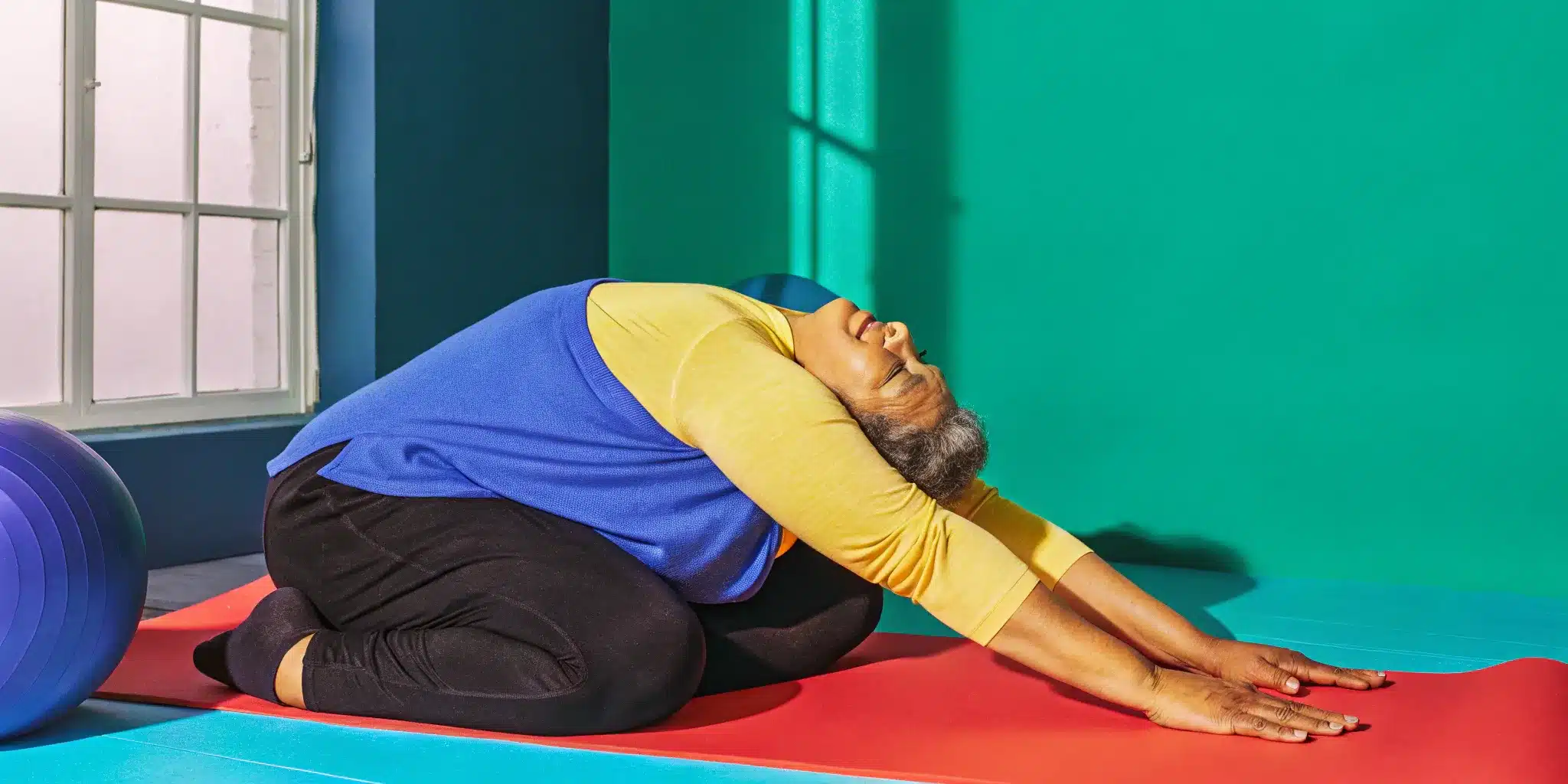
Think of it as a quiet conversation with your body before you turn in. By spending just five to ten minutes gently lengthening the muscles that work so hard for you all day, you’re setting yourself up for a more peaceful, restorative sleep. We’re not talking about a full-on workout session—just a few targeted movements to release tension in the most common trouble spots. Focusing on your hamstrings, calves, and hips can provide incredible relief and help your legs feel calm and ready for rest.
Ease Tight Hamstrings
Your hamstrings, the large muscles running down the back of your thighs, have a big job. They connect to your pelvis and can affect everything from your lower back to your knees. When they’re tight, they can pull on your lower back and put pressure on the nerves that run down your legs, which is a common cause of nighttime pain. To give them a good release, try a simple hamstring stretch. Find a low, stable surface like a stool or the bottom step of a staircase. Place one heel on it, keeping that leg straight. Gently lean your chest forward until you feel a stretch in the back of your thigh. Hold for 10 seconds, then repeat 10 times on each side.
Relax Your Calves
Calf cramps are notorious for striking just as you’re drifting off to sleep. These muscles get a lot of use from walking and standing, and they can easily become tight and dehydrated. A classic wall stretch is one of the most effective ways to relieve a cramp and prevent future ones. Stand facing a wall with your hands on it for support. Step one leg back, keeping it straight with your heel planted firmly on the floor. Gently lean forward by bending your front knee until you feel a stretch in the calf of your back leg. Hold this position for 20 to 30 seconds before switching legs. Repeat two or three times on each side for the best results.
Release Your Hips and Quads
Many of us spend a good portion of the day sitting, which can lead to incredibly tight hip flexors and quadriceps (the muscles at the front of your thighs). This tension doesn’t just disappear when you lie down; it can contribute to aches and restlessness. A standing quad stretch is a fantastic way to open up the front of your body. Stand tall, holding onto a wall or chair for balance if you need to. Grab your right foot and gently pull your heel toward your glute, feeling a stretch along the front of your thigh. Keep your knees aligned and avoid arching your back. Hold for 20-30 seconds, then switch sides. This simple move can make a huge difference in how your legs feel overnight.
Eat and Drink Your Way to Happier Muscles
What you put on your plate and in your glass throughout the day can make a world of difference in how your legs feel at night. Think of food and water as essential tools for muscle maintenance. When your muscles don’t get the right fuel and hydration, they can become tight, sore, and prone to cramping—especially when you’re trying to rest. Proper nutrition helps your muscles repair themselves from daily activities, while staying hydrated keeps them pliable and functioning smoothly. Making a few simple, intentional choices with your diet is a powerful way to support your body’s recovery process. It’s not about a complete overhaul, but about incorporating specific foods and habits that give your muscles what they need to relax and rebuild overnight.
Key Minerals Your Muscles Need
Ever been woken up by a sudden, sharp leg cramp? It’s often a sign that your body is low on key minerals. Muscle contractions are managed by electrolytes, and a deficiency or electrolyte imbalance can lead to involuntary tightening and cramps. To keep your muscles happy, focus on getting enough potassium, magnesium, and calcium. You can find potassium in foods like bananas, avocados, and sweet potatoes. For a magnesium top-up, reach for leafy greens like spinach, nuts, and seeds. Calcium, found in dairy products and fortified plant-based milks, is also crucial for proper muscle function.
Foods That Help Muscles Relax
Beyond just minerals, certain foods can actively help your muscles recover and unwind. After a long day, your muscles need to restock their energy stores, a process known as glycogen replenishment. Carbohydrate-rich foods, especially starchy vegetables like sweet potatoes and pumpkin, are excellent for this. Foods with anti-inflammatory properties can also soothe tired muscles, so think about adding tart cherries or berries to your diet. For a relaxing evening ritual, a warm cup of chamomile tea can help calm both your mind and your muscles.
Simple Ways to Track Your Hydration
Staying hydrated is one of the most effective things you can do to prevent muscle tightness and cramps. When you’re dehydrated, your muscles lose elasticity and can’t function optimally. You don’t need a special app to know if you’re drinking enough; one of the easiest methods is to simply monitor the color of your urine. Ideally, it should be a pale yellow color. If it’s darker, it’s a clear signal from your body that you need to drink more water. Make it a habit to check throughout the day to ensure your muscles stay well-hydrated.
Simple Lifestyle Tweaks for Better Nights
Sometimes, the biggest improvements come from the smallest changes. You don’t need a massive overhaul to find relief for your aching legs. By making a few simple adjustments to your daily and nightly routines, you can create the right conditions for your muscles to relax and recover. These small tweaks can add up to significantly better nights and more comfortable days, helping you wake up feeling refreshed instead of sore.
Check Your Sleep Setup
Your bedroom should be a sanctuary for rest, not a place where you toss and turn. Start by making your room as cool, dark, and quiet as possible. Blackout curtains and a white noise machine can be game-changers for creating a peaceful atmosphere. It’s also helpful to stick to a consistent sleep schedule, even on weekends. Going to bed and waking up around the same time each day helps regulate your body’s internal clock. The goal is to create an environment that supports deep, uninterrupted rest, giving your leg muscles the time they need to fully recover. Practicing better sleep hygiene is one of the most effective ways to set yourself up for a pain-free night.
Weave More Movement into Your Day
It might seem counterintuitive, but moving more during the day can lead to calmer legs at night. Regular, gentle exercise helps keep your muscles flexible and less prone to cramping. A daily walk or a short bike ride can make a huge difference. It’s especially helpful to prevent leg cramps by doing some light stretching before bed. Focus on your calves, hamstrings, and quads. This simple routine signals to your muscles that it’s time to wind down, helping to release any built-up tension from the day and reducing the chances of being woken up by a sudden, painful cramp.
Rethink That Evening Drink
What you eat and drink, especially in the hours before bed, can directly impact how your muscles feel at night. Dehydration is a major culprit behind muscle cramps, so make sure you’re drinking enough water throughout the day. You might also want to look at your caffeine intake from coffee, some teas, and even chocolate, as it can interfere with sleep and contribute to muscle tension. If you’re struggling with cramps, try cutting back on caffeine to see if it helps. Also, ensure your diet includes potassium-rich foods like bananas and sweet potatoes, as they support proper muscle function.
How to Find Quick Relief from Leg Cramps
There’s nothing quite like a sudden, intense leg cramp to jolt you out of a deep sleep. That sharp, seizing pain can feel alarming, but your immediate reaction can make a huge difference. Instead of panicking, focus on a few simple, effective techniques to release the muscle and ease the discomfort. The goal is to gently coax the muscle out of its contracted state. These methods are your first line of defense for getting through a painful cramp and back to sleep as quickly as possible.
Remember to listen to your body; these actions should feel relieving, not forceful. If a cramp is happening, your muscle is already in distress, so a kind, gentle approach is always the best way forward. Having a plan for what to do in the moment can take the fear out of the experience and put you back in control.
Gently Stretch Through a Cramp
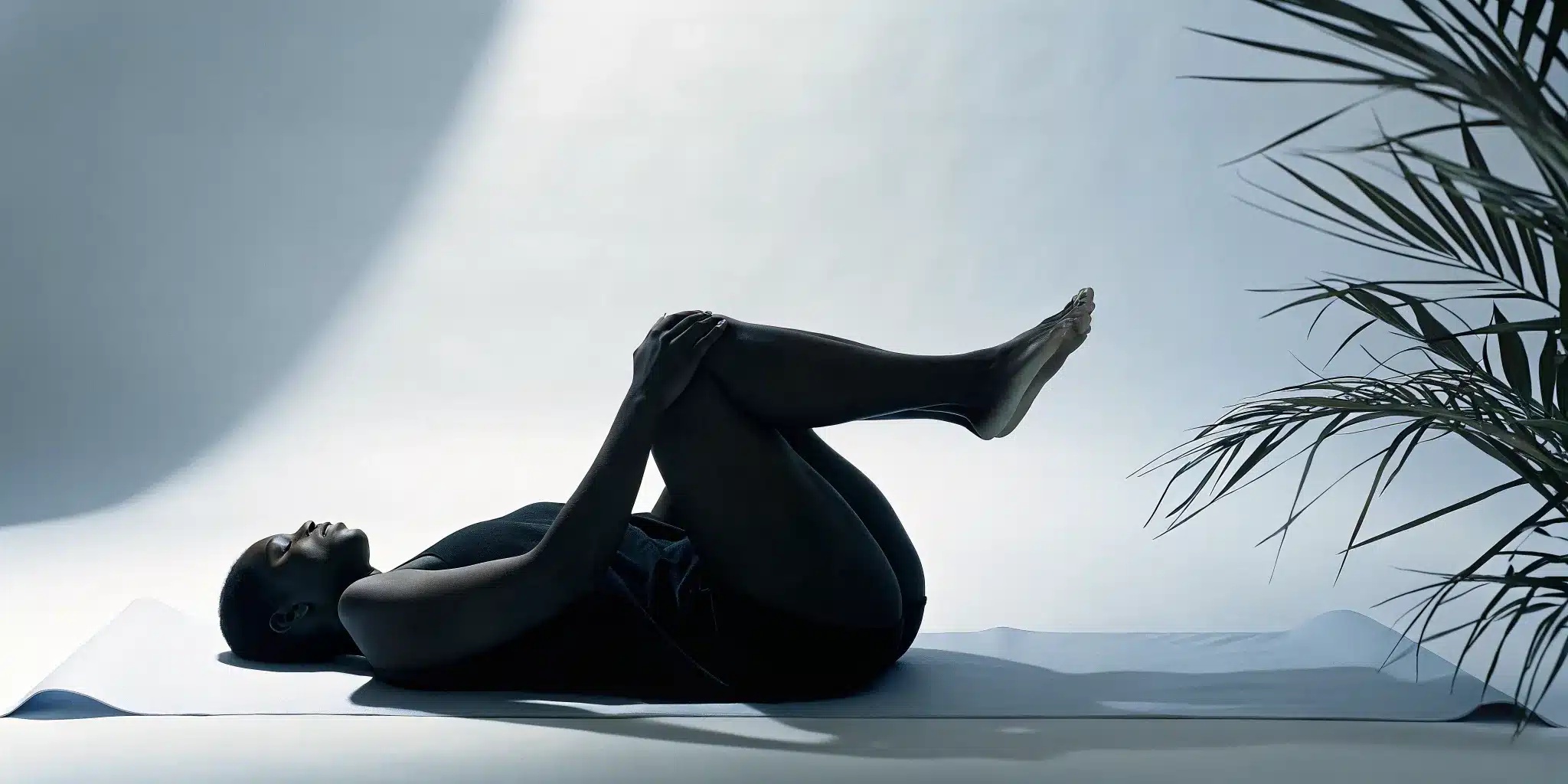
When a muscle cramps, it’s contracting involuntarily and won’t let go. Your best immediate response is to do the opposite: gently lengthen it. The moment you feel that muscle seize up, try to stretch it out. If the cramp is in your calf (a very common spot), sit up, straighten your leg, and gently pull your toes toward your shin. You should feel a light pull in the back of your lower leg. For a cramp in your thigh or hamstring, you can stand and put your foot on a chair, leaning forward, or lie down and pull your knee toward your chest. The key is to hold the stretch until you feel the muscle start to release its grip.
Use Heat and Cold Therapy
Once the initial, intense part of the cramp subsides, you might be left with a sore, tender muscle. This is where temperature therapy can provide significant pain relief. Applying a heating pad or a warm, damp towel to the area can help relax the muscle and increase blood flow, which soothes the lingering tightness. A warm bath or shower can also work wonders, relaxing not just the affected muscle but your whole body. Alternatively, if the muscle feels inflamed, an ice pack wrapped in a towel can help numb the soreness and reduce any swelling. You can alternate between the two to see what feels best for you.
Try Self-Massage and Pressure Points
Giving the cramped muscle a little hands-on attention can also help it release. Using your hands, gently rub and knead the tight spot. The goal is to manually encourage the muscle fibers to relax. You can also use a foam roller or tennis ball to apply gentle, steady pressure. Don’t press so hard that it causes sharp pain; you’re looking for that “hurts so good” feeling of a knot releasing. Combining this with heat by massaging your leg while taking a warm bath can be especially effective for both immediate relief and helping to prevent future cramps.
Design a Relaxing Nighttime Routine
How you spend the hour before bed can make all the difference between a night of tossing and turning and one of deep, restorative sleep. Creating a consistent nighttime routine is like sending a memo to your brain and body that it’s time to power down. This ritual helps ease the mental chatter from a busy day and gives your muscles, especially in your legs, a chance to release built-up tension. By intentionally winding down, you’re not just preparing for sleep; you’re creating the right conditions for your body to repair and recover, which can significantly reduce nighttime leg aches and cramping.
A great routine doesn’t have to be complicated. It’s about finding a few simple, calming activities that you can do every night to signal that the day is over. Think of it as your personal transition from the hustle of the day to the quiet of the night. Combining gentle movement, a peaceful environment, and soothing sensory experiences can create a powerful trifecta for relaxation. This approach addresses both the physical and mental factors that contribute to nighttime leg discomfort, helping you drift off more easily and stay asleep longer.
Your Go-To Pre-Bed Stretching Sequence
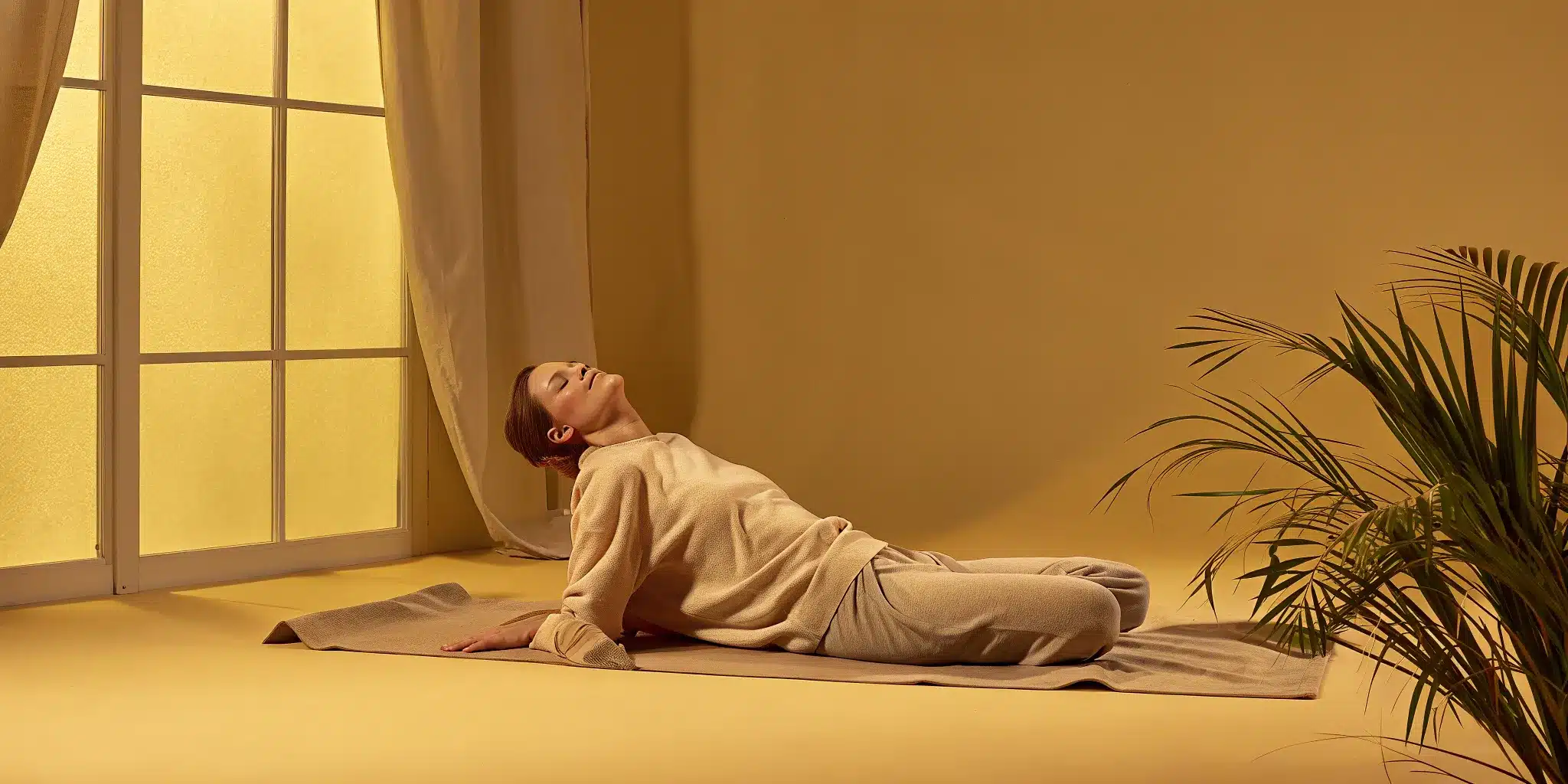
One of the most effective ways to calm restless legs is with a gentle stretching sequence. Stretching before bed helps your body and mind transition from an active day to a state of rest. It improves blood flow to your muscles, which is crucial for recovery, and eases the tightness that can lead to cramps and aches. Think of it less as a workout and more as a quiet conversation with your body, thanking your legs for carrying you through the day. Focus on slow, mindful movements, holding each stretch for 30 seconds without bouncing. A simple routine targeting your hamstrings, calves, and quads can work wonders to release tension and prepare you for a peaceful night.
Create a Sleep-Friendly Environment
Your bedroom should be a sanctuary for sleep, not a hub for work or entertainment. The environment you sleep in has a massive impact on your sleep quality and muscle relaxation. Start by making your room as dark, quiet, and cool as possible. Light can disrupt your body’s natural production of melatonin, the sleep hormone, while a cool temperature helps your body reach the ideal state for deep sleep. The Mayo Clinic recommends aiming for at least seven hours of sleep and sticking to a consistent schedule, even on weekends. This consistency reinforces your body’s internal clock, making it easier to fall asleep and wake up refreshed.
Wind Down with Aromatherapy
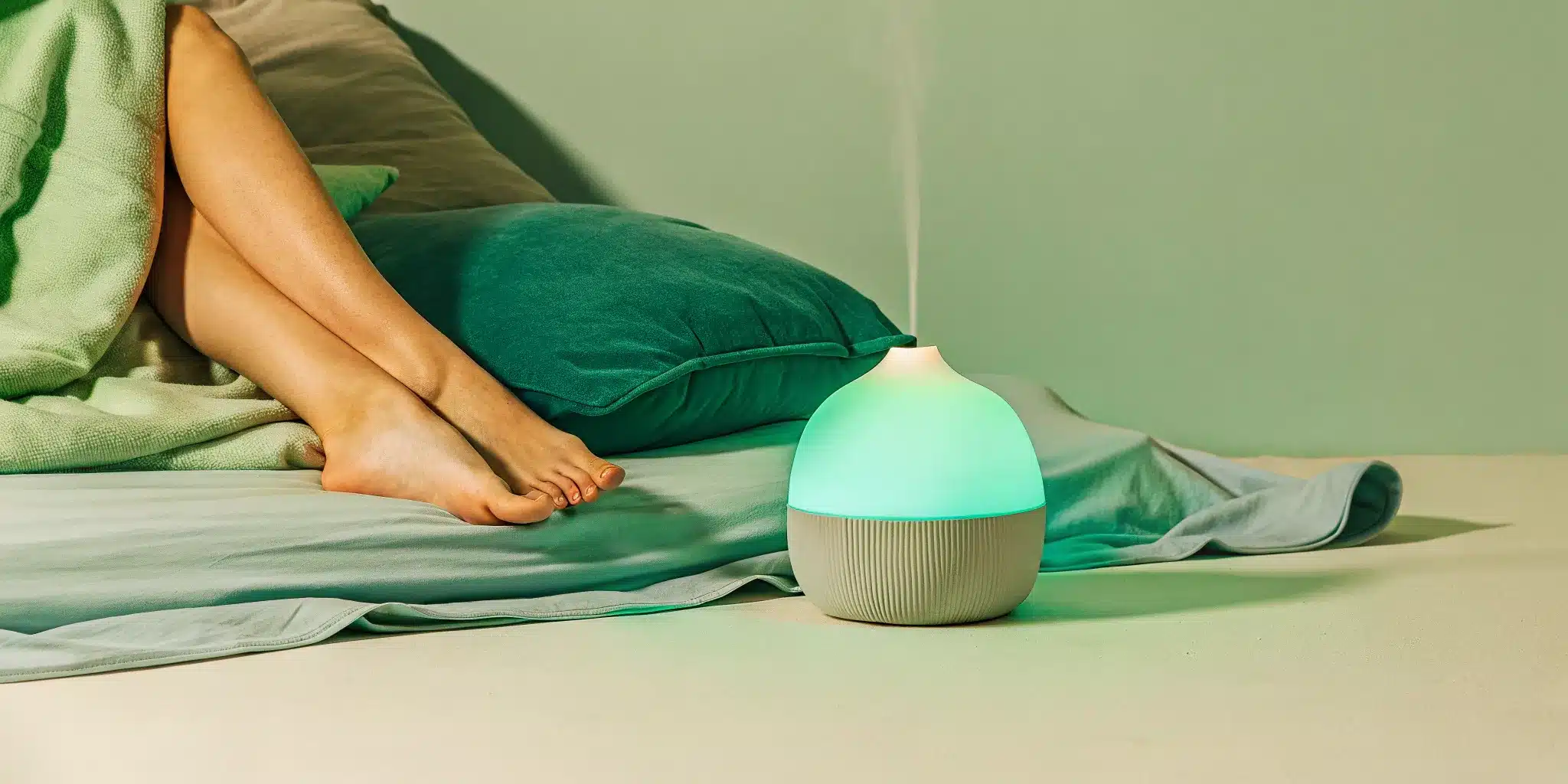
Engaging your senses is a powerful way to shift your body into a relaxed state. Aromatherapy, using essential oils like lavender or chamomile, has been shown to promote calmness and improve sleep. You can use a diffuser, add a few drops to a warm bath, or spritz a linen spray on your pillow. Beyond scent, consider the power of touch and temperature. A warm bath before bed can help relax your muscles, and using warm or cool packs on your legs can soothe aches and ease tension. Combining these sensory inputs—a calming scent, the warmth of a bath, and the gentle pressure of a heat pack—creates a deeply relaxing experience that tells your leg muscles it’s safe to let go.
Daily Habits for Healthier Legs
How your legs feel at night often comes down to how you treat them during the day. You don’t need to completely change your routine to find relief; instead, think about weaving in small, consistent habits that support your muscles from morning to evening. These simple adjustments can make a world of difference, helping to prevent aches and tightness before they have a chance to settle in. By being mindful of how you move, what you wear, and how you rest, you give your legs the daily care they need to carry you through your tasks and relax peacefully with you at night. It’s about working smarter, not harder, to build a foundation for healthier, happier legs.
Take Regular Movement Breaks
If you spend most of your day sitting at a desk or standing in one spot, your leg muscles can become stiff and fatigued. Breaking up long periods of inactivity is one of the best things you can do for them. Set a reminder to get up and walk around for a few minutes every hour. You can stretch your calves, do a few squats, or simply walk to the kitchen for a glass of water. The goal is to encourage blood flow and prevent your muscles from getting locked into one position. Regular, moderate exercise is fantastic, but it’s important not to overdo it, as too much activity can sometimes make restless legs syndrome symptoms worse.
Choose the Right Shoes
Your feet are the foundation for your entire body, and the shoes you wear have a direct impact on your leg muscles. Footwear that lacks proper support can cause your muscles to work overtime, leading to strain and soreness that you feel long after you’ve kicked them off. Make sure you wear supportive shoes, especially if you’re on your feet a lot. Look for good arch support and cushioning to absorb impact. This doesn’t just apply to when you’re out and about—if you have hard floors at home, consider wearing supportive slippers or indoor shoes to give your legs a break.
Put Your Feet Up (The Right Way)
Elevating your legs is a simple and incredibly effective way to relieve pressure and reduce swelling after a long day. This gentle habit helps improve circulation by giving gravity a hand in moving blood and fluid back toward your heart. You don’t need any special equipment. Simply lie down on the floor or your bed and prop your legs up on a stack of pillows or a chair, aiming to get them slightly above the level of your heart. Doing this for just 10 to 15 minutes in the evening can soothe tired muscles and is a perfect way to wind down. It’s also a great technique to use after a leg cramp has started to subside.
When to Get Professional Help for Leg Pain
While most nighttime leg aches can be managed with the stretches and lifestyle tweaks we’ve covered, it’s also important to know when to call in a professional. Listening to your body is key. Sometimes, persistent pain is a signal that you need a more targeted approach, whether that’s from a doctor or a stretching professional who can help you get to the root of the issue. Knowing the difference can help you find relief faster and more effectively.
Red Flags You Shouldn’t Ignore
It’s time to check in with a doctor if your leg pain becomes a regular, disruptive part of your life. If your cramps are extremely painful, happen frequently, or last for a long time, don’t just brush it off. You should also seek medical advice if the pain comes with other symptoms, like swelling, numbness, or changes in your skin color. And honestly, if leg pain is consistently ruining your sleep, that alone is a valid reason to get it checked out. Your doctor can help rule out any underlying conditions and make sure you’re on the right path to feeling better.
How 1-on-1 Assisted Stretching Can Help
Even if you don’t have any major red flags, you don’t have to live with chronic tightness and discomfort. If you’re dealing with persistent aches, working with a professional can offer personalized solutions tailored to your body’s unique needs. That’s where 1-on-1 assisted stretching comes in. A certified stretch practitioner can help identify the specific muscles causing your discomfort and guide you through stretches that are deeper and more effective than what you can achieve on your own. This targeted approach helps release deep-seated tension, improve your flexibility, and give you lasting relief so you can finally get a good night’s sleep.
Related Articles
- How to Loosen Tight Muscles in Legs: A Simple Guide – STRETCHMED
- 7 Ways to Relieve Stiffness in Thighs and Legs – STRETCHMED
- Shoulder and Joint Pain at Night: Causes & Fixes – STRETCHMED
Frequently Asked Questions
Why do my legs feel fine all day but start aching the moment I lie down? It’s a common frustration, and it often happens because the effects of your day are finally catching up with you. When you’re moving around, your circulation is active and your muscles are engaged. The moment you lie down to rest, blood flow changes, and any underlying tightness, dehydration, or nerve pressure from your daily posture can become much more noticeable. Think of it as your muscles finally getting a quiet moment to tell you they’re overworked or lacking something they need.
I get cramps so suddenly. What’s the fastest way to make them stop? When a cramp hits, your first instinct should be to gently do the opposite of what the muscle is doing. If your calf seizes up, try to slowly and carefully flex your foot, pulling your toes toward your shin to lengthen the muscle. Don’t force it, just hold a gentle stretch until you feel the muscle start to release. Once the intense pain subsides, a heating pad and some light massage can help soothe any lingering soreness.
Can the way I sit at my desk really be the cause of my leg pain at night? Absolutely. Sitting for long periods, especially with poor posture, can put sustained pressure on the nerves in your lower back and hips. This can lead to pain signals being sent down your legs, which you might not feel until you’re trying to relax at night. It also keeps your hip flexors and hamstrings in a shortened, tight position, which contributes to overall muscle imbalance and discomfort.
Besides stretching, what are some simple daily habits I can adopt to prevent leg aches? Two of the most effective habits are staying consistently hydrated and taking short movement breaks. Make sure you’re sipping water all day long, not just when you feel thirsty. If you have a desk job, set a reminder to get up and walk around for a few minutes every hour. This keeps your blood flowing and prevents your muscles from getting stiff. Also, choosing supportive footwear can make a huge difference in reducing daily strain on your leg muscles.
I’ve tried stretching on my own, but it doesn’t seem to be enough. What’s next? If you’re stretching consistently but still struggling with aches and tightness, it might be time to get some professional guidance. Sometimes, the tension is too deep or in a spot that’s difficult to reach effectively on your own. Working with a professional for 1-on-1 assisted stretching can provide a more targeted approach, helping to release those stubborn knots and identify the specific muscles that need the most attention for lasting relief.