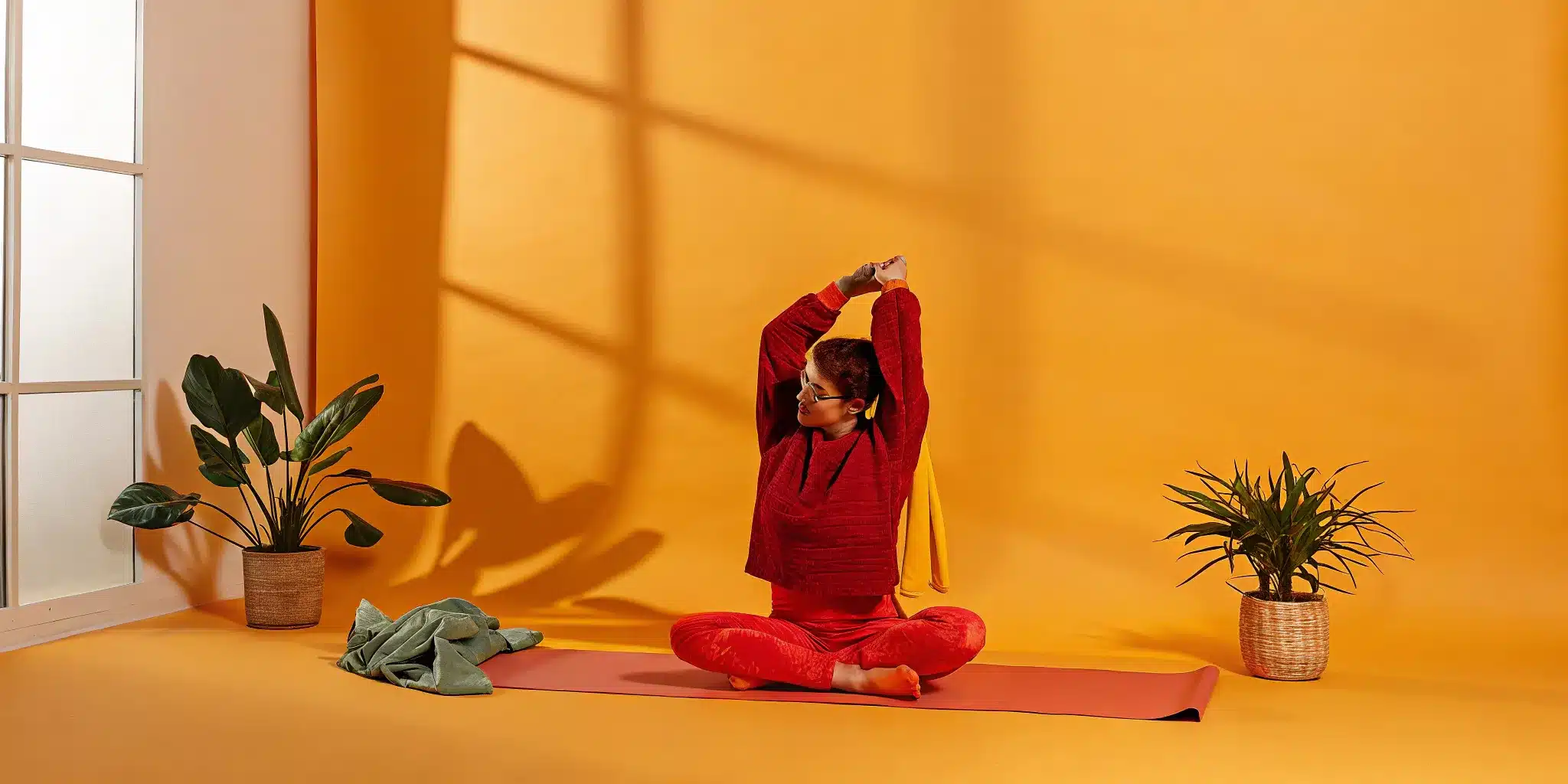
That familiar stiffness after a long day at your desk or the ache that greets you first thing in the morning is your body’s way of asking for help. These signals often point to deep-seated tension that a simple hamstring stretch just can’t resolve. To find real relief, you need to go deeper. This guide focuses on the powerful practice of deep stretches for flexibility—a method designed to target the stubborn muscles and connective tissues that contribute to chronic pain and limited mobility. We’ll cover safe techniques and essential poses that will help you release that built-up tension and restore balance to your body.
Key Takeaways
- Go beyond surface-level stretches: Deep stretching uses longer, sustained holds to release tension in hard-to-reach muscles and connective tissues, offering more profound and lasting relief from chronic stiffness and pain.
- Prioritize consistency over intensity: Aim for 2-3 focused sessions a week, holding each stretch for a total of 60 seconds. Always warm up first and listen for gentle tension, not pain, to stretch safely and effectively.
- Know when to ask for help: If you’re struggling with persistent pain or have hit a flexibility plateau, a professional assisted stretch provides targeted relief and expert guidance, ensuring you get the results you want without risking injury.
What Exactly Is a Deep Stretch?
If you’ve ever felt a nagging tightness that a quick quad stretch just can’t seem to fix, you’re probably in need of a deep stretch. Think of it less as just pulling a muscle and more as a strategic technique. A deep stretch uses specific body positioning to target those hard-to-reach muscles and connective tissues that are often the source of chronic stiffness and pain. It’s designed to get into areas like your hip flexors, deep glutes, inner thighs, and lower back.
Instead of a quick 10-second hold, deep stretching is about settling into a position and allowing your body to relax and lengthen over time. This sustained approach helps release the fascia—the web of connective tissue that surrounds and supports your muscles. When fascia gets tight, it can restrict movement and cause discomfort. By holding these stretches for a longer duration, you give your muscles and fascia the time they need to let go, leading to a more profound and lasting sense of release. It’s the kind of stretch that leaves you feeling more open, aligned, and genuinely mobile.
How Deep Stretches Work
At its core, deep stretching is about restoring balance to your body. When certain muscles become tight from sitting all day, repetitive movements, or even exercise, they can put extra stress on the surrounding joints, often leading to pain or injury. Stretching helps to counteract this by lengthening those shortened, tense muscles. This process can improve how flexible you are and enhance your body’s overall range of motion, making everyday movements feel easier and more fluid. By regularly releasing this built-up tension, you’re not just temporarily relieving soreness; you’re helping your muscular system function more effectively and protecting your joints from unnecessary strain.
Deep Stretches vs. Other Types of Stretching
Not all stretches are created equal, and it’s helpful to know the difference. The two main types of stretching are dynamic and static. Dynamic stretching involves active movements where your joints and muscles go through a full range of motion—think arm circles or leg swings. These are perfect for a pre-workout warm-up to get your blood flowing and prepare your body for activity.
Static stretching, on the other hand, is what most of us picture when we think of stretching. It involves holding a specific position for a period to lengthen a muscle. Deep stretching is a form of static stretching, but it often involves holding the pose for longer—anywhere from 30 seconds to a few minutes—to target the deeper layers of muscle and connective tissue. It’s best done after a workout or anytime you want to reduce stiffness and improve long-term flexibility.
Why Deep Stretching Is a Game-Changer for Flexibility and Pain Relief
If you’ve ever felt like your regular stretches just aren’t cutting it, you’re not alone. While a quick quad stretch is better than nothing, deep stretching takes your efforts to a whole new level. It’s a more intentional practice focused on holding poses for longer, allowing your body to release tension that’s been stored away in muscles and connective tissues. This approach is incredibly effective for making real, lasting changes in your flexibility.
Think of it as a conversation with your body. Instead of just quickly saying hello, you’re sitting down and giving your muscles the time they need to truly relax and lengthen. This process does more than just help you touch your toes; it can fundamentally change how you move through your day, offering a powerful way to manage stiffness and find lasting relief from chronic pain.
Reach Muscles Other Stretches Can’t
So much of our daily lives—sitting at a desk, driving, or even just stress—causes tightness in hard-to-reach places. Deep stretches are designed to target these specific areas, like your hip flexors, deep glutes, back, and waist. They allow you to access and release tension in muscles that a standard, more superficial stretch might not effectively engage.
By holding a stretch for an extended period, you give your body time to move past its initial resistance. This allows the stretch to penetrate deeper layers of muscle and the surrounding fascia, or connective tissue. Releasing this stored tension is key to improving your posture and alleviating the nagging aches that come from chronic muscle tightness in your core and lower body.
Improve Your Range of Motion
Flexibility isn’t just about doing the splits; it’s about your body’s ability to move through its full, intended range of motion. When your muscles are tight, they can shorten, restricting how your joints move. This can make everyday actions like reaching for something on a high shelf, bending down to tie your shoes, or looking over your shoulder feel stiff and difficult.
Deep stretching helps lengthen and balance your muscles, which is especially important if you do activities that shorten them, like strength training or running. Having a healthy range of motion allows you to perform daily movements and exercises with better form, which not only makes you more efficient but also significantly reduces your risk of injury. When your body can move freely, everything just feels easier.
Find Relief from Chronic Pain
Chronic pain is often a vicious cycle: you hurt, so you move less, and moving less makes you even stiffer and more painful. Deep stretching can be a gentle yet powerful way to break this cycle. Tight muscles don’t just feel uncomfortable; they can pull on your joints and throw your body’s alignment out of whack, putting stress on everything from your knees to your lower back.
Stretching helps make your muscles longer and more pliable, which takes that pressure off your joints. This is particularly helpful as we get older and naturally lose some elasticity in our tissues. By consistently practicing deep stretches, you can reduce muscle soreness and find significant relief from chronic conditions. It’s a proactive way to care for your body and manage pain without medication.
How Often Should You Do Deep Stretches?
So, what’s the magic number for seeing real results from deep stretching? For most healthy adults, the sweet spot is stretching all your major muscle groups at least two to three times a week. This isn’t about forcing your body into pretzel-like shapes every single day. Instead, it’s about creating a consistent habit that gently encourages your muscles to release tension and improve their flexibility over time.
Think of it as a regular conversation with your body. This frequency gives your muscles and connective tissues the repeated signal that it’s safe to let go, which can lead to a greater range of motion and lasting relief. Following an ideal stretching routine like this doesn’t just help you feel more limber; it can make everyday movements, from reaching for something on a high shelf to bending down to tie your shoes, feel significantly more comfortable and pain-free. Consistency is what builds momentum and helps you achieve those long-term benefits for your mobility and overall well-being.
A Stretching Schedule for Every Level
Fitting stretching into your life shouldn’t feel like another chore on your to-do list. The good news is that you don’t need to block out an hour to make a difference. Even 10 to 15 minutes of focused stretching a few times a week can yield incredible benefits. You could try a few stretches when you first wake up to ease into your day, take a short break to stretch at your desk, or wind down with some gentle poses before bed. The key is finding a rhythm that works for you. By incorporating a few simple stretching exercises into your existing routine, you’re more likely to stick with it and experience lasting relief.
How Long to Hold Each Stretch for the Best Results
When it comes to holding a deep stretch, aiming for a total of 60 seconds per stretch is the gold standard for effectiveness. But that doesn’t mean you have to hold a single position for a full minute! A more productive approach is to break it up. For example, you could hold a stretch for 15 seconds, release gently, and repeat it three more times. Or, if you can comfortably hold it for 20 seconds, you would repeat it two more times. This method allows your muscles to relax and then safely deepen into the stretch with each repetition. You should feel a slight pull or tension, but never sharp pain. Listening to your body is the most important rule.
Try These Deep Stretches for Your Upper Body
So much of our day is spent hunched forward—over a desk, a steering wheel, or our phones. This can lead to a tight chest, rounded shoulders, and a stiff upper back and neck. Over time, this poor posture can contribute to chronic pain and limit your ability to move freely. Taking just a few minutes to stretch these areas can make a world of difference, helping to counteract those daily habits and release built-up tension.
These deep stretches are designed to gently open up your chest, improve your shoulder mobility, and encourage a more flexible spine. Think of it as hitting the reset button for your upper body. By incorporating these movements into your routine, you can improve your posture, breathe a little deeper, and find relief from that nagging stiffness. Remember to move slowly and intentionally, focusing on what your body is telling you. The goal is to find a comfortable release, not to force anything.
For Your Chest and Shoulders
If you feel like your shoulders are constantly creeping up toward your ears or rounding forward, this one’s for you. Tightness in the chest and front of the shoulders is incredibly common, but it can pull your whole upper body out of alignment. Incorporating specific stretches for better flexibility can help open everything back up. A great one to try is the Lying Pectoral Stretch. Simply lie on your back with your knees bent. Extend your arms out to the sides like a “T” with your palms facing up. You should feel a gentle stretch across your chest and the front of your shoulders. Breathe here for 30-60 seconds.
For Your Spine: Extended Puppy Pose and Twists
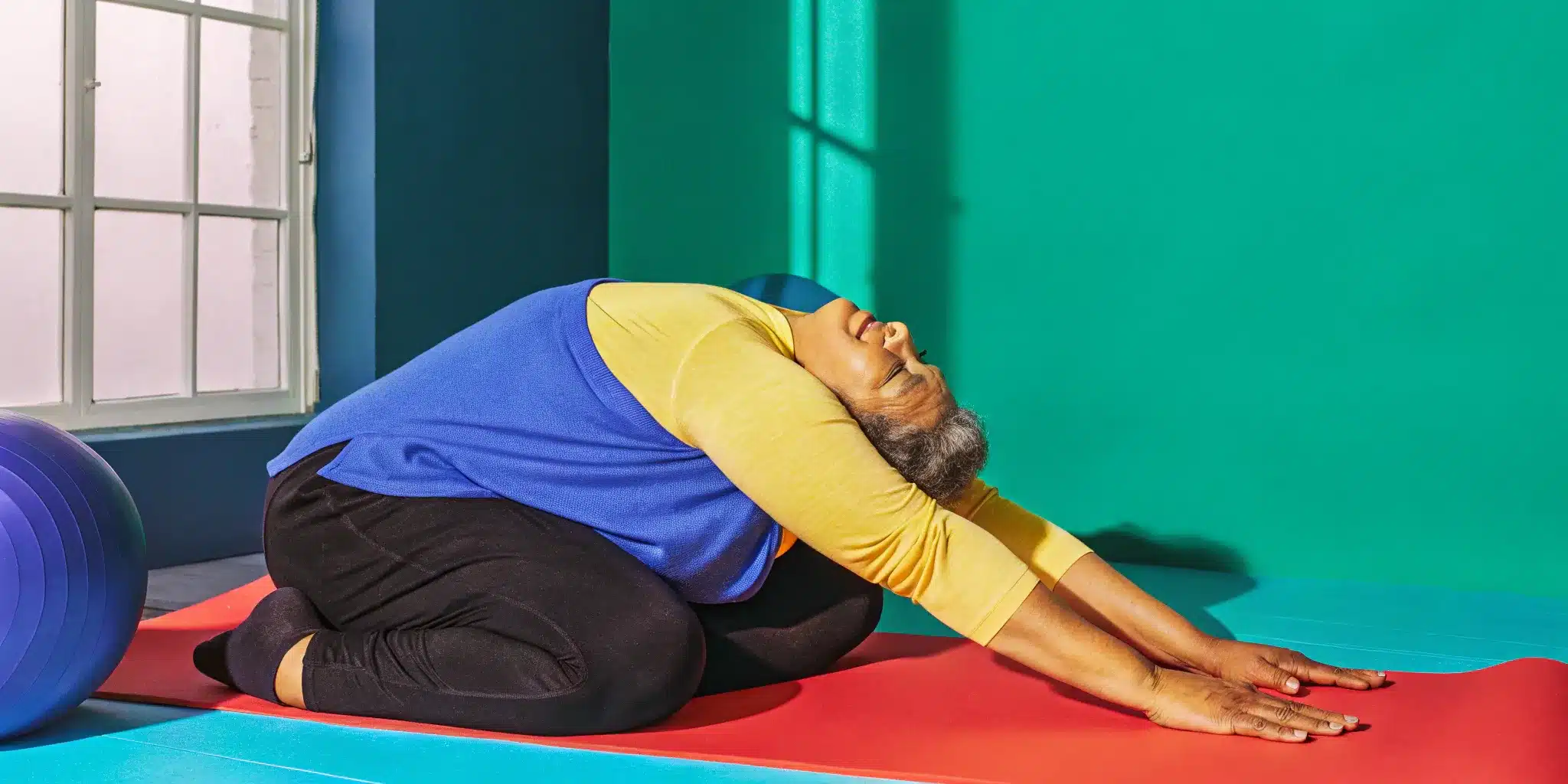
A healthy spine is key to moving well. When your spine is stiff, it can affect everything from your hips to your shoulders. The Extended Puppy Pose is a wonderful way to lengthen your entire spine while also getting a great shoulder stretch. Start on all fours, then walk your hands forward, lowering your chest toward the floor while keeping your hips over your knees. For a gentle twist, try a Reclined Spinal Twist. Lie on your back, bring one knee into your chest, and then gently guide it across your body, keeping both shoulders on the floor. Twists are fantastic for relieving stiffness and improving mobility.
To Release Your Neck and Upper Back
Tension in the neck and upper back can lead to headaches and serious discomfort. To find some relief, try a simple Seated Neck Release. While sitting tall in a chair, gently drop your right ear toward your right shoulder. You can place your right hand on your head to add a tiny bit of pressure, but don’t pull. You’ll feel a nice stretch along the left side of your neck. Hold for 30 seconds, then switch sides. These simple stretching exercises can be done right at your desk to break up tension throughout the day and keep your neck and shoulders feeling loose and comfortable.
Our Favorite Deep Stretches for Lower Body Mobility
So much of our day-to-day tension gets stored in our lower body, from tight hips due to sitting to sore hamstrings after a long walk. When your lower body is tight, it can throw everything else off balance, contributing to back pain and stiffness. Focusing on deep stretches for your hips, glutes, and surrounding muscles is one of the best things you can do for your overall mobility and comfort. These stretches are designed to get into those deep, stubborn muscles and provide lasting relief.
For Your Hip Flexors and Glutes
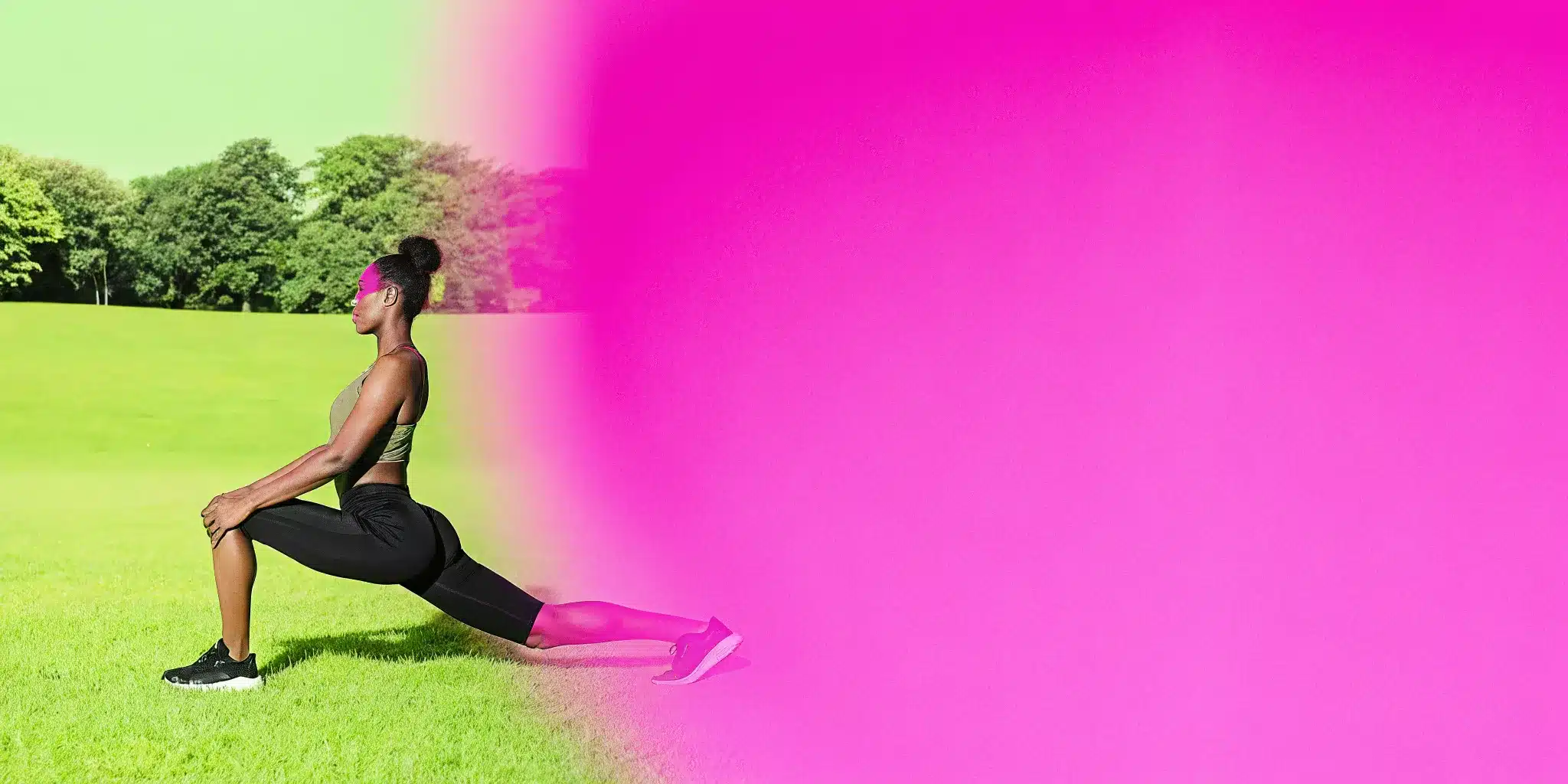
If you spend a lot of time sitting, your hip flexors are probably screaming for a good stretch. The Lunging Hip Flexor Stretch is a fantastic way to give them the attention they need. This stretch works wonders by deeply engaging the front of your hips while also targeting your glutes, quads, and even your ankles. It’s a multi-tasking move that helps release tension that can contribute to lower back pain. Regularly incorporating this into your routine can make a huge difference in how your entire lower body feels, helping you move with more freedom and less discomfort.
For Your Hips: Figure Four and 90/90 Stretches
To really get into the deep muscles around your hips, the Figure Four Stretch is a must-try. It’s one of the best stretching exercises for targeting the hip rotators and flexors, which can help ease discomfort related to sciatica and knee pain. Think of it as a precise tool for releasing tightness. Another incredible move is the 90/90 Stretch, which is especially good for improving both internal and external hip rotation. If your hips feel locked up, this stretch can help gently restore their natural range of motion, making movements like walking or squatting feel much smoother.
To Open Your Hips: Frog and Happy Baby Poses
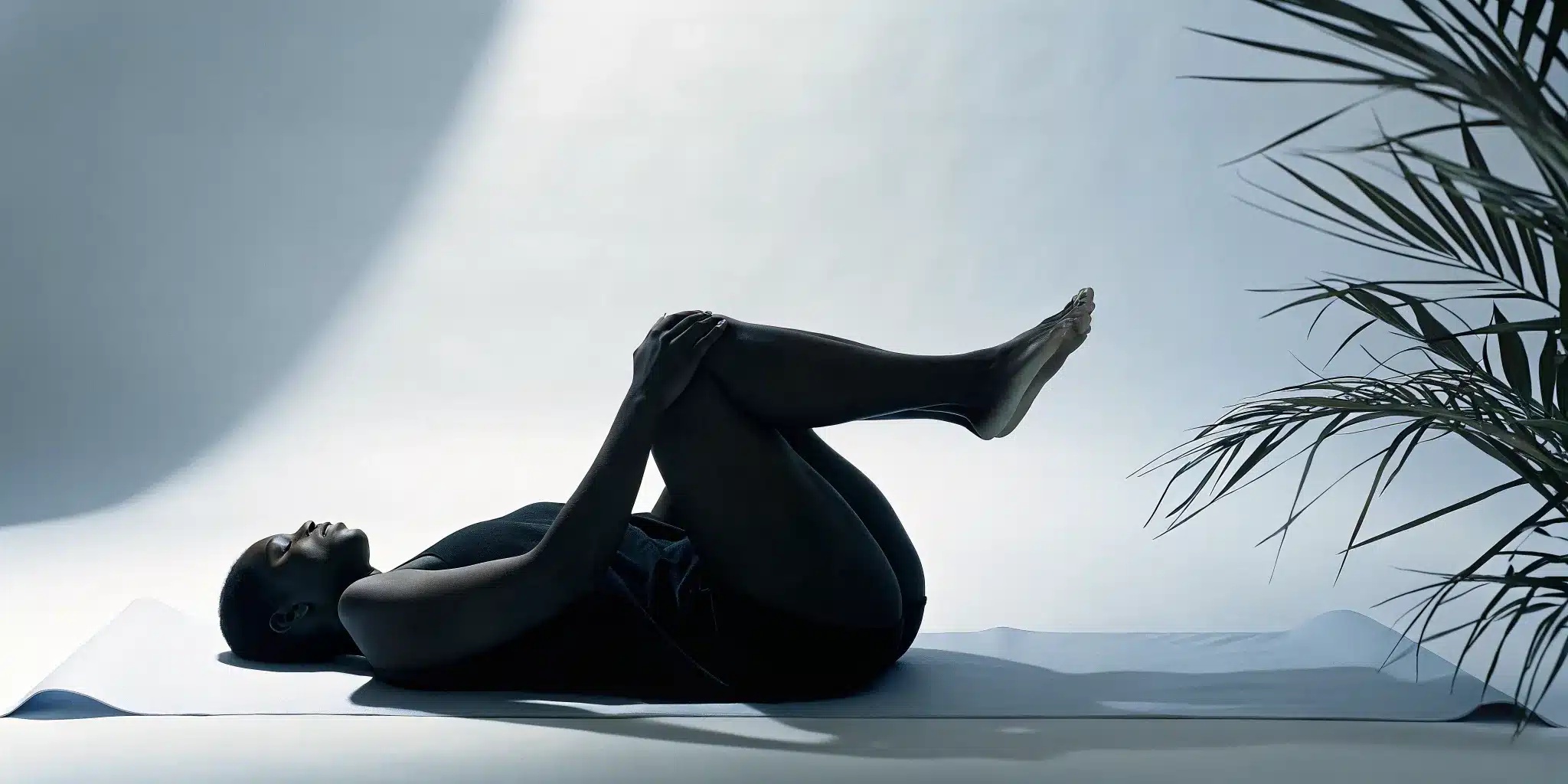
Sometimes you need a stretch that helps your hips simply open up and let go. The Frog Stretch is perfect for this, as it targets the inner thighs and groin—areas that get incredibly tight from sitting with your legs crossed or from activities like running. For a gentler approach, the Happy Baby Pose is a wonderfully restorative option. It allows you to gently open your hips while also giving your lower back a much-needed release. It’s not only effective for increasing flexibility but also incredibly calming, making it a perfect way to wind down and relieve stress.
How to Practice Deep Stretching Safely
Deep stretching can feel incredible, but its effectiveness hinges on one crucial factor: safety. The goal is to release tension and find relief, not to create new injuries. Pushing your body too far, too fast can lead to muscle strains or tears, setting you back on your journey to feeling better. Think of it as a conversation with your body, not a competition.
To get the most out of your routine, it’s important to approach each stretch with awareness and respect for your body’s limits. Whether you’re a complete beginner or have been stretching for years, these foundational safety principles will help you build flexibility, ease pain, and keep your muscles healthy and happy. By following a few simple guidelines, you can create a practice that is both restorative and sustainable.
Always Warm Up First
Jumping straight into a deep stretch with “cold” muscles is like trying to stretch a frozen rubber band—it’s a recipe for a snap. Before you ask your muscles to lengthen, you need to get some blood flowing. A proper warm-up increases the temperature of your muscles, making them more pliable and receptive to stretching. This simple step dramatically reduces your risk of injury.
You don’t need an intense workout. Just five to ten minutes of light cardio is perfect. Try a brisk walk around the block, marching in place, or doing some gentle arm circles. The goal is to get your heart rate up slightly and signal to your body that it’s time to move. Never skip this step; your muscles will thank you for it.
Listen to Your Body and Respect Your Limits
The old saying “no pain, no gain” has no place in a stretching routine. When you’re holding a deep stretch, you should feel a gentle pull or a mild tension in the muscle, but it should not be painful. Sharp, stabbing, or shooting pain is your body’s alarm system telling you to back off immediately.
Pushing through pain can cause micro-tears in your muscle fibers, leading to inflammation and injury. Everyone’s body is different, and your flexibility will vary from day to day. Instead of forcing a position, ease into the stretch until you feel that first point of tension, and then hold it there. Learning to distinguish between productive discomfort and harmful pain is the most important skill you can develop for a safe practice.
Common Stretching Mistakes to Avoid
Trying to get a deep stretch on your own can be tricky, and a few common mistakes can derail your efforts or even cause harm. One of the biggest errors is bouncing in a stretch. This is known as ballistic stretching and can trigger your muscles to tighten defensively, increasing the risk of a strain. Instead, hold your stretches in a static, relaxed position.
Other frequent missteps include holding your breath, which creates more tension, or not holding the stretch long enough to make a difference (aim for at least 30 seconds). It’s also critical to avoid stretching a muscle that’s already injured, as this can make the problem worse. These common errors are why working with a professional can be so beneficial—they ensure your form is correct and you’re stretching safely and effectively.
How to Make Deep Stretching a Part of Your Routine
Turning a new activity into a habit can be a challenge, but incorporating deep stretching into your life doesn’t have to be complicated. The key is finding a rhythm that works for you. Think of it less as another chore and more as dedicated time to connect with your body and release tension. An ideal stretching routine is simply one you can stick with. Whether you have five minutes or thirty, consistency is what will ultimately help you relieve pain and improve your flexibility. Here are a few simple strategies to make deep stretching a natural part of your week.
Start Slow and Build Flexibility Over Time
If you’re feeling particularly stiff, deep stretching might seem intimidating. But the good news is that almost anyone can become more flexible with consistent practice. The goal isn’t to touch your toes on day one; it’s about showing up for your body regularly. Don’t push yourself into painful positions. Instead, ease into each stretch and focus on what feels right. Remember, consistency is crucial for seeing real, lasting changes. Start with shorter hold times and gradually increase them as you feel more comfortable.
Use Your Breath to Deepen Your Stretch
Your breath is one of the most powerful tools for a deeper, more effective stretch. When you hold your breath, your muscles naturally tense up—the opposite of what you want. Instead, focus on long, slow breaths. As you settle into a stretch, take a deep inhale to create space. Then, as you exhale, allow your body to relax and sink a little further into the position. This simple technique signals to your nervous system that it’s safe to let go, helping you get a safer and more effective stretch without forcing anything.
Tips for Staying Consistent
Making stretching a regular habit is the final piece of the puzzle. It doesn’t need to take a lot of time—even 10 to 15 minutes a few times a week can make a huge difference. Aim to practice your flexibility exercises two to three times a week to start. To stay on track, try “habit stacking”—pair stretching with something you already do, like after your morning coffee or while you unwind at night. You can also schedule it in your calendar like any other appointment. The more you do it, the more you’ll notice the benefits, which is the best motivation of all.
What Should a Deep Stretch Feel Like?
When you’re holding a deep stretch, it can be tough to know if you’re hitting the sweet spot or pushing too far. The goal is to find that productive edge of tension, not to force your body into a painful position. Think of it as a conversation with your muscles—you want to encourage them to relax and lengthen, not scream at them until they give up. Understanding the difference between a beneficial stretch and one that could cause harm is the key to a safe and effective flexibility practice. It’s all about listening to the signals your body is sending you and responding with care.
The Difference Between a Good Stretch and Bad Pain
A good, effective stretch should feel like a gentle pull or a mild tension in the muscle you’re targeting. It’s a sensation of release and lengthening, not one of alarm. According to the British Heart Foundation, effective stretching exercises should create this feeling of tension, but they should never be painful. If you feel a sharp, stabbing, or burning pain, that’s your body’s signal to stop immediately. Pushing through that kind of pain is a fast track to injury. A productive stretch might be slightly uncomfortable, especially if a muscle is very tight, but it should always feel safe and manageable.
How Your Muscles Should Respond
When you stretch correctly, your muscles should respond by gradually relaxing and letting go. You might feel the initial tension ease as you hold the stretch, allowing you to sink a little deeper. Unfortunately, many of us don’t stretch correctly on our own, which can lead to injury or prevent us from getting the benefits we want. With the right technique, your body will respond positively, and you’ll notice improvements in your flexibility and comfort over time. After a good stretching session, your muscles should feel looser and more relaxed, and you might notice an immediate improvement in your ability to move freely.
When to Get Help from a Professional
While a consistent at-home stretching routine is fantastic, sometimes you hit a wall. You might feel like your flexibility has plateaued, or maybe you’re not getting the pain relief you hoped for. It can be tough to know if you’re pushing yourself enough—or too much. This is where getting an expert involved can make all the difference. A professional can take the guesswork out of stretching, ensuring you get the maximum benefit from every movement without risking injury. They provide a fresh perspective and a trained eye to help you move past your limits safely.
Think of it like working with a personal trainer for your flexibility. A professional can help you identify the true source of your tightness or pain, which is often in a place you wouldn’t expect. They create a personalized approach that addresses your body’s unique needs, helping you achieve a level of release and mobility that’s difficult to find on your own.
Signs You Could Benefit from Expert Guidance
If you’re stretching regularly but still feel stuck, it might be time to call in a pro. One of the biggest challenges with solo stretching is that it’s easy to do it incorrectly, which can lead to new injuries or simply not produce the results you want. Pay attention to signs like persistent pain that doesn’t improve with stretching, a limited range of motion that just won’t budge, or feeling unsure about your form. If you’re worried you might hurt yourself or you’ve hit a plateau in your progress, expert guidance can provide the safety and structure you need. Learning the fundamentals of safe stretching is key, and a professional can ensure you’re applying them correctly.
The Perks of a One-on-One Assisted Stretching Session
An assisted stretching session is a completely different experience from stretching on your own. With a trained practitioner guiding you, your body can fully relax into a deeper, more effective stretch. At StretchMed, our stretch professionals use specialized methods to isolate specific muscles, ensuring you get the release exactly where you need it without overstretching other areas. This targeted approach helps release tension, reduce chronic pain, and significantly increase your mobility. Plus, the combination of guided stretching and deep breathing techniques helps calm your nervous system, leaving you feeling both rejuvenated and relaxed. It’s a proactive way to care for your body and achieve lasting results.
Related Articles
- Dynamic vs Static Stretching: When to Use Each Type – STRETCHMED
- How to Improve Flexibility: Simple, Effective Steps – STRETCHMED
- How Long to Hold a Stretch for Max Flexibility – STRETCHMED
- A Complete Guide to Assisted Stretching Benefits – STRETCHMED
Frequently Asked Questions
What’s the main difference between a quick stretch and a deep stretch? Think of it as the difference between a brief chat and a meaningful conversation. A quick stretch is a short hold that offers temporary relief. A deep stretch, however, involves holding a position for a longer period, usually 30 seconds or more. This extended time allows your body to relax past its initial resistance, reaching the deeper layers of muscle and the connective tissue, or fascia, that surrounds them. This is what creates lasting changes in your flexibility and relieves chronic tightness.
Is it okay to feel some discomfort when I’m deep stretching? You should feel a gentle, consistent pull or tension in the muscle you’re targeting, but you should never feel sharp, stabbing, or electrical pain. A productive stretch might feel slightly uncomfortable, especially if an area is very tight, but it’s a sensation of release, not alarm. If you feel any real pain, you’ve gone too far. The key is to listen to your body and ease back until you find that sweet spot of mild tension.
When is the best time to do deep stretches—before or after a workout? Deep stretching is most effective and safest when your muscles are already warm. For that reason, it’s best to save your deep, static holds for after a workout or at the end of the day. Before a workout, you should focus on dynamic movements like leg swings or arm circles to get your blood flowing. Trying to lengthen cold muscles with a deep stretch can increase your risk of injury.
How long will it take to feel more flexible? There’s no magic timeline, as everyone’s body is different. However, the key is consistency over intensity. If you commit to a deep stretching routine two to three times a week, you’ll likely start to notice a difference in your range of motion and a reduction in stiffness within a few weeks. The goal is gradual progress, not forcing your body into a pretzel on day one.
Why am I not getting more flexible even though I stretch on my own? This is a common frustration and often comes down to technique. It can be difficult to isolate the right muscles or get the proper alignment on your own, which means you might not be stretching as effectively as you think. Sometimes, your body’s natural defense mechanism will cause muscles to tighten up to prevent injury. This is where professional assisted stretching can be a game-changer, as a trained expert can help your body relax and achieve a safer, deeper release than you can on your own.