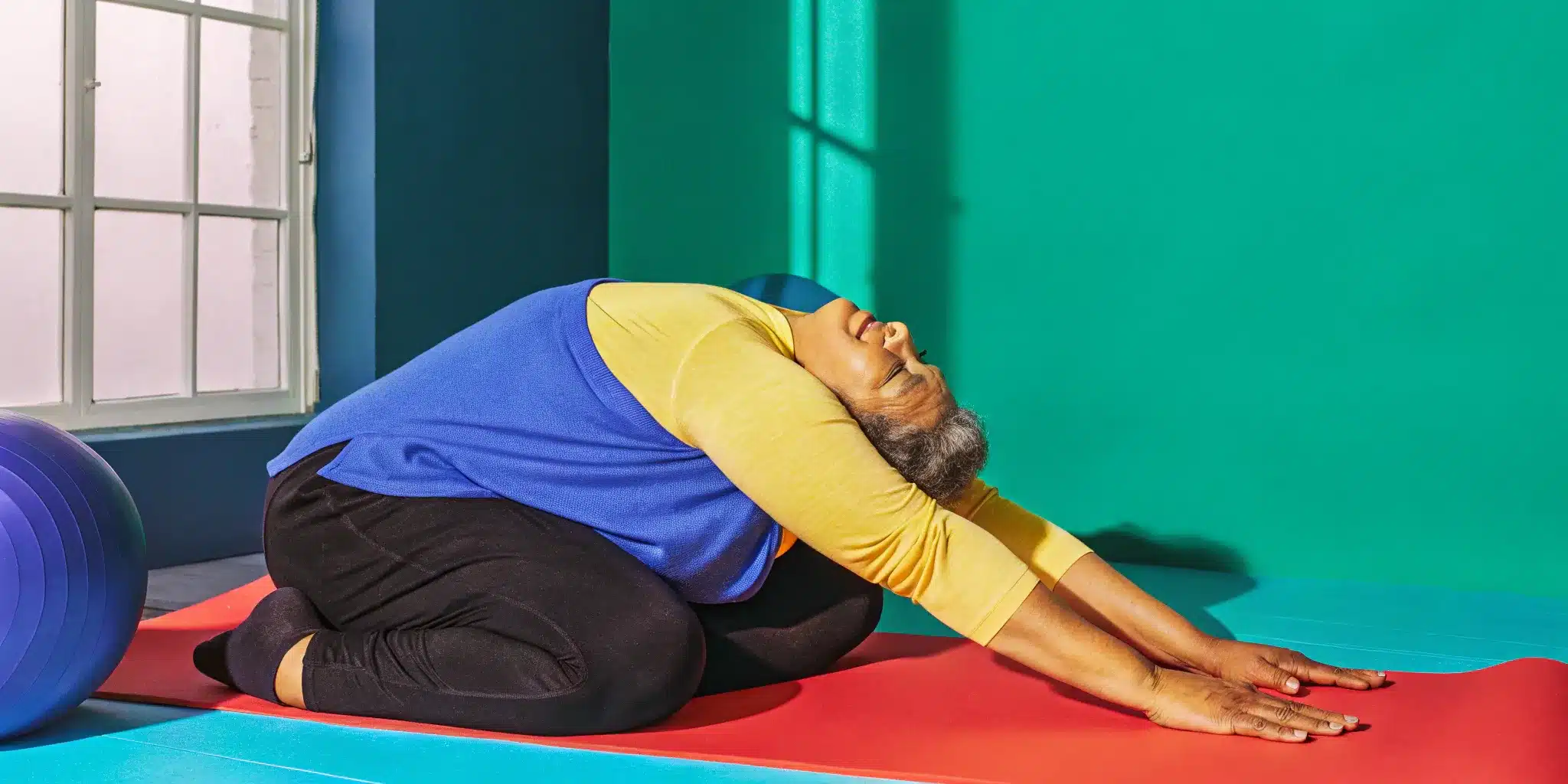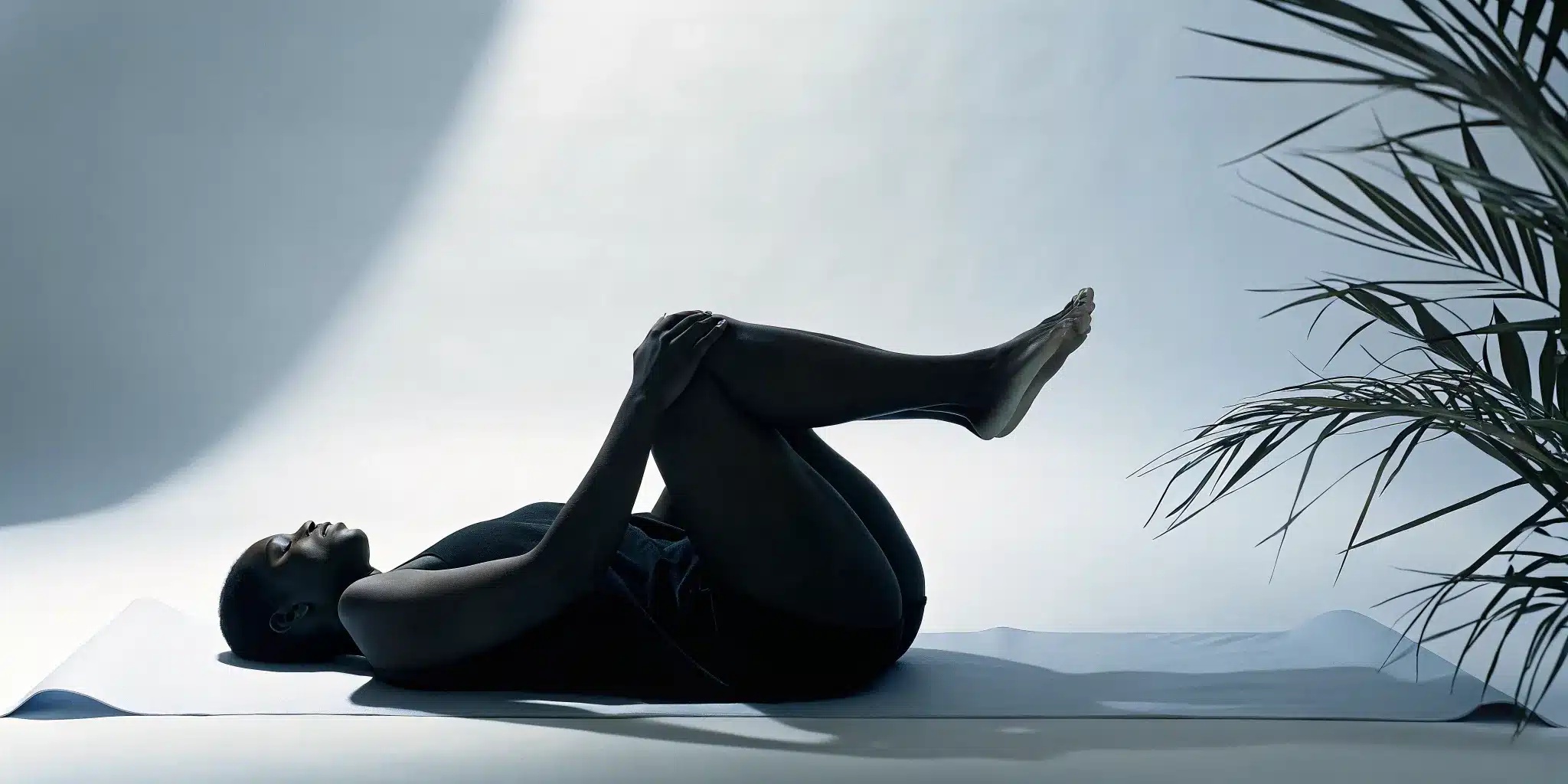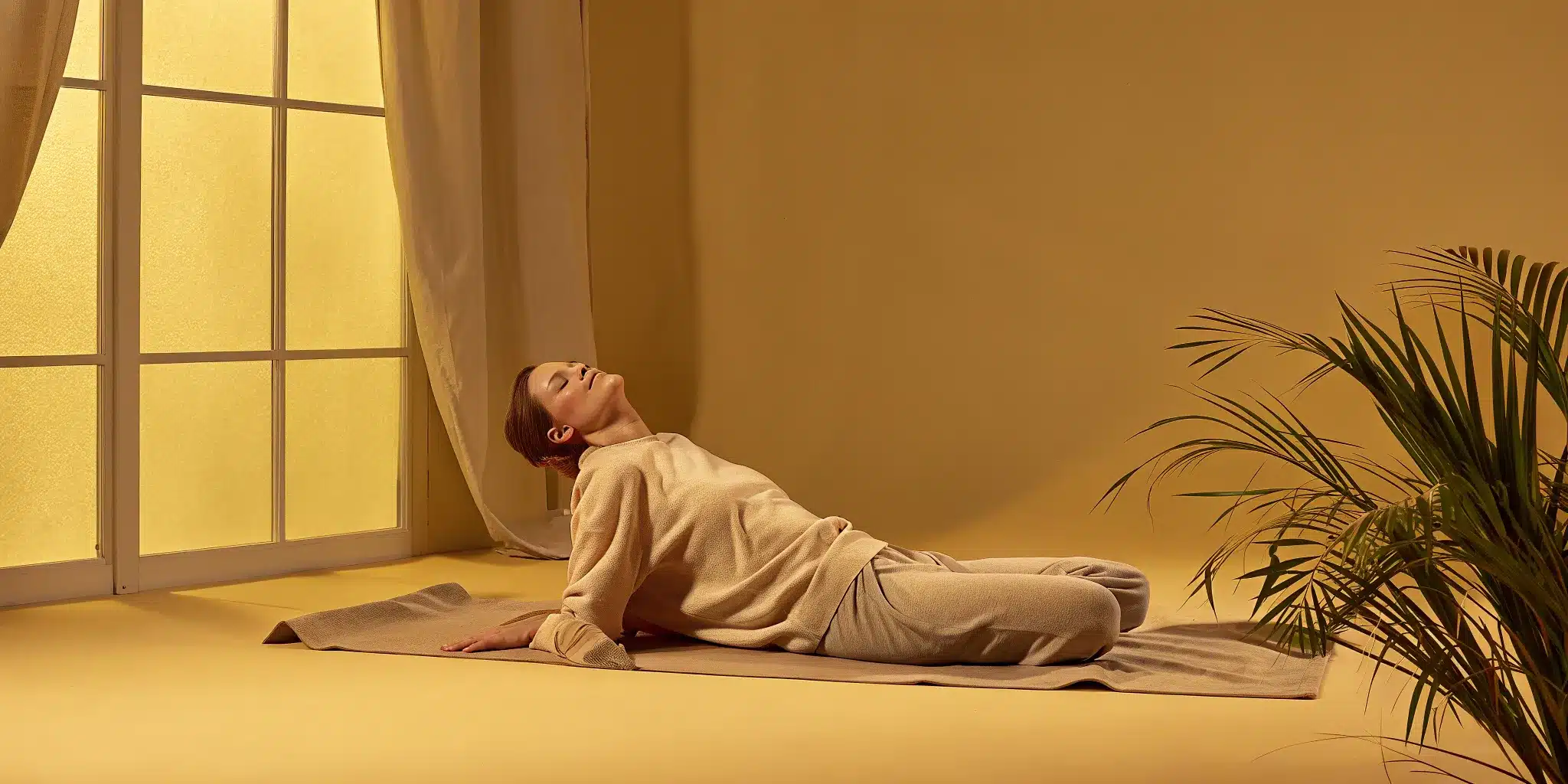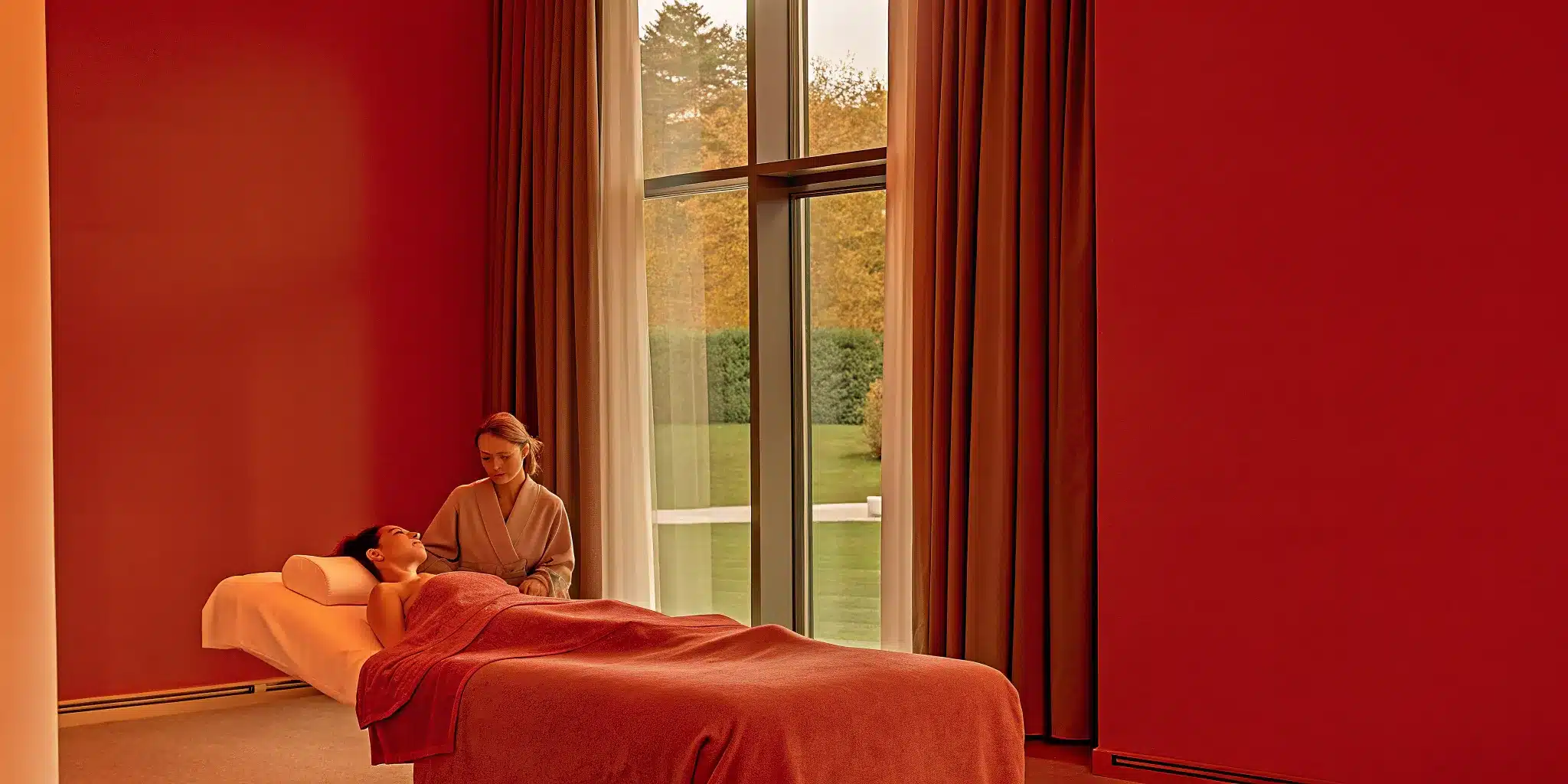
Your body is unique. The way you hold stress, your posture from sitting at a desk, and your specific activity levels all create a distinct pattern of tightness and tension. That’s why a generic stretching routine from a video often falls short. Assisted stretching is a completely personalized experience. In a one-on-one session, a trained professional assesses your body’s specific needs and creates a routine tailored just for you. They can focus on releasing your tight shoulders or loosening your stiff hips, providing targeted relief where you need it most. This customized approach is why the assisted stretching benefits are so impactful, helping you make real progress toward your personal wellness goals.
Key Takeaways
- Go Beyond Your Limits, Safely: A trained professional helps you achieve a deeper stretch than you can on your own by using their knowledge of anatomy to work with your body’s natural reflexes, ensuring you get real results without the risk of injury.
- Address More Than Just Tight Muscles: Assisted stretching is a powerful tool for whole-body wellness, helping to relieve chronic pain, correct poor posture, and reduce stress, which can lead to better sleep and a stronger mind-body connection.
- Consistency Creates Lasting Relief: While one session feels great, real change comes from making stretching a regular practice. A plan tailored to your specific goals helps you build long-term improvements in mobility and pain reduction.
What Is Assisted Stretching (And How Can It Help You)?
If you’ve ever felt like your own stretching routine isn’t quite cutting it, you’re not alone. Assisted stretching is a practice where a trained professional helps you stretch your muscles and joints. Think of it as personal training for your flexibility. Instead of you trying to push and pull your own body into position, a practitioner uses their expertise to guide you through a series of movements designed to safely increase your range of motion and release tension.
This one-on-one approach allows you to relax completely into each stretch, which is often the key to unlocking deeper, more lasting results. The practitioner can isolate specific muscles—even ones you didn’t know were tight—and use specialized techniques to help them lengthen and release. It’s a collaborative process that helps your body move more freely, eases chronic aches, and can make everyday activities feel easier and more comfortable. Whether you’re an athlete, work at a desk, or are simply looking to combat the stiffness that comes with age, assisted stretching can help your body feel and function at its best.
Why a Professional Stretch Is Different
Let’s be honest: when we stretch on our own, we often rush through it, use improper form, or stop the second we feel a slight pull. A professional stretch is entirely different. A trained practitioner brings a deep understanding of anatomy and body mechanics to the table. They know exactly how to position your body to target the right muscles safely and effectively. This expertise removes the guesswork and risk of injury that can come with solo stretching. They can see your body’s alignment and compensation patterns, ensuring you get a true, productive stretch every single time.
Assisted Stretching vs. Stretching on Your Own
When you stretch by yourself, your body’s natural protective reflexes often kick in, causing your muscles to contract to prevent you from going too far. This is why you hit a “wall” and can’t seem to get any deeper. With assisted stretching, the practitioner helps you work with your body, not against it. By gently guiding your limbs and encouraging you to breathe, they help calm your nervous system, allowing your muscles to relax and lengthen far beyond what you could achieve alone. This is how you make real, noticeable improvements in flexibility and finally release that stubborn, deep-seated tension.
A Look at Common Stretching Techniques
The most common and effective form of assisted stretching is partner-assisted stretching, which is a hands-on session with a qualified professional. During a session, you’ll lie on a comfortable table while the practitioner gently moves your body through a customized routine. They may use a variety of methods, including Proprioceptive Neuromuscular Facilitation (PNF), a technique that involves contracting and relaxing specific muscles to achieve a greater range of motion. This active approach is far more dynamic than simply holding a static pose, and it helps retrain your muscles and nervous system for better long-term flexibility.
Feel the Physical Difference: Key Benefits
It’s one thing to talk about stretching, but it’s another to feel the results in your own body. Assisted stretching isn’t just a temporary fix; it’s a powerful tool for creating lasting physical change. When a trained professional helps you move through targeted stretches, they can safely guide your body past its usual limits, addressing the root causes of tightness and pain. This personalized approach helps release tension that you might not even know you’re holding onto.
The benefits go far beyond a simple post-workout cooldown. We’re talking about fundamental improvements in how you move, stand, and live in your body every day. Think about being able to bend down to tie your shoes without groaning, reaching for something on the top shelf without a twinge in your shoulder, or simply getting through the day with less nagging pain. These are the real, tangible differences that a consistent stretching routine can make. Let’s look at some of the key physical benefits you can expect.
Improve Your Flexibility and Range of Motion
If you feel like your body is tighter than it used to be, you’re not alone. Daily life, from sitting at a desk to performing repetitive movements, can shorten and tighten our muscles. Assisted stretching helps you safely and effectively become more flexible, increasing your overall range of motion. This means your joints can move more freely, making everyday activities feel easier and more fluid. Whether you’re an athlete looking to improve performance or someone who just wants to move with less stiffness, gaining flexibility is a foundational step toward feeling better in your body.
Stand Taller with Better Posture
Poor posture often stems from muscle imbalances—some muscles are too tight, while others are too weak. Slouching over a computer or phone for hours can create chronic tightness in your chest and shoulders while weakening your back muscles. Assisted stretching can target and release these overly tight muscles, allowing your body to return to a more natural and upright alignment. A professional can help fix muscle problems that contribute to slouching, helping your spine line up correctly. The result? You’ll stand taller, feel more confident, and reduce the strain that leads to back and neck pain.
Recover Faster and Prevent Future Injuries
Whether you’re a seasoned athlete or a weekend warrior, muscle soreness can slow you down. Assisted stretching can aid in muscle recovery by increasing blood flow to your tissues, which helps flush out metabolic waste and deliver the nutrients your muscles need to repair themselves. But it’s not just about bouncing back from your last workout. By systematically lengthening your muscles and improving their elasticity, you also make them more resilient. This increased flexibility is your best defense against future strains, sprains, and other injuries, keeping you active and doing the things you love.
Ease Muscle Tension and Improve Circulation
Chronic muscle tension can feel like a constant, nagging ache that never quite goes away. This tightness can restrict blood flow, preventing your muscles from getting the oxygen and nutrients they need. Assisted stretching directly addresses this by gently elongating muscle fibers and releasing knots and trigger points. This process not only provides immediate relief but also stimulates blood flow to the affected areas. Better circulation means healthier, more nourished muscles that are less prone to pain and stiffness. It’s a simple yet powerful way to unwind deep-seated tension and promote overall muscle health.
More Than a Stretch: The Mental Benefits
When we think about stretching, we usually focus on the physical side of things—loosening tight muscles and improving flexibility. But the benefits go so much deeper. Releasing physical tension has a powerful ripple effect on your mental and emotional state. By dedicating time to an assisted stretch, you’re not just caring for your body; you’re creating space for your mind to unwind, reset, and find clarity. It’s a practice that nurtures the crucial connection between how you feel physically and your overall sense of well-being.
Find Calm and Reduce Daily Stress
Everyday stress has a way of settling into our bodies, showing up as tight shoulders, a stiff neck, or an aching back. Assisted stretching directly addresses this physical manifestation of stress. As a trained professional gently works to release knots and lengthen muscles, your body can finally let go of that built-up tension. This process helps improve circulation and signals to your nervous system that it’s safe to relax. The result is a feeling of calm that extends far beyond the stretching table. An assisted stretch session can be a powerful tool that reduces stress and helps you feel more centered and balanced in your daily life.
Strengthen Your Mind-Body Connection
In our busy lives, it’s easy to feel disconnected from our bodies. Assisted stretching encourages you to tune back in. As your practitioner guides you through each movement, you become more aware of where you’re holding tension and how your body feels. This focused attention is a form of mindfulness, helping you become more present in the moment. These kinds of therapeutic exercises are designed to decrease both physical and psychological tension. By paying attention to your body’s signals during a stretch, you strengthen the mind-body connection, which can help you better manage discomfort and stress long after your session is over.
Sleep Deeper and Feel Better Overall
If you struggle to get restful sleep, muscle tension and stress could be part of the problem. It’s hard for your mind to shut off when your body is tense and uncomfortable. Because assisted stretching is so effective at promoting deep relaxation, it can pave the way for better sleep. When your muscles are relaxed and your stress levels are lower, you’re more likely to fall asleep faster and enjoy a more restorative night’s rest. This therapy supports deeper sleep, which in turn affects everything from your mood and energy levels to your ability to focus the next day. It’s a simple, effective way to improve your overall quality of life.
The Role of Breathwork in Your Stretch
Breathing is a fundamental part of an effective stretch, and it’s something your practitioner will guide you through during your session. Taking slow, deep breaths sends a powerful message to your nervous system to calm down, which allows your muscles to release more fully. This conscious breathing enhances the physical benefits of the stretch and deepens the mental relaxation. Practicing relaxation techniques like guided breathwork helps melt away tension and brings a sense of peace. By syncing your breath with each movement, you turn your stretch session into a meditative practice that quiets your mind and soothes your body.
Is Assisted Stretching Right for You?
Assisted stretching isn’t just for professional athletes or gymnasts. It’s a powerful tool for anyone who wants to move more freely and feel better in their body. Whether you’re dealing with persistent aches, looking to improve your athletic performance, or simply trying to counteract the effects of a desk job, there’s a good chance that working with a stretch professional can help. The beauty of assisted stretching is that it’s tailored to you—your body, your lifestyle, and your specific goals. Let’s look at a few common scenarios where assisted stretching can make a significant difference.
If You Live with Chronic Pain
Living with chronic pain can feel like a constant battle, affecting everything from your mood to your ability to enjoy daily activities. Often, this pain is linked to muscle tightness and joint stiffness. Assisted stretching offers a gentle yet effective way to find relief. A trained professional can guide your body into stretches that ease tight muscles and lessen pain in sore areas. By carefully working with you, they can help release tension in your muscles and joints that you might not be able to reach on your own. This process not only provides immediate relief but can also help prevent future pain and injuries by restoring balance to your body.
For Athletes and Active Lifestyles
If you love to move, you know that recovery is just as important as the workout itself. Pushing your body to its limits can lead to tight muscles and soreness that can hinder your performance and even lead to injury. Assisted stretching can be a game-changer for your routine. It helps speed up muscle recovery by improving blood flow and reducing that post-exercise ache, also known as DOMS (Delayed Onset Muscle Soreness). By releasing tight muscles and improving your overall flexibility, a professional stretch can alleviate tension, reduce pain, and help you achieve a greater range of motion, giving you an edge in your sport or activity.
To Maintain Mobility and Independence
Feeling mobile and independent is key to a high quality of life, no matter your age. Simple things like bending down to pick something up, reaching for an item on a high shelf, or playing with your kids or grandkids all depend on your body’s ability to move freely. Assisted stretching is a specialized technique designed to enhance flexibility, reduce pain, and improve posture. It’s a proactive way to care for your body, helping you address physical issues before they become limiting. A trained specialist guides you through safe and effective stretches, helping you maintain the mobility you need for the life you want to live.
If You Work at a Desk All Day
Long hours spent sitting at a desk can take a serious toll on your body. You might finish your workday with a stiff neck, aching shoulders, tight hips, and a sore lower back. This discomfort is your body’s way of telling you it needs to move. Assisted stretching is the perfect antidote to a sedentary workday. It can directly target and ease the stiffness that comes from prolonged sitting. A professional can help you improve your posture and release the deep muscle tension that builds up in your neck, shoulders, and back. Think of it as hitting the reset button for your body after a long day or week at the computer.
Your First Assisted Stretch: What to Expect
Walking into your first assisted stretching session can feel a little mysterious. What will happen? Will it be uncomfortable? Knowing what to expect can help ease any nerves and get you ready to make the most of your appointment. The goal is for you to feel comfortable, safe, and informed from the moment you walk in the door. A great stretching professional will guide you through every step, but it always helps to have a little insight beforehand. They’ll start by talking with you about your goals, any pain points you have, and your activity level. This isn’t just small talk; it’s how they create a session that’s 100% tailored to you. Let’s walk through what your first visit might look like and clear up some common questions.
Debunking Common Myths: Does It Hurt?
Let’s get this one out of the way first: assisted stretching should never hurt. The old “no pain, no gain” philosophy has no place here. You’ll feel a gentle pull or a deep sensation in the muscle being worked on, but you should never feel sharp or shooting pain. Your stretch therapist will communicate with you constantly, asking for feedback to ensure they stay within your comfort zone. Another common worry is that you’re not flexible enough to even start. That’s like thinking you’re too dirty to take a shower! The entire purpose of assisted stretching is to improve your flexibility, no matter your starting point.
How to Find a Qualified Professional
Finding the right person to guide your stretches is key to a safe and effective experience. Look for dedicated stretching studios where the staff are specialists, not generalists. While some gyms offer stretching, a studio that focuses exclusively on one-on-one assisted stretching often provides a higher level of expertise and a more personalized approach. You can start by searching for assisted stretching services in your area and reading reviews. A reputable studio will have a team of trained professionals, often called Stretch Therapists or Flexologists, who are dedicated to the practice. Their entire focus is on understanding body mechanics and helping you achieve your mobility goals.
Certifications and Training to Look For
Not all stretch providers are created equal. A qualified professional should have a strong background in anatomy, physiology, and kinesiology. Don’t be shy about asking about their credentials. Look for certifications from reputable organizations or degrees in fields like physical therapy, exercise science, or massage therapy. This ensures your therapist understands the complex ways your muscles, bones, and nerves work together. A practitioner with in-depth training can recognize your body’s limits and tailor each stretch specifically for you, which is crucial for preventing injury and getting real results. A weekend online course simply isn’t enough to safely work with the human body.
Key Questions to Ask at Your First Visit
Your first session is a two-way conversation. It’s your chance to interview the therapist and make sure it’s a good fit. Come prepared with a few questions to get the information you need. You can start by asking about their experience working with clients who have similar goals or conditions to yours. Ask them to walk you through what a typical session looks like and how they customize their approach. It’s also perfectly acceptable to ask about pricing and package options. A great therapist will welcome your questions and take the time to explain their process, making you feel confident and comfortable before you even get on the table. This is an important step in advocating for your own health.
How Often Should You Get an Assisted Stretch?
One of the most common questions people have when starting their stretching journey is, “How often should I be doing this?” While it would be easy to give a single answer, the truth is that the ideal frequency is unique to you. Your body, your lifestyle, and your wellness goals all play a role in creating the perfect schedule. The key isn’t about hitting a magic number of sessions per week; it’s about finding a consistent rhythm that helps you feel and move your best. Think of it less like a strict prescription and more like a collaborative process. Working with a professional allows you to listen to your body’s feedback and adjust your routine as you get stronger and more flexible.
Finding Your Ideal Stretching Schedule
Your perfect assisted stretching schedule depends entirely on your unique goals and current level of health. Are you an athlete looking to improve performance, or are you seeking relief from the chronic tightness that comes from sitting at a desk all day? While many of our clients find that coming in two or three times a week delivers incredible results, the best way to start is by talking with a specialist. They can help you set realistic wellness goals and map out a plan that makes sense for your body and your life. This initial conversation ensures you’re on a path that feels sustainable and gets you the most out of every single session, right from the beginning.
What Your First Session Will Tell You
Think of your first appointment as a discovery session for your body. A trained professional will take the time to assess your current flexibility, check your range of motion, and talk with you about any specific areas of tension or discomfort you’re experiencing. This isn’t a test—it’s a conversation. This initial evaluation is crucial because it provides the blueprint for your entire stretching program, helping your specialist understand exactly where you’re starting from. Based on this assessment, they can tailor a routine that directly addresses your individual needs and helps you move toward your goals safely and effectively. It’s not a generic routine; it’s a plan built just for you.
Creating a Routine for Lasting Results
A single assisted stretch session can provide wonderful, immediate relief, but the real transformation happens with consistency. The long-term benefits—like improved posture, reduced pain, and greater mobility—come from making stretching a regular practice. Many people find that combining professional sessions with their own gentle stretching at home creates the most powerful and lasting results. By committing to a routine, you’re not just addressing current aches; you’re actively maintaining your flexibility and helping to prevent future injuries from cropping up. It’s this steady, consistent effort that builds lasting change and keeps you feeling great in your body day after day.
Customizing Your Plan to Meet Your Goals
Assisted stretching offers a level of personalization that’s hard to match in other settings. Unlike a group fitness class where everyone follows the same cues, every moment of your session is focused entirely on you and your body. By working one-on-one with a trained specialist, you can create a completely customized fitness plan that targets the specific muscle groups that need the most attention. Whether you want to finally touch your toes, get relief from nagging lower back pain, or improve your golf swing, your plan will be designed to help you reach your specific objectives. This tailored approach ensures your time is spent effectively, moving you closer to your goals with every single stretch.
Related Articles
- One on One Assisted Stretching: A Complete Guide – STRETCHMED
- Benefits of a 1-on-1 Stretch Therapist: Improve Flexibility & Reduce Pain – STRETCHMED
- 10 Benefits of Stretching: Feel & Move Better – STRETCHMED
- Gentle Stretching for Seniors: A Beginner’s Guide – STRETCHMED
Frequently Asked Questions
I live with chronic pain. Will assisted stretching hurt? This is such an important question, and the answer is no, it should never hurt. The entire session is built around communication between you and your stretch professional. You can expect to feel a deep, productive stretch, but you should never feel sharp or painful sensations. Your practitioner will constantly check in with you to make sure the pressure and depth are comfortable, ensuring the experience is both relieving and relaxing.
How is this different from massage or physical therapy? While all three practices are wonderful for your body, they have different goals. Think of physical therapy as a tool for rehabilitating a specific injury, often with a clinical focus. Massage therapy primarily targets releasing tension within the muscle tissue itself. Assisted stretching is unique because its main focus is on improving your overall flexibility and range of motion, which in turn helps ease pain, improve posture, and prevent future injuries.
What should I wear to my appointment? You’ll want to wear something comfortable that you can move in easily. Think of what you might wear for a yoga class or a day at the gym. Athletic wear like leggings, joggers, or comfortable shorts and a t-shirt are perfect choices. The key is to wear clothing that won’t restrict your movement as the practitioner guides your body through different stretches.
How quickly will I see results from assisted stretching? Many people feel an immediate sense of relief, lightness, and increased mobility right after their very first session. It can feel like a reset button for your body. However, the most significant and lasting benefits, like improved posture and a long-term reduction in chronic pain, come from making assisted stretching a consistent part of your routine.
I’m not flexible at all. Can I still benefit from this? Absolutely. In fact, that’s the perfect reason to start. Thinking you’re not flexible enough for assisted stretching is like thinking you’re too hungry to eat a meal. The sessions are completely customized to your body’s current abilities. A trained professional will meet you exactly where you are and help you safely and gradually improve your flexibility over time.