Some stiffness is normal, especially after trying a new exercise. But what about the kind that lingers for days, making your entire body feel locked up for no clear reason? This guide is for that kind of persistent whole body stiffness. We’ll look past the usual suspects and explore the less obvious causes, including hidden daily habits, the role of inflammation, and when it might be a sign of something more. You’ll get practical, at-home strategies for immediate relief and learn how targeted, professional approaches can finally help you break the cycle of chronic tension and reclaim your freedom of movement.
Key Takeaways
- Understand What Your Stiffness Is Telling You: Widespread stiffness is more than just an inconvenience; it’s your body communicating that something needs to change, whether it’s your posture, hydration levels, or an underlying health issue.
- Incorporate Gentle, Daily Movement for Relief: You don’t need intense workouts to feel better. Simple habits like taking movement breaks, performing gentle stretches, and staying hydrated can effectively manage and prevent stiffness.
- Let an Expert Guide You for Deeper Results: When you can’t seem to get relief on your own, professional assisted stretching allows your muscles to fully relax while a therapist targets the root cause of your tension, leading to a more significant and lasting release.
Feeling Stiff All Over? Here’s What It Means
Waking up and feeling like your body has been replaced with a block of concrete overnight is a frustratingly common experience. That creaky, tight sensation that makes even simple movements feel like a chore is known as body stiffness. It’s more than just a minor inconvenience; it’s a signal from your body that something is off. Whether it’s from a new workout, a long day hunched over a desk, or something else entirely, understanding what that stiffness means is the first step toward finding relief.
This feeling can range from a dull ache in a specific area, like your neck or lower back, to a general sense of rigidity throughout your entire body. It can make it difficult to get out of bed, bend down to tie your shoes, or even just turn your head. While occasional stiffness is normal, chronic stiffness can seriously impact your quality of life, holding you back from the activities you love. It can be the reason you skip a morning walk, pass on playing with your grandkids, or just feel generally uncomfortable throughout your day. Let’s look at the common signs of body stiffness and how it can affect your daily routine.
Signs You’re Dealing with Body Stiffness
Muscle stiffness often feels like a deep ache, discomfort, or a persistent tightness that limits your range of motion. You might notice it most in the morning or after you’ve been sitting still for a while. This sensation can be a normal sign that your muscles are recovering and getting stronger after exercise, but it can also be caused by dehydration or long periods of inactivity. If your muscles feel tender to the touch, or you experience cramping and spasms along with the tightness, you’re definitely dealing with muscle stiffness. It’s your body’s way of protecting itself and signaling that it needs more movement, hydration, or rest.
How Stiffness Impacts Your Daily Life
That feeling of being stiff and sore doesn’t just stay in your muscles—it spills over into everything you do. It can turn simple tasks like carrying groceries, playing with your kids, or even getting comfortable in a chair into a painful ordeal. This constant discomfort can lead to weakness, swelling, and persistent aches that drain your energy. While most stiffness resolves on its own, it’s important to pay attention to your body. If your stiffness is accompanied by other symptoms like fever, fatigue, or a sore throat, it could indicate a more serious underlying condition. Ignoring long-term stiffness, especially in the neck or back, could even lead to complications like a pinched nerve.
Why Does My Whole Body Feel Stiff?
That feeling of being stuck in a suit of armor—where every movement feels tight and restricted—is incredibly frustrating. If you’re wondering why your entire body feels stiff, you’re not alone. The answer isn’t always straightforward, as the cause can range from your daily routine to what’s happening inside your body. Understanding the root of the problem is the first step toward moving freely again.
Often, the culprit is closer than you think, hiding in plain sight within your everyday habits. Things like how you sit at your desk or how much you move throughout the day play a huge role. But sometimes, stiffness is your body’s way of signaling that something else is going on, like an underlying health condition or even a simple lack of hydration. Let’s look at the most common reasons for whole-body stiffness so you can start connecting the dots and find a path to relief.
Everyday Habits and Posture Problems
Think about how much time you spend sitting—at a desk, in the car, or on the couch. Our bodies are made to move, and long periods of inactivity cause muscles to shorten and tighten up. This is a primary cause of muscle stiffness. When you’re not moving, your joints don’t get the fluid circulation they need, leading to that rigid feeling.
Poor posture makes it even worse. Slouching over a computer or constantly looking down at your phone puts your spine out of alignment. This forces the muscles in your neck, back, and even your hips to work overtime to keep you upright, leading to strain and tension that can radiate throughout your entire body.
Underlying Health Conditions to Consider
If your stiffness feels persistent and isn’t getting better with simple changes, it might be related to an underlying health issue. Chronic conditions are a common source of widespread body stiffness. For example, different forms of arthritis, like osteoarthritis and rheumatoid
Other conditions like fibromyalgia can cause widespread muscle pain and stiffness all over the body. Autoimmune diseases, such as lupus or polymyalgia rheumatica, can also trigger inflammation that results in stiff, aching muscles. Even a simple viral infection like the flu can leave you with body aches and stiffness. If you suspect something more is going on, it’s always a good idea to chat with your doctor.
The Role of Hydration and Muscle Tension
Here’s a simple question: Are you drinking enough water? It’s a factor we often overlook, but dehydration has a direct impact on how your muscles feel. Your muscle tissue is over 75% water, which is essential for maintaining its elasticity and function. When you’re dehydrated, your muscles are deprived of the fluids and electrolytes they need to work properly.
This can cause them to feel tight, cramp up easily, and become stiff. Think of it like a sponge—when it’s hydrated, it’s soft and flexible. When it dries out, it becomes hard and rigid. Making sure you drink enough water throughout the day is one of the easiest and most effective ways to help your muscles stay pliable and reduce overall stiffness.
How to Ease Whole Body Stiffness at Home
When your whole body feels tight and achy, the thought of moving can be daunting. But you don’t have to live with that constant feeling of being wound up. The good news is that you can find significant relief right from the comfort of your home. By incorporating a few simple habits into your daily routine, you can start to loosen up those stiff muscles and reclaim your freedom of movement.
Simple Stretches and Movements for Relief
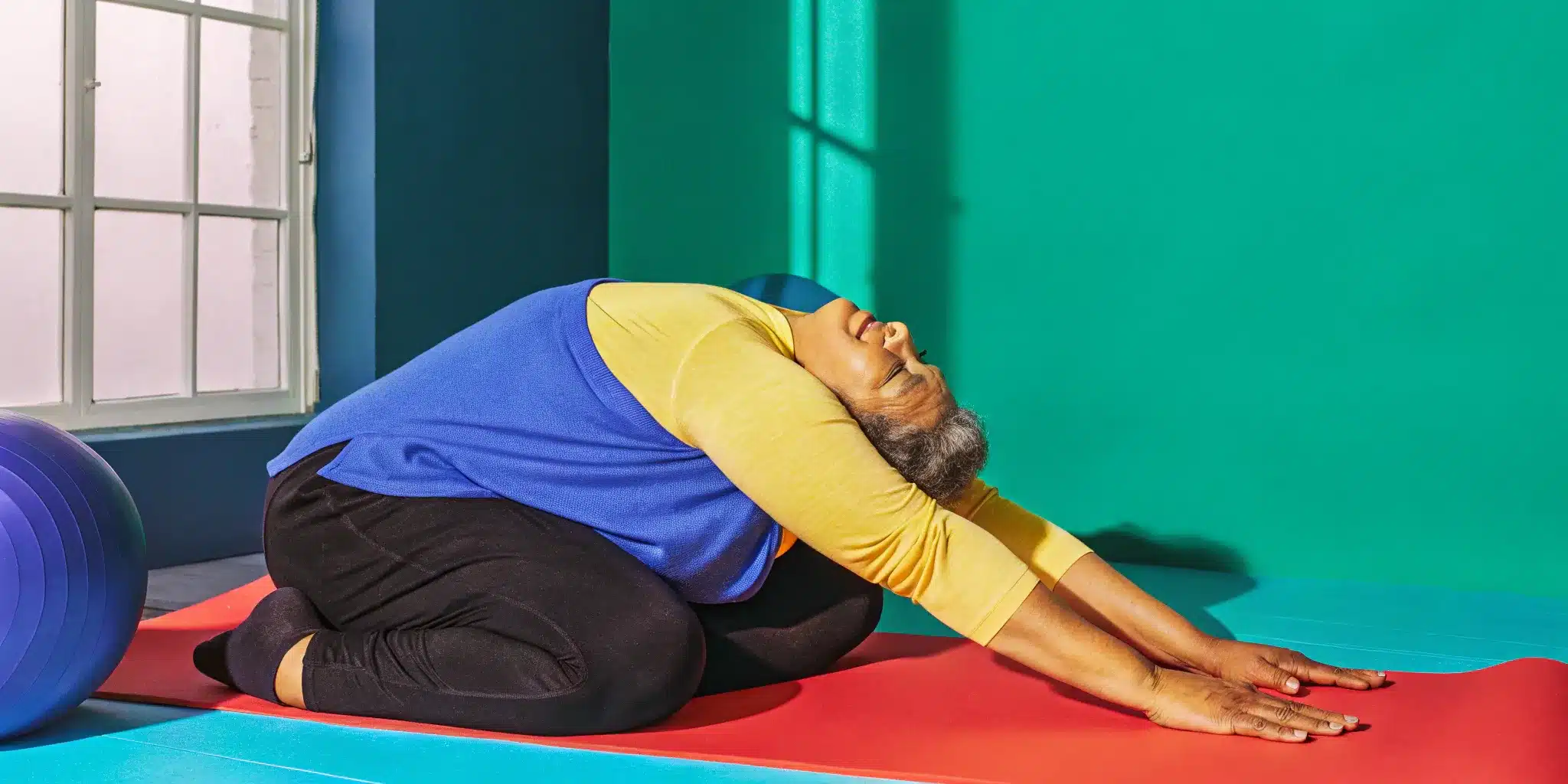
The key to easing stiffness is gentle, consistent movement. You don’t need an intense workout to feel better; in fact, pushing too hard can sometimes make things worse. Instead, focus on activities that encourage flexibility and blood flow. Stretches like the cat-cow or threading the needle are fantastic for mobilizing your spine and releasing tension in your back and shoulders. Beyond specific stretches, low-impact activities like walking, yoga, and Pilates can dramatically improve flexibility over time. The goal is to move your body in a way that feels good and restorative, helping your muscles remember how to relax.
Using Heat and Self-Massage
Sometimes your muscles need a little extra encouragement to let go. Applying heat is a wonderful way to soothe stiffness, as it increases blood flow and helps relax tight tissues. Try taking a warm bath or using a heating pad on particularly sore areas for about 20 minutes. For more acute discomfort, you can alternate between heat and cold packs. A gentle self-massage on tender muscles a few times a day can also work wonders. You don’t need any special tools—just use your hands to apply light pressure and knead the stiff spots. These simple treatments for muscle stiffness can provide immediate relief and are easy to fit into your day.
Foods and Drinks That Fight Inflammation
What you put into your body plays a huge role in how you feel. Chronic inflammation is a common culprit behind body stiffness, and your diet can either help or hinder it. First and foremost, stay hydrated by drinking plenty of water throughout the day, as dehydration can make muscle tightness worse. Beyond that, focus on incorporating foods rich in magnesium and calcium, which are vital for muscle health. Great options include avocados, bananas, dark leafy greens, nuts, and seeds. Fatty fish like salmon are also excellent due to their anti-inflammatory omega-3 fatty acids. Eating a balanced diet full of these nutrients can help support your muscles from the inside out.
Can Professional Stretching Help with Stiffness?
If you’ve tried stretching at home but still feel like you’re fighting against a wall of tension, you’re not alone. While daily movement is essential, sometimes deep-seated, whole-body stiffness requires a different approach. This is where professional assisted stretching comes in. Think of it as a targeted treatment for your muscles, fascia, and joints, guided by someone who understands exactly how your body moves—and where it gets stuck.
Unlike stretching on your own, where you might be tensing one muscle to stretch another, assisted stretching allows your body to completely relax. A trained therapist gently guides you through a series of movements, helping you achieve a deeper and more effective stretch than you could safely manage by yourself. They can identify the intricate patterns of tightness that contribute to your overall stiffness, like how tension in your hips might be causing that ache in your lower back. By addressing these root causes, professional stretching can provide more significant and longer-lasting relief, helping you finally move with the freedom you’ve been missing. It’s a proactive way to care for your body, improve your mobility, and ease the chronic aches that hold you back.
The Power of One-on-One Assisted Stretching
There’s a unique benefit to having a session that’s focused entirely on you. One-on-one assisted stretching is a partnership between you and a therapist, designed to meet your body’s specific needs. Instead of following a generic routine, you get a customized experience that addresses your personal pain points and flexibility goals. At StretchMed, a single 50-minute session can include up to 36 different stretches that target muscles from head to toe. Because the therapist is doing the work, your muscles can stay passive and relaxed, allowing for a much deeper release of tension. This personalized approach helps you safely improve your range of motion and find relief in areas you didn’t even realize were tight.
How Experts Target Full-Body Tension
The person guiding your stretch matters. Certified stretch therapists have professional backgrounds in fields like exercise science, physical therapy, and massage therapy, giving them a deep understanding of the human body. They know how to read the signs of tension and imbalance, allowing them to pinpoint the source of your stiffness. Your first session typically involves a conversation about your lifestyle, aches, and goals. This information helps the therapist create personalized sessions tailored to you. Whether your stiffness comes from sitting at a desk all day, a tough workout, or chronic stress, an expert can design a routine that methodically works to release tension throughout your entire body for lasting relief.
Why Guided Stretching Delivers Better Results
When you stretch by yourself, it’s easy to use improper form, not hold a position long enough, or push too far and risk injury. Guided stretching eliminates that guesswork. A therapist ensures every movement is performed correctly and safely, helping you get the maximum benefit from each stretch. This expert guidance is key to improving flexibility and mobility without straining your muscles. The result is more than just temporary relief. Guided stretching at StretchMed helps relieve stiffness, restore mobility, and reduce stress so you feel lighter and more energized. It’s a powerful way to reset your body and build a foundation for pain-free movement in your daily life.
When to See a Doctor About Your Stiffness
Most of the time, a bit of stiffness is your body’s way of telling you it needs to move more or recover from a tough workout. But sometimes, it’s a signal that you shouldn’t ignore. While stretching and gentle movement can work wonders, it’s just as important to know when your symptoms need a doctor’s attention. Paying attention to your body is key, and that includes recognizing when it’s time to get a professional medical opinion to rule out anything more serious.
Red Flags You Shouldn’t Ignore
If your stiffness feels severe or just won’t go away after a few days of rest and gentle movement, it’s time to call your doctor. Pay close attention if the stiffness comes with other symptoms. Things like a fever, a new rash, or significant swelling alongside your stiffness are definite red flags. It’s also critical to seek medical attention if your stiffness started after a tick bite, as this could point to a more serious underlying condition that needs prompt treatment. Don’t try to push through these signs; getting a proper diagnosis is the safest next step.
How Long Is Too Long to Feel Stiff?
A good rule of thumb is that if your stiffness hangs around for more than a few days, you should schedule a visit with your doctor. This is especially true if you’re also feeling unwell in other ways. Symptoms like a headache, sore throat, fever, or a general feeling of tiredness paired with stiffness are your body’s way of asking for help. If the stiffness is so bad that it’s preventing you from moving normally, don’t wait. Persistent stiffness can sometimes be a sign of serious infection or other health issues that require a doctor’s care.
Could Your Stiffness Be a Sign of Something More?
While sore, tight muscles are often the result of a tough workout or a long day hunched over a computer, persistent, all-over stiffness can sometimes be your body’s way of signaling that something else is going on. If your stiffness doesn’t ease up with simple stretches and home care, or if it’s accompanied by other concerning symptoms like fatigue, fever, or pain that just won’t quit, it might be time to look a little deeper.
Understanding the potential underlying causes isn’t about jumping to worst-case scenarios. It’s about being an informed advocate for your own health. When you can have a more specific conversation with your doctor, you’re one step closer to finding the right solution. Many conditions that cause stiffness can be managed effectively, especially when they’re caught early. The key is to pay attention to your body’s cues and seek professional advice when you feel something is off. Learning about the different causes of muscle stiffness can help you understand what to look for and when to reach out for help. Below, we’ll cover a few conditions that are commonly linked to whole-body stiffness so you can be better prepared for that conversation.
Inflammatory and Autoimmune Conditions
Sometimes, the body’s defense system can get its wires crossed. In autoimmune conditions, the immune system mistakenly attacks healthy tissues, leading to widespread inflammation, pain, and stiffness. Conditions like Multiple Sclerosis (MS) and Polymyalgia Rheumatica can cause this kind of full-body discomfort. Another example is Lupus, where symptoms can include not just muscle and joint pain but also fatigue, fever, and rashes. If your stiffness feels systemic and comes with other unexplained symptoms, it’s a good idea to discuss the possibility of an inflammatory condition with your healthcare provider.
Chronic Pain Syndromes like Fibromyalgia
If you’re dealing with widespread pain and stiffness that seems to have no clear cause, you might be experiencing a chronic pain syndrome like fibromyalgia. This condition is more than just muscle pain; it often brings along intense fatigue, sleep disturbances, headaches, and cognitive issues sometimes called “fibro fog.” Because its symptoms are so varied, fibromyalgia can significantly impact your daily life and usually requires a comprehensive approach to manage. Understanding that your stiffness is part of a larger syndrome is the first step toward finding effective relief.
Arthritis and Nerve-Related Issues
When most people think of stiffness, they think of arthritis—and for good reason. Arthritis is a very common cause of joint inflammation, pain, and stiffness. This can happen from wear and tear over time (osteoarthritis) or from the immune system attacking the joints (rheumatoid arthritis). Beyond arthritis, other issues can also be at play. In some cases, muscle stiffness can be a symptom of infections or other long-term conditions. If your stiffness is concentrated in your joints or you’re experiencing other unusual symptoms, a doctor can help pinpoint the underlying cause and get you on the right track.
How to Keep Stiffness from Coming Back
Finding relief from whole-body stiffness is a huge win, but the real goal is to keep that feeling of freedom and mobility for good. Preventing stiffness from returning is all about building small, consistent habits that support your body over the long term. It’s less about grand gestures and more about the daily choices you make to prioritize movement, rest, and overall wellness. Think of it as creating a supportive environment for your muscles and joints so they can stay flexible and pain-free.
By focusing on proactive care, you can shift from constantly reacting to stiffness to preventing it from taking hold in the first place. This involves being mindful of how you move, how you rest, and how you fuel your body. It also means creating a sustainable routine that doesn’t feel like a chore. When you integrate these practices into your life, you’re not just fighting stiffness—you’re investing in your long-term health and ensuring you can continue doing the activities you love without being held back by aches and pains.
Daily Movement and Posture Habits
If you spend long hours sitting at a desk or on the couch, your muscles can shorten and tighten, leading to that familiar feeling of stiffness. The best antidote is simple: move more. This doesn’t mean you need to run a marathon. Instead, focus on incorporating gentle, consistent movement throughout your day. Set a timer to get up and walk around for a few minutes every hour. Try some simple, gentle stretches like cat-cow or neck rolls right at your desk. Good posture also plays a huge role. When you slouch, you put extra strain on your neck, back, and shoulder muscles, which can lead to chronic tension and stiffness.
The Importance of Sleep and Stress Relief
You might not realize it, but a bad night’s sleep can directly contribute to body stiffness. While you sleep, your body gets to work repairing muscle tissue and reducing inflammation. When your sleep is cut short or disrupted, your body misses out on this critical recovery time. Similarly, chronic stress causes your muscles to stay in a constant state of tension, which can lead to widespread aches. To combat this, prioritize a consistent sleep schedule and find healthy ways to manage stress. Simple practices like deep breathing, meditation, or a warm bath before bed can help calm your nervous system and release muscle tension.
Creating a Wellness Routine That Sticks
A truly effective wellness routine is one you can stick with. Consistency is far more important than intensity. Start by focusing on the fundamentals: drink plenty of water to keep your muscle tissues hydrated and eat a balanced diet rich in anti-inflammatory foods. From there, build a routine that includes regular movement and dedicated recovery time. For many, professional guidance is the key to making it all work. Working with a certified stretch therapist can help you create a personalized plan tailored to your body’s specific needs, ensuring you’re moving in a way that reduces stiffness and promotes long-term flexibility.
Your Long-Term Plan for Flexibility and Freedom
Finding lasting relief from stiffness isn’t about a single stretch or a one-time fix. It’s about creating a sustainable lifestyle that supports your body’s need for movement. Think of it as building a foundation for long-term mobility and freedom. By weaving intentional movement and smarter habits into your routine, you can teach your body to be more resilient, flexible, and ready for whatever your day holds. The goal is to make feeling good your new normal, not something you’re constantly chasing.
Adapting Your Workouts for Better Mobility
You don’t need to push through high-intensity workouts to see results. In fact, when you’re feeling stiff, a gentler approach is often more effective. Focus on exercises that improve your range of motion and ease tension. Gentle stretches, walking, yoga, and Pilates are all fantastic for improving flexibility without putting extra strain on your body. When you exercise, you create tiny, manageable tears in your muscle fibers. As your body repairs them, your muscles become stronger and more resilient, which is key to fighting off that stiff feeling for good. The key is consistency, not intensity.
Making Movement a Natural Part of Your Day
Formal workouts are great, but the movement you do throughout the day matters just as much. If you have a desk job or tend to sit for long periods, make it a point to move around often. Set a timer to get up, walk around, and do a few simple stretches every hour. Staying hydrated is also crucial, as water helps keep your muscle tissues pliable. Always remember to warm up before any physical activity—even just a few minutes of light movement can prepare your muscles and prevent stiffness later. These small, consistent habits add up, making flexibility a natural part of your life instead of another task on your to-do list.
Related Articles
- 7 Ways to Relieve Stiffness in Thighs and Legs
- How to Relieve Body Stiffness: A Simple Guide
- What Are Stiff Legs a Sign Of? 8 Common Causes
Frequently Asked Questions
Why am I always so stiff in the morning? That morning rigidity is incredibly common. While you sleep, your body is still, which allows fluids in your joints to become stagnant and muscles to tighten up. Any underlying inflammation can also settle in overnight, making that first move out of bed feel extra creaky. The good news is that this feeling usually subsides once you start moving around and get your circulation going. A few gentle stretches before you even get out of bed can make a world of difference.
What’s the difference between regular muscle soreness and the kind of stiffness I should be concerned about? It’s helpful to think of it in terms of cause and duration. Normal muscle soreness, often called DOMS (Delayed Onset Muscle Soreness), typically shows up a day or two after a new or intense workout. It feels like a tender ache in the specific muscles you worked and usually fades within a few days. Chronic stiffness, on the other hand, is more of a persistent, widespread tightness that limits your range of motion and doesn’t have a clear cause. If your stiffness lingers for more than a week or is paired with other symptoms like fever or swelling, it’s a good idea to chat with your doctor.
I stretch on my own, but it doesn’t seem to help. Why would professional stretching be any different? Stretching by yourself is great, but it has its limits. When you stretch on your own, you often have to tense one part of your body to stretch another, which can prevent a truly deep release. With one-on-one assisted stretching, a trained professional does the work for you. This allows your body to completely relax, letting the therapist gently guide your muscles into a deeper and more effective stretch than you could safely achieve alone. They can also identify and address the root cause of your tension, rather than just treating the symptom.
Can I make my stiffness worse by stretching the wrong way? Absolutely. Pushing too far, too fast, or using improper form can definitely lead to muscle strain or even injury, which ultimately creates more tension. This is one of the biggest benefits of working with a professional. A certified stretch therapist understands how the body is supposed to move and ensures every stretch is performed correctly and safely. They guide you to the edge of your flexibility without ever pushing you past it, which is the key to releasing stiffness, not causing it.
How long does it take to see improvement from stretching? While you can often feel a sense of immediate relief and increased mobility after just one assisted stretching session, lasting change comes from consistency. Think of it as teaching your muscles a new way of being. Undoing years of tension doesn’t happen overnight. A single session can hit the reset button, but building a regular routine is what creates true, long-term flexibility and keeps that stiff feeling from coming back.