That nagging ache in your lower back might not be about your back at all. Surprisingly often, the real culprit is tight leg muscles, particularly your hamstrings. When your leg muscles are tense, they pull on your pelvis and create a chain reaction of discomfort that can travel up your spine or down to your knees and feet. It’s a classic case of everything being connected. Instead of just treating the symptom, finding lasting relief means addressing the source. This is where targeted stretching comes in. We’ll explore the most effective exercises to loosen tight leg muscles, helping you unwind that tension and potentially resolve other aches and pains you thought you just had to live with.
Key Takeaways
- Your Daily Habits Are the Usual Suspects: Tight leg muscles are rarely random; they’re often a direct result of your lifestyle, whether it’s prolonged sitting, skipping stretches after a workout, or the natural process of aging. Pinpointing the cause is the first step toward finding lasting relief.
- Consistency Is More Important Than Intensity: A few minutes of gentle stretching every day will do more for your flexibility than one long, intense session per week. Focus on creating a sustainable daily habit, always warming up first and holding stretches without pushing into pain.
- Professional Help Is a Game-Changer for Chronic Tightness: If your own efforts aren’t cutting it and you’re still dealing with persistent pain or limited mobility, assisted stretching can provide a breakthrough. A trained practitioner can offer a deeper, more targeted stretch that you can’t achieve on your own.
What Causes Tight Leg Muscles?
If you’ve ever felt a nagging pull in your hamstrings or a stubborn ache in your calves, you’re not alone. Tight leg muscles are incredibly common, and they can stem from a variety of sources—from our daily routines to the natural process of aging. Understanding what’s causing that stiffness is the first step toward finding relief and moving more freely.
Often, the culprit is a combination of factors. You might spend your days at a desk and your weekends running trails, a mix that can easily lead to muscle tension. Let’s look at some of the most common reasons your legs might be feeling tight, so you can start to pinpoint the cause and find a solution that works for you.
The Impact of a Sedentary Lifestyle
Many of us spend a significant portion of our day sitting—at a desk, in the car, or on the couch. This sedentary lifestyle is a primary cause of tight leg muscles. When you sit for long periods, your hips are flexed and your knees are bent, which keeps your hamstrings and hip flexors in a shortened position. Over time, your muscles adapt to this posture, becoming tight and resistant to lengthening.
If you’ve ever stood up after a long meeting and felt a deep stiffness in the back of your legs or the front of your hips, you know this feeling well. This chronic shortening can pull on your pelvis and contribute to other issues, like lower back pain.
Skipping Your Regular Stretch
We all have busy schedules, and when time is tight, stretching is often the first thing to get cut from our fitness routine. But skipping your stretches can have a big impact on how your muscles feel. Stretching is what signals your muscles to relax and lengthen after they’ve been working or held in one position for a while.
Without this regular release, muscles can remain in a contracted, tense state. This is true whether you’re an athlete or someone who works at a desk. Consistent stretching helps maintain your flexibility, improves circulation to your muscles, and can even help your body recover more effectively after a workout. Making it a non-negotiable part of your day is key to keeping your legs loose and comfortable.
Muscle Fatigue from Overuse
It might seem counterintuitive, but being very active can also lead to tight muscles. When you push your body with a new workout, increase your running mileage, or spend a long day on your feet, you’re causing tiny micro-tears in your muscle fibers. This is a normal part of getting stronger, but it also triggers an inflammatory response. As your body works to repair the muscle, it can tighten up as a protective mechanism.
This is especially common in the hamstrings and calves. A tight hamstring, for example, doesn’t just feel uncomfortable; it can limit your leg’s range of motion and even pull on your lower back, causing pain and stiffness there, too.
How Aging Affects Flexibility
As we get older, it’s natural to notice some changes in our bodies, and a decrease in flexibility is one of them. Over time, our muscles and the connective tissues around them, like tendons and ligaments, lose some of their elasticity. Think of it like a rubber band that’s been sitting out for a while—it just doesn’t have the same springiness it used to.
Part of this is because our muscles tend to lose some water content as we age, making them less pliable. While we can’t stop the clock, we can absolutely take steps to counteract these effects. A consistent stretching routine becomes even more important as we age, helping to preserve mobility, prevent injury, and keep us moving with ease.
How to Tell If Your Leg Muscles Are Tight
Sometimes, the signs of tight leg muscles are obvious, like a sharp twinge when you stand up. Other times, they’re more subtle—a nagging ache you can’t quite place or a feeling that your body just isn’t moving as freely as it used to. Learning to recognize these signals is the first step toward finding relief. Let’s walk through the common clues your body sends when your leg muscles are calling for a good stretch.
Key Physical Symptoms to Look For
The most direct sign of tight muscles is, well, tightness. But what does that actually feel like? It often shows up as a persistent ache or discomfort. You might notice your muscles feel sore to the touch or have a constant “pulling” sensation. This feeling of muscle stiffness can be a low-grade annoyance or a significant source of pain that disrupts your day. It’s that sensation of your muscles feeling wound up and refusing to fully relax, even when you’re resting.
Signs of Stiffness and Limited Movement
Beyond general soreness, pay attention to how your body moves. Do you feel like the Tin Man after sitting for a while? That difficulty moving after rest is a classic sign of tightness. You might also notice your range of motion is limited. Maybe bending over to tie your shoes feels like a major effort, or you can’t straighten your leg completely without a fight. These are clear indicators that your muscles are too tense, which can lead to chronic muscle tension if not addressed.
Understanding Your Pain Patterns
Tight leg muscles are notorious for causing trouble elsewhere in the body. It’s a classic case of everything being connected. For instance, a surprisingly common cause of lower back pain is actually tight hamstrings. When your hamstrings are tense, they pull on your pelvis, which can strain your lower back. Similarly, tightness in your calves can affect how you walk, leading to foot or knee pain. Understanding that a tight hamstring muscle can be the real culprit behind your backache is key to finding a lasting solution.
The Best Stretches for Tight Leg Muscles
Ready to find some relief? These simple, effective stretches target the major muscle groups in your legs that are often the source of tightness and discomfort. Remember to move slowly and intentionally, breathing through each movement. The goal is to feel a gentle pull, not sharp pain. Consistency is key, so try to incorporate these into your daily routine to gradually improve your flexibility and reduce chronic pain.
Essential Hamstring Stretches
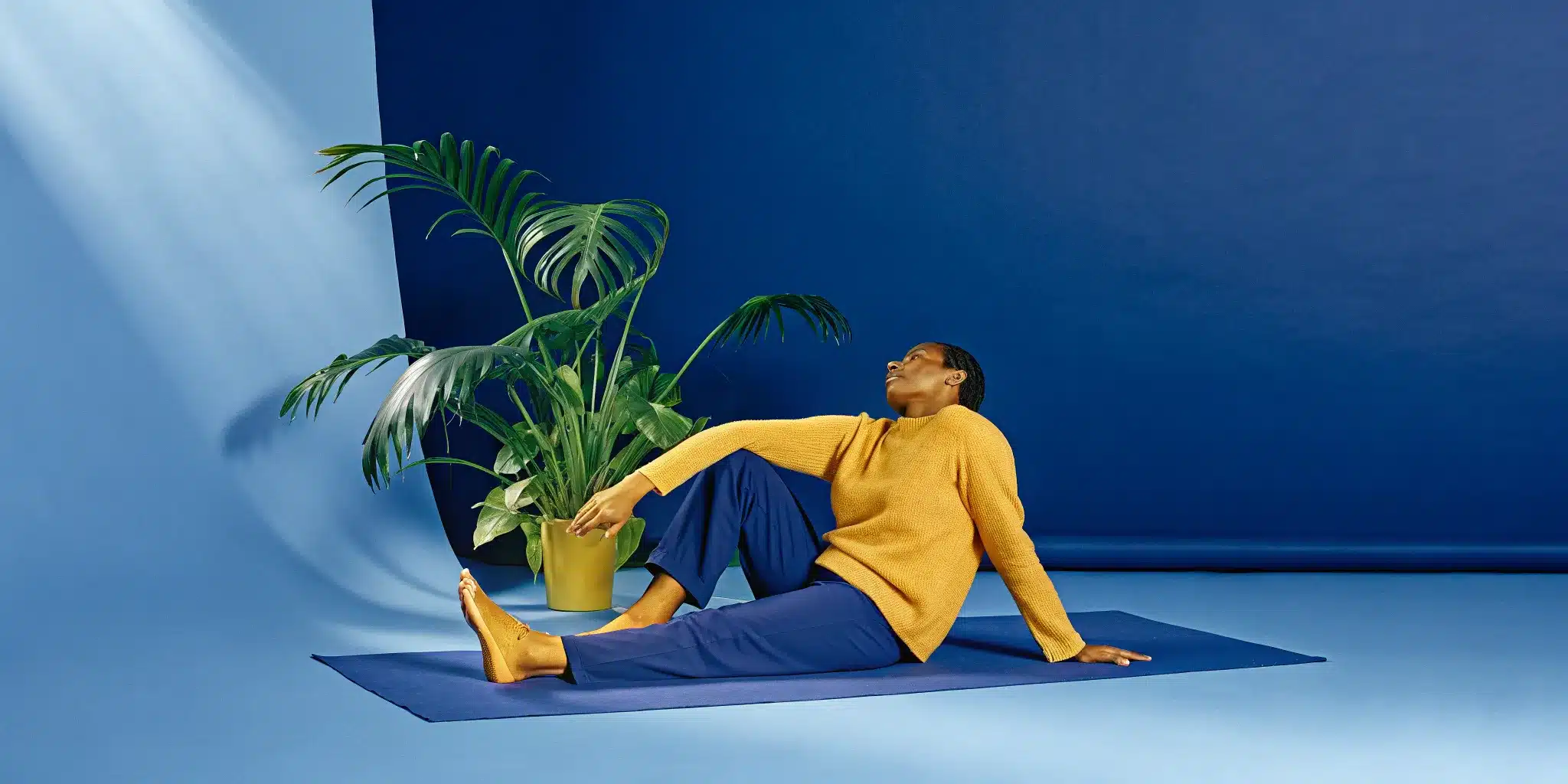
Tight hamstrings are incredibly common and can contribute to issues like lower back pain. To gently lengthen them, start with a seated stretch. Sit on the floor with one leg straight out in front of you. Bend your other leg, placing the sole of that foot against your inner thigh. Hinging from your hips, slowly reach toward the toes of your extended leg, keeping your back as straight as possible.
Another fantastic option is to lie on your back. Loop a towel or strap around the ball of one foot and gently pull the leg toward you, keeping it straight. Your other leg should remain flat on the floor. This supported stretch allows you to control the intensity and relax into the position without straining your back.
Simple Quadriceps Stretches
The large muscles on the front of your thighs, your quadriceps, can get tight from everything from sitting to running. For a classic standing stretch, stand tall and hold onto a wall or chair for balance. Grab the ankle of one foot and gently pull your heel toward your glute. To deepen the stretch, tuck your pelvis slightly forward. You should feel a nice pull along the front of your thigh.
You can also try a kneeling lunge. Get into a lunge position with your back knee resting on the floor (use a cushion if you need to). Keeping your torso upright, gently push your hips forward until you feel a stretch in the front of your back leg’s hip and thigh. Squeezing the glute on that same side will intensify the stretch.
Effective Calf Stretches
Your calf muscles work hard with every step you take, so they deserve some attention. The easiest way to stretch them is by facing a wall. Place your hands on the wall for support and step one foot back, keeping that leg straight and your heel planted firmly on the floor. Lean forward by bending your front knee until you feel the stretch in your back calf. To target a different part of the calf (the soleus muscle), perform the same stretch but with a slight bend in your back knee. This simple adjustment can provide more complete relief for tight calves.
Releasing Your Hip Flexors
If you spend a lot of time sitting, your hip flexors are probably tight. This can pull on your pelvis and contribute to poor posture and an aching lower back. A kneeling stretch is perfect for targeting this area. Kneel on one knee, with your other foot flat on the floor in front of you, creating a 90-degree angle. With your back straight and core engaged, gently press your hips forward. You should feel a stretch at the front of the hip of your kneeling leg. Hold for at least 30 seconds before switching sides. Releasing tight hip flexors can make a huge difference in how your whole lower body feels.
IT Band and Outer Thigh Stretches
The iliotibial (IT) band is a thick band of connective tissue that runs along the outside of your thigh. While the band itself doesn’t stretch much, you can stretch the muscles that connect to it, like your glutes and tensor fasciae latae (TFL). To do this, lie on your side with your legs stacked. Grab your top ankle and pull your heel toward your glute, like a side-lying quad stretch. Then, place your bottom foot on the outside of your top knee and gently pull that knee down toward the floor. You’ll feel a stretch along the outer thigh and hip area.
Dynamic Stretches to Warm Up
Before you settle into any of these static holds, it’s crucial to warm up your muscles. Stretching cold muscles can lead to injury. A proper warm-up routine increases blood flow and prepares your body for movement. Spend five to ten minutes doing some light activity like walking, marching in place, or gentle leg swings. Once your muscles feel warm, you can begin your static stretches. When you hold a stretch, ease into it without bouncing, and hold for about 30 seconds. This gives your muscle time to relax and lengthen safely.
How Often Should You Stretch for the Best Results?
Figuring out how often to stretch can feel like one more thing to add to your to-do list, but consistency is what truly makes a difference in loosening tight muscles and improving your mobility. The goal isn’t to become a contortionist overnight. Instead, it’s about creating a sustainable practice that fits into your life and helps you feel better in your own body. Think of it as a small, daily investment in your long-term well-being.
While the perfect stretching schedule can vary from person to person, some general guidelines can help you get the most out of your efforts. The key is to listen to your body and focus on creating a routine that feels good and that you can stick with. Rather than aiming for long, intense sessions once in a blue moon, focus on integrating shorter, more frequent stretches into your day. This approach helps your muscles stay loose and flexible, preventing that familiar feeling of stiffness from creeping back in.
Aim for a Daily Practice
For the best results, try to make stretching a part of your daily routine. When you stretch every day, even for just 10 to 15 minutes, you consistently work on lengthening and relaxing your muscles. This daily attention is what helps release chronic tightness in your legs. A regular practice helps improve your flexibility and can make everyday movements, from walking to bending over, feel much easier and more fluid. Don’t worry about doing a full-body routine every single day; simply focusing on your tight leg muscles can provide immense relief and set you up for more comfortable movement.
Create a Routine That Sticks
The most effective stretching routine is the one you actually do. Consistency is far more important than intensity, so find a time that works for you and commit to it. Maybe it’s first thing in the morning to ease into your day, a midday break to counteract hours of sitting, or in the evening to unwind before bed. It’s important to stretch your legs to keep them loose and help prevent pain and injuries. By making stretching a non-negotiable part of your schedule, you build a powerful habit that supports your body’s health and helps keep you mobile and pain-free for years to come.
Pair Stretching with Your Current Habits
One of the easiest ways to build a new habit is to attach it to one you already have. This is sometimes called “habit stacking.” For example, you could do a few simple calf and hamstring stretches while your coffee brews in the morning or right after you brush your teeth. If you work out regularly, getting into the habit of stretching afterward is a fantastic way to support muscle recovery. The research backs this up, suggesting you should do these stretches after you exercise. By linking stretching to an established part of your day, it becomes an automatic and effortless practice.
Plan for Proper Recovery
How you stretch is just as important as how often. To give your muscles time to relax and lengthen, hold each stretch for about 30 seconds and remember to breathe deeply. You should feel a gentle pull, never sharp pain. According to stretching guidelines, you can safely do these stretches several times a day if your muscles feel particularly tight. Allowing your body to ease into each position without forcing it is crucial for preventing injury and getting the full benefit of the stretch. This mindful approach ensures your muscles have the time they need to recover and respond.
How to Stretch Safely
Stretching should feel good and bring relief, not cause more pain. To get the most out of your routine and prevent injury, it’s important to approach it with care and awareness. Think of these guidelines as your foundation for a safe and effective practice. When you prioritize safety, you’re not just protecting your muscles from strains and sprains; you’re building a sustainable habit that will help you feel your best for years to come. By moving mindfully and respecting your body’s boundaries, you can create a stretching routine that truly supports your goals of increased mobility and pain-free movement.
Warm Up Before You Start
Jumping straight into deep stretches when your muscles are cold is a recipe for injury. Before you begin, spend five to ten minutes doing some light cardio to get your blood flowing. A brisk walk, marching in place, or some gentle jumping jacks will do the trick. A proper warm-up increases blood flow to your muscles, making them more pliable and ready to stretch. Think of it like trying to stretch a cold rubber band versus a warm one—the warm one is much more flexible. This simple step prepares your body for movement and makes your stretching session much more effective and safe.
Avoid Pushing Past Your Limit
The old saying “no pain, no gain” does not apply to stretching. Your goal is to feel a gentle pull or mild tension in the muscle, not sharp or shooting pain. Forcing a stretch too deeply can cause micro-tears in the muscle fibers, leading to injury and setting you back. Instead, ease into each position slowly and hold the stretch without bouncing. It’s better to start slowly and gradually build up your flexibility over time. Progress is about consistency, not intensity. Respecting your body’s current limits is the smartest way to make long-term gains in your mobility.
Listen to What Your Body Tells You
Your body is constantly sending you signals—it’s your job to listen. During a stretch, pay close attention to the sensations you feel. Mild tension is productive, but sharp, stabbing, or radiating pain is a clear warning sign. If you feel pain, you’ve stretched too far. Immediately back off to a point where you feel a gentle stretch, or stop the movement altogether. Learning to differentiate between discomfort and pain is a key part of a safe practice. When you listen to your body, you build trust and create a more intuitive and effective stretching routine.
Know When to Stop and Get Help
Recognizing your limits is a sign of strength, not weakness. If a stretch causes pain, stop immediately. Pushing through it will only make things worse. If you experience pain that lingers long after your stretching session or if you have a pre-existing condition or injury, it’s wise to seek professional guidance. Working with a physical therapist or a trained stretch practitioner can help you learn how to move safely and effectively for your specific needs. They can help you avoid exercise injuries by ensuring your form is correct and that your routine is tailored to your body.
When to Get Professional Stretching Help
Sometimes, no matter how consistently you stretch at home, you hit a wall. That persistent tightness in your hamstrings or the ache in your lower back just won’t let up. While self-stretching is a fantastic daily habit, there are times when calling in a professional can make all the difference. If your progress has stalled or you’re dealing with chronic discomfort, working with a trained specialist can help you get to the root of the issue and find lasting relief. It’s not about replacing your routine, but enhancing it with expert guidance.
The Benefits of Assisted Stretching
Assisted stretching is exactly what it sounds like: a trained practitioner manually stretches your body, helping you move through a range of motion you likely couldn’t achieve on your own. This method allows for a deeper, more targeted stretch that can release tension in specific muscle groups. The practitioner can isolate muscles and work on problem areas with precision, helping to improve your overall flexibility and posture. Because the sessions are completely customized to your body’s needs, you get a safe and effective stretch that reduces the risk of injury and can significantly improve your mobility. Many people find it’s the key to finally overcoming long-term stiffness and pain.
Signs It’s Time for an Expert
How do you know when it’s time to book a session? Listen to your body. If you’re dealing with persistent tightness or pain that doesn’t improve with your regular routine, it’s a clear sign you could use some help. Another indicator is hitting a flexibility plateau—you’ve been stretching for weeks, but you just aren’t seeing any more progress. Assisted stretching is also incredibly valuable if you’re active in sports or preparing for an athletic event, as it helps optimize muscle function. Essentially, if you feel stuck or your discomfort is affecting your daily life, it’s time to seek professional help.
What to Expect at Your Session
Walking into your first assisted stretching session can feel a little mysterious, but it’s a straightforward and relaxing experience. Your practitioner will start by talking with you about your goals, pain points, and lifestyle. From there, they will guide you through a series of gentle stretches on a comfortable table. Your only job is to relax and breathe. You’ll feel a deep stretch, but it should never be painful. Communication is key, so be sure to speak up if you feel any discomfort. Most people walk out of their first session feeling lighter, more mobile, and incredibly relaxed. It’s a great way to learn more about your body and what it needs to feel its best.
Related Articles
- 10 Essential Stretches for Tight Leg Muscles – STRETCHMED
- How to Loosen Tight Muscles in Legs: A Simple Guide – STRETCHMED
- 7 Ways to Relieve Stiffness in Thighs and Legs – STRETCHMED
Frequently Asked Questions
How long should I hold a stretch to actually see a benefit? For most static stretches, aiming for about 30 seconds is the sweet spot. This gives your muscle fibers and nervous system enough time to receive the signal to relax and lengthen. Instead of watching the clock, focus on taking a few deep, slow breaths. You’ll often find that you can ease a little deeper into the stretch on an exhale as your body naturally releases tension.
My lower back always hurts. Could my tight legs really be the cause? It’s incredibly common for lower back pain to be connected to tight leg muscles. When your hamstrings and hip flexors are tense from sitting or overuse, they pull on your pelvis. This constant tug can tilt your pelvis out of its natural alignment, which in turn puts a lot of strain on the muscles and structures in your lower back. Releasing that tension in your legs can often provide significant relief for your back.
I stretch my hamstrings, but they never seem to get looser. What am I doing wrong? This is a frustratingly common problem, and it’s likely not that you’re doing something wrong. Often, chronically tight hamstrings are a symptom of your daily habits, like sitting for long periods, which keeps them in a shortened state. You might also need to ensure you’re properly warmed up before stretching or try different types of stretches. Sometimes, the issue is more complex, and an expert can help identify the root cause and provide a more targeted approach to finally get them to release.
Is it possible to stretch too much? Yes, you can definitely overdo it. Stretching should create a feeling of gentle tension, not sharp pain. Pushing your body too far or too aggressively can lead to muscle strains or even joint instability. The goal is to build a consistent, gentle practice. Listening to your body is the most important rule—if something hurts, back off immediately. Quality and consistency will always be more effective than forcing intense sessions.
What’s the real difference between stretching on my own and getting professional assisted stretching? Stretching on your own is fantastic for daily maintenance and general flexibility. The main difference with professional assisted stretching is the level of precision and depth you can achieve. A trained practitioner can isolate specific muscles in a way that’s nearly impossible to do by yourself. They guide your body into a safe, effective stretch that allows you to completely relax, helping to release deep-seated tension and improve your range of motion more efficiently.