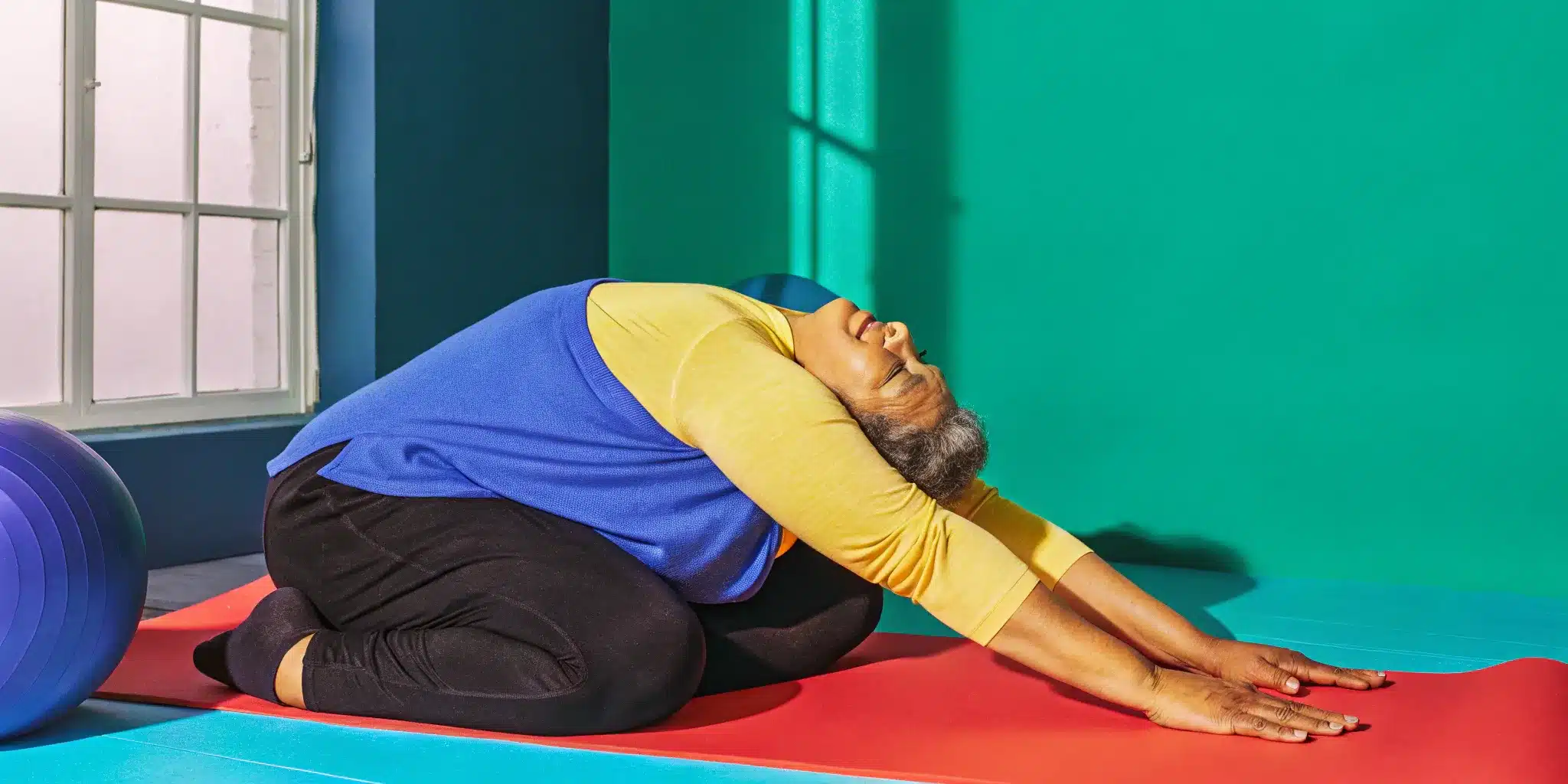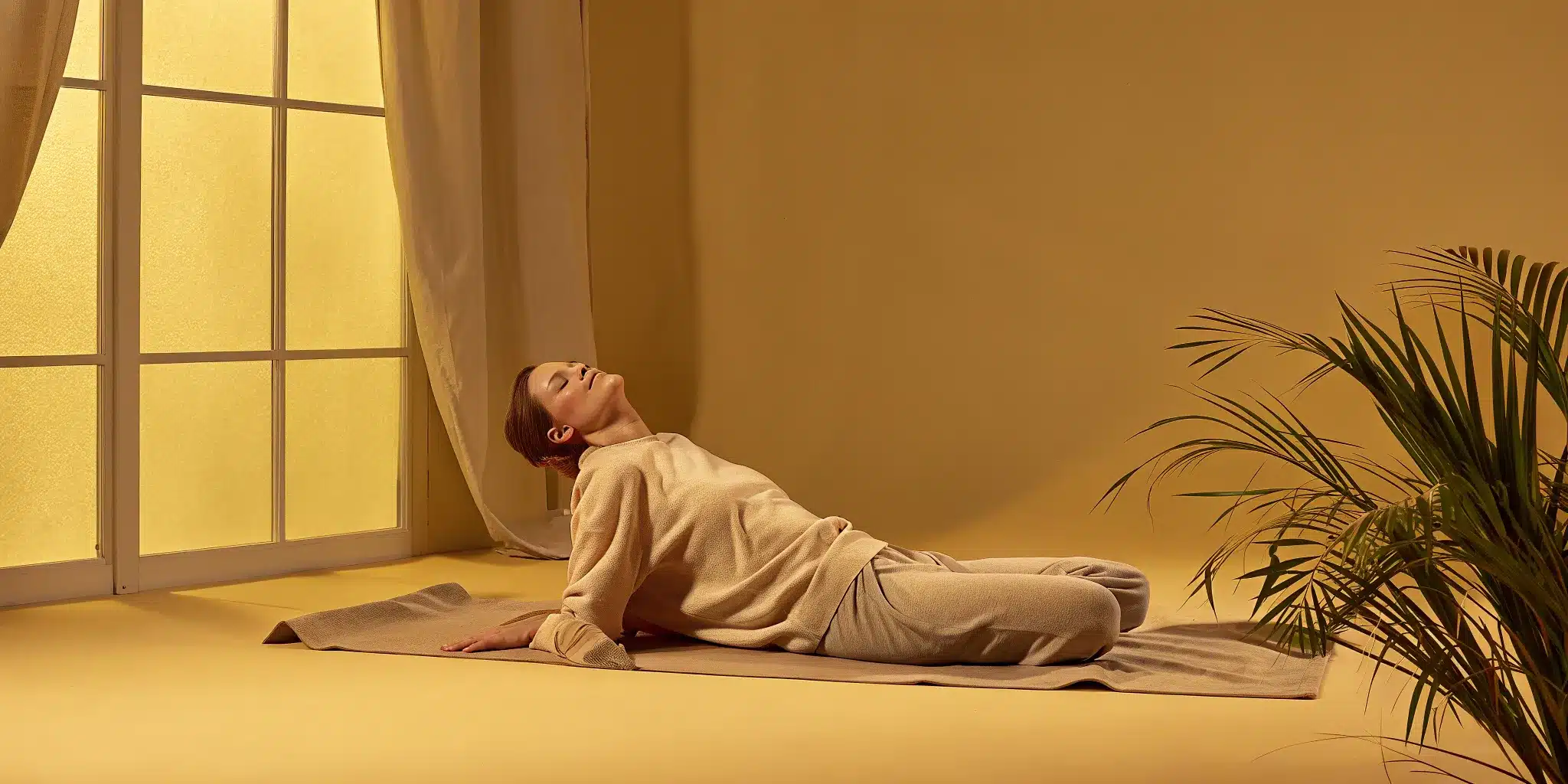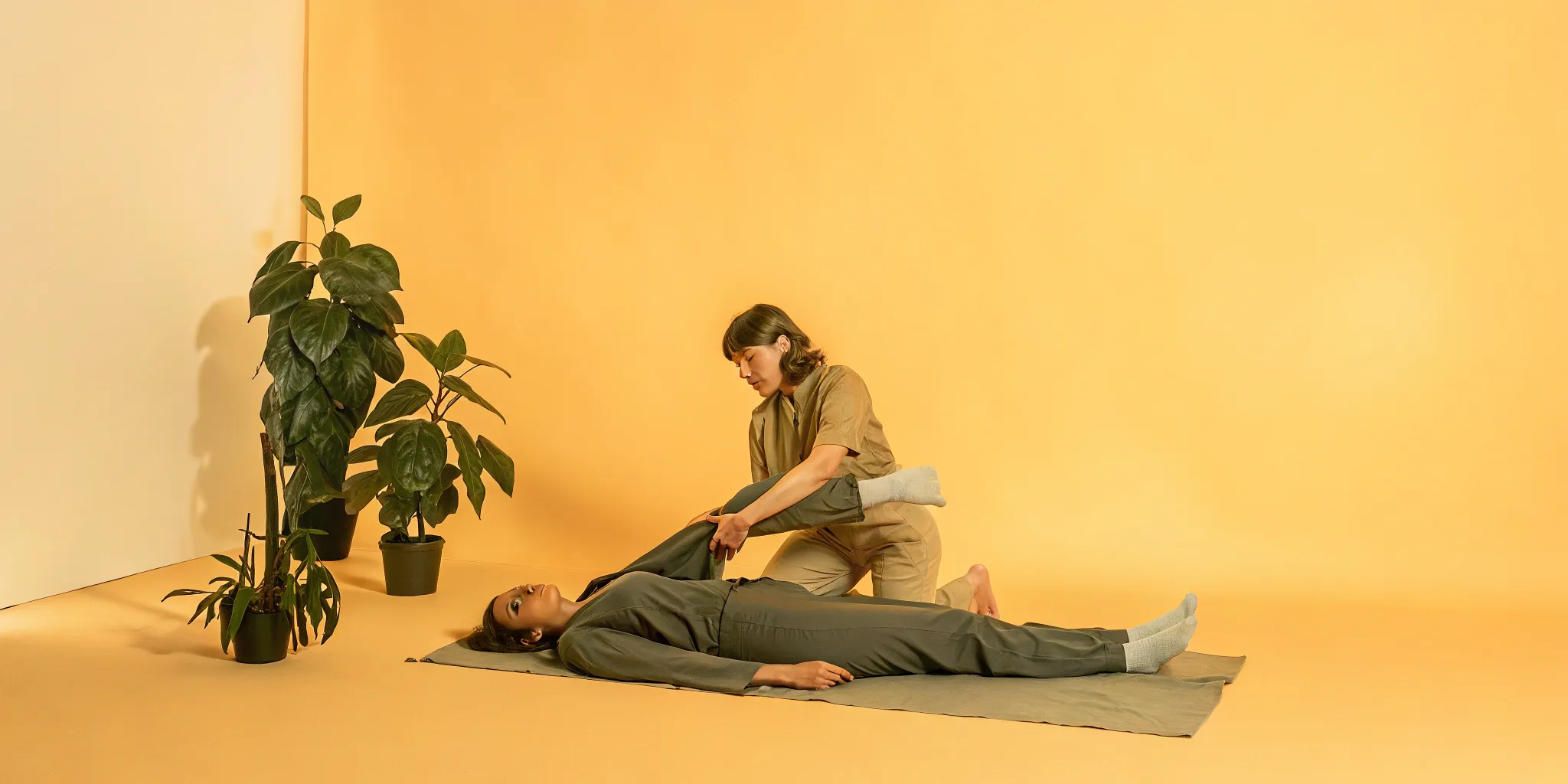
You already know you should stretch more, but what if the way you’re doing it is only scratching the surface? Assisted stretching takes this fundamental practice to a whole new level. Instead of you doing all the work, a certified professional guides your body through a series of targeted movements. They understand how to isolate specific muscles and use proven techniques to help them relax and lengthen safely. At an assisted stretching studio, the entire session is tailored to your body’s unique needs and limitations. This article will explain how this personalized approach works, what to expect, and why it’s so effective.
Key Takeaways
- Work with a Pro for Deeper Results: A certified therapist can guide your body into safer, more effective stretches than you can achieve alone, targeting the root cause of tightness to relieve pain and improve how you move.
- Address the Pains of Modern Life: Assisted stretching is a powerful solution for common issues like chronic back pain, poor posture from desk work, and the general stiffness that comes with age, making it beneficial for almost everyone.
- Choose Your Studio Wisely: Look for a studio with certified practitioners, a clean and professional environment, and flexible membership options. A trial session is a great way to ensure it’s the right fit for your goals and comfort level.
What Is an Assisted Stretching Studio?
Think of an assisted stretching studio as a dedicated space for your body’s mobility and relief. Here, you work one-on-one with a trained professional who guides your body through a series of stretches. Unlike a group class or stretching on your own, these sessions are completely personalized to your body’s needs and limitations. The goal is to help you move more freely, reduce muscle tension, and find lasting relief from aches and pains. It’s a proactive way to care for your body, whether you’re dealing with chronic tightness or just want to improve your overall wellness.
How Is It Different From Stretching on Your Own?
Stretching at home is a great habit, but it’s easy to hit a plateau. With assisted stretching, a trained therapist helps you move beyond your usual limits safely. They can isolate specific muscles for a deeper, more effective stretch than you could manage alone. This isn’t just for athletes; it’s incredibly beneficial if you spend a lot of time sitting at a desk. Most importantly, it’s a partnership. Your therapist listens to your feedback to ensure you only feel a gentle pull, never pain. This communication is key to making real progress without risking injury.
What Does a Certified Stretch Therapist Do?
A Certified Stretch Therapist is more than just someone who stretches you—they are a highly trained professional dedicated to understanding your body. At StretchMed, our therapists have a background in exercise science and complete a rigorous 100-hour certification program. During your one-on-one assisted stretching session, your therapist acts as your personal guide. They assess your mobility, listen to your goals, and create a routine just for you. They know exactly how to position your body and apply pressure to get the best results, ensuring every movement is both safe and effective.
A Look at Common Stretching Techniques
Your therapist will use several proven methods to help your muscles relax and lengthen. One of the most effective is Proprioceptive Neuromuscular Facilitation (PNF). It’s a simple technique where you’ll gently contract a muscle against resistance before relaxing into a deeper stretch, which helps the muscle release. We also use classic static stretching—holding a stretch for a set period to gently lengthen muscle fibers. By combining these techniques, we can effectively increase your range of motion, ease tightness, and help reduce your risk of pain with everyday movements.
What Are the Benefits of Assisted Stretching?
Think of assisted stretching as more than just a feel-good session. It’s a targeted approach to wellness that can have a profound impact on how you move and feel every single day. When you work one-on-one with a certified practitioner, you’re able to safely achieve a deeper, more effective stretch than you ever could on your own. This isn’t about forcing your body into uncomfortable positions; it’s about gently guiding your muscles to release long-held tension. A trained professional understands anatomy and can use specific techniques to help your muscles relax more fully than they would with static stretching. This personalized attention ensures you’re stretching correctly and effectively, minimizing the risk of injury while maximizing the benefits.
The results go far beyond simply touching your toes. People who make assisted stretching a regular part of their routine often report significant relief from nagging aches, a noticeable improvement in their ability to move freely, and even better athletic performance. It’s a powerful tool for anyone looking to address chronic pain, recover from workouts more efficiently, or simply counteract the effects of sitting at a desk all day. Let’s look at some of the specific ways it can help.
Find Relief From Chronic Pain
Living with chronic pain can feel incredibly limiting, keeping you from the activities you love. Assisted stretching offers a gentle yet powerful way to find relief. By working with a trained professional, you can target the deep, tight muscles that contribute to persistent discomfort in areas like your lower back, neck, and hips. A practitioner can isolate specific muscle groups and use specialized techniques to help them relax and lengthen in ways that are difficult to achieve alone. Many people find that this targeted approach can significantly alleviate chronic pain, reduce overall tightness, and restore a sense of ease to their bodies, allowing them to move with more confidence and less pain.
Improve Your Flexibility and Mobility
One of the most immediate and noticeable benefits of assisted stretching is a major improvement in both flexibility and mobility. While flexibility refers to your muscles’ ability to lengthen, mobility is about the range of motion in your joints. Assisted stretching addresses both. A practitioner guides your body through safe and effective movements that lengthen tight muscle tissue, which in turn increases your range of motion. This makes everyday activities—like reaching for something on a high shelf or bending down to tie your shoes—feel easier and more fluid. It also plays a key role in injury prevention by ensuring your joints can move freely without undue strain.
Help Your Body Perform and Recover
For athletes and active individuals, assisted stretching is a game-changer for both performance and recovery. When your muscles are flexible and your joints are mobile, your body can move more efficiently, which can directly improve athletic performance. You’ll find you can access more power and agility when your body isn’t fighting against its own tightness. After a tough workout, assisted stretching helps reduce muscle soreness by increasing blood flow and flushing out metabolic waste. This can shorten your recovery time, helping you get back to your training sooner and with less stiffness. It’s a proactive way to keep your body in peak condition.
Support Better Posture and Circulation
If you spend a lot of time sitting at a desk or looking down at a phone, you’re likely familiar with the rounded shoulders and forward head posture that can result. Assisted stretching is fantastic for counteracting these effects. By releasing tension in the chest, shoulders, and hips, it helps your body return to a more natural and upright alignment. Better posture not only looks more confident but also reduces strain on your spine. Furthermore, the act of stretching encourages better blood flow throughout the body. This improved circulation delivers vital oxygen and nutrients to your muscles, which can enhance your overall health and leave you feeling more energized.
What to Expect at Your First Session
Walking into a new studio for the first time can feel a little uncertain, but your first assisted stretching session is designed to be comfortable, informative, and all about you. The main goal is for your therapist to understand your body, your pain points, and what you hope to achieve. Think of it less like a workout and more like a guided tour of your own mobility. From the moment you walk in, the focus is on creating a personalized plan that helps you move and feel better. Let’s walk through what a typical first appointment looks like, step by step.
Your Personalized Consultation
Your session begins with a one-on-one consultation. This is where you’ll chat with your certified stretch therapist about your history, any chronic pain or stiffness you experience, and your personal wellness goals. Are you training for a 5k? Do you want to be able to play with your grandkids without your back aching? This conversation is crucial because it allows the therapist to create a stretching routine tailored specifically to your body and your needs. Getting started is as simple as booking an introductory session to get your personalized plan.
How Your Session Is Structured
Once you have a plan, you’ll move to the stretching table. Most studios offer sessions of different lengths, typically 25 or 50 minutes, so you can choose what fits your schedule and needs. Your therapist will guide you through a series of gentle stretches, communicating with you the entire time to ensure you’re comfortable. Many studios, including StretchMed, offer a complimentary first stretch so you can experience the benefits firsthand without any commitment. It’s a great way to see how assisted stretching feels and meet the team.
The Techniques and Equipment We Use
Assisted stretching isn’t just about having someone help you touch your toes. Studios use specific techniques and equipment to ensure a safe and effective stretch. You’ll lie on a comfortable, specially designed table, and your therapist may use a patented strapping system to help stabilize parts of your body. This allows them to isolate specific muscles for a deeper stretch than you could achieve on your own. The people guiding you are highly trained professionals; for example, StretchMed therapists often have degrees in exercise science and must complete a rigorous 100-hour training program to become certified.
Finishing With Percussion Therapy
Just when you think it can’t get any better, most stretch sessions conclude with a few minutes of percussion therapy. Your therapist will use a handheld device that delivers rapid, targeted pulses to your muscles. This technique helps to relax tight spots, reduce soreness, and increase blood flow to the area, which can speed up recovery. It’s a relaxing and effective way to finish your session, leaving your muscles feeling loose and rejuvenated. Many people find it’s one of the best parts of the experience.
Understanding Pricing and Services
Investing in your well-being is one of the best decisions you can make, and it’s important to know exactly what that looks like. When you’re ready to commit to feeling and moving better, you’ll find that professional stretching studios offer a variety of options designed to fit your lifestyle and goals. The focus is on creating a sustainable routine that works for you.
Let’s break down the typical pricing structures and services you’ll encounter. From flexible monthly memberships to session packages, the aim is to provide a clear and simple path toward achieving your mobility goals. We’ll also touch on specialized programs and the current landscape of insurance coverage for these types of wellness services, so you can feel fully prepared to get started.
Memberships and Credit Systems
Most studios, including StretchMed, operate on a membership model that uses credits. Think of it like a pass for your well-being. You purchase a set number of credits each month, and each credit equals one stretch session. This system is designed for flexibility. For example, you might find a plan with four credits for around $76 or an eight-credit plan for about $144. The more credits you buy, the lower the price per session becomes, rewarding you for your consistency. This approach allows you to choose a plan that matches how often you want to come in, making it easier to build assisted stretching into your regular routine without breaking the bank.
Session Packages and Pricing
One of the best parts about modern wellness studios is the move away from rigid, long-term contracts. You should look for a studio that offers monthly memberships you can cancel with reasonable notice, like 30 days. This puts you in control of your commitment. Another fantastic feature to look for is the ability to share your membership with a family member or friend. If you know you won’t be able to use all your credits one month, someone you care about can benefit from them. This flexibility makes it easier to stay committed to your wellness journey, knowing you have options that adapt to your life.
Specialized Programs and Other Services
The core of any assisted stretching studio is its one-on-one service. The pricing reflects the personalized attention you receive from a certified professional who is dedicated to helping you meet your specific goals. Whether you’re dealing with chronic back pain, recovering from an injury, or looking to improve your athletic performance, your sessions are tailored to you. This isn’t a generic, one-size-fits-all class. It’s a focused, therapeutic experience designed to help you move better, reduce pain, and improve your overall quality of life. The investment covers the expertise, the personalized plan, and the dedicated time to help your body heal and strengthen.
A Note on Insurance Coverage
While the wellness world is making huge strides, direct insurance billing for assisted stretching is still evolving. Some studios may have partnerships with specific insurance providers, but it’s not yet standard across the industry. However, don’t let that discourage you. Many clients are able to use their Health Savings Account (HSA) or Flexible Spending Account (FSA) to pay for their sessions, as assisted stretching can be considered a valid therapeutic expense. It’s always a good idea to check with your plan administrator to confirm what your HSA or FSA covers and what documentation you might need.
Is Assisted Stretching Right for You?
One of the most common questions we hear is, “Who is assisted stretching really for?” The answer is simple: it’s for just about everyone. You don’t have to be a professional athlete or be in constant pain to experience the incredible benefits of a personalized stretching routine. Whether you spend your days behind a desk, on the golf course, chasing after your kids, or simply want to feel more comfortable in your own body, assisted stretching can help you move and feel better.
Think of it as a tune-up for your body. Over time, daily habits, repetitive movements, and even stress can cause our muscles to become tight and imbalanced. This can lead to stiffness, poor posture, aches, and a limited range of motion that you might not even notice until it starts impacting your life. Assisted stretching is designed to address these specific issues head-on. A trained practitioner can guide your body into stretches that are deeper and more effective than what you can achieve on your own, targeting the root cause of your discomfort. It’s a proactive way to care for your body, prevent future injuries, and improve your overall quality of life.
If You Have Chronic Pain or Mobility Issues
Living with chronic pain in your back, neck, or hips can be exhausting, making even simple daily movements feel like a chore. If you’re struggling with persistent aches and stiffness, assisted stretching can be a powerful tool for relief. It works by gently releasing tension in your muscles and improving the function of your joints, allowing them to move through their full range of motion as they should. Many people find that consistent, targeted stretching helps reduce their reliance on pain medication and allows them to get back to the activities they love. It’s a gentle yet effective way to help your body heal and restore its natural mobility.
If You’re an Athlete Looking to Improve Performance
For athletes, flexibility and mobility are the foundation of peak performance. Whether you’re a dancer, a golfer, a tennis player, or a CrossFit enthusiast, assisted stretching can give you a competitive edge. By working with a practitioner, you can improve your overall range of motion, which translates to more powerful movements, faster reaction times, and greater agility. It also plays a crucial role in post-workout recovery, helping to reduce muscle soreness and prevent the kinds of injuries that can sideline you for weeks. Think of it as an essential part of your training regimen that keeps your body fine-tuned and ready for action.
If You Work at a Desk and Struggle With Posture
If your workday involves long hours sitting in front of a computer, you’re probably familiar with the neck, shoulder, and back tension that comes with it. A sedentary lifestyle often leads to significant muscle imbalances—some muscles become tight and short while others become weak and overstretched. This is a primary cause of poor posture and chronic discomfort. Assisted stretching is particularly beneficial for desk workers because it directly counteracts the negative effects of prolonged sitting. By releasing tightness in your hips, shoulders, and back, it helps realign your body, improve your posture, and relieve the strain that builds up throughout the day.
If You Want to Maintain Mobility as You Age
As we get older, maintaining mobility and independence becomes a top priority. Assisted stretching is a fantastic way to invest in your long-term health and well-being. Regular sessions can improve your daily comfort, reduce aches and pains, and help you move with more ease and confidence. It’s also a key strategy for preventing injuries, as flexible muscles and joints are less susceptible to strains and falls. You don’t have to wait until you’re feeling stiff to start. Even if you’re young and active, incorporating assisted stretching into your routine now can help you build a resilient body that will support you for years to come.
How to Choose the Right Assisted Stretching Studio
Finding the right assisted stretching studio is a personal decision, but it doesn’t have to be a complicated one. When you’re investing in your body and well-being, you want to feel confident you’re in the right hands. The best studio for you will not only have skilled therapists but also an environment where you feel comfortable and supported. Think about what matters most for your routine—is it the expertise of the staff, the location, or the flexibility of the membership? Considering a few key factors will help you find a place that fits seamlessly into your life and helps you achieve your wellness goals.
Check for Certified and Trained Practitioners
The person guiding your stretch has a direct impact on your results and safety. Before you book a session, take some time to learn about the studio’s team. Look for practitioners with certifications and a strong educational background in fields like kinesiology, physical therapy, or exercise science. This expertise ensures they understand body mechanics and can tailor a session to your specific needs, whether you’re dealing with chronic pain or training for a marathon. Don’t hesitate to read reviews and testimonials from other clients. A studio that proudly showcases its team’s qualifications is a great sign that you’ll be in capable hands.
Look for a Clean and Safe Environment
Your stretching session should be a relaxing experience, and the environment plays a huge role in that. When you visit a studio, notice the atmosphere. Is it clean, organized, and welcoming? The quality of the space often reflects the quality of the service. You want a studio that feels professional and puts you at ease from the moment you walk in. A calm, private, and well-maintained treatment area allows you to fully focus on your body and get the most out of every stretch. This is your time to rejuvenate, and the right setting makes all the difference.
Consider Location and Scheduling Options
Let’s be practical: the best wellness routine is one you can stick with. A conveniently located studio makes it much easier to build consistency. Before committing, consider the studio’s accessibility. Is it close to your home or work? Is there ample parking or easy access to public transport? You should also look at their hours and scheduling process. A studio with a user-friendly online booking system and a wide range of appointment times can help you fit sessions into your busy life, rather than having to rearrange your entire schedule just to get a stretch in.
Ask About Trial Sessions and Flexible Memberships
Committing to a new wellness practice can feel like a big step, so it’s great when a studio lets you try it out first. Ask if they offer an introductory session or a special for new clients. This gives you a chance to experience their approach, meet a therapist, and see if it’s a good fit without a long-term commitment. It’s also wise to look into their membership options. Studios that offer flexible plans, like monthly credits or session packs, allow you to choose a plan that aligns with your budget and how often you plan to go.
Related Articles
- A Complete Guide to Assisted Stretching Benefits – STRETCHMED
- Benefits of a 1-on-1 Stretch Therapist: Improve Flexibility & Reduce Pain – STRETCHMED
- One on One Assisted Stretching: A Complete Guide – STRETCHMED
Frequently Asked Questions
Will assisted stretching hurt, especially if I’m already in pain? This is a completely valid concern, and the short answer is no, it should not hurt. The entire session is built around communication between you and your therapist. Their goal is to guide you to a point of gentle tension, never pain. You are always in control and encouraged to give feedback throughout the session. This approach ensures that we are working with your body to release tightness, not forcing it into uncomfortable positions, which is especially important when you’re dealing with chronic discomfort.
How often do I need to come in to feel a difference? While many people feel an immediate sense of relief and improved movement after their very first session, lasting change comes from consistency. For most people starting out, once a week is a great rhythm to build momentum and address long-held patterns of tightness. Your therapist will talk with you during your initial consultation to recommend a schedule that makes sense for your specific goals and your body’s needs.
What should I wear to my appointment? You should wear comfortable clothing that you can move in easily. Think of what you might wear for a yoga class or a day of running errands. Athletic pants, leggings, joggers, or comfortable shorts and a t-shirt are all great options. The key is to wear something that won’t restrict your movement as your therapist guides you through different stretches.
I’m not flexible at all. Is this still for me? Absolutely. In fact, you might be the perfect person for it. Assisted stretching isn’t about trying to force your body into pretzel-like shapes; it’s about improving your personal range of motion from wherever you are right now. Our therapists work with people at every level of flexibility. The goal is to help your body move more freely and comfortably, not to meet some external standard of what “flexible” looks like.
How is this different from physical therapy or a massage? Think of it as a different tool for a different job. Physical therapy is typically a clinical treatment prescribed by a doctor to rehabilitate a specific, diagnosed injury. While massage focuses on manipulating soft tissue to release muscle knots, assisted stretching focuses on lengthening the muscles and improving joint mobility. Assisted stretching is a proactive wellness practice designed to improve your overall movement, prevent injury, and relieve general stiffness.