When your lower back flares up, your first instinct might be to lie perfectly still and wait for the pain to pass. But what if the best thing you could do is move? It sounds counterintuitive, but gentle, intentional movement is often the fastest path to relief. When you stop moving, your muscles can tighten even more, creating a cycle of stiffness and pain. Stretching breaks that cycle by lengthening tight muscles and improving blood flow. This guide is designed to show you how to move safely and effectively. We’ll provide clear, easy-to-follow stretching exercises for low back pain with pictures to help you feel better now and prevent future flare-ups.
Key Takeaways
- Stretch Beyond Your Back: The real source of lower back pain often comes from tightness in your hips, glutes, and hamstrings. A consistent routine that targets these supporting muscles is key to relieving the strain on your spine.
- Prioritize Safe Movement: How you stretch is more important than how far you can go. Focus on slow, controlled movements and deep breathing, aiming for a gentle release rather than sharp pain to ensure you’re helping, not harming, your back.
- Combine Stretching with Strength: For lasting relief, pair your daily stretches with simple core exercises to build a stronger support system for your spine. If pain persists, professional 1-on-1 stretching provides expert guidance for a safer, more effective recovery.
Why Your Lower Back Hurts (And How Stretching Can Help)
If your lower back is aching, you’re in very good company. It’s one of the most common physical complaints out there, and it can disrupt everything from your workday to your weekend plans. The good news is that you don’t have to just live with it. Gentle, targeted movement is one of the most effective ways to find relief and build a stronger, more resilient back for the long haul.
So, what’s really going on back there? Often, the pain is a signal that your muscles are overworked, tight, or out of balance. Daily habits, like sitting at a desk or lifting something awkwardly, can create tension that your lower back ends up paying for. Stretching helps by releasing that tension, improving blood flow to the area, and increasing your flexibility. Think of it as hitting the reset button for your muscles. It’s not just about feeling better in the moment; it’s about creating a foundation for a healthier, pain-free spine.
Common Culprits of Lower Back Pain
Lower back pain can feel complex, but its causes are often straightforward. For many of us, it comes down to simple muscle or tendon strains from everyday activities. Maybe you twisted the wrong way while grabbing groceries, overdid it in the garden, or tried to lift something too heavy. Even sitting for long periods can be a major factor, causing the muscles that support your spine to become tight and weak. In fact, it’s so common that about eight out of 10 Americans will have back pain at some point in their lives. Understanding these triggers is the first step toward finding a solution that works for you.
The Science of Stretching for Relief
When you’re in pain, your first instinct might be to stay perfectly still. But when it comes to back pain, gentle movement is usually the best medicine. When you stop moving, your muscles can tighten up even more, creating a cycle of stiffness and pain. Stretching breaks that cycle by lengthening tight muscles and improving your range of motion. Stretching surrounding muscles like your hamstrings (the back of your thighs) and glutes (your butt muscles) is especially important. When these muscles are tight, they pull on your pelvis and put extra strain on your lower back. By loosening them up, you take that pressure off your spine.
Long-Term Benefits for a Healthier Spine
While stretching offers immediate relief, its real power lies in the long-term benefits. A consistent stretching routine does more than just soothe sore muscles; it helps build a healthier spine that’s less prone to injury in the future. Regular movement can make your back pain better and even prevent it from coming back. By improving your flexibility and strengthening your core, you create better support for your entire back. This proactive approach helps you maintain good posture and move with more confidence. Over time, you’re not just managing pain—you’re building a stronger foundation for a more active, comfortable life.
Before You Stretch: A Quick Safety Check
Before you dive onto the floor and start stretching, let’s talk about safety. While these stretches are fantastic for many people, your body is unique. Taking a moment to check in with yourself and understand the ground rules can make all the difference between finding relief and accidentally making things worse. Think of this as your pre-stretch checklist to ensure you get the most out of every movement, safely and effectively. A little preparation goes a long way in protecting your back and helping you feel your best.
When to Talk to Your Doctor
If you’re dealing with persistent back pain or you’ve recently had an injury, it’s always a good idea to chat with a professional first. A doctor or physical therapist can give you a proper diagnosis and confirm which movements are safe for your specific situation. They can help you understand the root cause of your pain, which is a huge step toward finding lasting relief. Getting a green light from a pro gives you the confidence to stretch without worrying if you’re doing more harm than good.
Listen to Your Body: Red Flags to Notice
Your body is incredibly smart and sends you signals—you just have to learn to listen. When you’re stretching, you should feel a gentle pull or mild discomfort, not sharp, shooting, or sudden pain. If a stretch makes your existing pain worse, or if you feel any new symptoms like numbness or tingling in your legs, that’s your body’s way of saying “stop.” Pushing through true pain is counterproductive. The goal is to ease tension, not create it, so always respect the messages your body sends you.
Your Guide to Safe Stretching
One of the most important things you can do for a sore back is to keep moving gently. When we stop moving altogether, our muscles can tighten up, which often makes the pain worse. As you ease into these stretches, focus on slow, controlled movements—no bouncing. If a stretch feels particularly good and brings relief, make a note of it. Consistency is key, and incorporating these feel-good movements into your daily routine can help maintain your back’s health over the long term. Think of it as a small, daily act of kindness for your spine.
Master the Moves: How to Stretch Correctly
Before we get into the specific stretches, let’s talk about technique. How you stretch is just as important as which stretches you do. Proper form not only helps you get the most relief but also keeps you safe from injury. Think of it as building a strong foundation for your back-care routine. When you move with intention and listen to your body, you’re setting yourself up for success. The goal isn’t to become a human pretzel overnight; it’s to create gentle, consistent habits that soothe your muscles and support your spine over time. By focusing on a few key principles—proper form, mindful breathing, and clear visuals—you can turn a simple stretching session into a powerful tool for managing lower back pain.
Getting Your Form Right
When it comes to stretching, slow and steady wins the race. Your goal is to feel a gentle pull, not sharp pain. A great rule of thumb is to stretch to the point of mild tension or discomfort, but never pain. If you feel any pinching or stabbing sensations, ease up immediately. When you’re just starting out, Mayo Clinic experts recommend doing each exercise just a few times. As your body adapts and gets stronger, you can gradually increase the number of repetitions. This approach allows your muscles to adjust safely, preventing strain and helping you build a sustainable practice that feels good.
The Role of Your Breath
Your breath is one of the most powerful tools you have for releasing tension. Holding your breath can cause your muscles to tense up, which is the opposite of what you want. Instead, focus on taking long, deep breaths as you move into each stretch. Try to inhale as you prepare and exhale as you deepen the stretch. This simple act sends a signal to your nervous system to relax, allowing your muscles to lengthen more effectively. For each position, try holding the stretch for at least three deep breaths or about 15 to 30 seconds. This gives your muscle fibers time to release and find a new level of flexibility.
Follow Along with Visuals
Sometimes, reading a description of a stretch isn’t enough to get the form just right. That’s where pictures and videos come in. Visual guides help ensure you’re positioning your body correctly and targeting the right muscles. Seeing a stretch in action can make all the difference, especially for movements that are new to you. Many of the best exercises for lower back pain focus on key areas like the hamstrings, glutes, and hip flexors, which can be tricky to isolate without a visual cue. In the next section, we’ll walk you through seven essential stretches with pictures to guide you every step of the way.
7 Essential Stretches to Soothe Your Lower Back
Ready to give your back the gentle movement it’s craving? These seven stretches are fantastic for releasing tension, improving flexibility, and easing that nagging ache. Think of them as your personal toolkit for lower back relief. We’ll walk through each one step-by-step, so you can feel confident and safe as you move. Remember to breathe deeply and never push into sharp pain. The goal here is a gentle, soothing release, not a strenuous workout. Let’s get started.
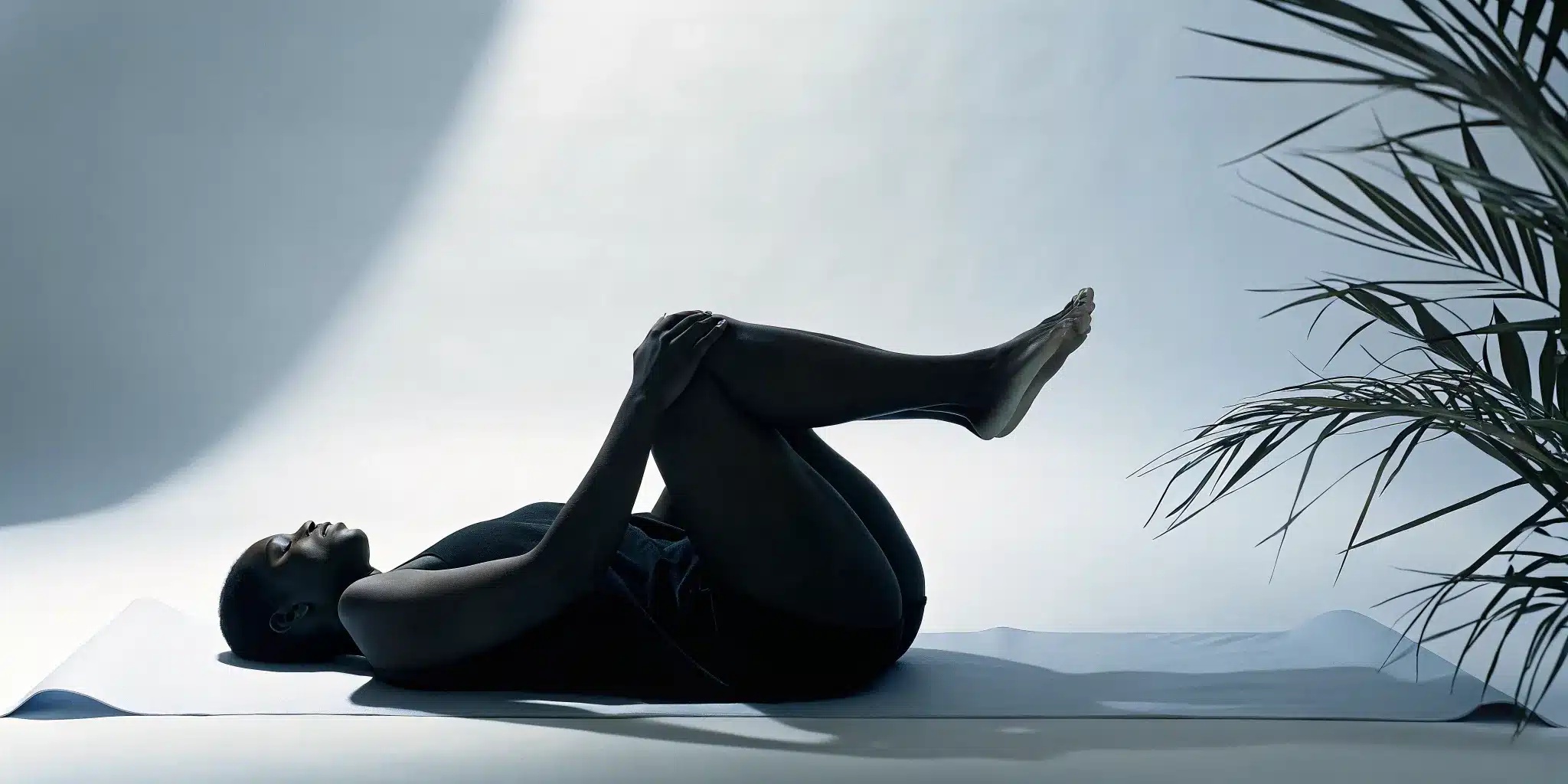
Knee-to-Chest Stretch
This is a wonderfully simple stretch that directly targets the lower back and glutes, helping to release tension built up from sitting or standing all day. It’s a go-to move in many foundational back care routines for a reason.
Start by lying comfortably on your back with your knees bent and feet flat on the floor. Gently bring one knee toward your chest, using your hands to pull it in closer. You can hold onto your shin or, if that’s too much pressure on your knee, clasp your hands behind your thigh. Hold this position for about 30 seconds, breathing deeply into the stretch. Release and repeat with the other leg. For a deeper release, you can bring both knees to your chest at the same time.
Lower Back Rotational Stretch
A tight lower back often needs a gentle twist to feel better. This rotational stretch helps improve mobility in your spine and can relieve stiffness. It’s a great way to gently massage the muscles surrounding your lower back.
Lie on your back with your knees bent and feet flat on the floor, just like in the previous stretch. Keep your arms out to your sides in a “T” shape, with your shoulders firmly on the floor. Slowly let both knees fall to one side, going only as far as is comfortable. You should feel a nice, gentle stretch through your lower back and hip. Hold for 5 to 10 seconds, then engage your core to bring your knees back to the center. Repeat on the other side.
Cat-Cow Stretch
If you’ve ever done a yoga class, you’ll recognize this classic move. Cat-Cow is amazing for waking up the spine and improving flexibility. It encourages gentle movement through your entire back, from your tailbone to your neck, which can be incredibly relieving for lower back pain.
Start on your hands and knees in a tabletop position, with your wrists under your shoulders and your knees under your hips. On an inhale, drop your belly toward the floor and look up, arching your back (this is Cow pose). On an exhale, round your spine toward the ceiling, tucking your chin to your chest (this is Cat pose). Flow between these two positions for 3 to 5 repetitions, letting your breath guide the movement.
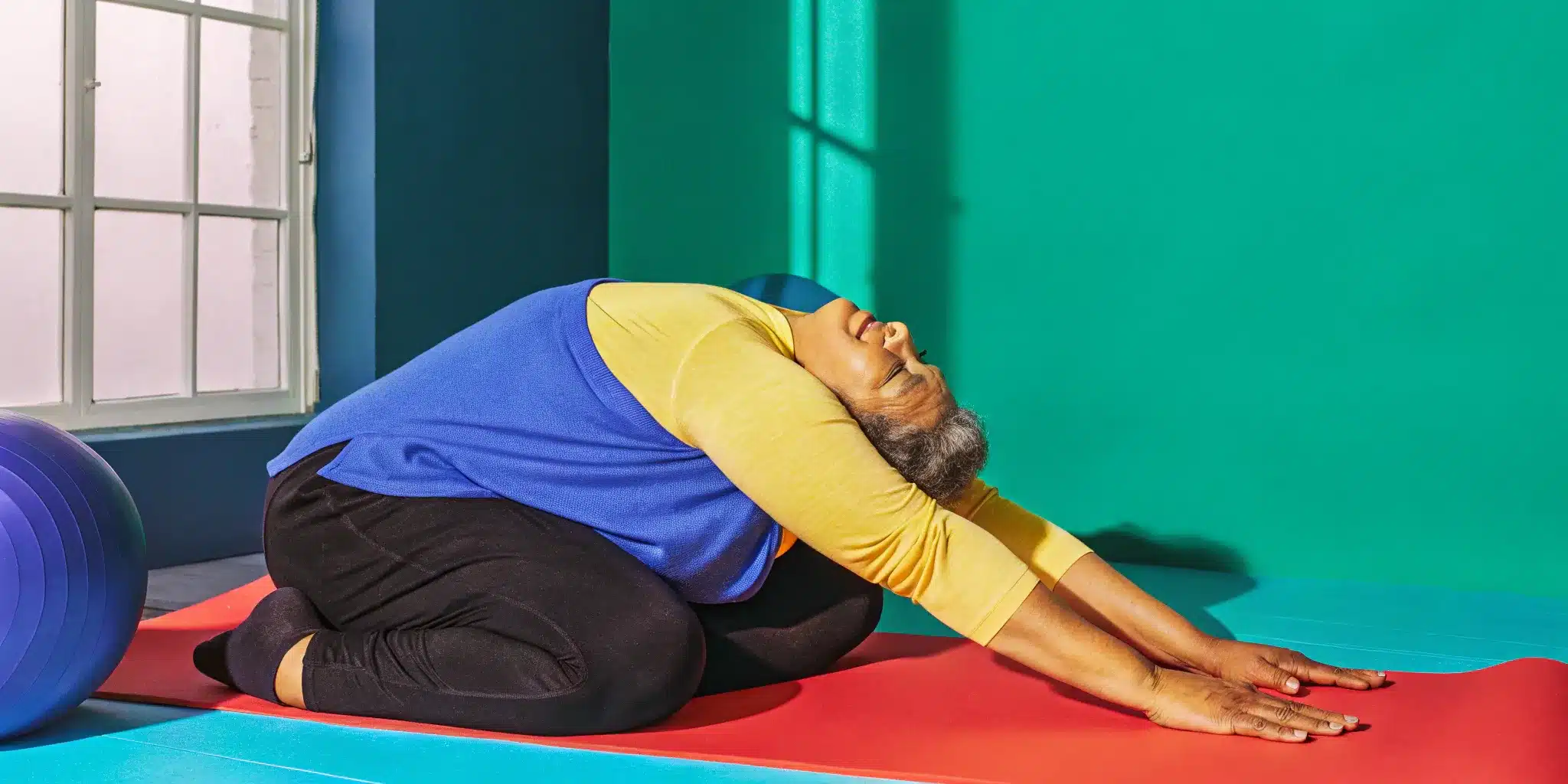
Child’s Pose
Child’s Pose is a restorative, calming stretch that provides a gentle elongation for your entire back. It’s a perfect way to decompress the spine and give your lower back a much-needed break. This is one of the best stretches for lower back pain because it’s passive and allows you to simply relax into the position.
Kneel on the floor, sit back on your heels, and then fold forward, resting your torso on your thighs. You can extend your arms out in front of you or rest them alongside your body. Let your forehead rest on the floor and focus on breathing deeply into your back, feeling it expand with each inhale. Hold this pose for at least 30 seconds, or for as long as it feels good.
Figure Four Stretch
Tight hips are a common contributor to lower back pain. The Figure Four stretch, also known as a reclined pigeon pose, is a fantastic way to target the piriformis muscle deep in your glutes, which can relieve pressure on the sciatic nerve and ease back discomfort.
Lie on your back with your knees bent and feet flat. Cross your right ankle over your left knee, keeping your right foot flexed to protect your knee. This creates the “figure four” shape. If this is enough of a stretch, stay here. To go deeper, lift your left foot off the floor and gently pull your left thigh toward your chest. You’ll feel a stretch in your right glute and hip. Hold for 30 seconds before switching sides.
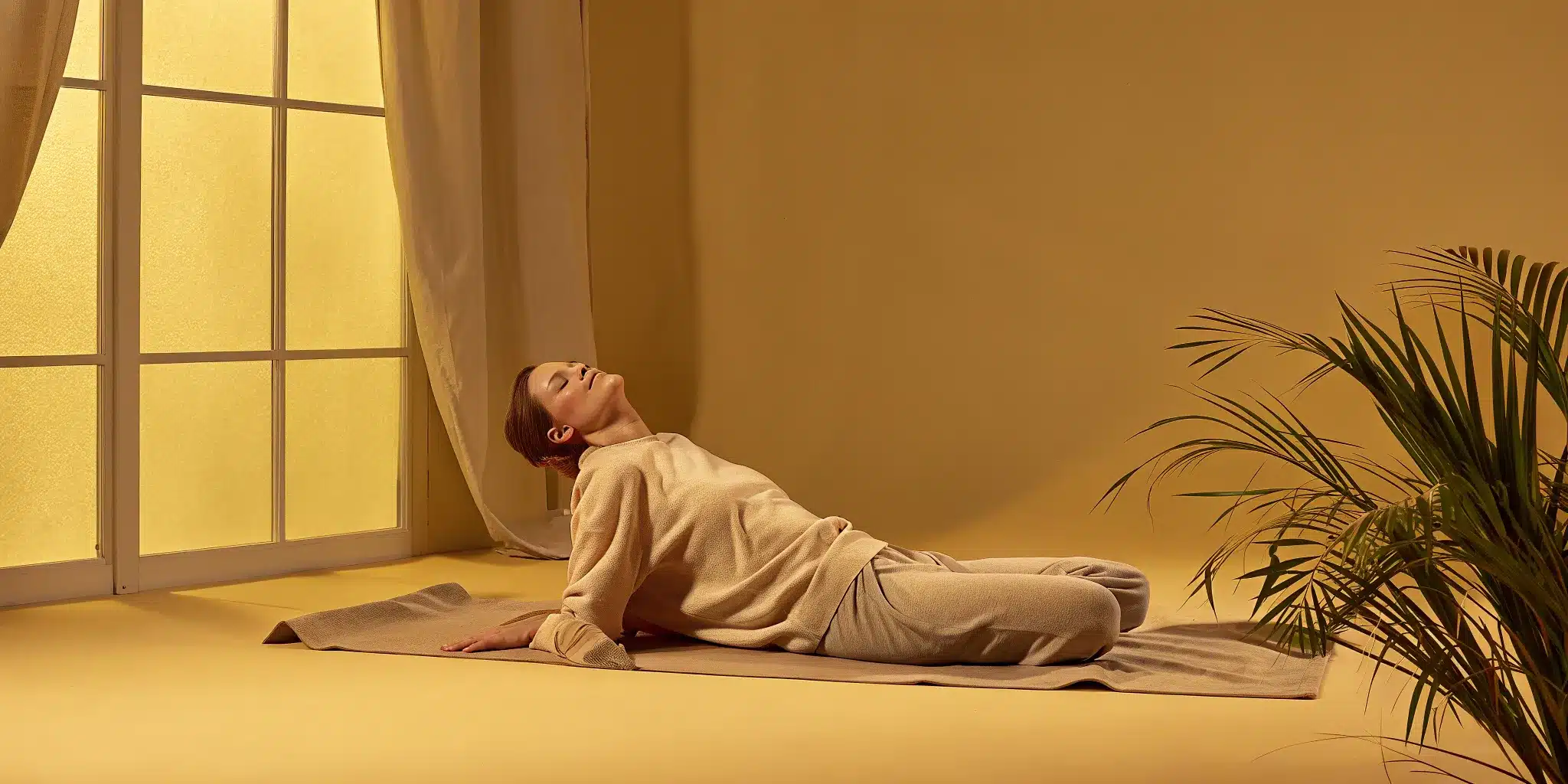
Hip Flexor Stretch
We spend so much time sitting, which can lead to tight hip flexors—the muscles at the front of your hips. When these muscles are tight, they can pull on your pelvis and contribute to lower back strain. This simple stretch helps lengthen them out.
One of the easiest ways to perform this stretch is to lie on the edge of your bed. Let one leg hang gently off the side until you feel a stretch in the front of your hip. Make sure your lower back stays comfortably on the bed. According to physical therapists, holding this position for 10 to 30 seconds is one of the most effective exercises for lower back pain. Repeat on the other side, aiming to do this stretch twice a day.
Single Knee to Chest Stretch
Similar to the first stretch on our list, this variation focuses on one leg at a time to provide a deep, targeted release for your lower back and glute muscles. Isolating one side allows you to focus your attention and breath on that specific area, which can be helpful if one side feels tighter than the other.
Lie on your back with both legs extended straight. Gently pull one knee toward your chest, holding it with both hands. Keep your other leg relaxed and straight on the floor. You should feel a comfortable stretch in your lower back and the back of your hip. Hold the position for 30 seconds, focusing on your breathing. Slowly release the leg and then repeat the stretch on the opposite side.
How Often Should You Stretch for Lasting Relief?
Finding lasting relief from lower back pain isn’t about a single, magical stretching session. It’s about consistency. Think of it like watering a plant—a little bit of attention each day goes a long way. Creating a regular stretching routine helps maintain flexibility, reduce stiffness, and prevent future flare-ups. The key is to make stretching a non-negotiable part of your day, just like brushing your teeth. By committing to a consistent practice, you’re not just treating the pain you feel now; you’re investing in a stronger, more resilient back for the long haul. Let’s talk about what that commitment looks like in practice.
Creating a Daily Habit
To truly make a difference, aim to make stretching a daily habit. You don’t need to set aside a full hour; short, frequent sessions are often more effective. Many experts recommend a simple routine of back exercises performed once in the morning to loosen up and once in the evening to release tension. Just 15 minutes can be enough to work through the essential stretches. The goal is to integrate this practice into your life so seamlessly that it becomes second nature, helping you manage pain and stop it from coming back.
How Long to Hold Each Stretch
When you’re in a stretch, quality trumps quantity. You don’t need to hold a position for minutes on end to feel the benefits. For most lower back stretches, holding for 5 to 10 seconds is a great starting point. For others, you might focus on your breath, holding the stretch for three deep, slow breaths. The idea is to give your muscles enough time to relax and lengthen without pushing them too far. Pay attention to the instructions for each specific stretch, as the ideal duration can vary. Remember, this is a gentle release, not a test of endurance.
Tips for Staying Consistent
The most important rule for consistency is to listen to your body. Movement is crucial, and stopping all activity can actually make your back feel tighter and more painful. The key is to move mindfully. When you stretch, ease into the position until you feel a gentle pull, not sharp pain. If an exercise makes your pain worse or causes new symptoms like numbness, it’s a clear signal to stop. Finding stretches and exercises that feel good will make you want to keep doing them, turning your routine from a chore into a welcome moment of self-care.
Build Your Own Back-Care Routine
Consistency is your best friend when it comes to managing lower back pain. While the seven stretches we’ve covered are a fantastic starting point, creating a well-rounded routine that you can stick with is the real secret to lasting relief. Think of it less like a rigid workout plan and more like a daily ritual of self-care for your spine. A truly effective routine goes beyond just stretching; it involves strengthening the muscles that support your back, listening to your body’s unique signals, and paying attention to what works for you over time.
Building your own routine means you’re in the driver’s seat. You get to customize your approach based on how you feel each day. Some days, a gentle Child’s Pose might be all you need. On others, you might feel ready to work on your hip flexors and core. The goal is to create a balanced practice that includes both flexibility and stability. By combining gentle stretches with simple strengthening exercises and a mindful approach, you can develop a powerful, personalized toolkit to keep your back feeling strong, supported, and pain-free. This isn’t about pushing through pain; it’s about learning to work with your body to help it heal and thrive.
Pairing Stretches with Core Work
Think of your core muscles—the ones in your abdomen, sides, and back—as a natural corset for your spine. When they’re strong, they provide essential support, taking pressure off your lower back. Stretching alone can help relieve tightness, but pairing it with core work creates a powerful duo for long-term stability. According to experts, strengthening your core is key to supporting your lower back. You don’t need to do hundreds of crunches. Simple exercises like planks, bird-dog, or gentle pelvic tilts can make a huge difference in building a foundation of strength that protects your back from daily strain.
Adjusting for Your Body
There’s no one-size-fits-all solution for back pain, and your routine should reflect that. The most important rule is to listen to your body. A stretch should feel like a gentle release, not a sharp or shooting pain. If you feel any new symptoms like numbness or tingling, it’s a clear signal to stop immediately. Some days, a stretch might feel amazing, and on others, it might not feel right at all. That’s perfectly normal. The goal is to find what feels good and helps relieve your specific discomfort. Don’t force anything. Being gentle and patient with yourself is the fastest way to make real, lasting progress.
How to Track Your Improvement
How do you know if your routine is working? Keeping a simple journal can be incredibly helpful. Take a few moments after your stretching session to jot down how you’re feeling. Which stretches provided the most relief? Did anything feel uncomfortable? Note your pain levels throughout the day on a scale of 1 to 10. Over time, you’ll start to see patterns emerge. This personal feedback loop helps you understand the cause of your pain and fine-tune your routine, focusing on the movements that give you the best results. It’s a simple way to stay motivated and see just how far you’ve come.
When to Call in a Professional
Stretching on your own is a fantastic way to manage day-to-day aches and stiffness. But sometimes, your body needs more than you can give it. Reaching out to a professional isn’t a sign of failure—it’s a smart move toward feeling your best. Think of it like having a personal trainer for your flexibility. An expert can offer personalized guidance, correct your form, and help you safely work through pain in ways that a general routine can’t. They can spot imbalances or movement patterns you might not notice on your own, ensuring you get the most effective and safest relief possible. When you’re dealing with persistent pain, a helping hand can make all the difference.
The Power of a Helping Hand
Working with a trained professional means you have an expert in your corner. They have a deep understanding of anatomy and can guide you through safe and effective movements tailored specifically for your back pain. Instead of guessing which stretches are right for you, you’ll have a clear, personalized plan. A professional can apply targeted pressure and guide your limbs through a deeper range of motion than you could achieve alone. This one-on-one attention ensures you’re not only doing the right stretches but doing them with perfect form to prevent further injury and maximize the benefits.
Signs It’s Time for 1-on-1 Help
Listening to your body is key, and some signals shouldn’t be ignored. While mild muscle soreness is normal, sharp or worsening pain is a red flag. It’s time to seek professional help if you experience any of the following:
- Pain that is severe or doesn’t improve after a few days of gentle stretching and rest.
- Pain that gets worse when you perform a stretch.
- New symptoms like weakness, numbness, or tingling that travel down your legs.
- Pain that disrupts your sleep or daily activities. If any of these sound familiar, it’s best to pause your routine and consult a professional.
What to Expect at Your First Session
Walking into your first session shouldn’t be intimidating. The main goal is for the professional to understand you and your pain. It will start with a conversation about your health history, your lifestyle, and the specific issues you’re facing with your back. They will then likely perform a gentle assessment of your posture, flexibility, and range of motion to identify tight spots and imbalances. From there, they’ll develop a personalized treatment plan that may include assisted stretches and exercises designed to bring you relief and restore your mobility.
Related Articles
- How to Loosen a Tight Lower Back While Standing
- Sleep Better: How to Relieve Lower Back Pain While Sleeping
- How to Loosen Tight Upper Back Muscles for Relief
- 7 Morning Stretches for Lower Back Pain Relief
Frequently Asked Questions
What’s the difference between a ‘good’ stretch feeling and actual pain? A good stretch should feel like a gentle pull or mild tension in the muscle you’re targeting. It might be a little uncomfortable, but it should feel productive and relieving. Pain, on the other hand, is a red flag. It often feels sharp, stabbing, or electric. If you feel any sensation that makes your existing ache worse, or if you experience numbness or tingling, that’s your body’s signal to ease up and stop immediately.
I’m not very flexible. Can I still do these stretches? Absolutely. In fact, these stretches are perfect for you. Flexibility isn’t the starting point; it’s the goal. The key is to work with the body you have today. Don’t worry about how deep you can go or what the stretch is supposed to look like. Simply move to the point where you feel that first gentle pull and hold it there. With consistent and patient practice, your range of motion will gradually improve.
How quickly can I expect to feel relief from stretching? You might feel some immediate relief right after a stretching session, as you release tension and get blood flowing to the area. However, the real, lasting benefits come from consistency. Think of it less as a quick fix and more as a long-term practice. By making gentle stretching a daily habit, you’re not just soothing current aches; you’re building a stronger, more resilient back that is less prone to pain in the future.
Is stretching enough, or should I be doing other exercises too? Stretching is a crucial tool for relieving tightness and improving flexibility. To create the most stable and supported spine, it’s a great idea to pair your stretches with gentle core-strengthening exercises. Your core muscles act like a natural brace for your lower back, and when they’re strong, they take a lot of pressure off your spine. Simple moves like planks or pelvic tilts can create a powerful foundation for a healthy back.
When should I stretch? Is morning or night better? The best time to stretch is whenever you can consistently make it happen. There’s no magic window. Some people love to stretch in the morning to work out stiffness and get ready for the day. Others prefer to stretch in the evening to release the tension that has built up before bed. If you can do a little bit at both times, that’s great, but the most effective routine is the one you’ll actually stick with.