If you’re searching for how to relieve severe lower back pain, you know that it’s more than a minor inconvenience—it’s a full-stop problem that demands a real solution. The good news is that you can take control, and it starts with a solid plan. This isn’t about a single magic fix, but about building a toolkit of effective strategies that work for you. We’ll cover everything from simple, at-home techniques you can use right now to calm a flare-up, to understanding when it’s time to see a professional. We will also explore the long-term habits that prevent pain from returning, helping you build a foundation for a healthier, more active life.
Key Takeaways
- Combine Quick Fixes with Lasting Habits: Use at-home remedies like ice and heat for immediate relief, but focus on long-term prevention by strengthening your core and practicing proper lifting techniques to build a resilient back.
- Listen to Your Body’s Warning Signs: While most back pain improves with self-care, don’t ignore red flags. Seek a professional diagnosis if your pain is severe, lasts more than a week, or is paired with numbness or weakness.
- Target the True Source of Tightness: Your back pain often starts with tight hips, glutes, and hamstrings. Incorporate gentle daily stretches and consider professional assisted stretching to release these connected muscles and restore proper balance.
What’s Causing Your Severe Lower Back Pain?
If you’re dealing with severe lower back pain, you know it can bring your entire life to a halt. It’s more than just an ache; it’s a persistent, frustrating problem that affects everything from your mood to your ability to handle daily tasks. Understanding what’s behind the pain is the first real step toward finding lasting relief. While it’s easy to blame a single wrong move, the reality is that lower back pain often stems from a variety of issues, some of which develop over time.
Most of the time, the culprit is mechanical—meaning it’s related to the way your spine, muscles, ligaments, and discs work together. Think of your back as the central support structure for your entire body. When one part is out of balance, the whole system feels it. From simple muscle strains caused by lifting a heavy box to more complex issues like nerve pressure or joint inflammation, the reasons for your pain can vary widely. Pinpointing the source isn’t about self-diagnosis, but about gaining the knowledge you need to have informed conversations with professionals and find the right path to feeling better. Let’s look at some of the most common causes.
Strains, Sprains, and Muscle Issues
This is the most frequent reason for lower back pain, and it’s likely what comes to mind when you first feel that familiar twinge. A strain happens when you overstretch or tear a muscle or tendon, while a sprain involves the ligaments that connect your bones. According to the Cleveland Clinic, most acute back pain is caused by an injury to the muscles or tendons in your back. This can happen from a sudden, awkward twist, lifting something too heavy, or even from repetitive motions that wear down your muscles over time. Poor posture is another major contributor, as it puts continuous stress on your back muscles, leaving them fatigued and vulnerable to injury.
Herniated Discs and Nerve Pressure
Between each of your vertebrae, you have soft, rubbery cushions called discs. They act as shock absorbers and allow your spine to be flexible. A herniated disc—sometimes called a slipped or ruptured disc—occurs when the soft center of a disc pushes through a tear in its tougher exterior. This bulge can press on nearby nerves, causing intense pain, numbness, or weakness. One of the most well-known examples of this is sciatica, where the herniated disc irritates the sciatic nerve, sending sharp, shooting pain down your leg. While it sounds serious, many people find relief with non-surgical treatments that focus on reducing pressure and inflammation.
Arthritis and Joint Inflammation
Just like the joints in your knees or hands, the small joints in your spine can be affected by arthritis. The most common type is osteoarthritis, which happens when the protective cartilage that cushions your joints wears down over time. This can lead to pain, stiffness, and reduced flexibility as the bones start to rub against each other. Another form, spinal stenosis, involves a narrowing of the spinal canal, which can put pressure on your spinal cord and nerves. While arthritis and structural issues are often associated with aging, inflammation can affect people at any stage of life, causing chronic discomfort and limiting movement.
Structural and Spinal Conditions
Sometimes, the pain is related to the actual structure and shape of your spine. Conditions like scoliosis, which is a sideways curvature of the spine, can lead to an imbalance that strains back muscles and joints. Another condition is osteoporosis, where bones become weak and brittle, making vertebrae more susceptible to painful fractures. According to MedlinePlus, while less common, issues like a curved spine or broken spine bones can be significant sources of low back pain. These conditions often require a more specialized approach to manage, but understanding how your spine’s structure contributes to your pain is key to finding effective, long-term solutions.
How to Get Immediate Relief Right Now
When severe lower back pain strikes, your first thought is probably, “How do I make this stop?” Finding immediate relief is crucial, not just for your comfort but for your peace of mind. While these at-home strategies can provide temporary help, they are the first step toward a more comprehensive care plan. The goal is to calm the initial, intense pain so you can move on to addressing the root cause. Think of these methods as your first-aid kit for back pain—simple, effective tools you can use right now to regain some control and start feeling better. Here are a few proven techniques to help you manage the pain and reduce inflammation from the comfort of your home.
Use Ice and Heat Therapy Correctly
One of the most effective and accessible tools for pain is temperature therapy, but it’s important to know which one to use and when. For the first 48 to 72 hours after the pain starts, apply an ice pack wrapped in a thin towel to the affected area for about 20 minutes at a time. The cold helps reduce inflammation and has a numbing effect on the pain. After the first couple of days, you can switch to heat. A heating pad or warm bath can help relax tight muscles and improve blood flow to the area, which promotes healing.
Find the Right Gentle Movements
While it might feel like you should stay perfectly still, complete bed rest can often do more harm than good. Your body is designed to move, and gentle activity can prevent stiffness and speed up your recovery. Try short, slow walks around your house or yard. Other low-impact activities like swimming or tai chi are also excellent for managing pain without putting stress on your back. The key is to listen to your body and stop if anything causes sharp pain. For the first six weeks, be sure to avoid any heavy lifting or sudden twisting movements that could set you back.
Try Mindful Breathing to Ease Tension
Have you ever noticed how your body tenses up when you’re in pain or feeling stressed? This is a natural reaction, but it can create a vicious cycle where tension makes the pain worse, and the pain causes more tension. You can break this cycle with mindful breathing. Find a comfortable position, close your eyes, and focus on taking slow, deep breaths. Inhale deeply through your nose, allowing your belly to expand, and then exhale slowly through your mouth. This simple practice can help calm your nervous system and ease tension in your back muscles.
Know Your Over-the-Counter Options
For short-term relief, over-the-counter (OTC) pain relievers can be a helpful tool. Nonsteroidal anti-inflammatory drugs (NSAIDs) like ibuprofen (Advil, Motrin) or naproxen (Aleve) can reduce both pain and inflammation. Acetaminophen (Tylenol) is another option that focuses on relieving pain. While these medications can provide temporary comfort, they aren’t a long-term solution. Always make sure to take them as directed on the label and talk to your doctor if you find yourself needing them for more than a few days.
When to See a Doctor for Lower Back Pain
While at-home treatments are fantastic for managing many types of back pain, it’s just as important to know when to call in a professional. Listening to your body is key, and some symptoms are clear signals that you need a medical evaluation to rule out more serious issues. Think of it this way: you’re the expert on how your body feels day-to-day, but a doctor is the expert who can diagnose the root cause when things feel seriously wrong. Ignoring persistent or severe symptoms won’t make them go away. Instead, being proactive about seeking care ensures you get the right diagnosis and treatment plan, preventing a minor issue from becoming a major one. If your pain is accompanied by any of the signs below, it’s time to put the self-care on pause and make an appointment.
Red Flags That Require Urgent Care
Some symptoms are more than just pain—they’re emergencies. If you experience back pain along with trouble controlling your bowels or bladder, you need to go to the emergency room right away. This can be a sign of a rare but serious condition called cauda equina syndrome, which requires immediate medical intervention to prevent permanent damage. Other red flags that warrant an urgent call to your doctor include sudden, intense pain following an accident or injury, pain accompanied by a fever, or unexplained weight loss. These aren’t things to wait out, so please seek care immediately if you experience them.
Is Your Pain Lasting Too Long?
Most of the time, a bout of back pain from a minor strain or overexertion will start to improve on its own within a few days to a week. You might feel some lingering stiffness, but the intense, sharp pain should begin to subside with gentle movement and at-home care. However, if your pain isn’t getting better after a week or two, or if it’s getting progressively worse, that’s your cue to schedule a doctor’s visit. Chronic back pain is generally defined as pain that lasts for 12 weeks or more, and you don’t have to suffer through it alone. A doctor can help diagnose the underlying cause and guide you toward effective treatments.
Watch for Numbness, Tingling, or Weakness
Pain is one thing, but when you start to feel numbness, tingling, or weakness in your legs, feet, or groin, it’s a sign that something might be affecting your nerves. This can feel like pins and needles or like a part of your leg is “falling asleep.” These sensations, especially if they travel down one leg, can indicate nerve compression from something like a herniated disc. If over-the-counter pain medicine isn’t helping and these symptoms persist, it’s important to get it checked out. A proper medical diagnosis can determine if there’s nerve involvement and what the best course of action is to relieve the pressure and your pain.
Your Guide to Effective At-Home Treatments
Once you’ve managed the immediate, intense pain, you can focus on longer-term strategies for healing at home. Lasting relief often comes from making small, consistent adjustments to your daily habits. These simple changes can protect your back from further strain and give it the support it needs to recover fully. By focusing on gentle movement, proper alignment, and mindful activity, you can create an environment that encourages healing and helps prevent future flare-ups. It’s about working with your body, not against it, to build a foundation for a healthier, more comfortable back.
Simple Stretches to Increase Mobility
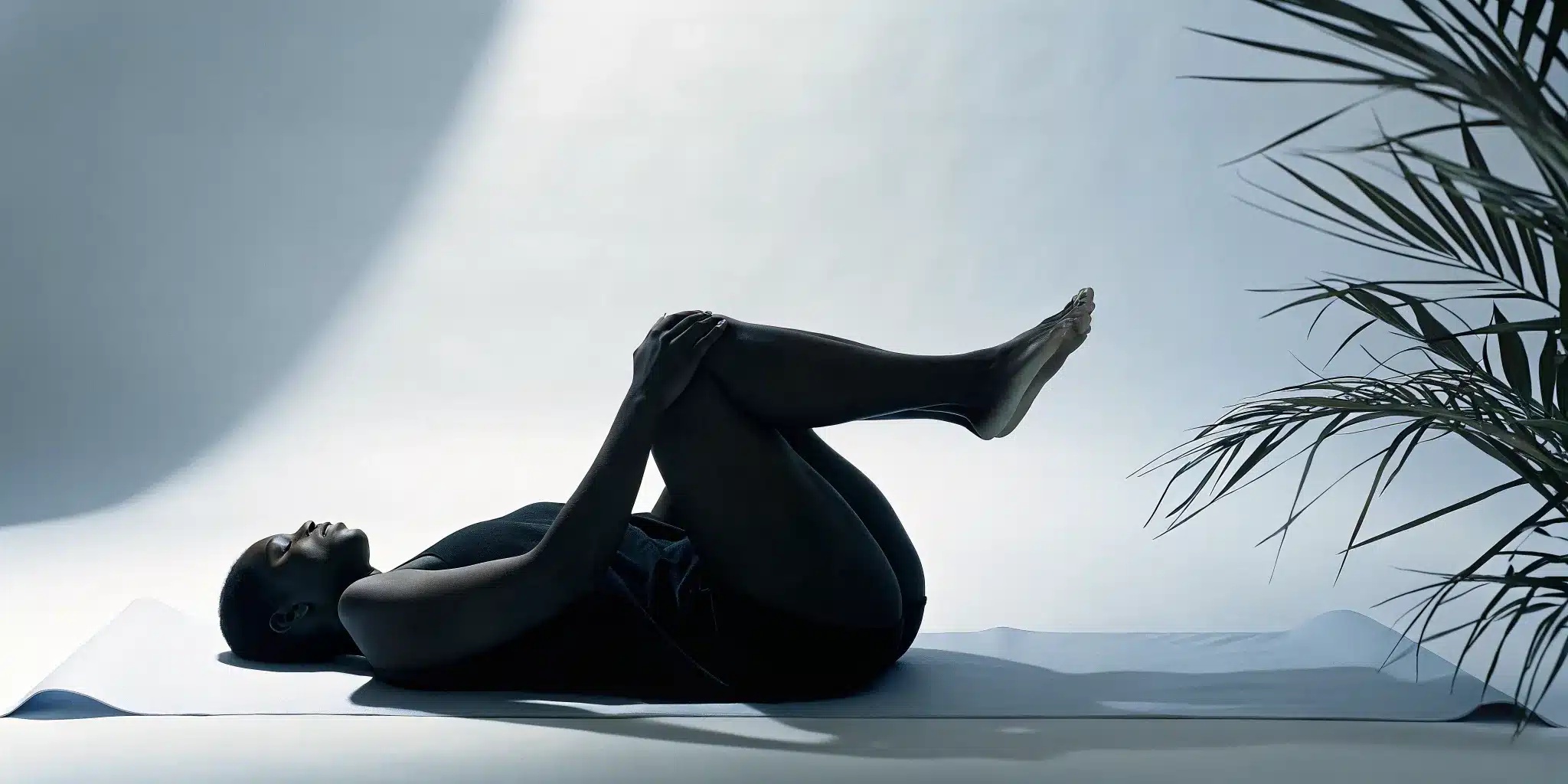
When your back is screaming, the last thing you might want to do is move. But gentle stretching can be incredibly helpful for relieving the dull ache of muscle tightness. The key is to move slowly and intentionally, stopping if you feel any sharp pain. Simple movements like the cat-cow stretch or gently pulling one knee to your chest at a time can help release tension and improve blood flow to the area. The goal is to feel a mild release, not to push yourself into a painful position. Think of it as reintroducing your muscles to movement in a safe and controlled way.
How to Adjust Your Sleeping Position
Sleep is when your body does most of its healing, but an awkward sleeping position can make your back pain worse. You can support your spine’s natural curve with a simple pillow adjustment. According to MedlinePlus, if you sleep on your back, placing a pillow under your knees can reduce stress on your lower back. If you’re a side sleeper, try putting a pillow between your knees to keep your hips, pelvis, and spine in better alignment. This small change can make a huge difference in how you feel when you wake up, helping you start the day with less stiffness and pain.
Modify Daily Activities to Avoid Strain
Everyday movements can put a surprising amount of stress on your lower back if you’re not careful. Learning how to take care of your back at home involves being mindful of how you move throughout the day. When you lift something, even if it’s not heavy, stand close to the object, bend at your knees instead of your waist, and tighten your core muscles as you stand up. Get help if an object is too heavy. This same mindfulness applies to everything from getting out of bed (roll to your side first) to sitting at your desk (keep your feet flat on the floor).
Why Complete Bed Rest Can Do More Harm Than Good
It’s an old myth that you need a lot of bed rest for back pain. While you should avoid activities that make the pain worse, staying in bed for days can actually do more harm than good. Lying down for too long can cause your muscles to become stiff and weak, which can slow down your recovery. Unless a doctor has specifically told you to stay in bed or you have serious symptoms like a fever or weakness, gentle activity is usually better. Short walks or the simple stretches mentioned above will keep your muscles active and support the healing process.
How Professional Stretching Can Help
While at-home stretches are a great start, sometimes you need a more targeted approach to find lasting relief. Professional assisted stretching takes the guesswork out of the equation, ensuring you get a safe, deep, and effective stretch every time. A trained stretch therapist can help you move past your pain threshold safely and address the root causes of your discomfort in ways that are difficult to achieve on your own. It’s a proactive way to care for your body and prevent future flare-ups.
The Benefits of 1-on-1 Assisted Stretching
Working with a professional is like having a personal guide for your body. Instead of wondering if you’re doing a stretch correctly, you have an expert ensuring you’re in the right position to get the maximum benefit without risking injury. Guided sessions help ease muscle tension, improve your posture, and can even lower the risk of chronic pain before it starts. This personalized attention means every stretch is tailored to your specific needs and limitations. It’s a partnership focused on helping you feel and move better, providing both immediate relief and long-term improvements in your overall well-being.
Target and Release Tight Hips and Back Muscles
Your lower back pain isn’t always just about your back. Often, the real culprits are tight muscles in your hips, glutes, and hamstrings, which pull on your lower back and create tension. It’s all connected. Professional stretching sessions are designed to target these specific areas to release that chronic tightness, which in turn helps improve your posture and restore comfort. A stretch therapist knows exactly how to isolate these muscle groups and apply the right pressure to encourage them to relax. This targeted approach helps break the cycle of pain by addressing the underlying imbalances that contribute to your discomfort.
Advanced Techniques for Deeper Relief
To get to the root of deep-seated muscle tightness, stretch therapists use specialized methods that go beyond basic static holds. At StretchMed, therapists use a combination of PNF (Proprioceptive Neuromuscular Facilitation) and static stretching techniques. PNF is an advanced form of flexibility training that involves both stretching and contracting the muscle group being targeted. This technique essentially “tricks” your nervous system into letting the muscle relax and lengthen more than it normally would. By incorporating these advanced methods, a therapist can help you achieve a deeper release and make more significant gains in your flexibility and pain relief during a session.
Improve Your Flexibility and Range of Motion
The ultimate goal of stretching is to move more freely and without pain. When your muscles are tight, your range of motion becomes limited, making everyday activities feel difficult. Gentle, consistent stretching is incredibly helpful for relieving that dull ache of muscle tightness. The key is to feel a mild release, not sharp pain. A professional can guide you to that sweet spot, helping your muscles lengthen safely over time. This gradual improvement in flexibility doesn’t just feel good in the moment; it restores your ability to bend, twist, and move with confidence, helping you get back to the activities you love.
Long-Term Strategies to Prevent Future Pain
Getting relief right now is important, but the real goal is to keep severe back pain from coming back. Shifting your focus to long-term prevention involves building habits that support a healthy, resilient spine. Think of it as creating a foundation of strength and awareness in your daily life. These strategies aren’t quick fixes; they are sustainable changes that protect your back from future strain and injury. By incorporating these practices, you can take control of your back health and move through your days with more confidence and less pain.
Build a Strong and Stable Core
Your core is more than just your abs; it’s the entire group of muscles in your midsection that wraps around your torso like a supportive corset. When these muscles are strong, they stabilize your spine and take a huge amount of pressure off your lower back. Simple, consistent exercises can make a world of difference. You don’t need to spend hours in the gym. Movements like planks, bird-dogs, and bridges are fantastic for building endurance in your core. The key is to focus on proper form to ensure you’re engaging the right muscles. A strong core provides the stability your back needs to handle daily movements without strain.
Learn Proper Lifting and Bending Techniques
How many times a day do you bend over to pick something up? Whether it’s a laundry basket, a bag of groceries, or a child, each lift is an opportunity to either strain or support your back. The golden rule is to always bend at your knees and hips, not your waist. Keep your back straight and engage your leg muscles to do the heavy work. Hold the object close to your body to reduce the lever-like strain on your spine. It might feel unnatural at first, but practicing how to lift properly with small objects will help build the muscle memory you need to protect your back when lifting something heavier.
Set Up an Ergonomic Workspace
If you spend a significant part of your day sitting at a desk, your workspace setup could be a major source of back pain. An ergonomic environment is designed to fit you, reducing stress on your body. Start with your chair; it should support the natural curve of your spine. Adjust it so your feet are flat on the floor and your knees are at a 90-degree angle. Your computer screen should be at eye level to prevent you from hunching forward. Taking short breaks to stand up and stretch every 30 minutes can also prevent your muscles from getting stiff. These small adjustments help you take care of your back at home and at work.
Manage Weight to Support a Healthy Spine
Carrying extra weight can place a constant strain on the muscles and ligaments in your lower back. Over time, this added pressure can contribute to postural problems and wear and tear on your spine. According to UC Davis Health, excess weight can even cause your spine to tilt and curve in unhealthy ways. The good news is that even a modest amount of weight loss can significantly reduce this load and alleviate pain. Focusing on a balanced diet rich in anti-inflammatory foods and incorporating gentle, regular movement into your routine can support both weight management and a healthier back. It’s a powerful way to invest in your long-term well-being.
Lifestyle Habits for a Healthier Back
While targeted stretches and treatments are fantastic for immediate relief, building long-term back health happens in the small choices you make every day. Think of these habits as the foundation that supports all your other efforts. By making a few simple adjustments to your daily routine, you can create an environment where your back can heal, strengthen, and stay pain-free. It’s about working smarter, not harder, to give your spine the support it needs to carry you through life.
Make Daily Movement a Priority
When your back hurts, your first instinct might be to lie perfectly still. But gentle movement is actually one of the best things you can do. Staying active encourages healing by increasing blood flow to the sore areas and preventing your muscles from getting stiff and weak. You don’t need to run a marathon; simple, light activities are incredibly effective. A daily walk, a few laps in a pool, or some gentle stretching can make a world of difference. The key is consistency. Even 15-20 minutes of light activity each day helps maintain mobility and supports your back’s recovery process.
Understand the Link Between Stress and Pain
Have you ever noticed your shoulders creeping up toward your ears when you’re stressed? That same tension can happen in your lower back. Stress and pain are closely connected; when you’re mentally or emotionally tense, your muscles physically tighten, which can worsen existing back pain or even trigger new flare-ups. Learning to manage stress is a powerful tool for back care. Techniques like mindfulness meditation, deep breathing exercises, or even just setting aside time for a hobby you love can help your nervous system—and your muscles—relax. Releasing that tension can provide surprising physical relief.
Improve Your Sleep Quality
You spend about a third of your life in bed, so your sleeping position has a major impact on your back health. The goal is to keep your spine in a neutral, straight line all night. If you sleep on your back, placing a pillow under your knees helps maintain the natural curve of your lower spine. For side sleepers, putting a pillow between your knees prevents your top leg from pulling your spine out of alignment. This simple trick can significantly reduce morning stiffness and pain. It might feel a little strange at first, but giving your spine proper support while you rest is a non-negotiable for long-term relief.
Eat Foods That Fight Inflammation
Chronic pain is often linked to chronic inflammation, and the food you eat can either fuel that fire or help put it out. An anti-inflammatory diet rich in fruits, vegetables, lean protein, and healthy fats can help reduce overall inflammation in your body, which may ease your back pain. Think leafy greens, berries, salmon, and nuts. It’s also important to get enough key nutrients for bone health, like calcium and vitamin D, to keep your spine strong and resilient. You don’t have to overhaul your entire diet overnight, but gradually incorporating more of these inflammation-fighting foods can support your body’s natural healing processes from the inside out.
Create Your Personal Back Care Plan
Putting an end to back pain isn’t about finding a single magic bullet. It’s about creating a thoughtful, personalized approach that works for your body and your life. A great plan addresses the immediate ache while also building a foundation for long-term strength and resilience. By combining quick-relief strategies with sustainable habits, you can take control of your back health and get back to moving with confidence. This is your roadmap to feeling better, not just for today, but for years to come.
Combine Quick Relief with Long-Term Prevention
A smart back care plan tackles pain from two angles: what you can do for immediate relief and the steps you can take to prevent it from coming back. For quick relief, simple home remedies are often very effective. Try using an ice pack for the first day or two to reduce inflammation, then switch to a heating pad to relax tight muscles. Over-the-counter pain relievers can also help you get through a rough patch.
For long-term prevention, consistent movement is your best friend. Gentle exercise can improve your posture, strengthen your back and core, and increase your flexibility. Think of it as building a natural corset of muscle to support your spine. This proactive approach is what keeps minor aches from turning into major problems down the road.
Track Your Symptoms and Celebrate Progress
Becoming an expert on your own body is a huge part of managing back pain. Start paying close attention to what your back is telling you. Most pain gets better on its own within a few days, but it’s important to know when you might need professional help. If your pain is severe, doesn’t improve, or is accompanied by other concerning symptoms, you should make an appointment with a doctor to get a clear diagnosis.
Consider keeping a simple journal to note your symptoms. What makes the pain worse? What makes it better? Tracking this information helps you identify triggers and see patterns. It’s also a great way to recognize your progress. Celebrating small wins—like being able to bend over without wincing or enjoying a longer walk—can keep you motivated on your journey to a healthier back.
Build Sustainable Habits for Lasting Well-Being
Lasting relief comes from the small, consistent choices you make every day. Focus on building habits that support a healthy spine. One of the most impactful things you can do is to strengthen your core muscles. Strong abdominal and back muscles act as a support system, taking pressure off your lower back. You don’t need to spend hours at the gym; even 10-15 minutes of targeted exercises a few times a week can make a big difference.
Other lifestyle habits also play a major role. Maintaining a healthy weight reduces the daily strain on your spine. If you smoke, quitting can improve circulation and nutrient flow to the discs in your back. Finally, find healthy ways to manage stress, like practicing yoga or getting a massage, as tension often settles in the back and shoulders.
Related Articles
- Sleep Better: How to Relieve Lower Back Pain While Sleeping
- How to Loosen a Tight Lower Back While Standing
- How to Fix Very Tight Lower Back Muscles
Frequently Asked Questions
I’ve heard I should rest my back when it hurts, but you mention movement. Which is right? This is a great question because it gets to the heart of a common myth. While you should certainly avoid activities that cause sharp pain, staying in bed for more than a day or two can actually make things worse. Your muscles can become stiff and weak, which slows down your recovery. The key is gentle, mindful movement. Short walks or simple stretches increase blood flow to the area, which helps with healing and prevents your back from locking up. It’s all about finding a healthy balance between resting and keeping your body moving safely.
My back pain seems to come out of nowhere. What could be causing it if I haven’t had an injury? It’s completely normal for back pain to feel like it appeared without a specific cause. Often, it’s not the result of one single event but rather the accumulation of daily habits. Things like sitting with poor posture for long periods, having chronically tight hip muscles that pull on your spine, or even the natural wear and tear on your joints over time can all contribute. Think of it less like a sudden injury and more like a slow build-up of tension and imbalance that finally reaches a tipping point.
How do I know if my back pain is serious enough to see a doctor? Trusting your instincts is important, but there are a few clear signs that you should seek a professional opinion. If your pain doesn’t start to improve after a week or two of at-home care, or if it’s getting progressively worse, it’s time to make an appointment. You should also see a doctor if the pain is accompanied by numbness, weakness, or a tingling sensation that travels down your leg. And if you ever experience back pain along with a fever or trouble controlling your bladder or bowels, that requires immediate medical attention.
Why does professional stretching focus on my hips and hamstrings if the pain is in my back? Your body is a connected system, and your lower back rarely works in isolation. Very often, the root cause of back pain is actually chronic tightness in the surrounding muscles, especially your hips, glutes, and hamstrings. When these large muscle groups are tight, they pull on your pelvis and create constant strain on your lower back. By targeting and releasing these areas, a professional can relieve that tension at its source, which in turn allows your back to relax and find a more neutral, comfortable position.
What’s the most important long-term habit I can build to prevent future back pain? If you could only focus on one thing, it would be building a strong and stable core. Your core muscles—which include your abs, obliques, and lower back—act like a natural corset that supports and protects your spine. When your core is strong, it takes a significant amount of pressure off your back during daily activities like lifting, bending, and even just sitting. You don’t need an intense gym routine; simple, consistent exercises like planks and bridges are incredibly effective at building the endurance your back needs to stay healthy for years to come.