Your body has an incredible, built-in system for managing discomfort, almost like its own internal pharmacy. The key to unlocking it is gentle, consistent movement. When you exercise, your body releases powerful, natural pain-relieving chemicals like endorphins, which can improve your mood and change how you perceive pain. But the benefits go much deeper than a temporary rush. The real question is, how does exercise reduce pain for the long term? It works by fundamentally changing your body’s environment—reducing the chronic inflammation that fuels pain, improving blood flow to stiff tissues, and strengthening the muscles that support your joints. This guide will break down exactly how this process works, empowering you to use movement as a sustainable tool for lasting relief.
Key Takeaways
- Exercise actively fights pain on a chemical level: Gentle movement prompts your body to release its own natural painkillers, like endorphins, while also reducing the inflammation that contributes to chronic aches. You’re not just masking pain; you’re fundamentally changing your body’s response to it.
- Learn the difference between “good” and “bad” pain: A successful routine depends on listening to your body. Aim for the mild muscle soreness that signals you’re getting stronger, but stop immediately if you feel sharp, stabbing, or radiating pain. This empowers you to move with confidence and avoid flare-ups.
- Focus on consistency over intensity for lasting results: A short walk or stretching session done regularly is more effective than an occasional, intense workout that leaves you sore. For a truly effective approach, consider a personalized plan that adapts as you get stronger, helping you build a safe and sustainable habit.
How Exercise Actually Relieves Pain
When you’re in pain, the last thing you might want to do is move. It seems counterintuitive, right? But science shows that the right kind of movement is one of the most effective tools for managing and reducing chronic pain. Your body has an incredible, built-in system for managing discomfort, and exercise is the key that turns it on. It’s not just about “toughing it out” or distracting yourself. Movement triggers real, physiological changes in your brain and body that actively fight pain.
From releasing your own natural painkillers to reducing the inflammation that fuels discomfort, exercise works on multiple fronts to bring you relief. It helps change the way your brain processes pain signals, improves blood flow to stiff and sore tissues, and strengthens the muscles that support your aching joints. Understanding how this process works can be incredibly empowering. It shifts the focus from what you can’t do to what you can do to take back control and feel better in your body. Let’s break down exactly what happens when you start moving.
Release Your Body’s Natural Painkillers
Ever heard of a “runner’s high”? That feeling of bliss comes from endorphins, and they’re one of your body’s best-kept secrets for pain relief. Endorphins are chemicals produced by your nervous system to cope with pain or stress. Think of them as your body’s own version of morphine. Research shows that exercise helps your body make these natural painkillers, which can improve your mood and change how you perceive pain. When you engage in physical activity, your body releases these chemicals, which then interact with receptors in your brain to reduce pain signals. This is a powerful, natural way to find relief without side effects.
Activate Your Natural Pain-Relief Pathways
Beyond that initial endorphin rush, consistent exercise has a deeper effect on your brain chemistry. It essentially trains your brain to be better at managing pain on its own. Regular physical activity helps reduce pain by activating the brain’s natural pain-blocking systems. This complex process involves several key brain chemicals and pathways, including serotonin (which helps regulate mood and sleep) and endocannabinoids (similar to cannabis, but produced by your own body). By getting these systems online, you’re not just masking pain—you’re fundamentally changing how your brain responds to it, making you more resilient over time.
Reduce Inflammation Through Movement
Chronic inflammation is a major culprit behind many types of persistent pain, from arthritis to back pain. It’s like a fire alarm that never turns off. While intense, strenuous exercise can temporarily increase inflammation, regular, moderate movement has the opposite effect. Gentle exercise can reduce the levels of inflammatory markers throughout your body. This happens because movement helps circulate blood and lymphatic fluid, which flushes out inflammatory byproducts and delivers anti-inflammatory substances to where they’re needed most. Over time, this creates a less inflammatory internal environment, helping to calm down chronic pain at its source.
Improve Blood Flow to Heal Tissue
Stiff, tight muscles and achy joints often suffer from poor circulation. Without good blood flow, your tissues can’t get the oxygen and nutrients they need to function properly and heal. This is where gentle movement and stretching make a huge difference. Activities like stretching, walking, or swimming act like a pump, enhancing blood flow to your tissues. This improved circulation delivers a fresh supply of oxygen, helps remove metabolic waste products that can contribute to soreness, and provides the building blocks your muscles and connective tissues need to repair themselves. This process not only eases pain but also helps improve your overall mobility and prevent future injury.
How Can Exercise Help Your Chronic Pain?
When you’re living with chronic pain, the thought of exercising can feel completely backward. Your body is telling you to stop, so why would you push it to move? It’s a valid concern, but gentle, consistent movement is one of the most effective tools for long-term pain management. Instead of causing more harm, the right kind of exercise can fundamentally change your relationship with pain by addressing its root causes. It helps calm inflammation, builds a stronger support system for your body, and even rewires how your brain responds to pain signals. Let’s look at exactly how moving more can help you hurt less.
Break the Pain-Inflammation Cycle
Chronic pain often creates a vicious cycle: pain leads to inactivity, and inactivity can lead to more inflammation and stiffness, which in turn causes more pain. Introducing gentle movement is a powerful way to interrupt this pattern. Physical activity helps reduce the levels of inflammatory proteins in your body. While it might seem scary at first, research shows that physical activity is very helpful for managing chronic pain. By encouraging blood flow and easing stiffness, you’re not just temporarily relieving discomfort—you’re actively creating a less inflammatory environment in your body, which is key to finding lasting relief.
Strengthen Muscles to Support Your Joints
Think of your muscles as your body’s built-in support system. When they’re weak, more stress is placed on your joints, which can be a major source of chronic pain. Regular, gentle exercise strengthens the muscles surrounding your joints, allowing them to absorb more shock and take the pressure off sensitive areas. This doesn’t just reduce pain; it also improves your stability and helps you move with more confidence and ease. Plus, exercise prompts your body to release endorphins, which are essentially natural painkillers that can further reduce your discomfort and make daily activities more manageable.
Get Better Sleep and Improve Your Mood
Chronic pain isn’t just a physical burden; it takes a huge toll on your mental and emotional well-being. It can disrupt your sleep and contribute to feelings of anxiety and frustration. Exercise is a fantastic, non-pharmaceutical way to address both. Regular physical activity is proven to improve sleep quality, helping you get the restorative rest your body needs to heal. It also has a powerful effect on your mood by reducing stress and easing symptoms of depression and anxiety. Creating this positive upward spiral—where better sleep and a better mood give you more energy to move—is a game-changer for managing chronic pain.
Build Your Pain Tolerance Over Time
This might sound surprising, but consistent exercise can actually change the way your brain interprets pain signals. It’s not about gritting your teeth and pushing through; it’s about retraining your nervous system. Over time, regular movement can strengthen your brain’s natural pain-inhibiting pathways. This means your brain becomes more efficient at turning down the volume on pain signals. Studies show that this effect is most powerful with consistent effort, as longer periods of regular exercise are more effective at preventing and reversing chronic pain. You’re not just getting stronger physically—you’re building resilience from the inside out.
What Are the Best Exercises for Pain Relief?
When you’re living with chronic pain, the idea of exercising can feel completely overwhelming. But the right kind of movement is one of the most effective tools for managing discomfort and reclaiming your life. The goal isn’t to push through intense workouts; it’s to find gentle, sustainable activities that strengthen your body and calm your nervous system. Think of it as re-introducing your body to movement in a safe and supportive way.
Finding what works for you is a personal process, but most effective pain-relief exercise plans include a mix of four key areas. By combining gentle cardio, smart strength training, flexibility work, and mind-body practices, you can create a well-rounded routine that addresses pain from multiple angles. This approach helps release natural painkillers, supports your joints, improves your range of motion, and even helps your brain process pain signals differently. Let’s look at what each of these categories involves.
Gentle Cardio
Cardiovascular exercise is anything that gets your heart rate up, but it doesn’t have to mean running a marathon. Gentle cardio focuses on low-impact activities that are kind to your joints. Think of things like walking, swimming, water aerobics, or riding a stationary bike. The key is consistency, not intensity. You don’t need a gym membership or a complicated routine to get started. Simply moving more and sitting less can have a significant impact on your pain levels. Start with just five or ten minutes a day and gradually increase the time as you feel more comfortable. The goal is to get your blood flowing and warm up your muscles without causing a flare-up.
Smart Strength Training
Building muscle is crucial for long-term pain management because strong muscles act as a support system for your joints. When the muscles around your knees, hips, and spine are strong, they take pressure off the joints themselves, which can dramatically reduce pain. Smart strength training involves using light weights, resistance bands, or even your own body weight to build strength safely. Exercise also helps your body produce its own natural painkillers called endorphins. Stronger muscles and better flexibility work together to lower pain and help you move with more confidence and ease. Focus on proper form over heavy lifting to avoid strain.
Flexibility and Mobility
Flexibility (your muscles’ ability to lengthen) and mobility (your joints’ ability to move through their full range of motion) are essential for pain-free movement. When muscles are tight, they can pull on your joints and create imbalances that lead to pain and poor posture. Regular stretching helps release this tension. In fact, stretching is proven to decrease muscle and joint pain, improve posture, and prevent injury. Activities like dynamic stretching before a walk or static stretching afterward can make a huge difference. For a deeper, more targeted approach, one-on-one assisted stretching can help you safely improve your range of motion in ways that are difficult to achieve on your own.
Mind-Body Practices
Pain isn’t just a physical sensation; it has a strong connection to your mental and emotional state. Mind-body practices like yoga, tai chi, and even mindful breathing help calm the nervous system and change your relationship with pain. These activities combine gentle movement with focused attention, which can be incredibly powerful. Research shows that exercise can actually help your brain get better at controlling pain signals naturally. It strengthens the internal systems that block pain while weakening the ones that amplify it. By integrating these practices, you’re not just working on your body—you’re training your brain to respond to discomfort in a healthier way.
What if Exercise Makes the Pain Worse?
It’s the biggest fear for anyone living with chronic pain: What if trying to get better actually makes you feel worse? It’s a completely valid concern. The truth is, exercise can sometimes increase pain, especially if you’re just starting out or push yourself too hard. But this doesn’t mean you should avoid movement altogether.
The key is learning to understand your body’s signals. When you can tell the difference between the discomfort of building strength and the pain that signals a problem, you gain the power to move with confidence. It’s about finding that sweet spot where you’re challenging your body enough to create positive change without triggering a flare-up. Let’s walk through how to recognize the signs and understand your unique response to movement.
Know the Warning Signs
When you’re exercising, it’s important to pay close attention to what your body is telling you. While some muscle soreness is normal, certain types of pain are red flags. Stop what you’re doing if you feel any sharp, stabbing, or shooting pains. Pain that travels down an arm or leg is also a signal to back off immediately.
Another warning sign is pain that gets progressively worse as you continue the exercise, or pain that lingers for hours—or even days—after you’ve finished. Swelling, redness, or a feeling of instability in a joint are also clear indicators that the movement isn’t right for your body at that moment. Learning to recognize these signals is the first step toward creating a safe and effective exercise routine that helps, rather than hurts.
“Good Pain” vs. “Bad Pain”: How to Tell the Difference
So, how do you know if what you’re feeling is productive or harmful? Think of “good pain” as the mild muscle fatigue or soreness you feel during or after a workout. This is often called delayed onset muscle soreness (DOMS), and it’s a sign that your muscles are adapting and getting stronger. It usually feels like a dull, generalized ache and subsides within a day or two.
“Bad pain,” on the other hand, is sharp, intense, and specific. It’s the kind of pain that makes you wince. Pushing yourself into exhaustion can actually make things worse. Research shows that overly fatiguing exercise can trigger brain chemicals that amplify your pain sensitivity. The goal is to challenge your muscles, not to strain them to their breaking point.
Why Your Body’s Response is Unique
There is no universal rule for how much exercise is too much. Your body has its own unique balance between systems that relieve pain and systems that create it, and movement can tip the scales in either direction. How you respond depends on a mix of factors, including your current fitness level, how active you are day-to-day, and the specific nature of your pain condition.
Your emotional state also plays a huge role. Stress, anxiety, and fear can make you more sensitive to pain, while feeling positive and supported can help you manage it. That’s why understanding the emotional impact of pain is just as important as addressing the physical sensations. Your journey is personal, and honoring your body’s individual needs is the most effective way to move toward a life with less pain.
How to Start Exercising When You’re in Pain
When you live with chronic pain, the thought of exercising can feel overwhelming. You know that movement is supposed to help, but you’re worried it might make things worse. This is a completely valid concern, and it’s the main hurdle that keeps so many people from finding relief. The key isn’t to ignore the pain and push through it, but to learn how to move with it, gently and intelligently.
Starting an exercise routine when you’re in pain isn’t about jumping into a high-intensity workout. It’s about reintroducing movement to your body in a way that feels safe, manageable, and productive. By focusing on a few core principles, you can begin to break the cycle of pain and inactivity. Think of it as a conversation with your body—one where you listen carefully and respond with kindness. The following steps will help you start that conversation and build a foundation for lasting relief.
Start with Gentle Movements
The first step is to redefine what “exercise” means to you. It doesn’t have to be an hour-long gym session or a five-mile run. In fact, it shouldn’t be. When you’re managing pain, the most effective approach is to start small. Research shows that simply moving more and sitting less can lead to significant health benefits and help reduce pain.
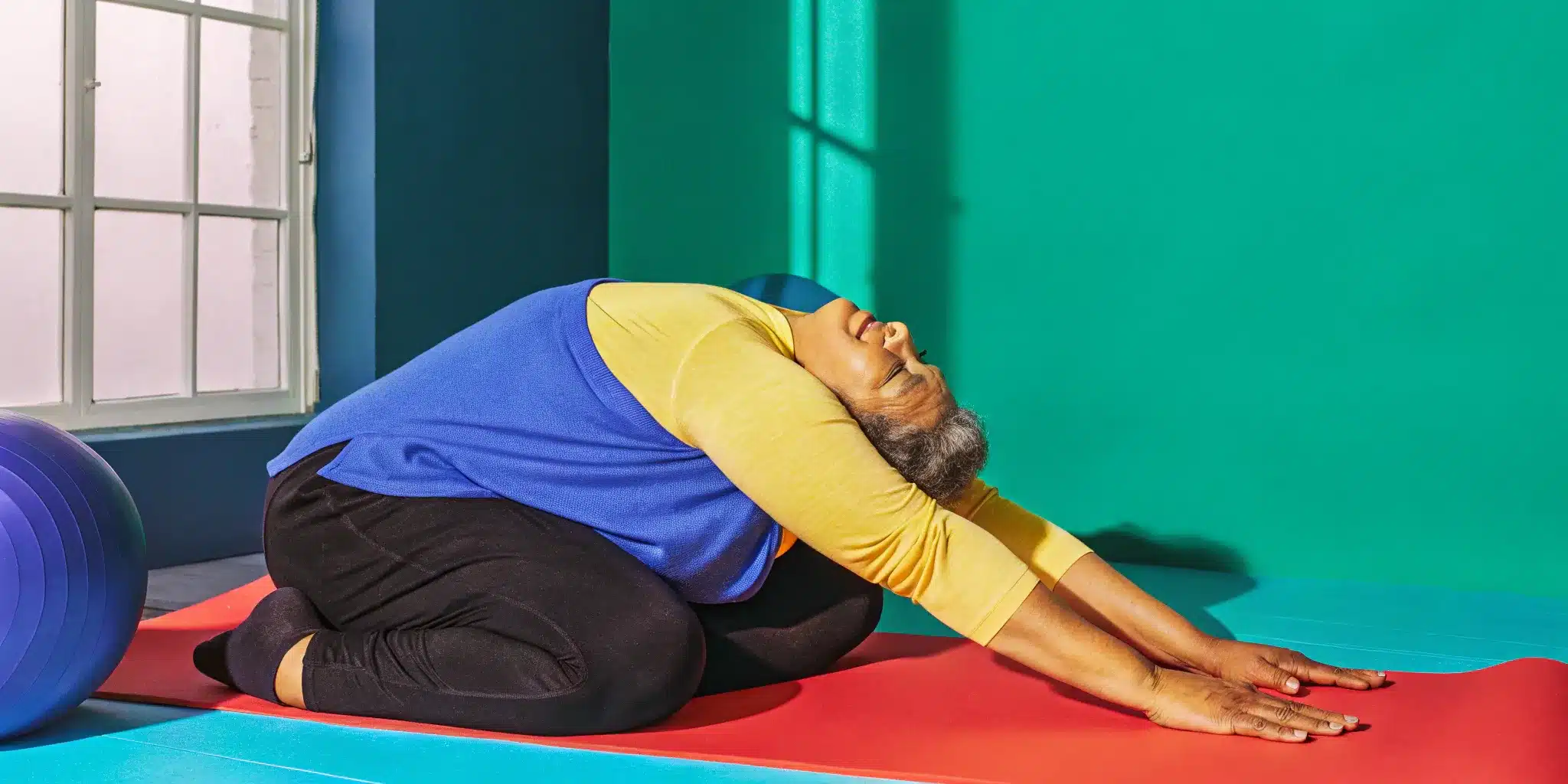
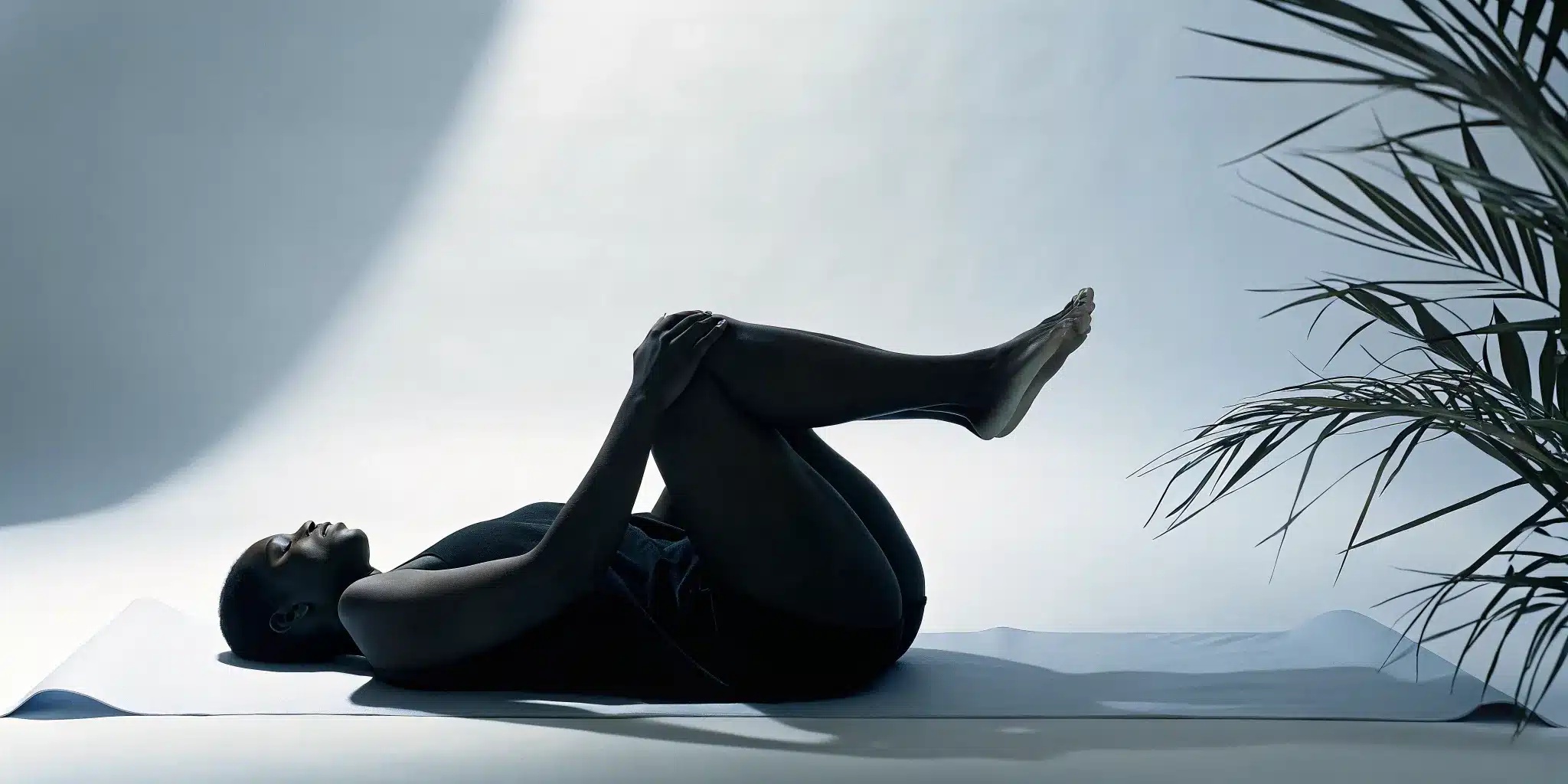
Begin with low-impact activities that feel good to your body. This could be a slow walk around your neighborhood, gentle stretching while you watch TV, or a few simple yoga poses. Even making a point to stand up and walk around the house for a few minutes every hour can make a difference. The goal is to gently coax your muscles and joints back into motion without causing a flare-up.
Set Realistic Goals
It’s easy to get excited and want to do too much too soon, but that’s often a recipe for reinjury or burnout. Instead, focus on setting small, achievable goals that build your confidence and create momentum. As experts advise, it’s crucial to avoid rushing into challenging workouts. Your goal might be as simple as, “I will walk for 10 minutes three times this week,” or “I will do five minutes of gentle stretching every morning.”
These small wins are incredibly powerful. They prove to you that you can move without increasing your pain, which helps build a positive association with exercise. Once you consistently meet your initial goal, you can gradually add a little more time or frequency. This method of setting goals ensures your progress is sustainable.
Find Your Right Intensity
As you get more comfortable with movement, you can slowly increase the intensity. The keyword here is slowly. Your body needs time to adapt, and pushing too hard can erase the progress you’ve made. A gradual increase in your activity level is the safest way to build strength and endurance without triggering pain.
What does this look like in practice? If your 10-minute walk starts to feel easy, try walking for 12 minutes next time, not 20. If a certain stretch feels good, try holding it for a few extra seconds. Pay attention to how your body feels during and after each activity. A little muscle fatigue is normal, but you shouldn’t feel exhausted or in more pain later. It’s a delicate balance, but learning to find your edge without going over it is essential.
Listen to Your Current Pain Level
This is the most important rule of all: your body knows best. While some mild muscle soreness is a normal part of becoming more active, sharp, stabbing, or radiating pain is not. It’s a clear signal to stop what you’re doing. Pushing through that kind of pain will only set you back.
Learn to differentiate between the “good pain” of muscle fatigue and the “bad pain” of an injury or flare-up. If a movement causes your chronic pain to spike or creates a new, sharp sensation, stop immediately. Don’t be discouraged if this happens. It’s not a failure; it’s valuable information. It tells you that a particular movement isn’t right for your body right now. If pain consistently increases with activity, it’s always a good idea to check in with your doctor or physical therapist.
How to Build a Lasting Exercise Routine
Starting an exercise routine is one thing; sticking with it when you live with chronic pain is another challenge entirely. The key isn’t to push through the pain but to work with your body to build strength and resilience over time. A sustainable routine is built on consistency, smart pacing, and the flexibility to adapt as you get stronger. It’s about creating a habit that serves you for the long haul, not just for a few weeks.
This approach helps you avoid the frustrating cycle of starting, overdoing it, and stopping because of a flare-up. Instead, you can build momentum and confidence, making movement a positive part of your pain management strategy. Let’s walk through how to create a routine that truly lasts.
Stay Consistent Without Overdoing It
When you’re building a new habit, consistency is far more important than intensity. A gentle 15-minute walk every day is more effective than one grueling hour-long workout once a week that leaves you sore for days. Regular, gentle movement helps make exercise a core part of your treatment for chronic pain, which can also have a significant positive impact on your mood and stress levels.
Think of it as teaching your body to trust movement again. By showing up consistently, even for a short time, you’re reinforcing a positive pattern. This helps your brain and body adapt, gradually building your capacity for more activity without triggering a pain response. The goal is to make movement a reliable, comfortable part of your daily life.
Why Pacing and Rest Are Crucial
One of the biggest hurdles for people with chronic pain is the “boom-and-bust” cycle: on a good day, you do too much, and you pay for it with several bad days. Pacing is the solution. It means starting slowly and listening to your body, resisting the urge to push too hard, even when you feel great. This balanced approach is essential to avoid making pain worse.
Rest is just as important as activity. Scheduling rest days gives your muscles, joints, and nervous system time to recover and adapt. This isn’t a sign of weakness; it’s a smart strategy for long-term success. By respecting your body’s need for recovery, you can prevent burnout and keep making steady, sustainable progress.
Adapt Your Routine as You Get Stronger
As you become more consistent, your body will adapt. Muscles will get stronger, your endurance will increase, and you may notice your pain levels decreasing. Regular exercise can actually improve how your brain manages pain signals. This is your cue to gradually adjust your routine. You might add a few extra minutes to your walk, try a new type of strength exercise, or increase the intensity slightly.
A well-rounded program should eventually include a mix of cardio, strength training, and flexibility work. Aiming for about 30 minutes of moderate activity most days of the week is a great long-term goal. The key is to make small, incremental changes that challenge you just enough without causing a setback. This ensures your routine evolves with you as you get stronger and more mobile.
What to Do When Pain Flares Up
Even with the best routine, pain flare-ups can happen. It’s a frustrating but often normal part of living with chronic pain. Instead of seeing it as a setback, think of it as a signal to adjust your approach. Having a game plan for these moments can make them feel less overwhelming and help you get back on track with confidence. The key isn’t to stop moving altogether but to move smarter and listen closely to what your body needs.
Plan for Your Recovery
The best time to plan for a flare-up is before it happens. Knowing what to do can reduce stress and help you feel more in control. Remember that gentle movement should remain a core part of your chronic pain management. It’s not just about the physical benefits; staying active in a gentle way can also significantly improve your mood and help manage stress, which often spikes during a flare-up.
Consider creating a “flare-up toolkit” with a few go-to gentle stretches, a short walking route, or a calming breathing exercise. Having these tools ready means you won’t have to make decisions when you’re already feeling overwhelmed by pain.
Modify Your Workout During a Flare-Up
When pain intensifies, the goal is to modify, not stop. Pushing through a flare-up can make things worse, so this is the time to scale back. If you normally walk for 30 minutes, try three 10-minute walks instead. Swap your strength training day for a session of gentle stretching or mobility work. The idea is to keep your body moving without adding extra strain.
It’s important to start slowly and avoid pushing yourself, even on days you feel a bit better. By beginning with easier movements and gradually doing more as the flare-up subsides, you give your body the space it needs to recover without losing the progress you’ve made.
How to Listen to Your Body
Learning to interpret your body’s signals is one of the most important skills you can develop. During a flare-up, pay close attention to your pain. If an activity causes your pain to sharpen, spread, or worsen significantly, it’s a clear sign to stop. Don’t ignore these warnings.
Also, be mindful of your energy levels. Pushing yourself to the point of exhaustion can backfire, as research shows that excessive fatigue can intensify pain perception. If a movement feels wrong or your pain increases in a way that feels alarming, it’s always best to pause and seek advice from your healthcare provider or physical therapist.
How Long Until I Feel Relief?
This is the question on everyone’s mind when they start a new routine for pain relief. You want to know when your efforts will pay off, and that’s completely understandable. The honest answer is that it’s different for everyone. While some people feel an immediate sense of openness and ease after a single stretching session, true, lasting relief is a gradual process that unfolds over time. Your personal timeline depends on many factors, including your body’s unique history, the nature of your pain, and your consistency with a new movement practice. Think of it less like flipping a switch and more like nurturing a plant—it requires patience and consistent care to see real growth and change. The good news is that with the right approach, you are on the path to feeling better. It’s about building a solid foundation for long-term well-being, not just searching for a quick fix. This journey is yours alone, and every small step forward is a victory. The goal is to create sustainable habits that support your body, help calm pain signals over time, and allow you to reclaim the activities you love. Remember that progress isn’t always a straight line, and that’s perfectly okay.
Short-Term vs. Long-Term Relief
It’s helpful to understand the difference between how you might feel right after a session versus a few weeks or months down the line. You might leave a stretching session feeling looser and more mobile, which is a fantastic short-term win. However, sometimes introducing new movements can cause temporary soreness, which is a normal part of the body adapting. Research on how exercise affects pain shows that while a single, strenuous session can sometimes increase discomfort, regular, gentle exercise is what creates significant, long-term pain reduction. The goal is to build a consistent practice that allows your body to heal and strengthen over time, leading to relief that sticks around for good.
What Affects Your Timeline?
Several factors influence how quickly you’ll experience relief. Your current fitness level, how active you are day-to-day, and the specific type and severity of your chronic pain all play a major role. For example, someone with mild tension from sitting at a desk may feel better faster than someone who has been managing a complex condition for years. Your body’s history matters, so it’s important not to compare your journey to anyone else’s. Studies show that consistent movement over several weeks is what truly helps prevent and even reverse chronic pain signals. This is why a personalized plan that meets you exactly where you are is so effective for creating lasting change.
How to Set Realistic Expectations
Patience is your best friend on this journey. It’s important to know that a temporary increase in soreness can happen, especially when you first start. This isn’t a sign that it’s not working; it’s often a sign that your body is waking up and changing for the better. Instead of aiming for a pain-free life overnight, focus on small, consistent wins. Maybe you can sit for longer without discomfort, or you notice more ease when you bend down to tie your shoes. To get the most out of your efforts, focus on consistency. A gentle 20-minute routine done regularly is far more effective than one intense session a month. Listen to your body, celebrate small improvements, and trust the process.
When to Get Professional Guidance
Figuring out how to exercise with chronic pain can feel like a puzzle. While moving your body is key, doing it safely and effectively is even more important. Sometimes, going it alone isn’t the best path forward, and that’s completely okay. Bringing in a professional isn’t a sign of failure—it’s a smart strategy for success. Building a team of experts who understand your body and your pain can make all the difference, helping you move with confidence and get the relief you deserve.
Partner with Your Healthcare Provider
Before you start any new fitness routine, especially when you’re dealing with chronic pain, it’s a good idea to have a conversation with your doctor. Think of them as the first member of your pain-relief team. They can help you understand the source of your pain and give you the green light to start moving. It’s important to talk to a doctor to assess your readiness and ensure that the exercises you choose are safe for your specific condition. This conversation helps you build a solid foundation, so you can begin your movement journey with peace of mind, knowing you’re taking care of your body from the very first step.
Discover the Benefits of Assisted Stretching
If you’ve tried stretching on your own, you know it can be hard to get into the right positions or hold them long enough to feel a real difference. This is where assisted stretching comes in. Having a trained professional guide your body through stretches allows you to relax and get a deeper, more effective release than you could achieve alone. This approach has been shown to decrease muscle and joint pain, improve posture, and even prevent future injuries. By improving blood flow and addressing muscle imbalances, 1-on-1 assisted stretching can help your body heal and find a new sense of balance and mobility.
Create Your Personalized Pain Plan
Your pain is unique, so your plan for managing it should be, too. Working with a certified professional means you get a routine tailored specifically to your needs and goals. At StretchMed, our therapists all have backgrounds in exercise science and are trained to create effective, safe stretching plans. They use a combination of advanced techniques, like PNF (Proprioceptive Neuromuscular Facilitation) and static stretching, during your 50-minute sessions. Depending on your body’s needs, you might come in once a week or more frequently. This personalized approach ensures you’re always doing what’s best for your body, helping you move toward a life with less pain.
Move Toward a Life with Less Pain
Living with chronic pain can feel like a constant battle, but incorporating regular, gentle movement is one of the most effective ways to reclaim your comfort and mobility. Think of exercise not as a chore, but as a way to work with your body. Research shows that physical activity is a powerful tool for managing long-lasting muscle and joint pain, often recommended as a primary strategy for relief. It works by tapping into your brain’s own pain-management system.
When you move, you activate specific areas in your brain that act as control centers for pain modulation. This process releases your body’s natural pain-relieving chemicals, like opioids and endocannabinoids, which help block pain signals and improve your sense of well-being. Over time, consistent activity can help prevent and even reverse the patterns of chronic pain.
It’s completely normal to feel hesitant or even fearful about moving when you’re in pain. Many people fall into a cycle of resting to avoid discomfort, but too much inactivity can weaken muscles and make things worse. The key is to overcome this fear of movement by starting slowly and listening to your body. By gradually increasing your activity, you not only build strength and flexibility but also improve your mood, reduce fatigue, and get better sleep. Each of these benefits contributes to lowering your pain sensitivity, helping you build a life defined by freedom and strength, not by limitations.
Related Articles
- How to Start Exercising When Everything Hurts – STRETCHMED
- 9 Essential Stretching Exercises for Body Pain – STRETCHMED
Frequently Asked Questions
I’m worried that moving will just make my pain worse. How can I start safely? That’s the biggest and most understandable fear when you live with chronic pain. The key is to completely redefine what you think of as “exercise.” You’re not aiming for a sweaty, intense workout. Instead, you’re reintroducing your body to gentle movement. Start with something that feels manageable and safe, like a five-minute walk or a few simple stretches while watching TV. The goal is to begin a conversation with your body, listening carefully to its response and proving to yourself that movement can feel good again.
How can I tell the difference between normal muscle soreness and a sign that I’m overdoing it? This is such an important skill to learn. Think of normal soreness as a dull, generalized ache in the muscles you worked—it’s a sign they are adapting and getting stronger. It usually shows up a day or two later and feels like fatigue. “Bad pain,” on the other hand, is a red flag. It’s often sharp, stabbing, or shoots down an arm or leg. If you feel this kind of pain during an activity, or if a movement makes your specific chronic pain spike, that’s your body’s signal to stop immediately.
What should I do if my pain flares up? Should I stop exercising completely? A flare-up can feel discouraging, but it doesn’t mean you have to go back to square one. The goal is to modify, not stop. Pushing through a flare-up is never a good idea, but complete rest can sometimes increase stiffness. Instead, scale back your routine significantly. Swap your usual walk for some gentle mobility work or a few minutes of mindful breathing. Keeping your body moving in a very gentle way can help calm your nervous system and prevent you from losing the progress you’ve made.
How long will it take for exercise to actually help my pain? It would be great if there were a magic number, but the truth is that everyone’s timeline is unique. You might feel some immediate, short-term relief, like less stiffness after a good stretch. However, the deep, lasting relief from chronic pain comes from consistency over weeks and months. It’s a gradual process of your body getting stronger and your brain getting better at managing pain signals. Try to focus on small victories, like being able to stand a little longer or having more energy, rather than waiting for the pain to vanish overnight.
Why is assisted stretching more effective than just stretching on my own? Stretching by yourself is great, but it has its limits. When you’re trying to stretch a tight muscle, your body’s natural instinct is to resist, which prevents you from getting a deep release. When you work with a trained professional, you can fully relax while they guide your body into a safer, more effective stretch than you could ever achieve alone. This allows for a much deeper release of tension, helps correct muscle imbalances, and ensures you’re targeting the right areas without risking injury.