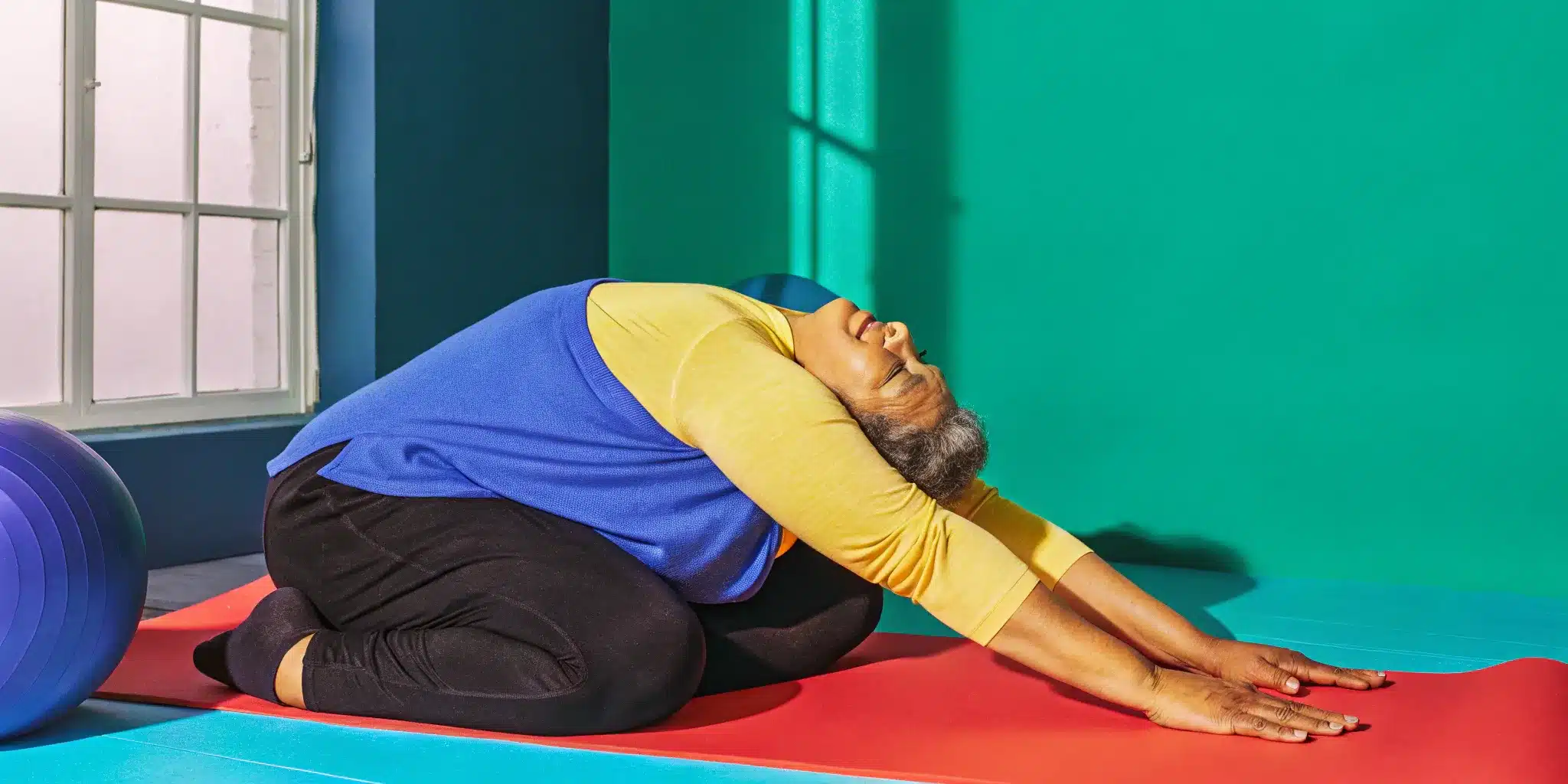
What does freedom of movement truly mean to you? Maybe it’s being able to get on the floor to play with your grandkids, enjoy a long walk without paying for it later, or simply carry your groceries without a twinge in your back. When our joints are stiff and our muscles are tight, our world can start to feel a little smaller. We begin to say “no” to activities we once loved. Improving your mobility is a direct investment in keeping your world wide open. Learning a few simple mobility exercises for over 50 isn’t just about physical health; it’s about preserving your independence and protecting your quality of life for years to come.
Key Takeaways
- Small daily efforts create big changes: A consistent 15-minute routine is more effective for long-term joint health and pain relief than occasional, intense workouts.
- Better movement means a better quality of life: Improving your mobility is the key to maintaining balance, reducing aches, and preserving the energy and independence needed to do what you love.
- You can start safely right where you are: It’s never too late to improve how you move. Begin with gentle, low-impact exercises and always listen to your body, choosing pain-free movements to build strength and confidence.
Why Mobility Exercises Matter After 50
As we get older, the way our bodies move can change. You might notice a new stiffness when you get out of bed or a little hesitation before kneeling in the garden. These are signs your mobility—your body’s ability to move freely—is shifting. But here’s the good news: you have more control over this than you might think. Focusing on mobility isn’t about becoming a gymnast; it’s about maintaining your independence and continuing to do the things you love with confidence and without pain.
How Aging Affects Your Mobility
Mobility is what allows you to perform everyday tasks with ease—think reaching for a jar on the top shelf or getting up from a low chair. As we age, joints can become stiffer and muscles can lose some power, making these simple movements feel more challenging. While some changes are a natural part of getting older, a significant loss of mobility isn’t a given. It’s a “use it or lose it” situation. By intentionally working on your functional mobility, you can preserve your ability to move well for years to come.
Mobility vs. Flexibility: What’s the Difference?
People often use “mobility” and “flexibility” interchangeably, but they’re quite different. Flexibility is how far a muscle can lengthen or a joint can move passively—like holding a static stretch. Mobility, on the other hand, is your ability to actively use that range of motion. It combines your flexibility with strength, balance, and coordination. For example, flexibility is being able to lift your leg high, but mobility is being able to kick a ball or step over an obstacle with control. True freedom of movement requires both.
Busting Myths About Starting Later in Life
One of the biggest myths is that it’s too late to improve your physical abilities after a certain age. That’s simply not true. You can absolutely improve your strength, balance, and range of motion at any stage of life. The goal isn’t just about adding years to your life, but adding life to your years. It’s about extending your “health span“—the period where you feel healthy, active, and capable. Starting a mobility routine now is a powerful step toward maintaining your independence and enjoying a vibrant future.
Common Mobility Challenges After 50
If you’ve noticed that your body doesn’t move quite like it used to, you’re not alone. As we get older, our bodies naturally change, and it’s common to face new challenges with movement. You might feel a little stiffer in the morning or find that activities you once did without a second thought now require more effort. These aren’t just random aches and pains; they’re often signs that your mobility is changing.
Mobility is your ability to move your body freely and easily through its full range of motion. When it’s compromised, it can set off a chain reaction. For example, if one part of your body can’t move well, other parts will try to compensate, which can lead to strain, pain, or even injury over time. This can make it harder to stay active, creating a cycle of stiffness and inactivity. The goal isn’t just to live longer, but to extend your “health span”—the years you spend feeling healthy, active, and capable. Understanding the specific hurdles you might face is the first step toward creating a routine that keeps you moving well for years to come.
Stiff Joints and Limited Movement
Does getting out of bed or up from a comfortable chair feel a bit more challenging these days? That feeling of stiffness is one of the most common mobility complaints after 50. Over time, the cartilage in our joints can wear down and the amount of lubricating fluid can decrease, leading to less flexibility.
This isn’t just about discomfort. It directly impacts your daily life. Stiff shoulders can make it hard to reach for something on a high shelf, while tight hips can make tying your shoes a struggle. When your joints can’t move through their full, intended range, simple tasks become more difficult and your overall movement becomes more restricted.
Challenges with Balance and Coordination
Feeling steady on your feet is something we often take for granted until it becomes a concern. Your sense of balance is a complex system that relies on your brain, inner ear, eyes, and—crucially—your muscles and joints working together. As we age, natural changes in muscle strength and joint flexibility can disrupt this communication.
When your mobility is limited, your body’s ability to react quickly and maintain its center of gravity is reduced. If your ankles are stiff or your hips are tight, your body has to work much harder to stay upright, especially on uneven surfaces. This can make you feel less confident in your movements and increases the risk factors for injuries from falls. Improving your mobility is a direct way to support better balance and coordination.
How Muscle Weakness Limits Daily Life
It’s a fact of life that we tend to lose muscle mass as we get older. This gradual process, known as age-related sarcopenia, can make everyday activities feel much more demanding. You might notice that carrying a full laundry basket feels heavier, climbing a flight of stairs leaves you winded, or getting up off the floor requires more of a push.
This isn’t just about being able to lift heavy things; it’s about having the strength and stamina for an independent, active life. Weakness in key muscle groups, like your core and legs, can make it harder to maintain good posture, walk with confidence, and participate in the hobbies you love. Building and maintaining strength is fundamental to preserving your mobility and your quality of life.
The Real-World Benefits of Better Mobility
Improving your mobility isn’t just about touching your toes or reaching the top shelf. It’s about enhancing your quality of life in ways you’ll feel every single day. When your body moves more freely, daily tasks become easier, your energy levels go up, and you can continue doing the activities you love without pain or hesitation. Think of it as investing in your future self—a small, consistent effort that pays off with greater freedom, confidence, and comfort in your own skin. Let’s look at some of the concrete ways that better mobility can change your life.
Better Balance and Fewer Falls
As we get older, maintaining balance becomes more important than ever. Good mobility in your hips, ankles, and spine is the foundation of stability. When these joints can move through their full range of motion, your body can react more quickly and effectively to shifts in your center of gravity, whether you’re walking on an uneven sidewalk or catching yourself from a stumble. This is the core of functional mobility—the ability to move with ease and confidence through daily life. Simple activities like getting up from a chair, kneeling in the garden, or playing with your grandkids become safer and more enjoyable when you feel steady on your feet.
Healthier Joints and Less Pain
If you’re living with stiff, achy joints, it’s easy to think that moving less is the answer. But often, the opposite is true. Gentle, controlled movement is one of the best things you can do for joint health. Mobility exercises help lubricate your joints with synovial fluid, which acts like oil to reduce friction and wear. This process can significantly decrease pain and stiffness over time. By moving your joints through their intended range, you’re not only easing current discomfort but also helping to prevent future issues, allowing you to move with greater comfort and less pain.
More Energy and Greater Independence
When every movement is a struggle, it’s natural to feel drained. Chronic stiffness and pain can deplete your energy reserves, making you feel tired before the day has even really begun. By improving your mobility, you make movement more efficient. Your body doesn’t have to work as hard to perform simple tasks, which frees up a surprising amount of physical and mental energy. This newfound energy supports your independence, giving you the stamina to run errands, engage in hobbies, and handle unexpected moments, like quickly reaching for something you’ve dropped. Consistent daily mobility drills can make a world of difference.
A Clearer Mind and Less Stress
The connection between your body and mind is powerful. The focused, gentle nature of mobility work can be incredibly calming for the nervous system. Taking just a few minutes to tune in to your body and breathe through stretches can lower stress levels and quiet a busy mind. Starting your day with a simple morning routine can set a positive tone, helping you feel more centered and prepared for whatever comes your way. This mindful movement is a form of self-care that not only benefits your physical health but also provides a much-needed mental reset, leaving you feeling more relaxed and clear-headed.
How Often Should You Practice Mobility?
When it comes to improving your mobility, the most important word to remember is consistency. You don’t need to spend hours in the gym to feel a significant change in how your body moves and feels. In fact, the opposite is often true. Small, consistent efforts add up to big results over time, helping you build a sustainable habit that supports your joints, eases pain, and keeps you active. The goal is to make movement a natural part of your day, not another chore on your to-do list. Let’s figure out a rhythm that works for you.
Daily Habits vs. Formal Workouts
It’s easy to think that exercise has to be an intense, hour-long session to be effective, but that’s simply not the case with mobility. For long-term joint health and graceful aging, short, regular movement is often more beneficial than long, strenuous workouts that leave you feeling sore and exhausted. Think of mobility work less like a formal workout and more like a daily habit, similar to brushing your teeth. You can sprinkle simple stretches and movements throughout your day—while your coffee brews, during a commercial break, or before you get into bed. This approach makes it feel less intimidating and much easier to stick with.
How to Find Your Perfect Routine
So, what’s the magic number? While there’s no one-size-fits-all answer, a great starting point is to aim for 15 to 20 minutes of dedicated mobility work each day. If that sounds like too much right now, start with just five minutes. The most effective routine is the one you’ll actually do. A simple daily routine can make a huge difference in how you feel. You can focus on your whole body or target specific areas that feel particularly stiff, like your hips or shoulders. The key is to listen to your body and find a routine that feels good, energizes you, and fits seamlessly into your life.
When to Expect to Feel a Difference
While mobility isn’t an overnight fix, you’ll likely notice some benefits right away. Moving your body first thing in the morning can help shake off stiffness and make you feel more limber all day long. After a few weeks of consistent practice, you might notice that bending down to tie your shoes feels easier, reaching for something on a high shelf is less of a strain, or you have less achiness after a walk. The most significant changes, like improved balance and a lasting reduction in chronic pain, come with steady, long-term effort. Remember, consistency is what truly creates lasting change.
Simple Upper Body Exercises for Better Mobility
So much of our day involves our upper body—reaching for something on a high shelf, turning to look behind us while driving, or even just giving a good hug. When your shoulders, neck, and back are stiff, these simple actions can feel like a chore. The good news is that a few simple exercises can make a world of difference, helping you move more freely and with less discomfort. Let’s get into some gentle movements that target these key areas.
Free Up Your Shoulders and Neck
Years of sitting at a desk, driving, or even just carrying stress can leave our shoulders hunched up by our ears and our necks feeling tight. To counteract this, we need to focus on active movements that take our joints through their full range of motion. Simple chair-based exercises are a fantastic, low-impact way to start. Try gently tilting your ear toward your shoulder, holding for a few seconds, and repeating on the other side. You can also do slow, controlled shoulder rolls—lifting them up toward your ears, rolling them back, and then down. These movements help improve mobility and flexibility, easing that all-too-common tension.
Improve Your Posture and Spine Health
Good posture isn’t just about looking confident; it’s essential for a healthy, pain-free spine. When we slouch, we put extra strain on our back muscles and limit our ability to move well. To improve your posture, focus on dynamic movements that encourage spinal flexibility and strengthen the muscles that support you. A great one to try is a seated cat-cow. Sit on the edge of a chair, and as you inhale, arch your back and look up. As you exhale, round your spine and tuck your chin. These functional movements mimic natural patterns and help maintain proper joint alignment, keeping your spine happy.
Simple Lower Body Exercises That Work
Getting up from your favorite armchair, bending down to tie your shoes, or enjoying a leisurely walk—all these daily activities depend on healthy, mobile hips, knees, and ankles. Your lower body is your foundation, and when it’s stiff or weak, it can feel like your world shrinks a little. The good news is that you can reclaim that freedom of movement with simple, gentle exercises that don’t require a gym membership or fancy equipment. These movements are all about restoring the natural glide and flow to your joints, helping you feel less like you’re fighting against your own body.
Think of these movements less as a workout and more as daily maintenance. By focusing on your lower half, you’re not just addressing aches and pains; you’re also improving your balance, which is crucial for preventing falls and staying independent. These exercises are designed to be safe, effective, and easy to incorporate into your routine, helping you move with more confidence and less discomfort. A few minutes each day can make a world of difference in how you feel, allowing you to continue doing the things you love with ease and grace.
Loosen Your Hips with Gentle Movements
If you spend a good portion of your day sitting—whether at a desk, in the car, or on the couch—you’re likely familiar with tight hips. This common issue can lead to lower back pain, stiffness, and a limited ability to move freely. The key is to gently reintroduce movement to the muscles around your hip joints. Simple exercises like standing hip circles (imagine drawing a circle in the air with your knee) and gentle leg swings forward and back can work wonders. These movements help maintain the range of motion you need for walking, climbing stairs, and getting in and out of chairs, ultimately improving strength and reducing pain.
Support Your Knees and Ankles
Your knees and ankles are your body’s shock absorbers, and keeping the muscles around them strong is essential for stability and preventing injury. You don’t need high-impact exercises to do this; in fact, low-impact movements are often more effective and safer. Activities like calf raises while holding onto a counter, ankle circles, and even modified forms of chair yoga can improve strength, balance, and flexibility without putting stress on your joints. A simple daily routine can make a huge difference. Consistently performing these exercises helps you maintain functional movement, making it easier to navigate uneven surfaces and stand for longer periods with confidence and stability.
How to Start Your Mobility Routine Safely
Starting a new routine can feel intimidating, especially if you’re managing chronic pain. The key is to begin slowly and thoughtfully, making safety your top priority. The goal isn’t to push through pain but to gently expand your range of motion over time. By listening to your body and choosing the right movements, you can create an effective routine that helps you feel your best without risking injury. Here’s how to get started on the right foot.
Working Around Injuries and Limitations
It’s normal to feel hesitant about movement if you’re dealing with an old injury or a chronic condition. Many people hold common misconceptions about exercise, believing they’re too frail to start. The truth is, gentle movement is often what your body needs. The secret is to modify exercises to fit your abilities. Start with light, low-impact activities like seated stretches that improve flexibility and circulation without stressing your joints. If a movement causes sharp pain, stop. The idea is to work with your body, not against it.
Try These Chair and Water-Based Options
If standing exercises feel like too much, don’t worry. You have fantastic options that provide support while you build strength. Chair yoga, for example, is a wonderful low-impact form of exercise that improves muscle tone, balance, and flexibility from a seated position. Water-based activities like water aerobics or walking in a pool are also excellent. The buoyancy of the water supports your body weight, taking pressure off your joints while providing gentle resistance. These options allow you to move more freely and confidently as you begin your mobility journey.
Listen to Your Body: When to Adjust Your Routine
Your body is your best guide, so learning to listen to its signals is crucial. There’s a big difference between the gentle pull of a good stretch and sharp pain. Mild muscle soreness after a new activity is normal, but pain is a sign to stop and reassess. As we get older, our bodies change, and the risk factors for injuries can increase. If an exercise consistently causes discomfort, try a different variation or focus on another area for a while. Consistency is more important than intensity. Small, pain-free movements done regularly will lead to better results than pushing too hard.
Your First Few Weeks: What to Expect
Starting a new mobility routine is exciting, but it’s also common to wonder what the first few weeks will look like. You might not feel a dramatic change overnight, and that’s perfectly okay. The goal in the beginning isn’t perfection; it’s about showing up for yourself, learning how your body responds, and building a foundation for long-term health. Be patient, listen to your body, and celebrate the small victories along the way. This initial phase is all about creating a sustainable habit that you can stick with for years to come.
How to Stay Motivated and Consistent
When you’re just starting, consistency is your superpower—not intensity. Forget about long, grueling workouts. Instead, aim for small, achievable goals that feel good. Maybe that’s a 15-minute stretching routine every morning or a 20-minute walk after dinner. The key is to choose an activity you can do almost every day without feeling overwhelmed. By focusing on consistency with very light activity, you build momentum and create a positive feedback loop. Each day you complete your small goal, you’re proving to yourself that you can do it, which makes it easier to show up again tomorrow.
When to Seek Help from a Professional
It’s completely normal to feel a little hesitant, especially if you’re worried you’re too old or frail to start exercising. Many people share these concerns, sometimes due to a perceived risk of injury or simply not knowing where to begin. If these thoughts are holding you back, or if you’re dealing with chronic pain, working with a professional is a fantastic way to get started safely. A certified stretching practitioner or physical therapist can create a personalized plan that respects your body’s limits while helping you build strength and confidence. They provide the guidance and support you need to move past those initial fears and start feeling better.
Create Your 15-Minute Daily Mobility Habit
The idea of adding a new routine to your day can feel like a big commitment, but it doesn’t have to be. You can make a significant impact on how you feel with just 15 minutes of focused movement each day. The secret isn’t a grueling, hour-long workout; it’s finding a small window of time that works for you and sticking with it. Consistency is what creates lasting change, helping you build a foundation for better mobility, less pain, and greater freedom in your daily life.
Should You Stretch in the Morning or Evening?
This is one of the most common questions, and the honest answer is: the best time to stretch is whenever you’ll actually do it. Both morning and evening have their own unique benefits. Moving your body first thing in the morning can help shake off stiffness from sleep, increase your energy, and set a positive tone for the rest of the day. On the other hand, a gentle mobility session in the evening can be a wonderful way to release tension from the day, calm your nervous system, and prepare your body for a restful night’s sleep. I suggest you try both and see what feels best for your body and fits most easily into your schedule.
How to Build a Habit That Sticks
A simple daily routine can make a huge difference, and the key is consistency. To make your new mobility habit stick, start with small, achievable goals. Committing to just 15 minutes a day is far more sustainable than trying to block out an hour. You can also try linking your new routine to something you already do every day, a technique known as habit stacking. For example, you could do your exercises right after you brush your teeth or while your morning coffee is brewing. The goal isn’t perfection; it’s participation. Focus on showing up for yourself each day, and you’ll soon find that your new habit becomes a natural and enjoyable part of your life.
Related Articles
- How to Improve Mobility After 60: A Complete Guide – STRETCHMED
- 5 Key Hip Mobility Benefits for a Better Life – STRETCHMED
- Mobility Exercises for Beginners: A Simple Guide – STRETCHMED
Frequently Asked Questions
I have stiff joints and some chronic pain. Is it actually safe for me to start these exercises? This is such an important question, and it’s completely normal to feel cautious. The key is to start gently and work with your body, not against it. The goal of mobility work is to ease discomfort, not create it. Begin with simple, supported movements, like those you can do while seated in a chair. If you feel any sharp or concerning pain, that’s your body’s signal to stop. Gentle, consistent movement is often one of the best things for achy joints, but always listen to your body first.
What’s the real difference between just stretching and doing mobility exercises? Think of it this way: stretching is about lengthening a muscle, like when you hold a hamstring stretch. It’s a passive activity. Mobility is about your ability to actively and smoothly move a joint through its entire range of motion. It combines flexibility with strength and control. So while stretching helps you gain flexibility, mobility exercises train your body to actually use that flexibility in everyday life, like squatting down to pick something up with ease.
How soon can I realistically expect to feel less stiff and more mobile? While you won’t become a new person overnight, you’ll likely feel some immediate benefits, like less stiffness right after you finish a short routine. Within a few weeks of consistent practice, you might notice that daily tasks like tying your shoes or reaching into a high cabinet feel noticeably easier. The most significant, lasting changes—like better balance and a real reduction in chronic aches—come from making this a long-term habit.
Do I need any special equipment to get started? Not at all. One of the best things about mobility work is that you can do it anywhere with just your own body. The most important tool you have is your ability to pay attention to how you feel. A sturdy chair can be helpful for seated exercises or for balance support, but you don’t need to buy any fancy bands, weights, or gear to build an effective and beneficial routine.
What if I feel some pain while I’m doing a movement? It’s crucial to learn the difference between the feeling of a gentle stretch and actual pain. A stretch might feel like a mild pulling sensation, and that’s okay. However, if you feel any sharp, pinching, or jarring pain, you should stop immediately. Pain is your body’s way of telling you to back off. Try a smaller range of motion or a different exercise altogether. The motto here is “challenge, don’t strain.”