That persistent lower back pain you’re feeling might not be about your back at all. Often, the real culprit is a lack of mobility in your hips. When your hips are stiff, your body has to find another way to move, and the lower back often takes the hit, rounding and straining to pick up the slack. This compensation pattern can lead to chronic pain and injuries that seem to have no clear cause. Recognizing the profound hip mobility benefits for women means looking beyond the site of the pain to address the root of the problem. By freeing your hips, you can relieve strain on overworked muscles and joints, creating a foundation for pain-free movement.
Key Takeaways
- Address the Source, Not Just the Symptom: Persistent lower back and knee pain often stem from tight hips. Focusing on improving your hip mobility can provide lasting relief by tackling the root cause of your discomfort.
- Combine Flexibility with Strength for Real Results: Lasting mobility isn’t just about stretching. You also need to build strength in the surrounding muscles to support and control your joints, creating a stable foundation for pain-free movement.
- Consistency Beats Intensity Every Time: You don’t need long, complicated workouts to feel better. Weaving short, simple hip exercises into your daily routine is the most effective way to create a sustainable habit and achieve significant, long-term improvements.
Why Hip Mobility Matters for Women
Think of all the ways you move throughout the day—walking, climbing stairs, bending down to pick something up, or even just sitting and standing. Your hips are involved in nearly every one of those actions. When they’re mobile and healthy, your entire body functions better. For women, understanding the role of our hips is especially important for maintaining an active, pain-free life, from managing daily tasks to supporting our bodies through different life stages.
Your Hips: The Center of Your Movement
Your hips are the critical link between your upper and lower body, acting as the central hub for movement. Every step you take and every time you twist or bend, your hips are working to provide stability and power. When this area is flexible and strong, movement feels effortless. Good hip mobility helps you perform better, lowers your risk of injuries, and keeps your body in line. This alignment is key to reducing strain on your back and knees. Ultimately, when your hips move well, daily activities become easier, and you can live more comfortably in your own body.
The Unique Hip Mobility Challenges Women Face
Our bodies are unique, and so are some of the challenges we face with mobility. While women’s bodies are often naturally more flexible in the pelvic region, modern life can easily counteract that advantage. Many of us spend a significant part of the day sitting—at a desk, in the car, or on the couch. This prolonged sitting can cause the muscles at the front of your hips (the hip flexors) to shorten and tighten, while your glutes can become weak. This common imbalance is a major reason for stiff, inflexible hips and the discomfort that comes with them.
How Poor Hip Mobility Shows Up in Your Daily Life
Have you ever stood up from your desk and felt a deep, nagging ache in your lower back? Or maybe you’ve noticed that bending down to tie your shoes feels more like a chore than it used to. It’s easy to brush these moments off as just part of getting older or signs of a long day, but they’re often your body’s way of telling you something specific: your hips are tight.
Limited hip mobility doesn’t just stay in your hips. Because your hips are the central pivot point for your body, when they can’t move freely, other areas are forced to compensate. This creates a chain reaction of strain and discomfort that can ripple through your back, knees, and even your posture. Many of us spend hours a day sitting—at a desk, in the car, or on the couch—which shortens the muscles at the front of our hips and weakens the glutes. This combination is a perfect recipe for stiffness. Recognizing the subtle (and not-so-subtle) ways poor hip mobility affects your daily routine is the first step toward finding relief and moving with ease again.
Telltale Signs of Tight Hips
The signs of tight hips often creep into your daily movements without you even realizing it. You might feel a pinch in your groin when you squat down or notice you can’t sit cross-legged on the floor as comfortably as you once could. When your hips get stiff, it can become difficult to walk and do everyday things, turning simple actions like getting out of the car or climbing stairs into a stiff, uncomfortable process. This happens because the complex group of muscles surrounding your hip joint isn’t moving through its full range of motion. Even if just one of these muscles is tight, it can restrict the entire joint, making you feel locked up.
The Link Between Hip Stiffness and Chronic Pain
That persistent lower back pain you’re feeling might actually be starting in your hips. When your hips lack mobility, your body has to find another way to move, and the lower back often takes the hit. For example, when you bend over to lift something, you should be hinging at your hips. But if your hips are too stiff, you’ll likely round your lower back instead, putting immense strain on your spine. Over time, this compensation pattern can lead to chronic pain and injuries. A lack of mobility in the hips forces a strain on other parts of the body, creating a cycle of discomfort that can be hard to break without addressing the root cause.
Reduce Pain and Discomfort with Better Hip Mobility
Think of your hips as the central station for your body’s movement. When they’re open and moving freely, everything connected to them—your back, knees, and core—functions better. But when they’re tight and restricted, that tension doesn’t just stay in your hips. It creates a chain reaction of compensation, forcing other parts of your body to pick up the slack. This is often the hidden source of that nagging lower backache or the mysterious knee pain that won’t go away.
Improving your hip mobility is one of the most effective ways to address chronic pain and discomfort throughout your lower body. By focusing on this one area, you can relieve strain on overworked muscles and joints, creating a foundation for pain-free movement. It’s not about forcing yourself into a split; it’s about restoring your body’s natural range of motion so you can walk, bend, and move with ease. Let’s look at how freeing your hips can directly impact some of the most common areas of pain for women.
Ease Lower Back Pain by Freeing Your Hips
If you’re constantly dealing with a sore lower back, your hips might be the real culprit. Your hips and lower back are partners in almost every move you make, from bending over to pick something up to simply walking. When your hips are stiff, they can’t move through their full range of motion. As a result, your lower back has to overcompensate by rounding and twisting more than it should.
This extra workload puts a huge amount of strain on the muscles and vertebrae in your lumbar spine. Improving hip mobility can help prevent lower back pain by allowing your hips to do their intended job. When your hips can move freely, your lower back can remain stable and supported, finally getting the break it deserves.
Protect Your Knees and Improve Joint Health
The connection between your hips and knees is all about alignment. Your hip muscles control the position of your thigh bone, which connects directly to your knee joint. If your hips are tight or weak, it can cause your thigh bone to rotate inward, making your knee track improperly every time you take a step. This misalignment puts uneven pressure on the knee joint, which can lead to irritation, inflammation, and chronic pain over time.
Good hip mobility helps ensure your entire leg stays properly aligned from the hip down to the ankle. This distributes force evenly across the knee joint, protecting the cartilage and ligaments from unnecessary wear and tear. By keeping your hips mobile, you’re not just helping your hips—you’re creating a more stable and supportive structure for your knees, which is key for long-term joint health.
Support Your Pelvic Floor and Menstrual Health
For women, the relationship between hip mobility and pelvic health is incredibly important. The muscles of your hips, particularly your deep hip rotators and inner thigh muscles, are intricately connected to your pelvic floor. When your hips are chronically tight, that tension can extend to the pelvic floor muscles, contributing to issues like pelvic pain, discomfort during intercourse, and even bladder urgency.
Gently working on your hip mobility can help release this deep-seated tension. Stretches that open the hips create space and encourage relaxation in the entire pelvic region. This can be especially beneficial for easing menstrual cramps, as tight hip flexors can pull on the pelvis and intensify discomfort. Integrating hip mobility exercises into your routine is a simple way to support your overall fitness and foster a healthier, more balanced pelvic floor.
Transform Your Athletic Performance
Whether you’re a dedicated marathon runner, a weekend warrior, or someone who just loves a good yoga class, your athletic performance hinges on the health of your hips. Think of your hips as the powerhouse of your body; they connect your upper and lower halves and are central to almost every move you make. When they’re tight and restricted, your body has to work overtime, borrowing mobility from other areas like your lower back and knees. This not only holds you back from reaching your full potential but also sets the stage for pain and injury.
Improving your hip mobility is one of the most effective ways to get stronger, faster, and more agile. With a greater range of motion, you can sink deeper into a squat, lengthen your running stride, and pivot with more control. It’s not about becoming a contortionist; it’s about allowing your body to move the way it was designed to. By focusing on your hips, you create a solid foundation for every other movement, making your workouts more effective and, frankly, more enjoyable. You’ll feel more connected to your body and more confident in its ability to perform.
Generate More Power and Move Efficiently
Power in sports comes from the ability to transfer force through your body, and that transfer starts at your hips. When your hips are mobile, you can generate more force from your glutes and legs, which translates to higher jumps, faster sprints, and stronger lifts. Good hip mobility helps you move more smoothly and efficiently, allowing you to change direction with greater ease and agility. Instead of fighting against your own body’s stiffness, you’ll find a new sense of fluidity in your movements. This efficiency means you use less energy for the same output, helping you conserve stamina and perform at your best for longer.
Improve Your Balance and Stability
Your hips are the anchor for your core, and their mobility is directly linked to your overall stability. When your hip joints can move freely through their full range of motion, the surrounding muscles can properly engage to keep you steady and balanced. This is crucial for single-leg movements like lunges or pistol squats, and it’s what keeps you from wobbling in a tree pose. Better hip function makes every movement feel more controlled and grounded, from lifting a heavy weight off the floor to simply walking across an uneven surface. This stability is your first line of defense against falls and stumbles, both in the gym and in daily life.
Prevent Injuries in High-Impact Activities
One of the biggest benefits of mobile hips is injury prevention. When your hips are tight, your body is forced to find that range of motion elsewhere, usually from the lower back or knees—areas not designed for that kind of stress. This compensation is a leading cause of nagging lower back pain and injuries. For example, stiff hips can cause your lower back to round during a deadlift or your knees to cave inward during a squat, putting joints at risk. By improving your hip mobility, you allow the right muscles and joints to do their jobs, significantly reducing your risk of strain, especially during high-impact activities like running and jumping.
How Hip Mobility Affects Your Overall Wellness
Healthy hips do more than just help you walk without pain; they are fundamental to your body’s overall function and well-being. Think of your hips as the central station for movement. When they are open and mobile, the positive effects ripple through your entire body, influencing everything from your posture to how you handle different life stages. Improving your hip mobility isn’t just about feeling better in your workouts—it’s about enhancing your quality of life every single day. From standing up straighter to navigating pregnancy and aging with more grace and strength, your hips play a starring role. Let’s look at how investing in your hip health can create a foundation for lasting wellness.
Straighten Your Spine and Improve Posture
If you find yourself slouching or dealing with a nagging ache in your lower back, your hips might be the source of the problem. Your pelvis connects your spine to your lower body, and when your hips are tight, they can pull your pelvis out of its neutral position. This creates a chain reaction that affects your entire spinal alignment. Strong and mobile hips provide the stable base your body needs to maintain proper posture and prevent muscular imbalances. By releasing tension in your hips, you allow your pelvis to sit correctly, which helps your spine stack up naturally, reducing strain on your back and helping you stand taller and more confidently.
Aid Pregnancy and Postpartum Recovery
Pregnancy and the postpartum period bring incredible changes to your body, and hip mobility can be a huge asset during this time. Throughout pregnancy, flexible hips can help you adapt to your changing center of gravity, easing discomfort and preparing your body for labor. After birth, the demands of caring for a newborn—lifting, carrying, and constant bending—can put a lot of strain on your body. Gentle hip mobility exercises can help realign your pelvis, relieve lower back tension, and make everyday movements feel more comfortable. For everyone, including new moms, better hip mobility makes tasks like squatting to pick up a toy or sitting on the floor with your baby much easier.
Manage Age-Related Stiffness and Support Bone Health
Many of us assume that stiffness and achy joints are an unavoidable part of getting older, but that doesn’t have to be your story. When your hips get stiff, it can make walking and other daily activities difficult and even painful. The great news is that you can always start doing exercises to keep your hips moving well. Consistently working on hip mobility helps keep your joints lubricated and healthy. Furthermore, integrating hip mobility into your routine supports your overall fitness by making movement easier, which in turn can help improve your bone density as you age. It’s a proactive way to maintain your independence and vitality for years to come.
Exercises to Improve Your Hip Mobility
Ready to get those hips moving more freely? The great news is that you don’t need a complicated gym routine to see real improvement. By incorporating a few targeted movements into your day, you can gently increase your range of motion, build strength, and reduce discomfort. The key is to combine different types of exercises: dynamic stretches to warm up, static stretches to lengthen muscles, and strengthening moves to create stability. Let’s walk through a few simple exercises you can try at home.
Dynamic Stretches to Warm Up Your Body
Think of dynamic stretches as a way to wake up your hips and prepare them for movement. Instead of holding a position, you’ll be moving through a range of motion. This sends blood flow to your muscles and tells your joints it’s time to get to work. A great one to start with is the Tabletop Hip Circle. Get on your hands and knees with a flat back. Keeping your core steady, lift one knee off the floor and gently make five slow circles in one direction, then five in the other. You’ll feel your hip joint gently rotating. Switch legs and repeat. These active warm-up movements are perfect before a walk, a workout, or just to start your day.
Static Stretches for a Deeper Release
After your muscles are warm, static stretching is your go-to for a deeper release. This is where you hold a stretch for a period of time, allowing your muscles to relax and lengthen. You can significantly enhance hip flexibility by spending just five minutes a day on this. A classic and effective move is the Figure Four Stretch. Lie on your back with your knees bent and feet flat on the floor. Cross your right ankle over your left thigh, just above the knee. Then, reach through your legs to gently pull your left thigh toward your chest until you feel a stretch in your right glute and hip. Hold for 45-60 seconds, breathing deeply, and then switch sides.
Strengthening Moves for Better Hip Stability
Mobility isn’t just about flexibility; it’s also about having the strength to support and control your joints. When the muscles around your hips are weak, other areas—like your lower back—often have to overcompensate, which can lead to pain and injury. Strong hips provide a stable foundation for almost every move you make. Simple exercises like glute bridges and clamshells help activate and strengthen the muscles that support your pelvis and thigh bones. Building this stability is crucial for preventing lower back pain and protecting your joints, ensuring your hips can move freely and without strain for years to come.
Fit Hip Mobility Into Your Daily Routine
Finding time for a new routine can feel like a challenge, but you don’t need to block out an hour every day to see results. The secret to lasting change is weaving small, consistent movements into the schedule you already have. By adding just a few minutes of focused stretching to your morning, workday, and evening, you can gently and effectively improve your hip mobility and reduce discomfort. Think of it as creating small pockets of relief throughout your day that add up to a big difference in how you feel. This approach makes the goal of moving without pain feel much more achievable.
Instead of viewing hip mobility as another item on your to-do list, consider it a series of small acts of kindness for your body. These moments don’t require workout clothes or a trip to the gym. They can happen in your pajamas, at your office chair, or while you’re winding down for bed. The cumulative effect of these mini-sessions is powerful. They prevent stiffness from setting in, gradually increase your range of motion, and remind your body what it feels like to move freely. By breaking down the process into manageable pieces, you build momentum and create a sustainable habit that supports your long-term well-being and helps you get back to living with less pain.
Simple Morning Stretches to Start Your Day Right
Starting your day with gentle movement can set a positive tone for your body and mind. Before you even get out of bed, you can do a few simple stretches to wake up your hips. Try pulling one knee to your chest at a time, or gently rocking your knees from side to side. Once you’re up, a few standing leg swings (forward-and-back and side-to-side) can do wonders. The goal isn’t an intense workout; it’s about easing your body into the day. Better hip mobility makes everyday tasks like bending down to tie your shoes or squatting to pick something up feel much more comfortable and fluid. Just five minutes can help shake off stiffness and prepare your hips for whatever lies ahead.
Desk-Friendly Moves to Counteract Sitting
If you spend a large part of your day sitting, your hips are likely paying the price. When you’re seated for hours, the muscles in the front of your hips, known as your hip flexors, can become short and tight. At the same time, your glute muscles can weaken from inactivity. This combination is a major cause of reduced hip flexibility. To counteract this, try setting a reminder to get up and move every hour. You can also do discreet stretches at your desk. A seated figure-four stretch (crossing one ankle over the opposite knee and gently leaning forward) is a great option. When you stand up, try a simple standing hip flexor stretch by placing one foot slightly behind you and gently tucking your pelvis. These small movements help break the cycle of stiffness.
Relaxing Evening Routines for Recovery
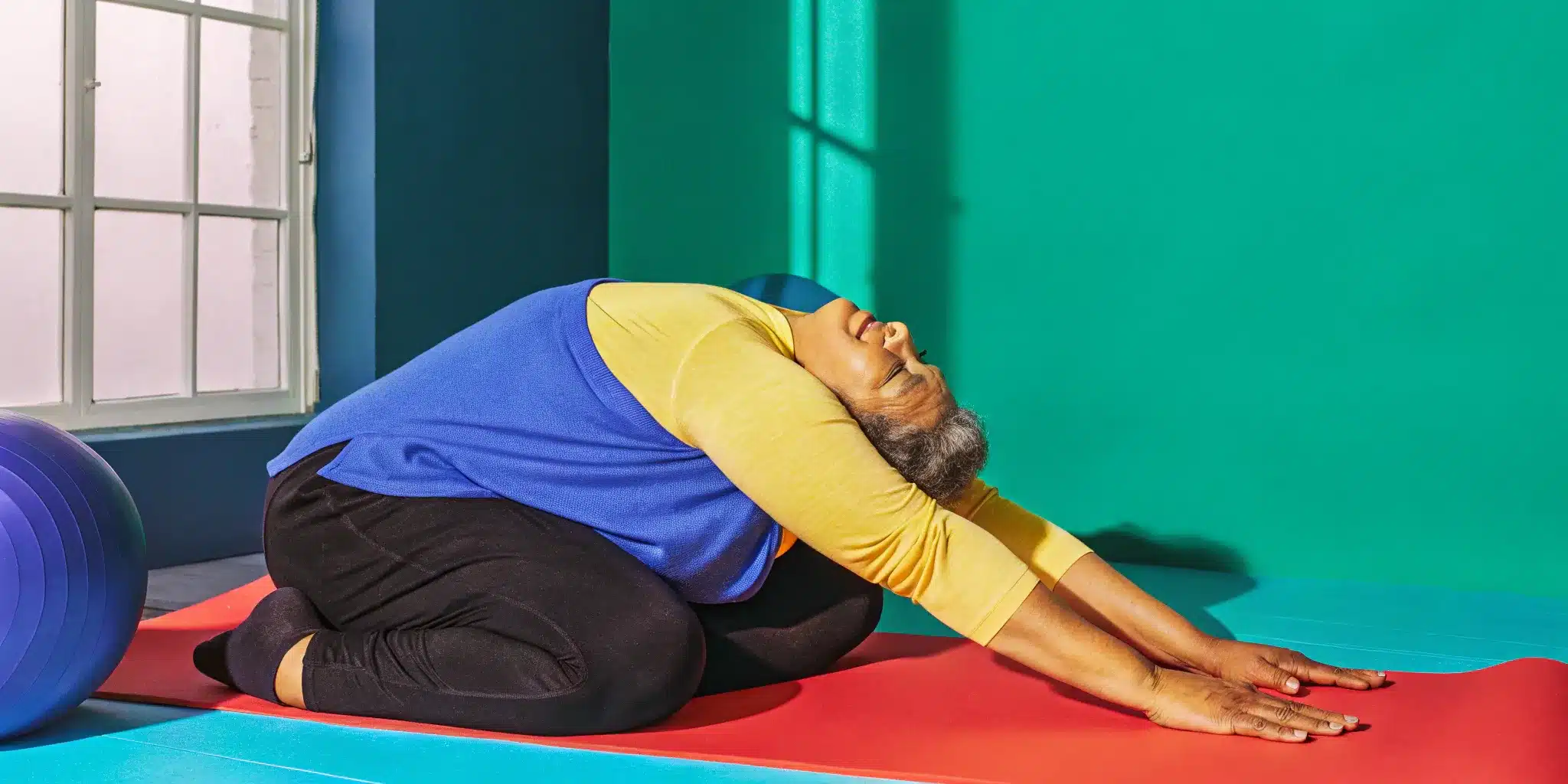
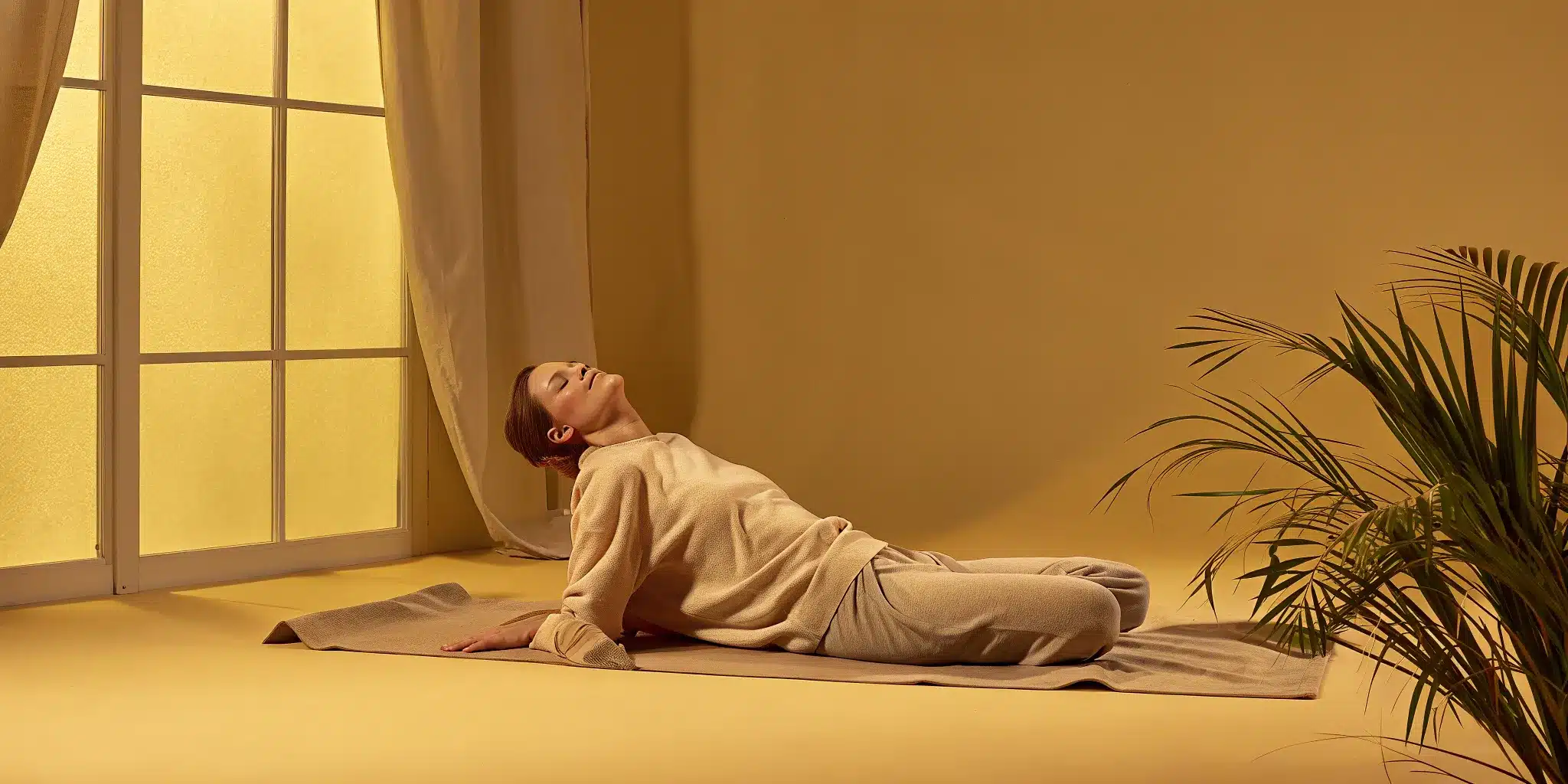
Your evening routine is the perfect time to release the tension your body has accumulated throughout the day. As you wind down, dedicate a few minutes to some deeper, more restorative hip stretches. Poses like a gentle butterfly stretch, a supported pigeon pose using pillows, or a simple child’s pose can help calm your nervous system and loosen tight hips. This is also a great time to check in with your body and notice where you feel tight or restricted. Consistently focusing on mobility in the evening not only helps with recovery but can also lead to a more restful night’s sleep. You’ll wake up feeling less stiff and more prepared for the next day.
When to Get Professional Help for Your Hips
While at-home exercises are a great starting point, sometimes your body needs a more targeted approach. Knowing when to bring in an expert can make all the difference in finding lasting relief and improving your mobility.
Signs It’s Time for Expert Guidance
It’s one thing to feel a little stiff after a long day, but it’s another to live with persistent discomfort. If you have ongoing hip pain or stiffness, it’s time to get an expert opinion to find out what’s really going on. Pay close attention to pain that lingers for more than a few days, feels sharp or shooting, or gets worse with activity. A clicking or popping sound that comes with pain is another red flag. When stiffness starts to interfere with simple things like tying your shoes, bending over, or getting in and out of a car, your body is asking for more support. Listening to these signals is the first step toward moving well for years to come.
How Assisted Stretching Can Help
Once you’re ready for a more focused approach, assisted stretching can be a game-changer. Unlike stretching on your own, a one-on-one session with a trained professional allows you to relax completely while they guide your body through a safe and effective range of motion. This helps you get a deeper, more productive stretch than you could achieve alone. A professional can also isolate specific muscles and ensure you’re combining mobility work for your joints with flexibility work for your muscles. Adding hip mobility exercises to your routine can greatly improve your overall health, and working with an expert ensures you’re doing it correctly and safely. It’s a powerful way to address chronic tightness and restore balance to your body.
Build Hip Mobility Habits That Stick
The secret to unlocking lasting relief and better movement isn’t a single, intense stretching session—it’s consistency. Creating a sustainable routine is what truly makes a difference in how your hips feel day-to-day. The good news is that building these habits doesn’t have to be complicated or time-consuming. It’s about finding small, manageable ways to integrate mobility work into your life so it becomes second nature. By focusing on consistency over intensity, you can gradually release tension, reduce pain, and build a foundation for healthier, happier hips without feeling overwhelmed.
Stay Consistent Without Feeling Overwhelmed
The thought of adding another item to your to-do list can feel like a lot, but improving your hip mobility doesn’t require a huge time commitment. In fact, you can make significant progress in just a few minutes each day. Try to find small pockets of time where you can squeeze in some movement. You could spend five minutes stretching after your workout, during TV commercials, or while your morning coffee brews. Adding hip mobility exercises to your regular routine is one of the best things you can do for your overall health. The goal is to make it an automatic part of your day, just like brushing your teeth.
How to Track Your Progress and Make Adjustments
Patience is key when you’re working on mobility. While you might feel some immediate relief after a good stretch, lasting change takes time. You can typically expect to see noticeable improvements in a few weeks to a couple of months. One of the best ways to track your progress is to simply listen to your body. Try a quick “body scan” before you stretch, mentally checking in on any areas of tightness or discomfort. This practice helps you become more aware of your body’s needs and allows you to adjust your routine accordingly. As you continue, you’ll start to notice that certain movements feel easier and your range of motion has increased.
Related Articles
- 5 Key Hip Mobility Benefits for a Better Life – STRETCHMED
- 12 Best Stretches for Hip Mobility to Move Freely – STRETCHMED
Frequently Asked Questions
How can I tell if my hip pain is from tightness or something more serious? General stiffness, especially after sitting for a while or when you first wake up, is a classic sign of tight hips. However, if you experience sharp, shooting pain, a persistent ache that doesn’t go away with gentle movement, or a clicking sound that is accompanied by pain, it’s a good idea to seek professional guidance. A good rule of thumb is that a stretch should feel like a gentle release, not a strain. If your discomfort gets in the way of your daily activities, it’s time to get it checked out.
How long does it really take to improve hip mobility? While you might feel some immediate relief after a good stretching session, lasting change comes from consistency. Think of it in terms of weeks and months, not days. If you commit to just a few minutes of focused movement each day, you’ll likely start to notice a real difference in your range of motion and a decrease in discomfort within a few weeks. The key is to be patient with your body and focus on creating a sustainable daily habit rather than pushing for a quick fix.
I sit at a desk all day. What’s the most important habit I can start today? The single most effective habit you can build is to simply break up your sitting time. Prolonged, uninterrupted sitting is what really allows stiffness to set in. Try setting a timer to stand up every hour, even for just a minute or two. You can walk to get some water, do a simple standing hip flexor stretch, or just shake out your legs. This small but consistent interruption prevents your hip flexors from staying in a shortened position for too long and makes a huge difference over time.
Can I overdo it with stretching and make my hips feel worse? Absolutely. It’s important to listen to your body and understand the difference between a productive stretch and pain. You should feel a gentle pulling sensation in the muscle you’re targeting, but you should never feel a sharp, pinching, or painful sensation in the joint itself. Pushing too hard or too fast can irritate the muscles and joints, leading to more inflammation and tightness. Always ease into a stretch and remember to breathe. If something hurts, back off immediately.
What’s the difference between hip flexibility and hip mobility? It’s easy to use these terms interchangeably, but they refer to slightly different things. Think of flexibility as your muscles’ ability to lengthen and stretch passively. Mobility, on the other hand, is about your joint’s ability to actively move through its full range of motion with control and stability. You need both for healthy hips, but mobility is the bigger goal. It’s the combination of flexibility and strength that allows you to squat, lunge, and move through life with ease and without pain.