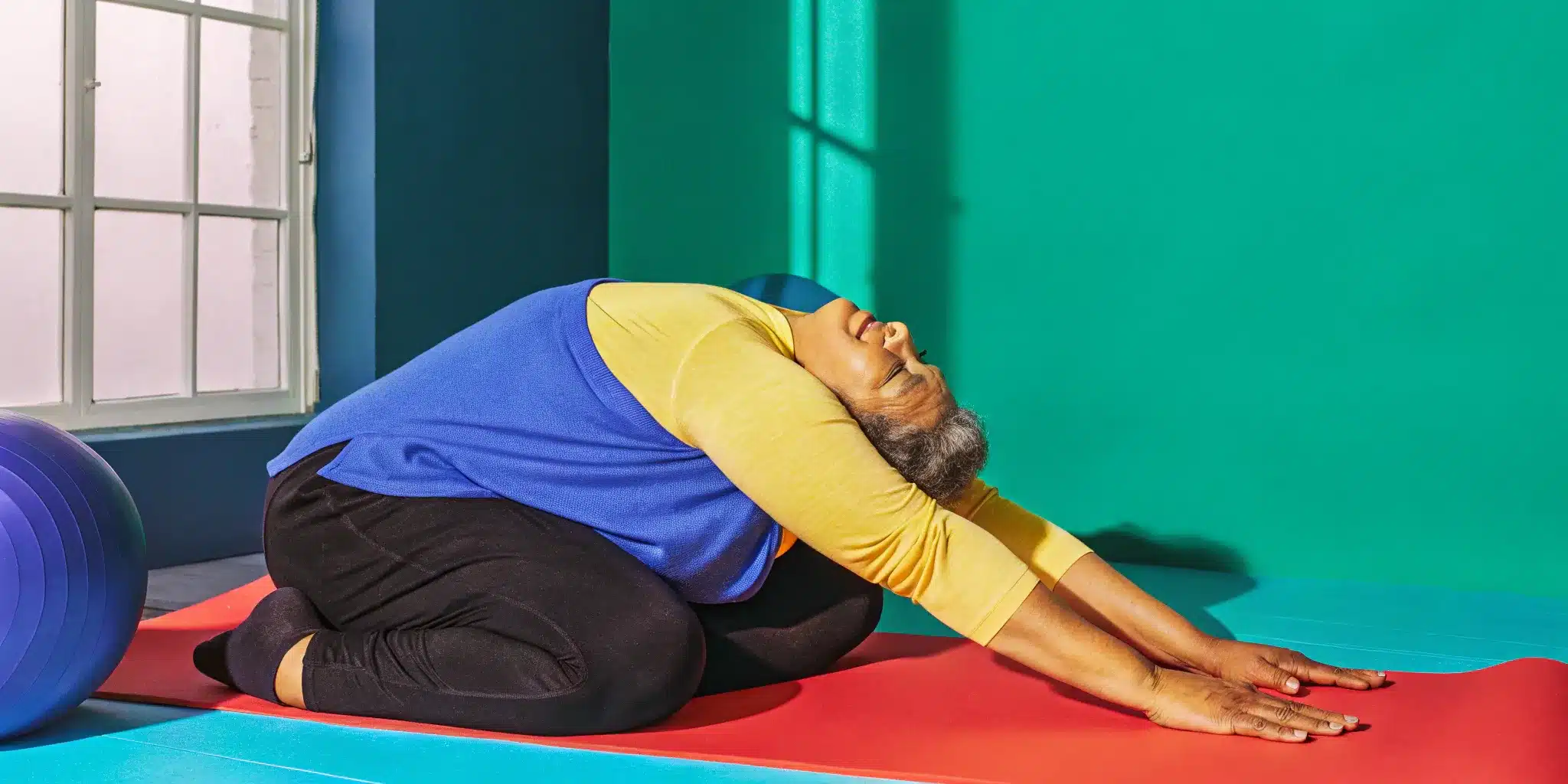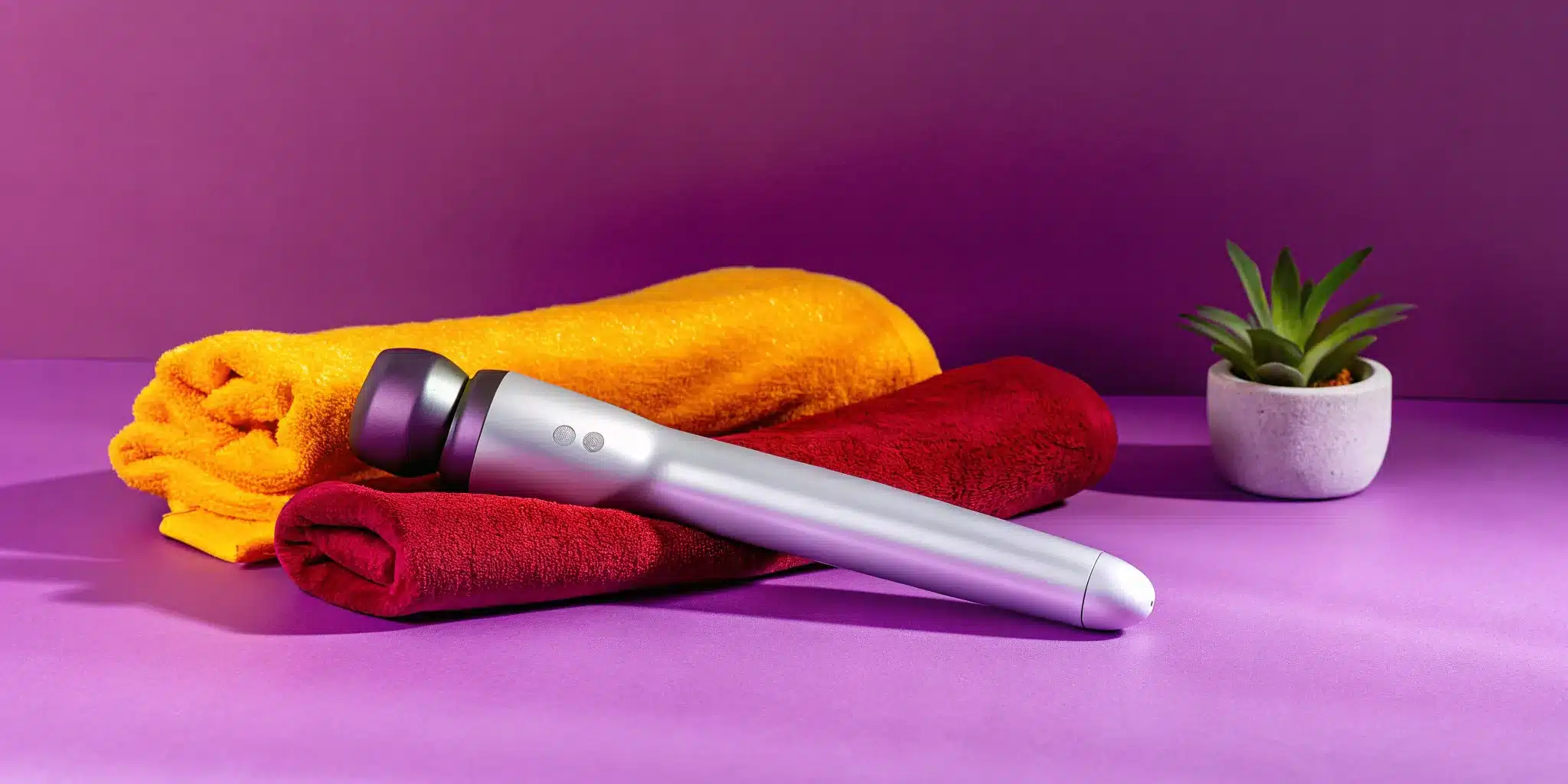
That stubborn knot in your shoulder that just won’t quit. The deep ache in your lower back after a long day at your desk. We all know the feeling of muscle tension that distracts us from our day and keeps us from moving freely. While professional help is fantastic, you need a reliable way to find relief at home, right when you need it. This is where the conversation about massage guns begins. So, what is a percussion massager? It’s a powerful handheld tool designed to deliver rapid, concentrated pulses deep into your muscle tissue, helping to release tightness and soothe soreness. In this guide, we’ll cover everything you need to know about these popular devices—from how they work to choosing the right one for you.
Key Takeaways
- Manage Muscle Pain on Your Terms: Percussion massagers deliver deep, rapid pulses to release tension, improve circulation, and speed up recovery, offering a convenient way to address soreness and stiffness right at home.
- Use It Correctly for Safe Relief: To get the best results without risk, gently float the massager over your muscles instead of pressing hard. Limit sessions to two minutes per area and always avoid bones, joints, and injured spots.
- Choose Features That Fit Your Life: The best massager for you depends on your needs. Prioritize adjustable speed settings for custom pressure, multiple attachment heads for versatility, and a quiet, lightweight design for a more relaxing experience.
What Is a Percussion Massager?
A percussion massager, more commonly known as a massage gun, is a handheld device designed to deliver the benefits of a deep-tissue massage right from the comfort of your home. Think of it as a powerful tool that uses rapid, concentrated pulses of pressure to work deep into your muscle tissue. This approach, known as percussive therapy, helps increase blood flow, break up stubborn muscle knots, and ease the kind of tension that builds up from daily life, workouts, or chronic conditions.
For anyone dealing with persistent aches and stiffness, a percussion massager can be a fantastic, drug-free way to find relief. By rapidly tapping the muscles, the device helps relax tightened connective tissues, reduce soreness, and improve your overall flexibility. It’s a go-to for athletes looking to speed up their recovery, but it’s just as effective for anyone who spends their day hunched over a desk or deals with the physical stress of chronic pain. The goal is simple: to help your muscles relax, recover, and feel their best so you can move more freely and with less discomfort.
How Do They Actually Work?
So, what’s the science behind that buzzing device? When you place the head of a percussion massager on a sore spot, it moves back and forth at a high speed, delivering a series of quick, vertical strikes to your muscle. This action does a few important things. First, it helps loosen up tight fascia, the web of connective tissue that surrounds your muscles. When fascia gets tight, it can restrict movement and cause pain.
The percussive force also boosts circulation, bringing more oxygen and nutrients to the area to promote healing. This process helps your body flush out metabolic waste, like the lactic acid that builds up during exercise and contributes to muscle soreness. In short, the massage gun’s rapid tapping encourages your muscle fibers to release tension and recover faster.
The Different Types of Percussion Massagers
While most percussion massagers look similar, the key differences are in their features and attachments. Most devices come with a set of interchangeable heads, each designed for a specific purpose. A large, round foam ball is great for bigger muscle groups like your glutes and quads, while a smaller, bullet-shaped attachment can pinpoint deep knots in your shoulders or back.
You’ll also want to look for a device with multiple speed settings. This allows you to adjust the intensity, starting gentle on particularly sore areas and increasing the pressure where you need it most. Some models are also designed to be much quieter than others, which can make the experience more relaxing. Understanding these features will help you find a massager that truly fits your personal needs.
The Benefits of Using a Percussion Massager
If you’ve seen percussion massagers pop up everywhere, you might be wondering if they live up to the hype. The short answer is yes. These powerful tools offer a form of deep tissue massage that you can do yourself, right at home. By delivering rapid, concentrated pulses into your muscle tissue, they can help address everything from post-workout soreness to the chronic aches that build up from daily life.
Think of it as a way to give your muscles targeted attention exactly where they need it most. This process, known as percussive therapy, helps increase blood flow, release tension, and improve your overall sense of well-being. It’s not just for elite athletes; anyone dealing with muscle tightness, stiffness, or pain can find real value in adding one to their routine. The benefits extend beyond simple pain relief, helping to improve your body’s recovery processes, enhance your flexibility, and even calm your nervous system. Let’s look at exactly how they can help you feel and move better.
Relieve Pain and Soothe Muscle Tension
One of the most immediate benefits of a percussion massager is its ability to soothe sore, tight muscles. If you’re dealing with stubborn knots in your shoulders or chronic tightness in your lower back, the massager’s targeted pulses can work deep into the muscle fibers to release tension. This action helps break up adhesions and scar tissue that contribute to pain and stiffness. By stimulating the area, the massager also encourages better circulation, which is essential for healing. Regular use can significantly reduce muscle tension, making it a fantastic tool for managing everyday aches and pains that hold you back.
Speed Up Recovery and Improve Circulation
After a tough workout or even just a long day on your feet, your muscles can feel tired and sore. This is often due to the buildup of lactic acid. A percussion massager helps speed up your recovery by forcing muscle fibers to release that lactic acid, which in turn reduces the soreness you feel the next day. At the same time, the vibrations promote healthy circulation, sending more oxygen-rich blood and nutrients to your muscles. This improved blood flow not only helps repair muscle tissue faster but also helps flush out metabolic waste, leaving you feeling refreshed and ready for your next activity.
Increase Your Flexibility and Range of Motion
Tight muscles don’t just cause pain—they can also seriously limit your movement. When your muscles and the connective tissue around them (fascia) are tense, your joints can’t move through their full range of motion. Percussion massagers help loosen these tight tissues, allowing for greater flexibility. In fact, research has shown that using a vibration massage before activity can increase ankle range of motion and muscle strength. By consistently working on tight areas like your hips, hamstrings, or shoulders, you can gradually restore mobility and move with more freedom and less restriction.
Find Stress Relief and Deep Relaxation
Physical tension and mental stress are often closely connected. When you’re stressed, your muscles tend to clench up, creating a cycle of discomfort. A percussion massager can help break that cycle. The rhythmic pulses have a relaxing effect on the nervous system, helping to shift your body out of a “fight or flight” state and into a more restful one. Using percussive therapy to ease the muscle out of tension provides a comprehensive sense of relief that goes beyond the physical. Taking a few minutes to massage tight spots can become a calming ritual that helps you unwind and let go of the day’s stress.
How to Use a Percussion Massager Effectively
Getting the most out of your percussion massager isn’t just about turning it on and pointing it at a sore spot. Using the right technique is the key to unlocking real relief and avoiding accidental injury. Think of it less like a power tool and more like a precision instrument for your muscles. When you learn how to handle it correctly, you can effectively target tension, ease soreness, and support your body’s recovery process.
The good news is that mastering your massage gun is straightforward. It comes down to three simple principles: using the proper technique, knowing how long to treat an area, and understanding which parts of your body to target—and which to avoid. By following these guidelines, you can make sure every session is both safe and beneficial, helping you move closer to your goals of feeling and moving better. Let’s walk through exactly how to do it.
Master the Proper Technique and Positioning
To get started, find the muscle area you want to work on. Turn the massage gun on at its lowest speed and gently float it across the muscle. There’s no need to press down hard; the percussive action is designed to do the work for you. Move the device slowly, about an inch per second, and breathe deeply to help your muscles relax into the treatment. If you’re using it after a workout, this technique helps your muscle fibers release lactic acid, which can reduce some of that next-day soreness. Once you find a particularly tight spot or a knot, you can let the massager rest on that area for a few extra seconds, but remember to keep it moving.
Follow Guidelines for Duration and Frequency
When it comes to percussion massage, more is not always better. While you can safely use a massage gun daily, it’s important to limit the time you spend on any single muscle group. As a general rule, try not to target one muscle for more than two minutes per session. Overdoing it can lead to bruising, irritation, or even muscle damage, which is the opposite of what you’re trying to achieve. A short, focused session is far more effective than a long, aggressive one. Listen to your body—if you feel any sharp pain, it’s time to stop. Consistent, moderate use is the best approach for long-term muscle recovery and pain management.
Know Which Muscles to Target (and Which to Avoid)
This might be the most important rule of all: percussion massagers are designed for soft tissue only. You should only ever use your massage gun on your muscles. Avoid passing it over bony areas like your shins, elbows, spine, or the back of your neck, as this can be painful and potentially cause injury. You should also steer clear of major joints, your stomach, and any areas that are already bruised, inflamed, or injured. According to the Cleveland Clinic, focusing only on muscles is critical for safe use. If you’re ever unsure, it’s always best to err on the side of caution and stick to the large, fleshy parts of your muscles.
Key Features to Look For in a Percussion Massager
With so many percussion massagers on the market, picking the right one can feel a little overwhelming. They all seem to promise the same thing, but the small details can make a huge difference in your experience and results. Instead of just grabbing the first one you see, it helps to think like you’re choosing a partner for your wellness routine—you want one that’s reliable, versatile, and fits your specific needs.
To help you find the perfect match, let’s walk through the most important features to consider. From the power and attachments to how it feels in your hand and how loud it is, these key elements will determine whether your new massager becomes your go-to tool for relief or just another gadget that collects dust. Thinking about these features ahead of time will ensure you invest in a device you’ll love and use for years to come.
Finding Your Ideal Speed and Intensity
Some days your muscles need a gentle, soothing touch, while other days they’re screaming for a deep, intense massage. That’s why having a percussion massager with multiple speed settings is non-negotiable. This feature gives you complete control over your treatment, allowing you to customize the intensity for different body parts or levels of soreness. A lower speed is great for warming up muscles or treating sensitive areas, while higher speeds can help break up stubborn knots. Look for a device that offers at least three to five speed settings. This range gives you the flexibility to find that “just right” pressure to effectively soothe muscle tension and meet your body’s needs on any given day.
Considering Battery Life and Portability
A massage gun can’t help you if it’s dead or too clunky to handle. When you’re shopping, think about where and when you’ll use it most. If you plan to take it to the gym or travel with it, portability is key. Many health experts suggest looking for a model that weighs between two and four pounds, making it easy to hold and maneuver without your arm getting tired. Battery life is just as important. A long-lasting battery means you can get through multiple sessions without constantly worrying about recharging. Aim for a device that offers at least two hours of continuous use, so it’s always ready to go when you need it most.
Choosing the Right Attachment Heads
Those different-shaped knobs that come with a percussion massager aren’t just for show—they’re specialized tools designed for different jobs. Having a variety of attachment heads makes your device much more versatile and effective. Most massagers come with a standard set, but it’s good to know what they do. For example, the large round ball is perfect for bigger muscle groups like your glutes and quads. A flat head is great for general use on medium-to-large muscles. The bullet-shaped head is designed to pinpoint trigger points and release tight knots. Having the right attachment options allows you to tailor your massage to exactly what your body needs, from broad relaxation to targeted relief.
Don’t Forget About the Noise Level
Imagine trying to relax and unwind while a tool that sounds like a power drill is hammering away at your shoulders. Not exactly a peaceful experience, right? The noise level of a percussion massager is an often-overlooked feature that can make or break your ability to truly relax. If a quiet, spa-like vibe is important to you, look for models that are specifically designed for low-noise operation. Many of the best quieter models use a brushless motor, which not only keeps the volume down but also tends to be more durable and efficient. A quieter device allows you to use it while watching TV, listening to music, or simply enjoying a moment of peace without any distracting noise.
Are Percussion Massagers Safe? Risks to Consider
Percussion massagers seem to be everywhere these days, promising quick relief for tight, sore muscles. And while they can be a fantastic tool in your wellness kit, they aren’t a magic wand. To get real, lasting benefits, it’s important to understand how to use them safely and effectively. Think of it less as a quick fix and more as a powerful supplement to a thoughtful recovery plan—one that includes proper stretching and listening to your body’s signals. Your safety is always the top priority, and being informed is the best way to get all the perks without any of the risks.
Certain health conditions, for example, don’t mix well with the intense vibrations of a massage gun. And even if you’re perfectly healthy, using the wrong technique can lead to bruising or even injury. It’s all about making smart choices that help your body heal and feel its best. This means knowing when to reach for your massager, when to see a professional instead, and how to avoid the common pitfalls that can turn a helpful tool into a harmful one. Before you start using a percussion massager, taking a moment to consider these factors will ensure your path to relief is a safe one.
Medical Conditions That Require Caution
When you’re dealing with persistent aches, it’s tempting to reach for an immediate solution. However, it’s essential to consider any underlying medical conditions before using a percussion massager, as the intense vibrations might aggravate certain injuries or chronic pain conditions. This is why health experts at UCLA recommend that “If you have ongoing muscle soreness or stiffness, it’s a good idea to talk to your doctor.” This is especially true if you have conditions like osteoporosis, severe varicose veins, nerve sensitivity, or are pregnant. Taking this simple precaution ensures you’re helping your body, not accidentally harming it.
When to Talk to a Healthcare Professional
It’s always a smart move to chat with a healthcare professional before adding a new tool to your wellness routine, particularly if you have existing health problems. A doctor, physical therapist, or another qualified expert can give you personalized advice based on your specific needs and history. The team at the Cleveland Clinic strongly advises, “If you have any health problems, injuries, or concerns, always talk to your doctor or healthcare team before using a massage gun.” This conversation can help you feel confident that you’re using the device safely and in a way that will genuinely support your recovery and pain management goals.
Common Mistakes to Avoid for Safe Relief
To get the most out of your percussion massager, it helps to know what not to do. A few simple adjustments can make a huge difference in your results and safety. For starters, more isn’t always better. Triathlete magazine points out some common mistakes, advising users to stick to about two minutes per muscle group. It’s also important to let the massager float over your muscles rather than pressing down hard, which can cause bruising or injury. Finally, be sure to steer clear of bones, joints, and the front of your neck to prevent pain and ensure your massage session is both comfortable and effective.
Percussion Massagers vs. Other Recovery Tools
With so many recovery tools on the market, it can be tough to figure out which one is right for you. Percussion massagers have quickly become a favorite for their power and convenience, but how do they really stack up against old standbys like a professional massage or a trusty foam roller? Let’s break down the key differences to help you understand where a massage gun fits into your wellness routine and how it can complement other therapies, like assisted stretching.
How They Compare to Traditional Massage
Nothing quite replaces the experience of a hands-on massage from a trained professional. However, percussion massagers offer a powerful and convenient way to get similar benefits right at home. Think of it this way: massage guns use rapid vibrations to warm up your muscles and increase blood flow to the areas that need it most. They essentially work like a small hammer, gently hitting soft tissues to loosen tight spots and ease tension. This percussive action allows you to address muscles in a more comprehensive way, providing targeted relief whenever you need it, without having to book an appointment. It’s a fantastic tool for daily maintenance between professional treatments.
Percussion Massagers vs. Foam Rollers
Foam rollers are a staple in many home gyms, and for good reason—they’re great for addressing large muscle groups. But if you’re looking for something more intense and targeted, a percussion massager is a clear step up. Percussion massagers are handheld tools that deliver fast, deep pulses directly into the muscle, offering a strong self-massage that goes deeper than foam rolling can. While a foam roller uses your body weight for broad pressure, a massage gun’s focused vibrations can better reduce muscle tension, improve circulation, and provide more specific pain relief. It’s especially effective for getting into those hard-to-reach knots that foam rolling might just skim over.
Who Can Benefit From a Percussion Massager?
You might think percussion massagers are just for elite athletes, but these powerful tools can help a wide range of people find relief from everyday aches and pains. Whether you’re a dedicated gym-goer, someone living with chronic discomfort, or you spend your days hunched over a computer, a massage gun could be a game-changer for your well-being. The common thread is muscle tension. When our muscles get tight, knotted, and sore, it can impact everything from our workouts to our workday to our quality of sleep.
Percussion massagers offer a direct, effective way to target that tension and encourage your muscles to relax. Think of it as a deep-tissue massage you can give yourself anytime, anywhere. This accessibility empowers you to take an active role in your muscle health, addressing stiffness before it becomes a bigger problem. It’s a versatile device that meets you where you are, providing relief for sore quads after a run or easing the persistent ache in your shoulders after a long day of meetings. Let’s look at a few groups who stand to gain the most from adding one to their routine.
Athletes and Fitness Enthusiasts
If you regularly push your body through workouts, you’re all too familiar with delayed onset muscle soreness (DOMS). That next-day stiffness can make it tough to stay consistent with your training. Percussion massagers are a fantastic addition to any athlete’s recovery routine because they help increase blood flow to tired muscles, which can speed up repair and reduce soreness.
Using a massage gun for a few minutes on major muscle groups post-workout can help flush out metabolic waste and ease tightness. It’s also great for a pre-workout warm-up, as it can help activate muscles and improve flexibility before you even start moving. It’s a simple way to help your body feel ready for the next challenge.
People with Chronic Pain and Mobility Issues
Living with chronic pain or limited mobility can be incredibly frustrating, affecting your ability to enjoy daily activities. For many, this discomfort stems from persistent muscle tightness and imbalances. A percussion massager can be a valuable tool for managing these symptoms by providing targeted relief right where you need it most. By focusing on specific trigger points or chronically tight areas like the lower back, hips, or shoulders, you can help release tension and improve your overall mobility.
When used correctly, these devices can help address pain from muscle imbalances and restore a better range of motion. It’s a way to take an active role in your pain management, complementing other treatments like physical therapy or assisted stretching to help you move more freely and with less pain.
Office Workers with Muscle Knots and Tension
Spending eight hours a day at a desk can do a number on your body. That persistent ache in your neck, the tightness across your shoulders, and the knots in your upper back are common complaints for office workers. This tension is often the result of prolonged sitting and subconscious slouching. A percussion massager is an incredibly convenient way to combat this “desk posture” without leaving your home.
Using percussive therapy on your traps, shoulders, and even your glutes (which get tight from sitting) can help break up stubborn knots and ease muscles out of that constant state of tension. Just a few minutes at the end of the workday can undo some of the physical stress, helping you feel more relaxed and preventing minor aches from turning into chronic problems.
How to Choose the Right Percussion Massager for You
With so many percussion massagers on the market, picking the right one can feel overwhelming. They come in all shapes, sizes, and price points, each promising to be the ultimate solution for your aches and pains. The truth is, the “best” massage gun is the one that fits your specific needs, lifestyle, and budget. Instead of getting swayed by flashy marketing, it’s better to take a step back and think about what you really want to achieve.
Are you an athlete looking for intense, deep-tissue relief after a tough workout? Or are you hoping to soothe a chronically stiff neck from hours spent at a desk? Your answer will guide you toward the right features. Think of this as an investment in your well-being. Choosing a device that’s tailored to your personal pain points and is comfortable for you to use will ensure it becomes a go-to tool in your wellness routine rather than another gadget collecting dust in a closet. We’ll walk through the key considerations to help you find the perfect match.
Balancing Your Budget with Long-Term Value
Price tags for percussion massagers can range from under a hundred dollars to several hundred, so it’s wise to set a budget. While it might be tempting to grab the cheapest option, consider the long-term value. A well-made device from a reputable brand is more likely to be effective, durable, and safe to use. Think about it this way: buying a quality massage gun is often more affordable over time than scheduling frequent professional massages. You get the convenience of on-demand relief right at home. Look for a sweet spot between cost and quality—a mid-range model with good reviews and a solid warranty is often a fantastic investment for your health.
Matching a Device to Your Personal Pain Points
Before you even start browsing, take a moment to identify your personal pain points. Where does it hurt? What are you trying to fix? The massager that’s perfect for a bodybuilder’s dense leg muscles might be too intense for someone’s delicate shoulder tension. If you’re dealing with pain in hard-to-reach areas like your mid-back, you’ll want a model with a longer, ergonomic handle. If you have sensitive joints or chronic pain conditions, a device with lower-intensity settings and softer attachments is a must. Truly understanding your body’s signals and needs is the single most important step in finding a tool that will bring you real, lasting relief.
Prioritizing the Specifications That Matter Most
It’s easy to get lost in technical specs, but a few key features really make a difference. First, look for a device with multiple speed and intensity settings so you can customize the pressure. A lighter massage is great for warming up muscles, while a higher speed can work out deep knots. According to experts at the Cleveland Clinic, you should also consider the weight; a massager that’s between two and four pounds is usually easy enough to hold for several minutes without your arm getting tired. Also, check the battery life for convenience and take a look at the included attachment heads—different shapes are designed for different muscle groups. Finally, don’t forget about noise; a quieter motor makes for a much more relaxing experience.
Related Articles
- How to Loosen Tight Muscles in Legs for Good – STRETCHMED
- How to Loosen Tight Muscles in Legs: A Simple Guide – STRETCHMED
- How to Release Chronically Tight Muscles for Relief – STRETCHMED
Frequently Asked Questions
Is it okay to use a percussion massager every day? Yes, you can definitely use your massage gun daily, but the key is to keep your sessions short and focused. Think of it as a quick check-in with your muscles, not a long, intense workout. Aim for no more than two minutes on any single muscle group to prevent bruising or irritation. Consistent, brief use is far more effective for managing tension than one long, aggressive session.
Should using a massage gun feel painful? You should feel a deep, satisfying pressure, much like a deep-tissue massage, but it should never be sharply painful. If you find yourself wincing, you’re likely pressing too hard or the intensity is too high. Try lowering the speed setting and letting the device float over the muscle. If you hit a spot that feels sharp or painful, it’s best to work around it rather than directly on it.
Can a massage gun replace my stretching routine? Think of them as partners, not replacements. A percussion massager is fantastic for releasing tight knots and warming up the belly of the muscle. Stretching, on the other hand, is essential for elongating the muscle fibers and improving the range of motion in your joints. Using your massager first can help relax the muscle, making your subsequent stretching session even more effective.
What’s the most important feature to look for if I’m on a budget? If you have to prioritize one feature, make it variable speed settings. Having the ability to adjust the intensity from a gentle hum to a powerful pulse is what makes the tool so versatile. This control allows you to treat sensitive, sore areas gently and use more power on dense muscle groups, giving you a customized experience that’s far more valuable than having a dozen attachment heads you might never use.
Are there any specific spots I should always avoid with a massage gun? Absolutely. The most important rule is to keep the massager on soft tissue only. You should always avoid running it directly over bones, joints, and your spine. Steer clear of the front of your neck and your stomach, as well as any areas with varicose veins, inflammation, or recent injuries. Sticking to the fleshy part of your muscles is the safest and most effective way to get relief.