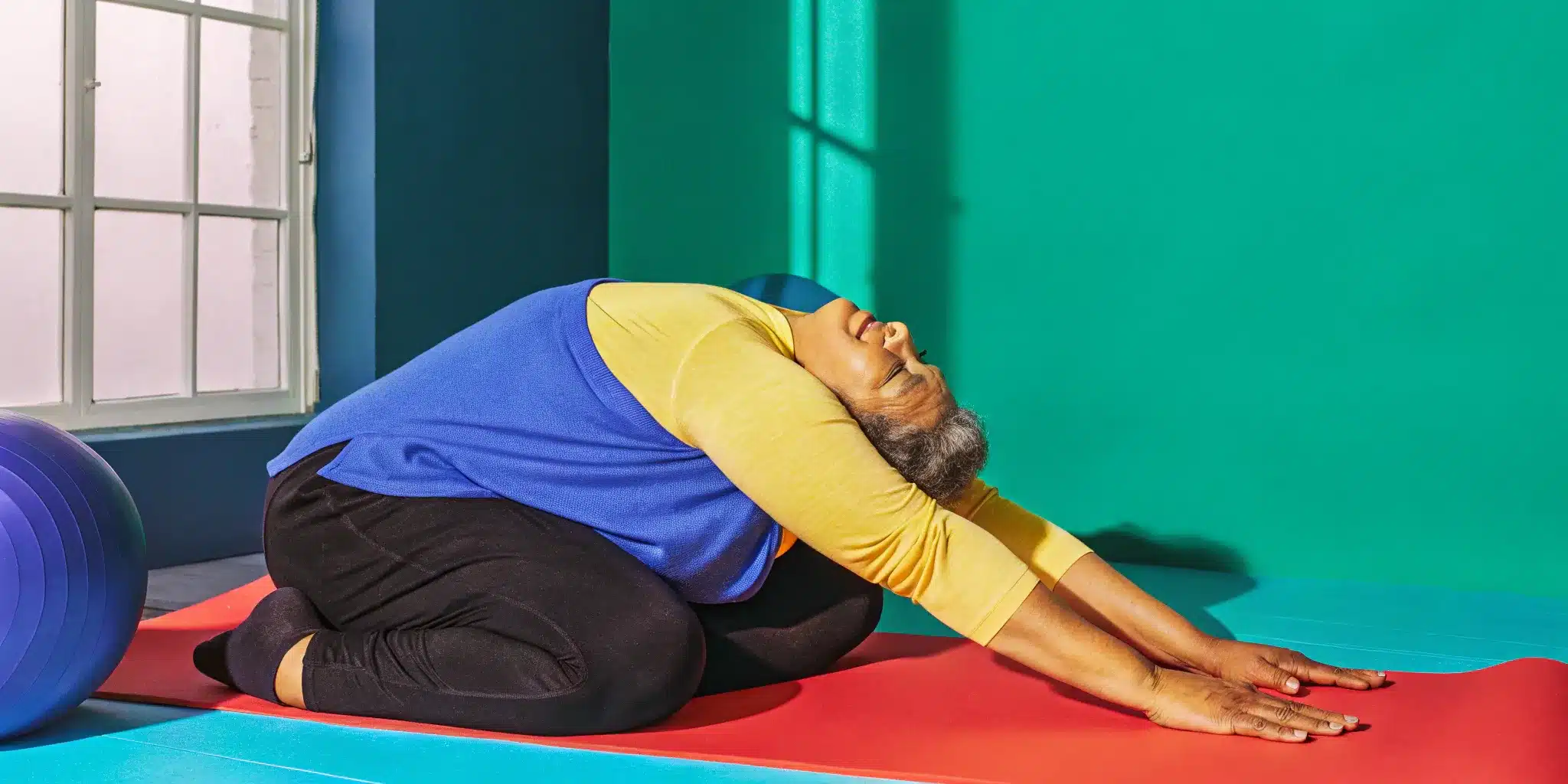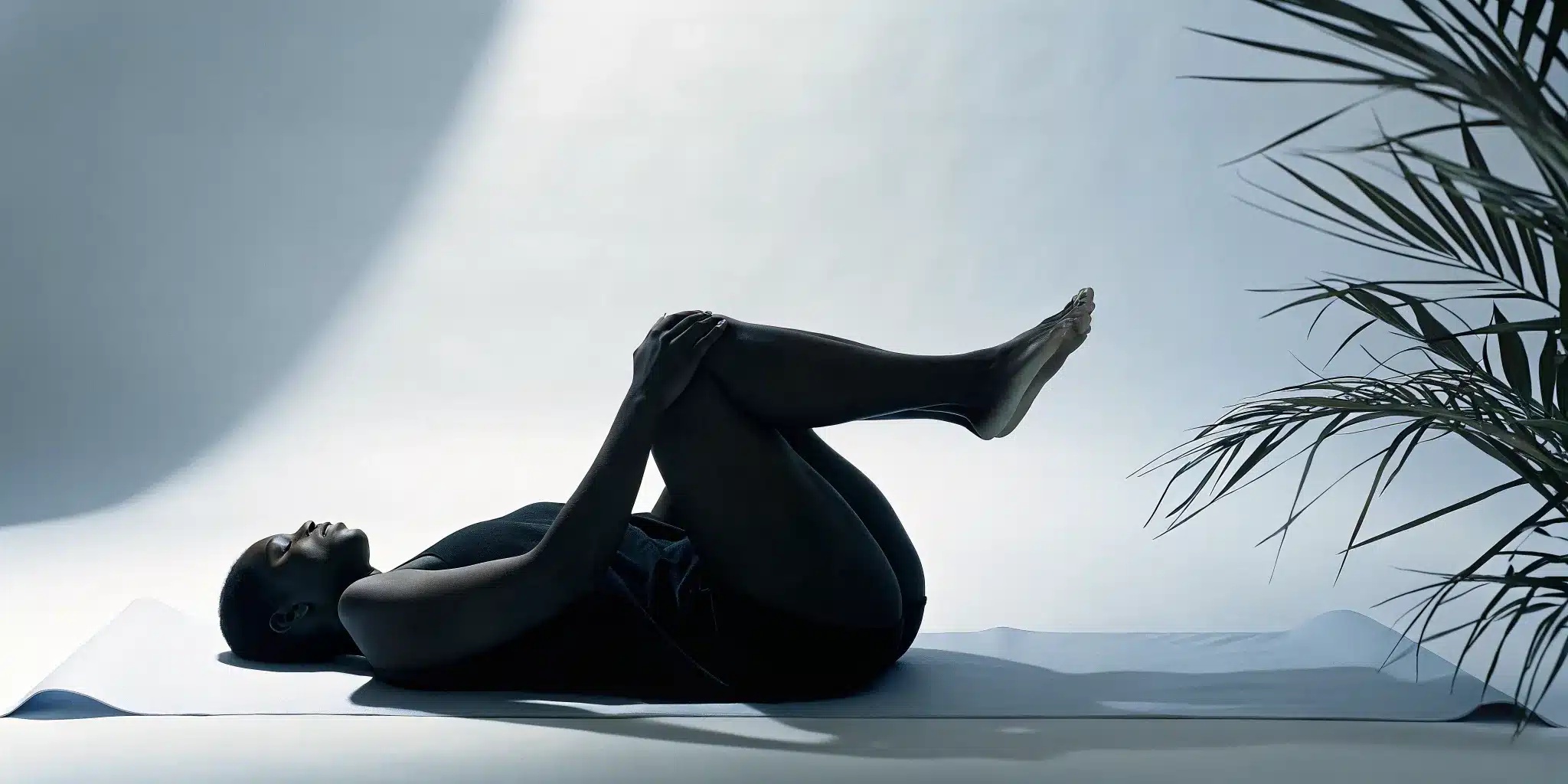
There’s no denying that a good stretch can provide immediate, satisfying relief for a tight muscle. But if you’ve ever stretched consistently and still woken up sore the next day, you’ve experienced the disconnect between what feels good and what actually works. This leads to a critical question for anyone trying to manage pain or improve their fitness: does stretching sore muscles help recovery on a biological level? While the science shows that stretching might not be the magic cure for soreness we once thought it was, that doesn’t mean it has no value. Let’s explore why it feels so good and how to use it as one effective tool in a much larger recovery toolkit.
Key Takeaways
- Use stretching for mobility, not as a cure for soreness: While a good stretch provides temporary relief and improves flexibility, it doesn’t speed up the healing of sore muscles. Think of it as a tool to feel better in the moment, not the primary fix for post-workout aches.
- Prioritize the fundamentals for true recovery: The real work of muscle repair happens when you focus on the basics. Make quality sleep, proper hydration, and a nutrient-rich diet your non-negotiables to help your body heal faster and more effectively.
- Stretch safely by listening to your body: A stretch should feel like a gentle release, never a sharp pain. Always warm up with light movement first, and if you’re dealing with intense soreness or chronic pain, working with a professional ensures you’re helping, not hurting, your muscles.
Why Do My Muscles Get Sore After a Workout?
If you’ve ever woken up the day after a tough workout feeling stiff and achy, you know the feeling. That soreness is a completely normal part of getting stronger. When you challenge your body with a new exercise or increase the intensity of your routine, you’re actually creating tiny, microscopic tears in your muscle fibers. It sounds a bit dramatic, but this is a good thing! This process is what signals your body to repair and rebuild those fibers, making them stronger than before.
Think of it as your body’s natural renovation project. The soreness you feel is just a sign that the repair crew is on the job. It’s a temporary discomfort that leads to long-term gains in strength and mobility. While it can be tempting to curl up on the couch and wait for it to pass, understanding what’s happening in your body can help you manage the soreness and even support the recovery process. The key is to distinguish between the expected, productive soreness and the kind of pain that signals an injury.
What is DOMS (Delayed Onset Muscle Soreness)?
That classic, next-day soreness has a name: Delayed Onset Muscle Soreness, or DOMS. It’s different from the immediate muscle fatigue or burn you might feel during your workout. DOMS is the achiness that typically shows up 24 to 48 hours after you’ve finished exercising. It’s your body’s inflammatory response to the microscopic muscle damage I mentioned earlier. This is why you might feel fine right after a workout but find it hard to walk down the stairs a day or two later. It’s a sign you’ve pushed your muscles in a new way, and it’s a very common experience for everyone from beginners to seasoned athletes.
What’s the Timeline for Muscle Soreness?
So, how long should you expect this feeling to last? Generally, DOMS peaks around 24 to 72 hours after your workout and will gradually fade over the next few days. By day three or four, you should start to feel a lot better. However, it’s important to listen to your body. If the pain is sharp, localized, or actually gets worse by the third day, you might be dealing with a muscle strain rather than typical soreness. Normal DOMS should feel like a dull, widespread ache that improves with time and gentle movement.
Does Stretching Sore Muscles Actually Help?
After a tough workout, your first instinct might be to stretch out those aching muscles. It’s advice we’ve all heard a million times. But does it actually do anything to stop the soreness? The answer is a little more complicated than a simple yes or no. While stretching might not be the magic cure for post-workout aches, it isn’t useless, either.
The key is understanding what stretching can and can’t do for sore muscles. The temporary relief you feel from a good stretch is real, but it might not be fixing the problem in the way you think. Let’s clear up some of the confusion, look at what the science says, and figure out why stretching still feels so good even if it doesn’t erase soreness. Knowing this will help you build a smarter, more effective recovery routine that truly supports your body.
What the Science Says About Stretching and Soreness
When we look at the research, the evidence is pretty clear: stretching before or after a workout doesn’t do much to prevent or reduce that next-day muscle soreness. A major review of studies found that while stretching might lead to a very slight reduction in soreness, the effect is so small that most people wouldn’t even notice it. So, if you’re stretching with the sole purpose of avoiding DOMS, you might be disappointed.
However, that doesn’t mean you should skip it entirely. Gentle stretching can provide a sense of relief for tight, sore muscles. It helps increase blood flow to the area, which can feel comforting and may help your muscles feel a bit looser and more mobile, even if it’s just for a little while.
Common Myths About Stretching for Recovery
One of the most persistent fitness myths is that you can “stretch out” soreness to make it go away faster. We often think of stretching as a way to lengthen and repair muscles, so it seems logical that it would help with recovery. Unfortunately, this is a common misconception. The micro-tears in your muscles that cause DOMS need time to heal, and stretching doesn’t speed up that biological process.
Another myth is that stretching is essential for preventing injuries. While a good warm-up that includes dynamic stretching is crucial for preparing your body for exercise, static stretching (holding a stretch for a long time) afterward has not been shown to significantly reduce your risk of getting hurt. The best approach is to see stretching as one tool in your recovery toolbox, not a cure-all.
If Stretching Feels Good, Why Doesn’t It Stop Soreness?
So, if the science says stretching doesn’t fix soreness, why does it feel so good to do it? That feeling of relief comes from a few places. Stretching can temporarily decrease the sensation of pain by stimulating the nerves in that area and increasing blood flow, which brings a comforting warmth. It also gives you a moment to connect with your body and gently ease into movement, which can be psychologically soothing.
However, it’s important to remember that this feeling is temporary. The relief you get from stretching doesn’t mean the underlying muscle damage is healed. It’s also crucial to listen to your body. If the soreness is sharp or feels like an injury, stretching could make it worse. Think of it like this: a good stretch can make your muscles feel better in the moment, but it’s not the main event in your recovery.
What Are the Best Stretches for Sore Muscles?
When you’re feeling stiff and achy, your first instinct might be to just start stretching whatever hurts. But not all stretches are created equal, and jumping into the wrong one at the wrong time can sometimes do more harm than good. The key is understanding that different types of stretching serve different purposes. Think of it like using tools from a toolbox—you wouldn’t use a hammer to turn a screw. Similarly, the stretch you do to prepare your body for a run is very different from the one you use to cool down and release tension afterward. This distinction is crucial, especially when you’re dealing with soreness or chronic pain. The right stretch can bring incredible relief, while the wrong one might just aggravate the issue.
Choosing the right approach depends entirely on your goal. Are you trying to warm up your muscles and get your blood flowing before activity? Or are you hoping to lengthen tight muscles, improve your range of motion, and calm your nervous system after a long day? Knowing the difference can completely change your recovery game and help you build a more intentional relationship with your body. It’s about listening to what your muscles need in that specific moment. Let’s look at three of the most common and effective types of stretching: static, dynamic, and PNF. Each one has a specific job to do, and learning how to use them correctly will help you get the relief you’re looking for and keep your body moving well for the long haul.
Try Static Stretching to Relax After a Workout
You’re probably most familiar with static stretching—it’s the classic “reach and hold” method we all learned in gym class. As the name suggests, it involves holding a stretch in a still position for a set amount of time, usually 30 seconds or more. Static stretching is often recommended after a workout as part of a cool-down routine. This type of stretching can help relax the muscles and improve flexibility, making it a beneficial practice for recovery. Think of a simple hamstring stretch or holding a quad stretch. By easing into the position and holding it, you give your muscle fibers a chance to lengthen and release tension, which feels amazing after they’ve been working hard.
Use Dynamic Stretching to Prepare for Movement
Unlike static stretching, dynamic stretching is all about movement. This active approach is characterized by moving your muscles through a full range of motion, which helps to increase blood flow and prepare the body for physical activity. Instead of holding a pose, you’re doing things like leg swings, arm circles, or walking lunges. This type of stretching is particularly effective as a warm-up, as it can decrease the risk of injury and enhance performance. It essentially tells your body, “Hey, we’re about to get moving!” By warming up your muscles, joints, and connective tissues, you’re setting yourself up for a safer, more effective workout. A good dynamic warm-up only takes about five to ten minutes.
Go Deeper with PNF Stretching
If you’re looking for a more advanced technique, PNF stretching might be for you. PNF, which stands for Proprioceptive Neuromuscular Facilitation, combines both stretching and contracting the targeted muscle group. It’s a powerful method that can produce significant gains in flexibility. Here’s the basic idea: you move into a stretch, contract the stretched muscle against resistance for a few seconds, and then relax and sink deeper into the stretch. This advanced technique is known to enhance flexibility and is frequently utilized in rehabilitation settings), making it a powerful tool for muscle recovery. Because it requires precision, PNF is often performed with a partner or a trained professional who can provide resistance and guidance.
When to Stretch Sore Muscles (and When to Stop)
Knowing when to stretch is just as important as knowing how to stretch. While it can feel intuitive to stretch a sore muscle, sometimes you might be doing more harm than good. The key is learning to listen to your body and understand the difference between the kind of soreness that benefits from movement and the kind that needs rest.
Timing your stretches correctly can speed up your recovery, while pushing through the wrong kind of pain can set you back. Let’s break down the signals your body sends so you can make the best choice for your muscles.
The Best Times to Stretch Sore Muscles
If you’re feeling general tightness or mild stiffness from a long day of sitting or light activity, gentle stretching can be incredibly beneficial. This kind of stretching helps increase blood flow to your muscles, delivering the oxygen and nutrients they need to relax and repair. Think of it as a way to wake up your muscles and ease that feeling of being locked up.
This is also true for the mild soreness you might feel right after a moderate workout. A gentle cool-down stretch can help your body transition from a state of work to a state of rest, potentially easing some of that immediate post-exercise tension. The focus here should always be on gentle, pain-free movement.
Warning Signs: When You Should Avoid Stretching
Here’s where we need to be careful. If you’re experiencing Delayed Onset Muscle Soreness (DOMS)—that intense, can’t-walk-down-the-stairs soreness that peaks 24 to 48 hours after a tough workout—stretching is not the answer. This type of pain is caused by microscopic tears in your muscle fibers. Your muscles need time to heal these tears, and aggressively stretching them can actually worsen the damage and prolong your recovery.
Think of it like this: you wouldn’t stretch a cut on your skin, right? Forcing a damaged muscle to lengthen can interfere with the natural healing process. If a stretch causes sharp pain or makes your soreness feel worse, stop immediately. Your body is telling you it needs rest, not more stress.
When to See a Professional for Your Soreness
Most muscle soreness is a normal part of getting stronger and will resolve on its own within a few days. However, some types of pain are red flags. You should see a doctor if you experience severe, sharp, or sudden muscle pain, as this could indicate a more serious injury like a strain or tear.
It’s also a good idea to seek professional advice if your muscle pain lasts for more than a week without improving. Persistent pain could be a sign of an underlying issue that needs a specific treatment plan. A professional can help you understand the root cause of your discomfort and guide you through a safe and effective path to recovery.
Better Recovery Methods Than Stretching Alone
While a good stretch feels amazing, it’s just one part of a complete recovery strategy. Think of your body like a high-performance vehicle; it needs more than just one type of maintenance to run smoothly. To truly manage muscle soreness and chronic pain, you need a well-rounded approach that supports your body from the inside out. Combining stretching with other healthy habits creates a powerful system for healing, helping you bounce back faster and feel better in your daily life.
Focusing on your whole body’s needs—like what you eat, how much you sleep, and how you actively rest—is the key to unlocking lasting relief. Each of these elements plays a distinct role in repairing muscle tissue, reducing inflammation, and improving your overall mobility. When you start layering these practices on top of a consistent stretching routine, you give your body the comprehensive support it needs to heal effectively. Let’s look at some of the most effective recovery methods you can add to your toolkit.
Fuel Your Recovery with Proper Hydration and Nutrition
What you put into your body after a workout or a long day is just as important as how you move it. Your muscles are working hard to repair themselves, and they need the right fuel to do the job. Proper hydration is non-negotiable, as water helps transport nutrients to your cells and flush out waste products that contribute to soreness. Dehydration can make muscle cramps and stiffness even worse. Alongside water, focus on a balanced diet rich in protein to rebuild muscle fibers and anti-inflammatory foods like fruits, vegetables, and healthy fats to calm irritation. A simple post-activity snack with protein and carbs can make a huge difference in how you feel the next day.
Prioritize Sleep and Rest for Better Repair
Never underestimate the power of a good night’s sleep. This is when your body does its most important repair work. While you rest, your body gets busy producing hormones that aid in muscle growth and tissue repair. According to Harvard Health, your body does most of its muscle repair while you sleep, so getting enough rest is critical. Skimping on sleep can slow down your recovery process and leave you feeling sore and fatigued for longer. Aim for 7-9 hours of quality sleep per night. Creating a relaxing bedtime routine can signal to your body that it’s time to wind down and begin the healing process.
Try Foam Rolling and Massage for Relief
Sometimes, your muscles need a little extra hands-on attention to release deep-seated tension. Techniques like foam rolling and massage are fantastic for this. They work by applying pressure to tight spots, or “knots,” in your muscles and connective tissues. This process, known as self-myofascial release, can help increase blood flow, reduce muscle stiffness, and improve your range of motion. Using a foam roller on sore areas like your quads, hamstrings, or back can provide immediate relief. Think of it as a great complement to your stretching routine—stretching lengthens the muscle, while rolling helps release the knots within it.
Keep Moving with Gentle Active Recovery
It might sound counterintuitive, but when you’re sore, the best thing you can do is often some light, gentle movement. This is called active recovery, and it’s all about keeping your blood flowing without putting too much strain on your tired muscles. Activities like a slow walk, a gentle swim, or some easy cycling help deliver oxygen-rich blood to your muscles, which speeds up the removal of metabolic waste that causes soreness. Gentle stretching is also a perfect form of active recovery, as it encourages your muscles to relax and return to their normal length while promoting healing. The key is to keep the intensity low and listen to your body.
How Can Professional Assisted Stretching Help?
If you’ve ever felt like you’re just guessing with your stretches or not getting the relief you need, you’re not alone. While stretching on your own is great, working with a professional takes recovery to a whole new level. An assisted stretching session is designed specifically for your body and your goals, whether you’re dealing with chronic tightness or just want to move more freely. It’s about working smarter, not just harder, to find lasting relief.
The Benefits of a 1-on-1 Assisted Stretch
When you work with a professional, the session is all about you. Unlike a group class, a 1-on-1 stretch allows a trained expert to focus entirely on your body’s unique needs. They can target specific muscle groups that you might not be able to reach on your own, helping you achieve a deeper, more effective stretch. This personalized attention is key to making real progress. It can lead to a better overall range of motion and flexibility, which not only feels great but also helps reduce your risk of future injuries, especially if you lead an active lifestyle.
Get a Personalized Plan for Chronic Pain
Living with chronic pain can feel like a constant battle, but assisted stretching offers a gentle and effective way to manage it. A skilled professional knows how to work with your body, not against it. They can carefully guide you into stretches that help your tight, guarded muscles finally let go. Over time, this process can help your muscles relax and lengthen more effectively than you could achieve alone. By addressing your specific pain points and improving your overall posture and alignment, a personalized stretching plan can become a cornerstone of your long-term pain management strategy.
Why an Expert Guide Makes All the Difference
Having an expert guide you through stretches does more than just improve your flexibility—it ensures you’re doing it safely. A trained professional understands anatomy and knows the precise angles and pressures needed to get results without causing strain. They make sure you’re using proper techniques that can lead to some amazing benefits beyond your muscles, like reduced stress levels and better circulation. This creates the perfect conditions for your body to repair and recover. Plus, many people find that the deep relaxation from a session even contributes to more restorative sleep.
How to Stretch Sore Muscles Safely
Stretching can feel incredible on sore muscles, but doing it the wrong way can do more harm than good. The goal is to encourage recovery, not to cause more strain or injury. Think of it less as a quick fix and more as a mindful practice. By following a few simple rules, you can make sure your stretching routine is both effective and safe, helping your body heal and feel its best.
The key is to approach stretching with awareness. It’s not about forcing a muscle into a certain position or pushing through pain to get a deeper stretch. Instead, it’s about gently guiding your muscles toward relaxation and release. Focusing on proper technique and listening to your body’s signals will help you get all the benefits without any of the risks. Let’s walk through the three most important principles for stretching your sore muscles safely.
Always Warm Up Before You Stretch
Jumping straight into deep stretches when your muscles are “cold” is a recipe for injury. Before you ask your muscles to lengthen, you need to get some blood flowing to them. A proper warm-up increases the temperature of your muscles, making them more pliable and ready for activity. Think of it like warming up a piece of clay before you try to shape it—a cold muscle is much more likely to tear.
Your warm-up doesn’t need to be complicated. Just five to ten minutes of light cardio is enough to prepare your muscles for stretching. This could be a brisk walk, a slow jog, some jumping jacks, or cycling on a stationary bike. The goal is simply to get your heart rate up slightly and warm up your body before you begin.
Listen to Your Body (It Knows Best)
This might be the most important rule of all. There’s a big difference between the gentle tension of a good stretch and sharp, shooting pain. A stretch should feel like a mild pulling sensation, but it should never be painful. If you feel any sharp or stabbing pain, stop immediately. Pushing through that kind of discomfort is your body’s warning signal that you’re going too far, and ignoring it can lead to a muscle strain or other injury.
Your body is incredibly smart, and it’s crucial to respect its signals. If a particular stretch is making your soreness worse, back off or try a different one. Some days you’ll be more flexible than others, and that’s completely normal. The goal is progress, not perfection.
Build Recovery Habits That Actually Last
Safe stretching is just one piece of the recovery puzzle. To get the most out of your routine, you need to support it with other healthy habits. Gentle stretching is an essential part of the healing process because it helps your muscles return to their normal length, but it works best when combined with a holistic approach.
Start by focusing on hydration. Drinking plenty of water is vital for muscle function and can help prevent the cramps that sometimes come with soreness. Make sure you’re also fueling your body with nutritious food to give your muscles the building blocks they need to repair themselves. When you combine mindful stretching with proper rest, hydration, and nutrition, you create a powerful routine for long-term health and mobility.
Create Your Ultimate Muscle Recovery Routine
Building a solid recovery plan is about more than just doing a few stretches and calling it a day. It’s about creating a system that supports your body, whether you’re dealing with post-workout aches or managing long-term discomfort. Think of it as your personal toolkit for feeling your best. By combining smart strategies, you can create a routine that helps you bounce back faster and move with more freedom.
How to Combine Stretching with Other Recovery Methods
While stretching is a fantastic tool, it works best as part of a team. For general muscle tightness, a gentle stretch can feel amazing because it helps increase blood flow and ease tension. However, if you’re feeling sore from a particularly tough workout, research shows that stretching alone won’t magically erase that delayed onset muscle soreness (DOMS).
To build a truly effective routine, pair your stretching with other recovery essentials. Make sure you’re drinking plenty of water throughout the day to stay hydrated. Prioritize getting enough quality sleep, as this is when your body does its most important repair work. Combining these fundamentals with a consistent stretching practice gives your muscles the comprehensive support they need to recover properly.
Manage Chronic Pain for the Long Haul
Living with chronic pain requires a thoughtful and consistent approach. Before starting any new exercise or stretching regimen, it’s crucial to talk to a doctor first to understand what movements are safe and beneficial for your specific condition. This ensures your efforts are helping, not hurting.
Once you have professional guidance, focus on creating sustainable habits. Your body does most of its muscle repair while you sleep, so making rest a non-negotiable priority is key. Gentle, consistent stretching plays a vital role by helping tight muscles return to their normal length and promoting healing over time. Managing chronic pain is a long-term commitment, and building a routine around rest, safe movement, and professional support is the best way to find lasting relief.
Related Articles
- How to Loosen Tight Muscles in Legs for Good – STRETCHMED
- How to Loosen Tight Muscles in Legs: A Simple Guide – STRETCHMED
- How to Release Chronically Tight Muscles for Relief – STRETCHMED
- Dynamic vs Static Stretching: When to Use Each Type – STRETCHMED
Frequently Asked Questions
How can I tell the difference between normal muscle soreness and an actual injury? The key difference is the type of pain you feel. Normal muscle soreness, or DOMS, usually feels like a dull, widespread ache in the muscles you worked. It typically peaks a day or two after your workout and gradually gets better. An injury, on the other hand, often involves a sharp, sudden, or localized pain. If the pain doesn’t improve after three days, gets worse, or is accompanied by swelling, it’s a good idea to see a professional.
If stretching doesn’t cure soreness, why should I bother doing it? That’s a great question. While stretching won’t magically heal the microscopic tears in your muscles that cause soreness, it offers other real benefits. Gentle stretching increases blood flow to the area, which can provide a comforting sense of relief and help ease stiffness. It’s a fantastic tool for improving your overall flexibility and range of motion, which makes it an important part of your recovery routine, even if it isn’t a direct cure for soreness.
I’m really sore. Should I work out again or take a rest day? You should always listen to your body. If you’re so sore that moving is difficult, a rest day is your best bet to allow your muscles time to repair. However, if the soreness is manageable, engaging in some light active recovery can be very helpful. This could be a slow walk, a gentle swim, or some easy cycling. This low-intensity movement keeps blood flowing to your muscles, which can actually help you feel better faster than staying completely still.
What’s better for sore muscles, static stretching or dynamic stretching? It depends on your goal. Dynamic stretching, which involves active movements like leg swings or arm circles, is perfect for a warm-up before you exercise. It prepares your muscles for activity. Static stretching, where you hold a stretch for 30 seconds or more, is best for your cool-down. When you’re already sore, gentle static stretches can help relax tight muscles and improve flexibility.
How is professional assisted stretching different from what I can do on my own? Working with a professional takes the guesswork out of stretching. A trained expert can isolate specific muscles and guide you into a deeper, more effective stretch than you could safely achieve by yourself. They create a personalized plan based on your body’s unique needs, ensuring you use the correct form to get the best results and avoid injury. It’s a targeted approach that can make a significant difference in managing chronic pain and improving mobility.