That nagging stiffness in thighs and legs can feel like an anchor, holding you back from the activities you enjoy. Whether it’s a dull ache that greets you in the morning or a tightness that sets in after sitting, it limits your freedom of movement and can drain your energy. The good news is that you have more power to change this than you might think. Taking control starts with understanding the “why” behind the stiffness. This guide is designed to empower you with that knowledge. We will cover the common causes, teach you how to listen to your body’s warning signs, and provide a toolkit of practical solutions, from simple lifestyle tweaks to the benefits of professional assisted stretching.
Key Takeaways
- Your daily habits are the usual suspects: Stiffness in your thighs and legs often traces back to common factors like sitting too long, dehydration, or overdoing it at the gym. Understanding your personal triggers is the first step to feeling better.
- Consistent self-care is your first line of defense: You can manage most stiffness with simple, daily actions like gentle movement, staying hydrated, and using heat or a foam roller. These habits provide immediate relief and help keep tightness from returning.
- Don’t hesitate to call in the experts: If stiffness persists for more than a few days or starts interfering with your life, it’s time to seek professional help. A doctor can rule out underlying issues, while assisted stretching offers targeted relief that’s difficult to achieve on your own.
Why Are My Thighs and Legs So Stiff?
That tight, locked-up feeling in your thighs and legs can be more than just an annoyance—it can get in the way of your daily life, making everything from walking up the stairs to getting out of a chair feel like a major effort. If you’re constantly wondering why your legs feel so rigid, you’re not alone. The good news is that the cause is often related to daily habits and activities.
Understanding the root of the problem is the first step toward finding relief. Stiffness in your lower body can stem from a few common culprits, ranging from how you move (or don’t move) your body to simple lifestyle factors you might not have considered. Let’s look at some of the most frequent reasons your thighs and legs might be feeling stiff.
Pushing Your Muscles Too Hard
If you’ve recently started a new fitness routine or pushed yourself harder than usual, you might be feeling the after-effects. That deep ache and stiffness are often the result of overworking your muscles. When you exercise intensely, you create tiny tears in your muscle fibers. As your body repairs them, you can experience inflammation and tightness. This type of muscle stiffness doesn’t always show up right away; it can develop hours or even a day or two after a tough workout. While it’s a normal part of getting stronger, chronic overexertion without proper recovery can lead to persistent stiffness that holds you back.
The Effects of Sitting All Day
Our modern lives often involve a lot of sitting, whether it’s at a desk, in a car, or on the couch. Spending long hours in one position can cause the muscles in your legs and hips, particularly your hamstrings and hip flexors, to shorten and tighten. When your muscles aren’t moving through their full range of motion regularly, they can become rigid and less flexible. This prolonged inactivity contributes to joint stiffness and that uncomfortable feeling of being “stuck.” Over time, this lack of movement can lead to chronic muscle tightness and reduced mobility, making it harder to move freely when you finally do get up.
Not Drinking Enough Water
It’s one of the simplest habits to overlook, but proper hydration plays a huge role in how your muscles feel. Your muscle tissue is made up of about 75% water, and it needs adequate fluid to function correctly. Dehydration can cause your muscles to become less pliable and more prone to cramping and stiffness. When you don’t drink enough water, the connective tissues can lose their elasticity, making your thighs and legs feel tight and restricted. If you’re experiencing persistent stiffness, take a moment to think about your water intake—it could be a surprisingly simple piece of the puzzle.
Underlying Health and Age Factors
While lifestyle factors are often the primary cause, sometimes persistent stiffness can be linked to age or an underlying health condition. As we get older, our muscles and connective tissues naturally lose some of their elasticity. Certain medical conditions can also cause significant pain and stiffness. For example, polymyalgia rheumatica is a condition that often affects adults over 50, causing stiffness in the hips and thighs. Other issues, like nerve compression or diabetic neuropathy, can also contribute to these symptoms. If your stiffness is severe, came on suddenly, or is accompanied by other concerning symptoms, it’s always a good idea to chat with your doctor.
How to Know if Your Legs Are Too Stiff
We all have days where we feel a little less limber, but how can you tell the difference between normal tightness and a more persistent stiffness that’s trying to tell you something? Recognizing the signs is the first step toward finding relief. It’s about learning to listen to your body and understanding what it’s communicating. Paying attention to the specific sensations, looking out for warning signs, and noticing any other symptoms that pop up can help you figure out what’s going on and what your next steps should be.
What Stiff Legs Actually Feel Like
When we talk about stiff legs, we’re describing more than just a little post-exercise soreness. Muscle stiffness is that distinct feeling of tightness that makes it difficult to move. Your muscles might feel hard to the touch, and simple movements like getting out of a chair or bending down can feel restricted and uncomfortable. This sensation is often most noticeable after periods of rest, like when you first wake up in the morning or after sitting for a long time. It’s that creaky, slow-motion feeling you have to work through before your legs start to cooperate. Along with the tightness, you might also feel a dull, persistent ache in your thighs and calves.
Warning Signs You Shouldn’t Ignore
While most muscle stiffness is temporary, some signs indicate you should check in with a doctor. If your leg stiffness hangs around for more than a few days without improving, it’s time to pay closer attention. You should also be on the lookout for any serious symptoms that accompany the stiffness. These red flags include fever, significant muscle weakness, a stiff neck, or any noticeable swelling in the area. If you experience these, it’s best to seek professional medical advice, as they could point to an infection or another underlying condition that needs to be addressed. Don’t just push through it—your body is telling you it needs help.
Other Symptoms to Watch For
Sometimes, stiffness in your thighs and legs isn’t an isolated issue. It can be one piece of a larger puzzle. Pay attention to whether your stiffness is part of a broader pattern of symptoms. For example, conditions like Polymyalgia rheumatica can cause pain and stiffness not just in the legs, but also in the shoulders, neck, and hips. You might also experience deep fatigue that doesn’t go away with rest, have trouble sleeping because of the pain, or even lose weight without trying. Noticing these related symptoms can provide important clues and help you and your doctor understand the root cause of your discomfort.
How to Relieve Stiff Thighs and Legs at Home
When your legs feel tight and achy, you don’t have to wait for your next appointment to find relief. Several effective strategies can help you manage stiffness right from the comfort of your home. Integrating these simple habits into your daily routine can make a significant difference in how you feel and move, giving you the power to address discomfort as soon as it starts. Think of these methods as your go-to toolkit for easing tension and supporting your body between professional stretching sessions.
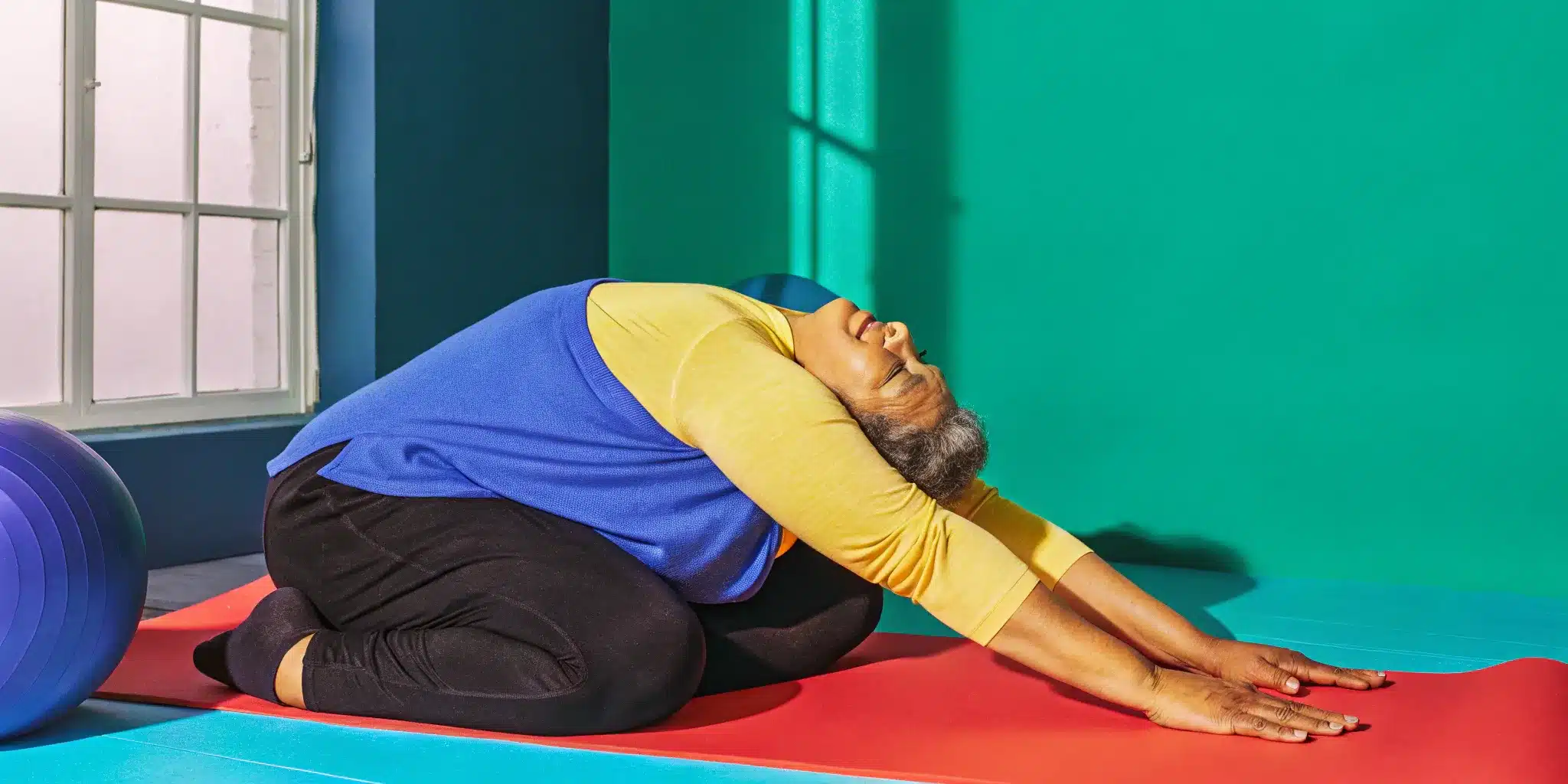
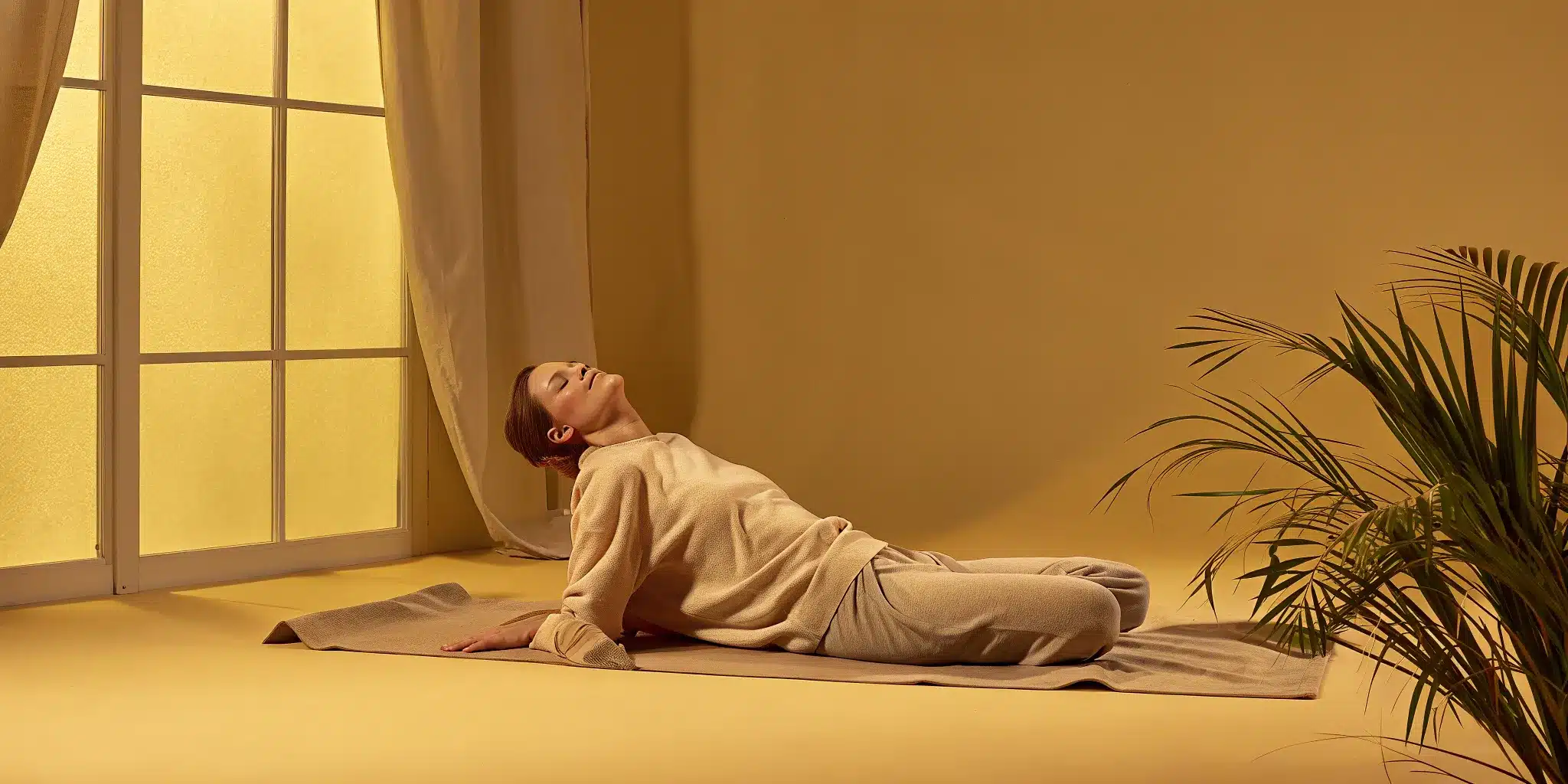
Try Gentle Stretches and Movement
One of the most effective ways to combat stiffness is with gentle, consistent movement. When your thighs and legs feel tight, your first instinct might be to stay still, but that can often make the problem worse. Instead, focus on light activity and simple stretches throughout your day. This is especially important if you work at a desk or spend long periods sitting. Make it a habit to get up every hour to walk around. Incorporating a few minutes of stretching before and after any exercise can also help prepare your muscles for activity and aid in their recovery, keeping them flexible and less prone to tightening up.
Use Heat and Cold Therapy
Alternating between heat and cold is a classic, effective method for soothing sore muscles. Heat, like a warm bath or a heating pad, helps increase blood flow, which can relax tight muscles and ease general achiness. Cold therapy, using an ice pack wrapped in a towel, is excellent for reducing inflammation, especially after a workout or if you have a specific sore spot. For the best results, try switching between warm and cold packs on the stiff area. This method can help alleviate muscle stiffness when you apply each for about 20 minutes at a time, several times a day.
Learn Self-Massage and Foam Rolling
You don’t need to be a professional to give your muscles some much-needed attention. Gentle self-massage can work wonders on stiff thighs and legs. Simply use your hands to gently rub and knead the tight areas, which helps release tension and encourage blood flow. For a deeper release, a foam roller can be an incredible tool. By slowly rolling the stiff parts of your legs over the foam roller, you can target knots and tight fascia that contribute to stiffness. It might feel a little intense at first, but with consistent use, it can dramatically improve your flexibility and reduce soreness.
Stay Hydrated and Eat Well
What you put into your body plays a huge role in how your muscles feel. Dehydration is a common cause of muscle cramps and stiffness, so make sure you’re drinking plenty of water throughout the day—aim for at least 64 ounces. Your diet matters, too. Certain nutrients are essential for healthy muscle function. Focus on eating a balanced diet rich in magnesium and calcium, which can be found in foods like dark leafy greens, avocados, bananas, nuts, and seeds. These nutrients help your muscles contract and relax properly, preventing them from becoming stiff in the first place.
Consider Over-the-Counter Relief
For times when the stiffness is particularly uncomfortable and interferes with your day, over-the-counter (OTC) pain relievers can offer temporary help. Medications like ibuprofen can reduce inflammation and ease the discomfort associated with tight, sore muscles. While they can be effective for short-term relief, they aren’t a long-term solution for chronic stiffness. Think of them as a tool to get you through a particularly bad day, not a daily fix. It’s always a good idea to talk with your doctor before starting any new medication to make sure it’s the right choice for you.
When to See a Professional for Leg Stiffness
Most of the time, a little stiffness in your legs is just your body’s way of telling you it needs to move more or recover from a tough workout. Simple home remedies are often all it takes to feel better. But how do you know when that nagging stiffness is a sign of something more serious? It can be tricky to tell the difference between normal muscle soreness and a problem that needs a professional eye.
Listening to your body is key, and that includes knowing which signals you shouldn’t ignore. While a day or two of tightness is usually no cause for alarm, persistent or severe stiffness can be your body’s way of asking for help. If your leg stiffness just won’t quit, or if it shows up with some other concerning symptoms, it’s time to stop guessing and get some real answers. Let’s walk through the specific signs that mean you should reach out to a healthcare professional for guidance.
Red Flags That Mean You Should Call a Doctor
Think of stiffness as a message from your body. Usually, it’s a simple request for a good stretch or a rest day. But sometimes, it’s part of a more urgent message. If your leg stiffness comes with other serious symptoms, it’s time to listen closely and call your doctor. Pay attention to signs like a fever, unusual muscle weakness, a stiff neck, or noticeable swelling in the area. Other red flags include headaches, persistent fatigue, a sore throat, or chest pain. These symptoms aren’t typical for simple muscle tightness and could point to an underlying infection or another condition that requires medical attention. Don’t wait it out—getting a professional opinion is the safest next step.
How Long Is Too Long for Stiffness to Last?
We all hope that annoying stiffness will just work itself out in a day or two. And often, it does. But if your leg stiffness lingers for more than a few days or becomes a recurring issue, it’s a clear sign that home care isn’t enough. Persistent stiffness that occurs frequently isn’t something you should have to live with. It might indicate a deeper problem that won’t go away on its own. While it’s tempting to just push through the discomfort, ongoing stiffness warrants a conversation with your doctor. They can help you figure out what’s really going on and prevent a minor issue from turning into a chronic one.
When Stiffness Starts Affecting Your Life
Beyond specific symptoms, a major sign it’s time to see a professional is when stiffness simply starts getting in the way of your life. Are you finding it harder to get out of a chair, walk up the stairs, or play with your kids? When home remedies like stretching and heat packs fail to bring relief and your daily routine is impacted, it’s time for a new approach. A healthcare provider can help identify the root cause of your discomfort and may suggest treatments like physical therapy to get you moving comfortably again. You don’t have to accept stiffness as your new normal. If it’s holding you back, talking to a professional is the best way to get back to doing what you love.
How Professional Stretching Can Help
While at-home remedies are fantastic for daily maintenance, sometimes you need a more targeted approach to find lasting relief from stubborn stiffness. If you feel like you’ve hit a wall with your own stretching routine, working with a professional can be a game-changer. Think of it as bringing in an expert who can see what you can’t. A trained stretch therapist can pinpoint the exact muscles causing your discomfort and use specialized techniques to release tension in ways that are difficult to achieve on your own. They can also identify muscle imbalances—where some muscles are overworking to compensate for others—that might be the hidden source of your leg stiffness.
This isn’t just about having someone else do the work for you; it’s about getting a personalized plan tailored to your body’s unique needs. A professional can assess your posture, movement patterns, and specific areas of tightness to understand the root cause of your stiffness. They provide the guidance and technique needed to safely push your muscles to a point of release, helping you gain flexibility and mobility more effectively. This one-on-one attention ensures you’re not just stretching, but stretching correctly for maximum benefit and long-term results. It takes the guesswork out of your recovery and provides a clear, safe path toward feeling better in your body.
The Benefits of Assisted Stretching for Muscle Tension
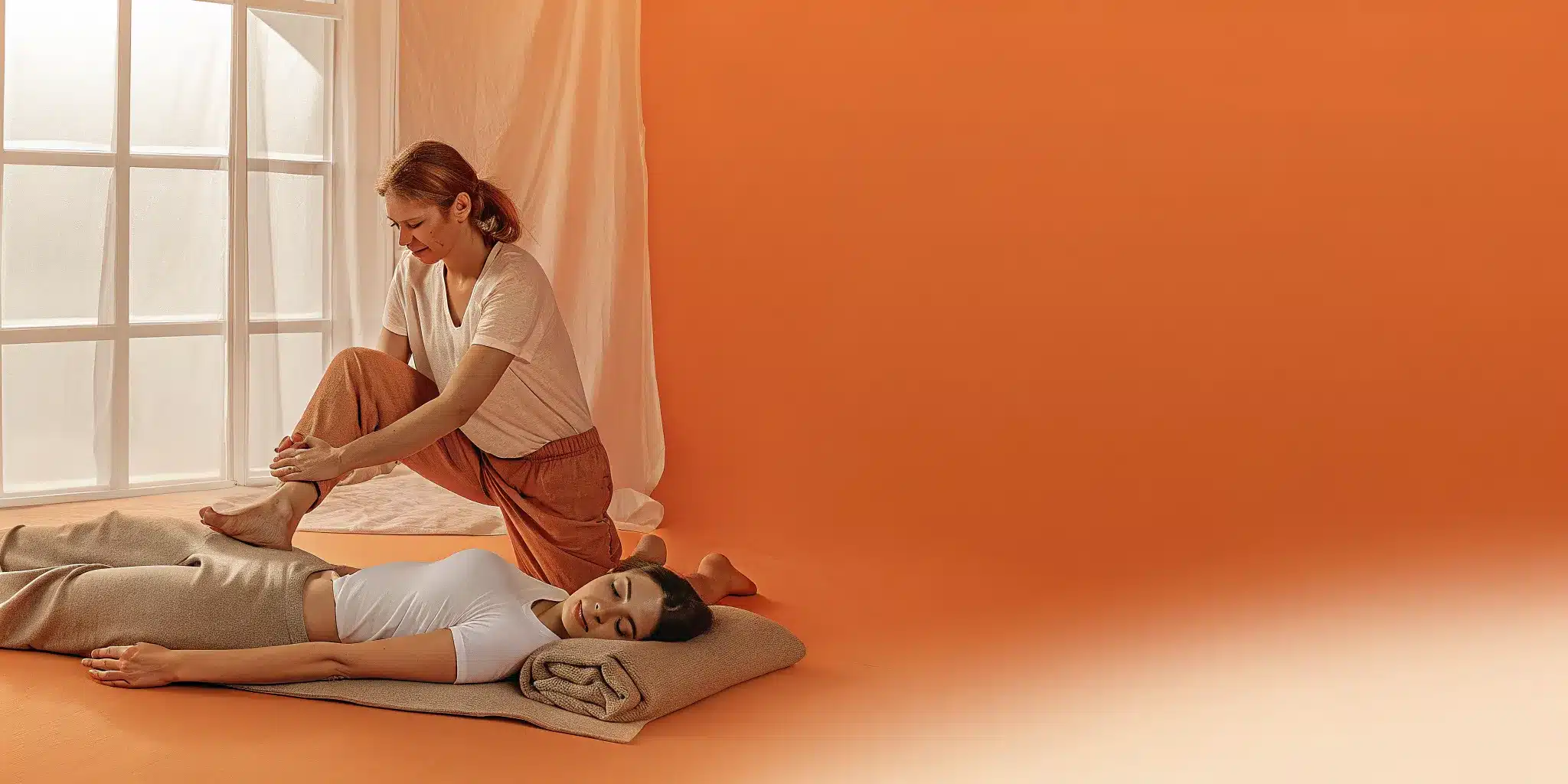
Assisted stretching allows your body to relax completely while a trained professional guides you through each movement. This helps you get a deeper, more effective stretch than you could manage alone. At StretchMed, our Stretch Therapists use a combination of PNF (Proprioceptive Neuromuscular Facilitation) and static stretching techniques. PNF is a method where you contract and relax a muscle to “trick” it into a deeper stretch. This approach is incredibly effective for releasing chronic tension in the large muscles of your thighs and legs, like your hamstrings, quads, and hip flexors, helping you regain your full range of motion.
What to Expect in a 1-on-1 Stretching Session
Your first session is all about you. You’ll start by discussing your goals and any specific areas of pain or stiffness with your Stretch Therapist. During the 50-minute session, you’ll lie on a comfortable table while your therapist gently moves your body through a series of targeted stretches. Your only job is to relax and breathe. To finish, all stretch appointments end with percussion therapy. This technique uses a massage gun to accelerate and enhance tissue repair by maximizing blood flow and muscle relaxation, leaving your legs feeling lighter and more mobile.
Why Professional Guidance Is Key for Lasting Relief
One of the biggest advantages of working with a professional is safety and precision. A therapist knows exactly how long to hold each stretch to get the best results. Holding a stretch for 30 to 60 seconds helps relax your muscles and improve blood flow to the area, which is crucial for repair. A professional ensures you maintain the proper stretching technique to avoid injury while effectively lengthening the muscle fibers. This expert guidance helps you break through flexibility plateaus and build a foundation for long-term relief from stiffness, so you can move more freely in your daily life.
Simple Lifestyle Changes to Prevent Stiffness
While targeted stretches and professional help are fantastic for immediate relief, preventing stiffness from returning is all about the small, consistent choices you make every day. Think of it as proactive care for your body. By making a few simple adjustments to your daily routines, you can keep your muscles flexible and reduce the chances of that tight, achy feeling creeping back into your thighs and legs. These habits work together to support your body’s overall health, making movement feel easier and more natural.
Build Healthy Movement Habits
If you’ve ever stood up after a long movie or a few hours at your desk and felt like the Tin Man, you know that staying in one position is a recipe for stiffness. Our muscles and joints are designed to move. The key is to build more movement into your day, not just during a workout. Make it a habit to get up and walk around for a few minutes every hour. When you do exercise regularly, always remember to warm up before and cool down afterward. This prepares your muscles for activity and helps them recover, which goes a long way in preventing that next-day tightness.
Improve Your Posture and Workspace
Your daily posture has a huge impact on muscle tension. Slouching at your desk or on the sofa can put unnecessary strain on your back, hips, and legs, leading to stiffness over time. Take a moment to assess your environment. An ergonomic workspace can make a world of difference by helping you sit and stand with better alignment. Adjust your chair, screen, and keyboard to support a neutral posture. Whether you’re working or relaxing, try to be mindful of how you’re sitting or standing. A simple cue is to imagine a string gently pulling the crown of your head toward the ceiling.
Prioritize Sleep and Manage Stress
Stress and poor sleep are a powerful combination for creating muscle tension. When you’re stressed, your body tenses up, and if you’re not getting enough quality sleep, your muscles don’t have the time they need to fully repair and relax. Aim for 7-9 hours of sleep per night to give your body a chance to recover. It’s also helpful to find healthy ways to manage your energy and stress, whether it’s through deep breathing, a walk outside, or a hobby you enjoy. Pacing yourself and avoiding overexertion can also prevent your muscles from becoming overwhelmed and tight.
Focus on Hydration and Nutrition
Your muscles need the right fuel to function properly, and that includes plenty of water and nutrients. Dehydration is a common cause of muscle cramps and stiffness. A good rule of thumb is to drink plenty of water throughout the day—at least 64 ounces for most adults. Along with hydration, a balanced diet rich in vitamins and minerals supports overall muscle health. You don’t need a perfect diet, but focusing on whole foods like fruits, vegetables, and lean proteins gives your body the building blocks it needs to keep your muscles feeling supple and strong.
Create Your Plan to Move Freely
Feeling better is about more than just a few stretches here and there. It’s about creating a consistent routine that works for your body and your life. Think of it as building a personal roadmap to moving without pain. This plan doesn’t have to be complicated. It’s about combining smart at-home habits with professional guidance when you need it, making movement a non-negotiable part of your day, and listening to what your body tells you along the way. Let’s walk through how to build a plan that sticks.
Combine At-Home Care with Professional Help
For mild stiffness, your first line of defense can be simple at-home care. Gentle stretching, applying ice to a recent strain, or using a heating pad for general muscle soreness can work wonders. Self-massage with your hands or a foam roller can also provide immediate relief. However, if you find that these home remedies aren’t cutting it, it’s a sign that you might need to address the root cause. When stiffness lingers, it’s wise to seek professional guidance to get a clear diagnosis and a targeted treatment plan. Combining your daily self-care with expert help, like assisted stretching, creates a powerful strategy for long-term relief.
Make Movement a Sustainable Habit
Consistency is your best friend when it comes to preventing stiffness. Instead of sporadic, intense workouts, focus on building sustainable movement into your daily life. This starts with the basics, like staying hydrated. Aim to drink plenty of water throughout the day, as dehydrated muscles are more prone to cramping and tightness. Regular exercise is also crucial, but how you do it matters. Always take a few minutes to warm up before you start and cool down afterward. This simple bookend to your workout prepares your muscles for activity and helps them recover, significantly reducing your chances of feeling stiff and sore later.
Track Your Progress and Adjust as Needed
Your body is constantly giving you feedback—the key is to listen. Pay attention to how your legs and thighs feel day to day. Mild muscle stiffness often goes away on its own within a few days. But if you notice it keeps coming back or lasts for a long time, it’s a clear signal that your current routine needs a tweak. Consider keeping a simple log of your symptoms to identify patterns. If your stiffness becomes a regular occurrence or starts interfering with your daily activities, it’s important to see a doctor. Don’t just push through persistent pain. A professional can help you figure out what’s going on and adjust your plan for real, lasting results.
Related Articles
- How to Loosen Tight Muscles in Legs for Good – STRETCHMED
- How to Relieve Body Stiffness: A Simple Guide – STRETCHMED
- How to Loosen Tight Muscles in Legs: A Simple Guide – STRETCHMED
Frequently Asked Questions
What’s the difference between normal muscle soreness and the kind of stiffness I should worry about? Think of it in terms of timing and intensity. Normal soreness, like the kind you get after a new workout, usually feels like a dull ache, peaks after a day or two, and then starts to fade. Stiffness that you should pay more attention to is persistent. It either doesn’t improve after a few days, gets worse, or comes with other red flags like swelling, fever, or significant weakness. If your stiffness is sticking around or affecting your ability to move through your day, it’s a good idea to check in with a doctor.
Is it better to use heat or ice for stiff legs? This is a great question, and the answer depends on what’s causing the stiffness. A good rule of thumb is to use heat for general tightness and chronic aches. A warm bath or heating pad can help relax muscles and increase blood flow, which feels great on chronically tight thighs. Use ice for acute pain or immediately after a tough workout to help reduce inflammation and numb soreness.
How often should I be stretching to prevent my legs from getting stiff? Consistency is far more important than intensity. You’ll see better results from doing a few minutes of gentle stretching every day than from one long, intense session per week. The real goal is to integrate more movement into your entire day. If you work at a desk, focus on getting up at least once an hour to walk around and shake your legs out. This small habit can make a huge difference in preventing that locked-up feeling.
Will assisted stretching hurt if my legs are already very tight? It’s natural to worry that stretching a tight muscle will be painful, but professional assisted stretching is designed to be a gentle and restorative process. A trained therapist knows how to work with your body, not against it. They will communicate with you throughout the session to ensure they are stretching you within your comfort zone, helping your muscles release tension gradually and safely. The goal is relief, not pain.
Besides stretching, what’s the single most important habit to prevent leg stiffness? If you have to pick just one thing, focus on breaking up long periods of inactivity. Our bodies are designed to move, and sitting for hours on end is one of the biggest culprits behind stiff legs. Making a conscious effort to stand up, walk around, and change positions for just a few minutes every hour can dramatically improve how your legs feel. It keeps your muscles from shortening and your joints from getting rigid.